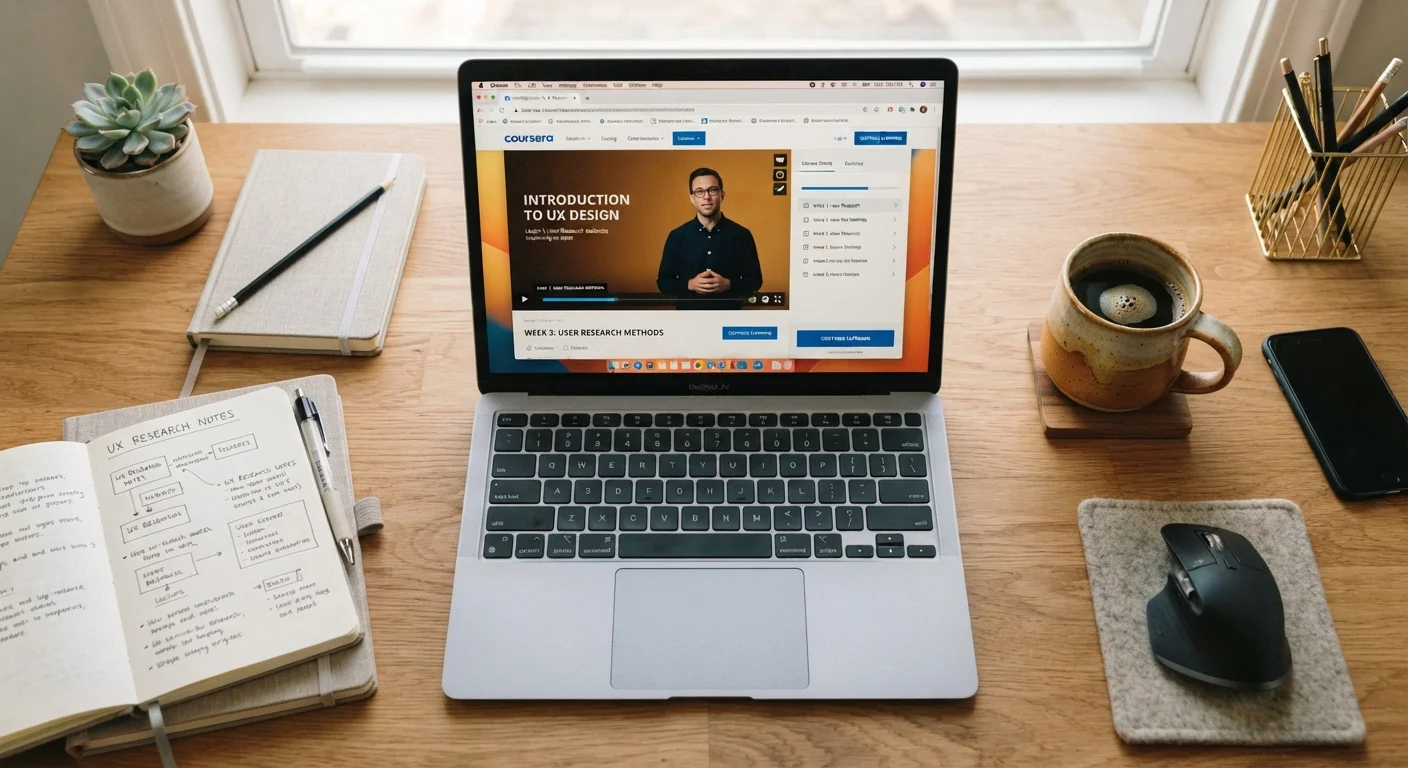

How Online Learning Actually Works
Online learning is education delivered through the internet - no commute, no fixed classroom, and often no rigid schedule. Content is typically organized into a course: a structured series of video lessons, readings, quizzes, and sometimes assignments. You progress at your own pace or on a set timeline, depending on the format.
Self-paced course
A course where you control the schedule - you can watch lessons and complete assignments whenever it suits you, with no fixed deadlines.
Instructor-led course
A course that runs on set dates, often with weekly deadlines and real-time or scheduled interaction with an instructor or cohort of students.
MOOC
Massive Open Online Course - a course designed to accommodate a large number of learners online, often offered free or at low cost by universities or learning platforms.
Certificate of completion
A digital document issued by a platform or institution confirming you finished a course. Its value depends on who issued it and the industry you're in.
Cohort-based course
A course where a group of students starts and progresses together on the same schedule, enabling peer discussion and shared accountability.
Accreditation
Official recognition by an independent body that an institution or program meets established quality standards. Accredited credentials generally carry more weight with employers.
The two broadest categories are self-paced courses, where you move through material on your own schedule, and instructor-led courses, which run on fixed dates with deadlines. Both have merit. Self-paced suits busy schedules; instructor-led courses provide accountability and peer interaction. For a full picture of the formats available, see our overview of online learning formats.
What to Expect as a First-Time Online Learner
The most common surprise for beginners is how much responsibility sits with the learner. No one sends reminders. No one notices if you skip a week. This isn't a flaw - it's the trade-off for flexibility - but it means motivation and a basic routine matter more than they do in a traditional classroom.
Technically, the bar is low. A laptop or desktop computer and a stable internet connection are all you need for most courses. Video lessons may require headphones in noisy environments, and some courses include downloadable worksheets that are easier to use on a larger screen than a phone.
Expect some trial and error. Your first course will teach you as much about how you learn as it does about the subject itself - which pace works, how long your attention holds, and whether video or text suits you better. That self-knowledge is valuable for everything that follows.
Choosing Your First Course or Platform
The single biggest mistake beginners make is spending weeks comparing platforms instead of starting. A more useful approach: define one concrete goal first, then find a course that addresses it directly.
When evaluating a course, look at three things:
- Source credibility - Is the course created by an accredited institution, a recognized professional organization, or an instructor with verifiable credentials in the field?
- Learner reviews - Look for patterns in feedback, not just star ratings. Comments about clarity, pacing, and support are more useful than praise alone.
- Scope and length - A 40-hour course is not a good first step. Look for something completable in two to four weeks at a few hours per week.
For a structured approach to narrowing down your options without getting overwhelmed, our guide on picking an online learning platform walks through the evaluation process step by step.
Start Smaller Than You Think You Should
When choosing your first course, deliberately pick something shorter and narrower than your ambitions. A well-chosen 10-hour introductory course you finish will teach you more than a comprehensive 60-hour program you abandon. Early wins build the momentum that makes larger commitments feel manageable.
Building Habits That Make You Stick With It
Research on adult learning consistently shows that spaced, regular practice beats occasional long sessions. Rather than blocking out a Saturday morning, aim for three or four 20-30 minute windows during the week - before work, during lunch, or after dinner.
A few practical anchors help:
- Link learning to an existing habit - Opening a course lesson right after your morning coffee builds a cue-routine pair that requires less willpower over time.
- Set a completion goal, not a time goal - "Finish module two by Friday" is easier to track than "study for three hours this week."
- Reduce friction - Keep your course tab open in your browser. Small barriers compound into avoidance.
If cost is a consideration when planning your learning budget, the frameworks in budgeting basics can help you plan spending on courses and subscriptions alongside other priorities.
What Comes After Your First Course
Finishing your first online course is genuinely significant - completion rates across many platforms hover below 15%, so reaching the end puts you in a small group. More importantly, it gives you real data: what you learned, what gaps remain, and whether you want to go deeper.
From here, a few paths open up:
- Apply what you learned - Use the skill in a real project, even a small one. Application cements knowledge faster than reviewing notes.
- Move to a follow-on course - Many platforms offer course sequences or specializations that build progressively on introductory content.
- Explore credentials - If your field values certifications, look into whether a recognized credential is worth pursuing. Weigh the cost, time, and practical benefit honestly.
Online learning becomes most valuable when it's treated as an ongoing practice rather than a one-time event. For a broader roadmap covering platforms, habits, credentials, and measuring progress over time, see our complete guide to online learning.