
Why a Health Baseline Matters
Most pet owners notice dramatic changes — a limping gait, visible swelling, or vomiting — but gradual shifts are far harder to detect without a reference point. A health baseline is simply a written record of what is normal for your individual pet: their typical weight, vital signs, coat quality, energy level, and daily habits. Because every animal is different, "normal" is personal, not a species-wide average.
Think of the baseline as your pet's personal health fingerprint. When you know a cat's resting respiratory rate is consistently 22 breaths per minute, a jump to 38 becomes immediately meaningful. Without that reference, the number is just a number. This is the core idea behind daily health observation — context transforms a data point into a signal.
Establishing this record also strengthens your relationship with your veterinarian. Arriving at a wellness visit with documented trends — rather than a vague sense that something seems different — gives your vet far more to work with. It also supports the kind of proactive approach described in understanding early warning signs before they escalate.
What to Include in Your Pet's Baseline
A useful baseline covers five categories. You do not need veterinary equipment for most of them — just consistency and a notebook or a simple spreadsheet.
- Body weight: Use a consistent scale. For small animals, a kitchen scale works well; for larger dogs, many veterinary offices will weigh your pet between appointments at no charge. Record weight monthly.
- Gum color and capillary refill time: Healthy gums in dogs and cats are typically salmon-pink and moist. When you press a finger firmly against the gum and release, color should return within one to two seconds. Pale, white, yellow, or blue gums are always a reason to contact your vet promptly.
- Resting respiratory rate: Count breaths for 30 seconds while your pet is calm and asleep, then double it. Dogs and cats at rest typically breathe 15–30 times per minute; a consistent reading above 30 in a resting cat, for example, warrants veterinary attention.
- Heart rate: Place your hand on your pet's chest just behind the left elbow and count beats for 15 seconds, then multiply by four. Normal resting heart rates vary significantly by species and size — confirm your pet's expected range with your vet.
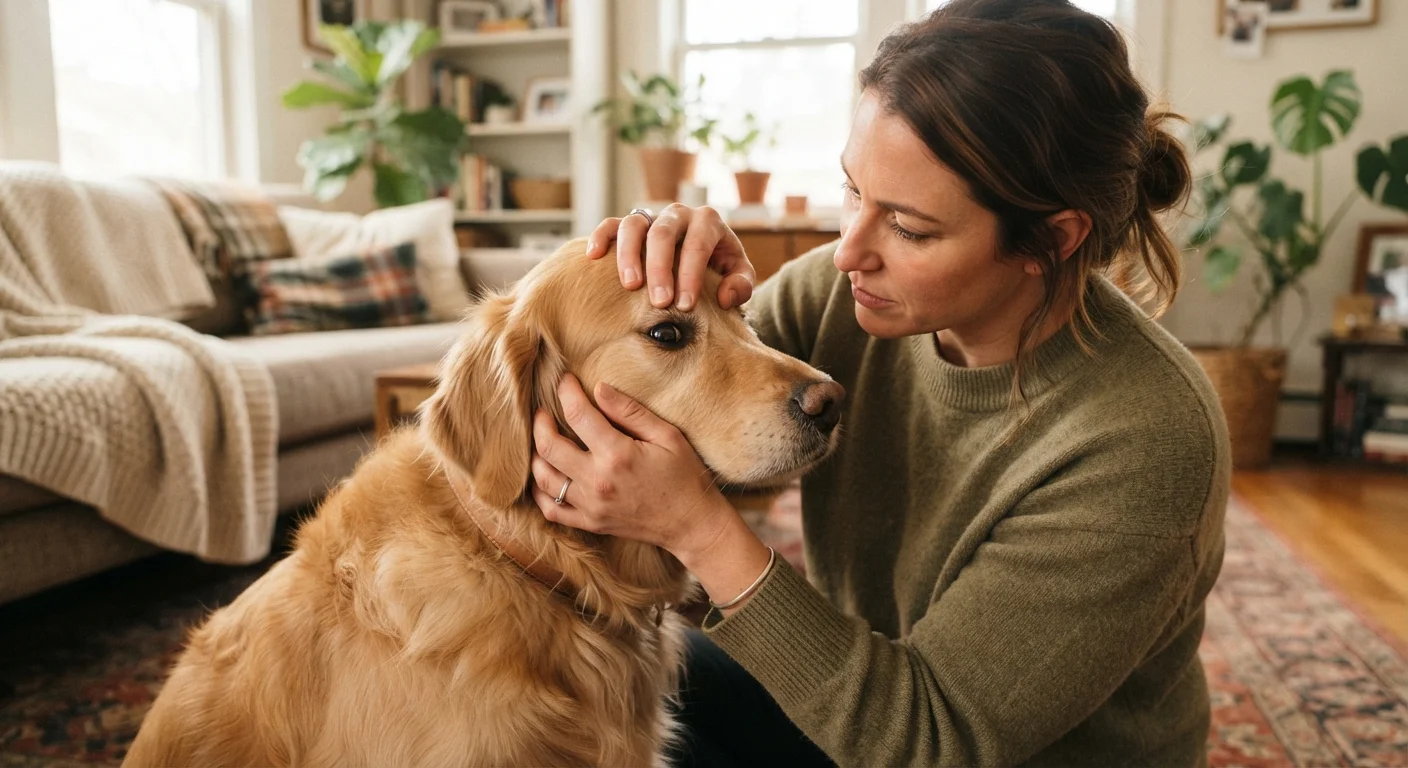
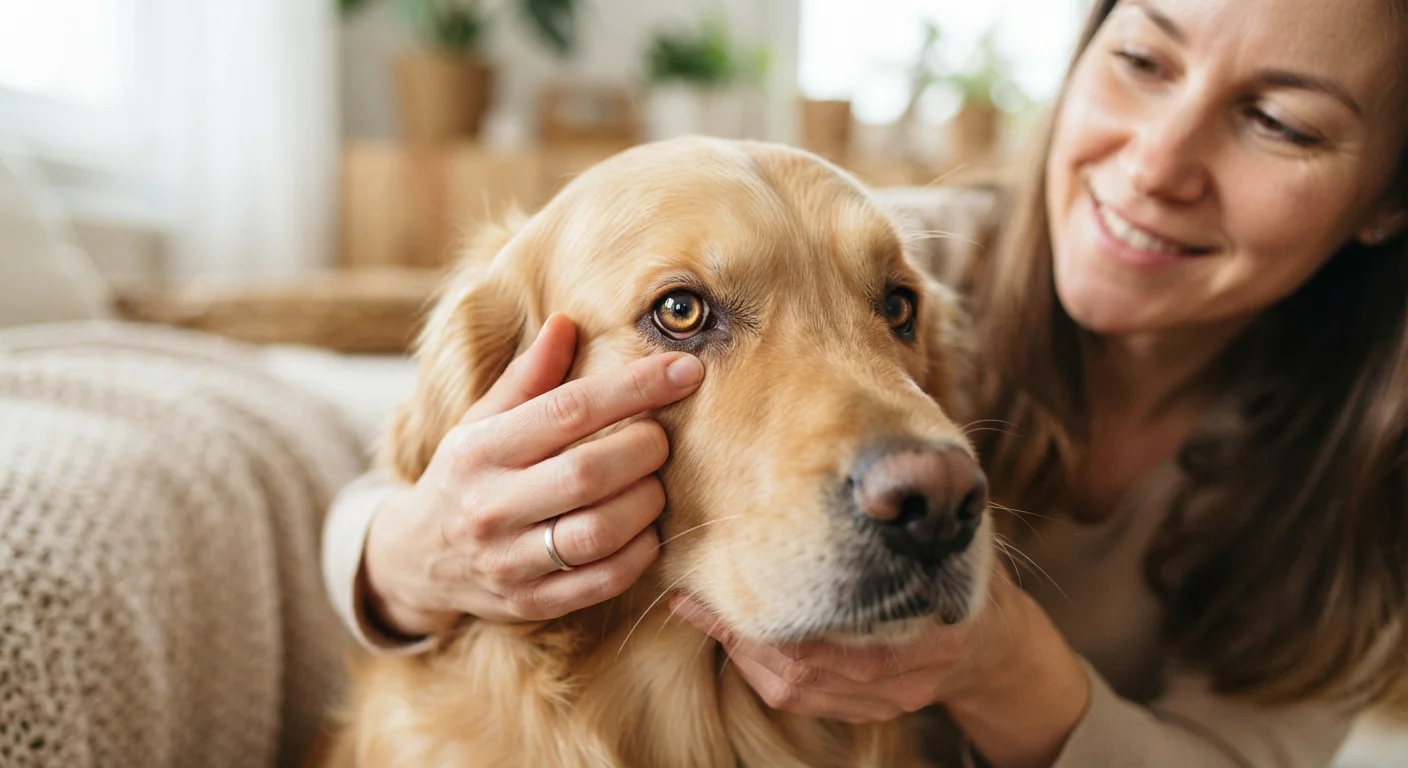
- Coat, skin, and eye condition: Note shine, any areas of thinning, odor, or flaking. Eyes should be clear and bright; changes in eye appearance are often an early indicator of systemic issues.
- Appetite and water intake: Estimate daily food consumption and note any marked increase or decrease in drinking. Unexplained increases in thirst can signal several serious conditions — see our guidance on normal versus excessive drinking.
Make Baseline Checks Part of a Routine
Pairing your monthly health check with something you already do — a regular grooming session or the day you refill a monthly preventive — makes it far easier to stay consistent. Consistency is what turns individual measurements into a meaningful trend over time.
How to Record and Use Your Baseline
Frequency matters as much as what you measure. Aim to record a full set of baseline metrics once a month for young adult pets, and every two to three weeks for seniors or animals with known health conditions. Keep the records somewhere accessible — a notes app, a shared document with a family member, or a dedicated pet health journal all work equally well.
Set up a simple tracking document
Create a dedicated record — a notebook page, spreadsheet, or notes app entry — with columns for date, weight, gum color, respiratory rate, heart rate, coat notes, appetite, and water intake. Label it with your pet's name, species, breed, age, and your vet's contact information.
Measure vitals when your pet is calm and resting
Choose a time when your pet is relaxed — after a nap is ideal. Count respirations, then heart rate, then check gum color. Attempting measurements after play or excitement will produce elevated readings that do not reflect a true resting baseline.
Weigh your pet on a consistent scale
Use the same scale each time and weigh at the same time of day — ideally before a meal. For cats or small dogs, stand on a bathroom scale holding your pet, then weigh yourself alone and subtract. Record the result immediately.
Assess coat, skin, and eye appearance
Run your hands along your pet's coat and note any areas of thinning, excessive shedding, odor, scaling, or lumps. Look at both eyes for symmetry, clarity, and any discharge. Note your observations in plain language — for example, "small dry patch behind right shoulder" is more useful than "skin looks a bit off."
Log appetite and water intake
Note roughly how much your pet ate relative to their normal portion, and whether the water bowl is being emptied faster or slower than usual. You do not need precise milliliter counts — descriptive terms like "ate about half," "drank noticeably more," or "appetite unchanged" are sufficient for pattern recognition.
Share the record with your veterinarian
Bring your baseline log to every wellness visit and any unscheduled sick appointment. Highlight any metrics that have trended outside their usual range. Your vet can help you interpret patterns, confirm whether a change is clinically significant, and adjust what you should monitor based on your pet's age and health history.
Once you have several months of data, patterns become visible. A dog whose weight has drifted down by three percent over four months may look the same day-to-day, yet that trend is clinically meaningful. Similarly, a cat whose resting respiratory rate has climbed from 22 to 30 over six weeks deserves a veterinary conversation even if she appears comfortable. Your baseline turns vague concern into documented evidence.
Keep in mind that baseline norms also shift as your pet ages — what is typical for a two-year-old dog will differ from the same animal at ten. Our companion article on how age changes health signals explains what to expect and how to adjust your watchfulness accordingly. Pairing your baseline habit with a consistent daily care routine gives you the clearest possible picture of your pet's ongoing well-being.
This article is for general informational and educational purposes only and does not constitute veterinary medical advice. Always consult a licensed veterinarian for guidance specific to your pet's health needs.