Why Daily Observation Matters More Than You Think
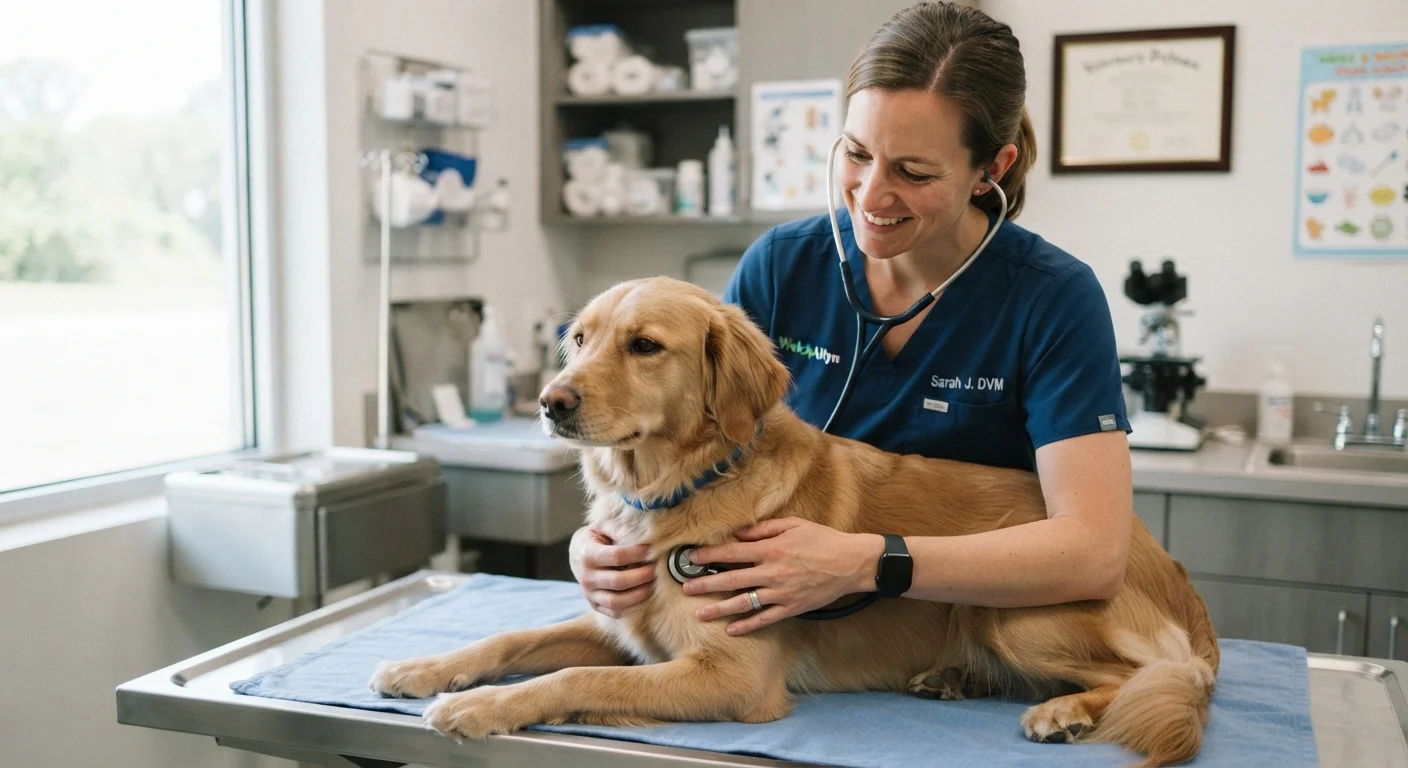
Veterinarians often say that the owner who lives with a pet every day is best positioned to notice a problem first. You see your pet's normal — their typical appetite, posture, energy level, and habits — in a way that a clinician who sees them once or twice a year simply cannot. That familiarity is a genuine diagnostic advantage, but only if you know what to look for.
The goal of daily observation isn't to replace veterinary care. It's to build a mental baseline of what's normal for your animal, so that subtle shifts don't go unnoticed for weeks. Early detection regularly leads to simpler, less costly, and more successful treatment. As part of a broader approach to recognizing pet health signals, these daily checkpoints are a practical starting point for any owner.
The observations below don't require equipment or expertise. They require only consistency.
Appetite and Water Intake
Food and water consumption are among the most sensitive early indicators of illness. Most healthy pets eat with reasonable enthusiasm and drink fairly predictably throughout the day. A sudden disinterest in food — especially lasting more than 24 hours — or a dramatic increase in thirst can both signal underlying issues ranging from dental pain to kidney changes.
You don't need to measure every milliliter. Simply notice: Did they finish their meal? Are they hovering at the water bowl more than usual? These patterns are worth tracking. Subtle behavioral shifts like appetite changes often precede more obvious symptoms by days.
A sudden loss of appetite lasting more than 24 hours is always worth a call to your vet.
Energy Level and Movement
Every pet has a characteristic energy signature. Some are naturally calm; others are reliably active at certain times of day. What matters isn't the baseline itself — it's deviation from it. A normally playful dog that suddenly wants to lie still, or a cat that stops jumping to favorite spots, may be communicating discomfort or fatigue.
Pay attention to how your pet moves, not just whether they move. Stiffness when rising, reluctance to use stairs, or favoring one limb are all movement changes worth noting. These can be early signs of musculoskeletal issues that respond well to early intervention.
Deviation from your pet's personal energy baseline is a more reliable signal than any single behavior.
Elimination Habits
Litter box checks and post-walk observations are unglamorous but genuinely informative. Changes in stool consistency, frequency, color, or the presence of blood or mucus can reflect digestive, dietary, or systemic health changes. Similarly, straining to urinate, increased frequency, or accidents in a house-trained pet all deserve attention.
For a deeper understanding of what these patterns can indicate, digestive health signals from stool and vomiting offers useful context. The key habit is simply to glance — rather than look away — during cleanup.
A quick glance during litter box or yard cleanup can reveal digestive changes days before other symptoms appear.
Coat, Skin, and Eye Appearance
A healthy coat typically has a consistent texture and sheen. Dullness, excessive shedding, new bald patches, or increased scratching can point to allergies, parasites, nutritional gaps, or hormonal changes. Run your hands lightly along your pet's body during daily contact — you're not just bonding, you're scanning for lumps, scabs, or tender spots.
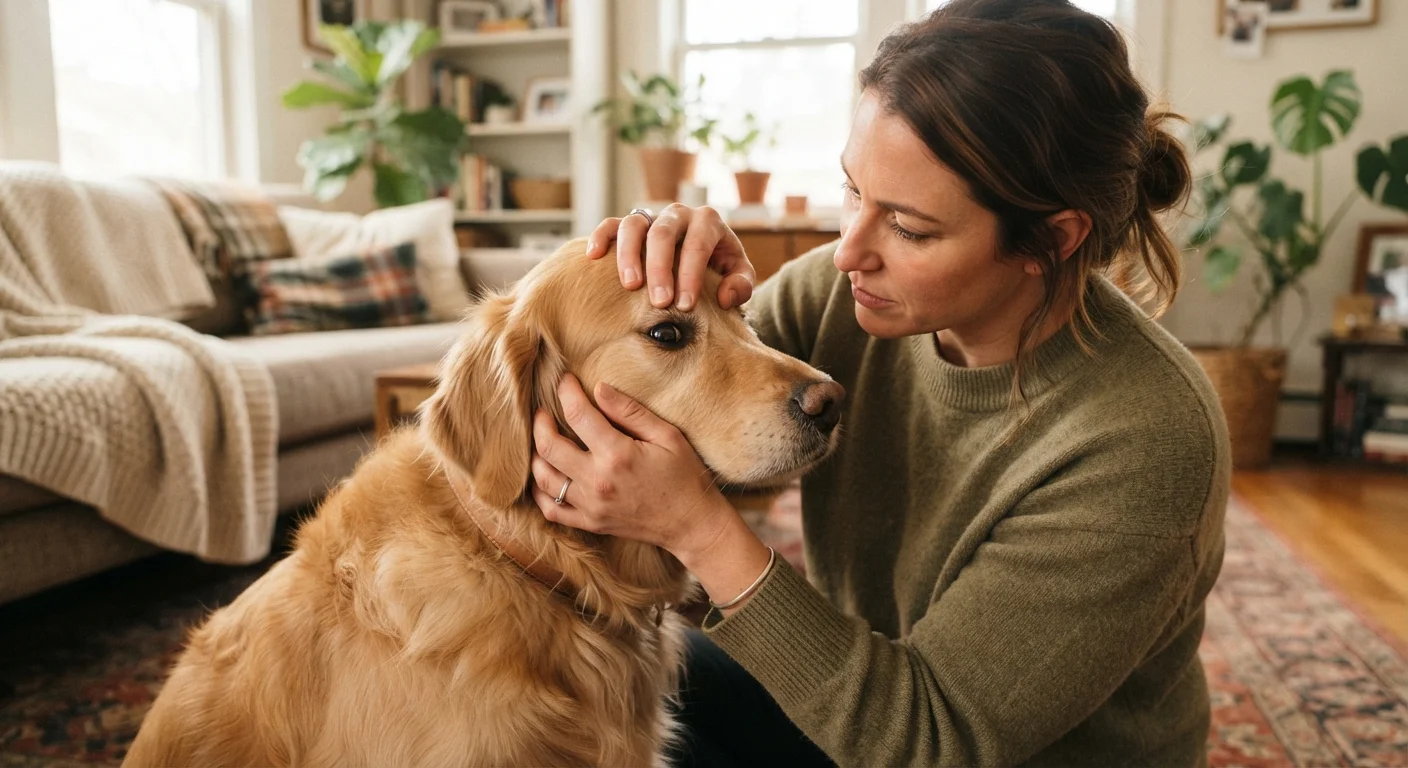
Eyes deserve a quick look too. Cloudiness, unusual discharge, redness, or squinting are changes that can escalate quickly. What your pet's eyes reveal about their health explains what to look for in more detail. If you spot any new skin irregularities, understanding lumps and swellings can help you decide whether to monitor or act.
Running your hands along your pet's coat daily turns routine petting into an effective skin and lump check.
Posture, Breathing, and Facial Expression
Pets communicate discomfort through body language long before they show obvious symptoms. A hunched posture, tucked tail, flattened ears at rest, or an unusually tense facial expression can all indicate that something is off. Labored, rapid, or noisy breathing when at rest — particularly in cats — is a signal that warrants prompt veterinary attention.
These are the kinds of early warning signs owners most commonly overlook because they're easy to attribute to mood rather than health. Learning to read your pet's resting posture and expression is a skill that develops naturally with consistent, attentive daily contact.
Labored breathing at rest in cats is always a reason to contact your veterinarian without delay.
Building Observation Into Your Routine
The most reliable way to make these checks happen is to attach them to something you already do. Feed your pet at the same time each day and use those two minutes to note appetite and energy. A quick visual scan during your morning walk or litter box check covers elimination. Grooming time doubles as a coat and skin inspection.
Keep a Simple Health Log
A brief daily note — even just a few words in a phone app — can help you identify patterns that are easy to overlook in the moment. Jot down anything unusual: skipped a meal, seemed stiff this morning, drank more than usual. When you visit the vet, this record provides valuable context that memory alone rarely delivers.
Over time, these micro-observations compound into something powerful: a running picture of your pet's health that no single vet visit can replicate. If you notice a change that persists beyond a day or two — or anything that seems sudden or severe — contact your veterinarian promptly. You can also build on daily habits with a structured monthly home health check that covers ears, teeth, and weight more thoroughly.
This article is for general informational and educational purposes only and is not a substitute for professional veterinary advice, diagnosis, or treatment. Always consult a qualified veterinarian regarding your pet's health.