How Your Brake System Works
Every time you press the brake pedal, a chain of hydraulic and mechanical events brings your vehicle to a stop. Pressing the pedal pushes fluid through brake lines to each wheel, where mechanical components convert that hydraulic pressure into friction. That friction slows the wheel's rotation - and the car stops.
This process relies on converting kinetic energy (the energy of motion) into thermal energy (heat). That's why heavy braking generates so much heat, and why components wear down over time. The system is designed to handle this stress, but only up to a point.
For a fuller picture of how brake maintenance fits into your overall vehicle care, see your car's maintenance schedule explained.
Brake pad
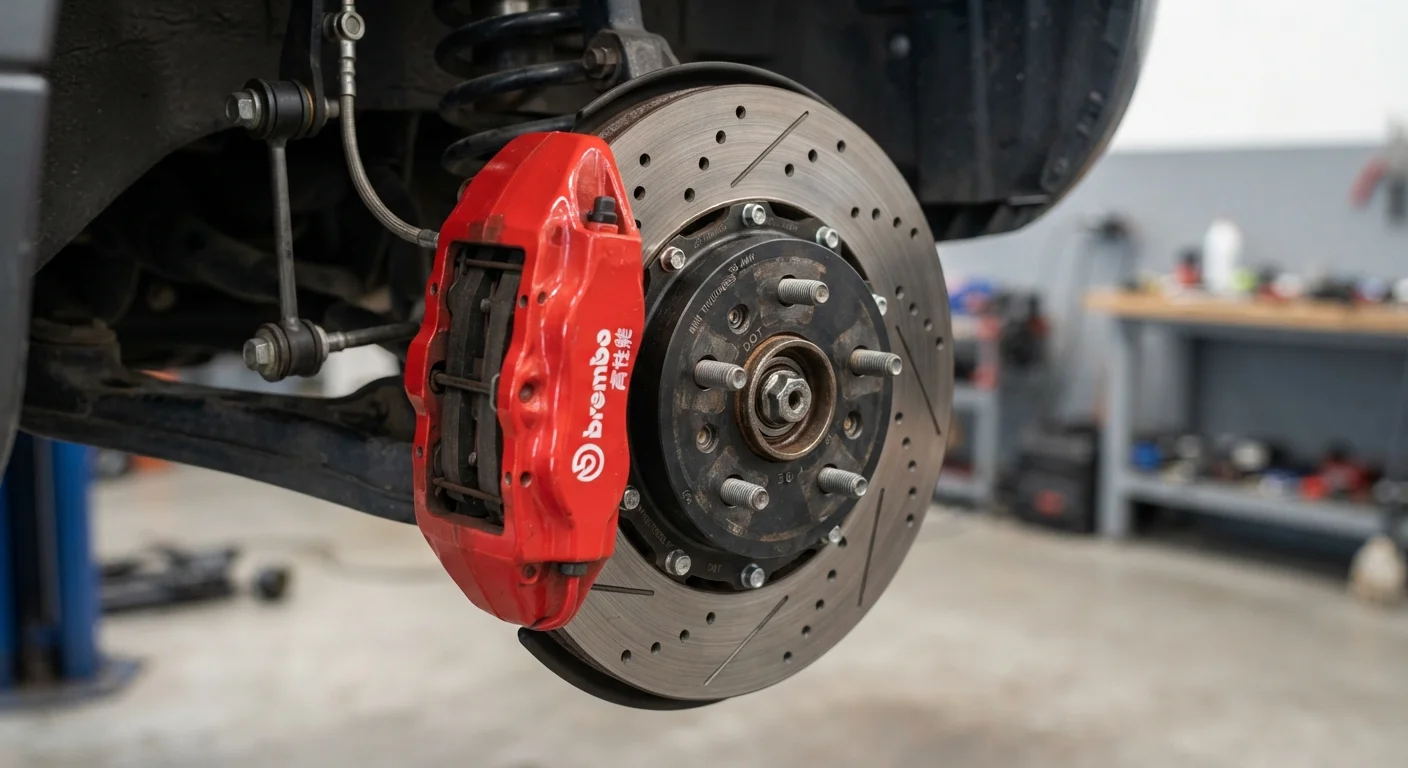
A friction material component that presses against the rotor to slow the wheel. Pads wear down gradually and require periodic replacement.
Rotor
A flat metal disc attached to the wheel hub. Brake pads clamp onto it to generate the friction needed to stop the car.
Caliper
A hydraulically operated clamp that squeezes the brake pads against the rotor. A malfunctioning caliper can cause uneven braking or pulling.
Brake fluid
A hydraulic fluid that transmits the force of your foot on the pedal through the brake lines to the calipers. It absorbs moisture over time and must be replaced periodically.
Master cylinder
The central hydraulic pump connected to the brake pedal that pressurizes brake fluid and distributes it to all four wheels.
Wear indicator
A small metal tab built into brake pads that contacts the rotor and produces a squealing noise when pads are nearly worn out - alerting you to get them checked.
The Main Components and What They Do
Understanding the key parts makes it far easier to interpret what a mechanic tells you - and to recognize when something sounds off.
- Brake pads: Friction material that clamps against the rotor to slow the wheel. These are the most frequently replaced brake component.
- Rotors (brake discs): Metal discs attached to the wheel hub. Pads press against them to create stopping friction. Rotors can warp or wear thin over time.
- Calipers: Hydraulically actuated clamps that squeeze the brake pads onto the rotor. A seized caliper can cause uneven wear or pulling to one side.
- Brake lines: Metal and rubber tubing that carries brake fluid from the master cylinder to each wheel.
- Master cylinder: The central hydraulic pump, connected directly to the brake pedal, that pressurizes the system.
- Brake fluid: The hydraulic medium that transmits pedal force through the lines. Learn more about it alongside other essential car fluids every driver should monitor.
Warning Signs Your Brakes Need Attention
Brakes rarely fail without warning. Recognizing the early signals can prevent both a dangerous situation and an expensive repair.
- Squealing or squeaking: A high-pitched noise during braking usually means the wear indicators on your brake pads are contacting the rotor - a built-in alert that pads are getting thin.
- Grinding: A harsh metal-on-metal grinding sound typically means the pads are fully worn. Immediate inspection is needed, as rotors may already be damaged.
- Pulling to one side: If the vehicle drifts left or right when braking, a stuck caliper or uneven pad wear is the likely cause.
- Soft or spongy pedal: A pedal that sinks further than usual suggests air in the lines or low brake fluid - a serious hydraulic issue.
- Vibration through the pedal: Pulsing or shaking when you brake points to warped rotors.
- Brake warning light: Don't dismiss it. See what your dashboard warning lights mean for guidance on when to act immediately.
Don't Ignore a Grinding Sound
Grinding during braking almost always means the friction material on the pads is gone, and metal components are now in direct contact. Continuing to drive in this condition can damage the rotors - turning what might have been a pad replacement into a significantly more expensive repair. Have the vehicle inspected promptly.
When to Service Your Brakes
There's no single universal interval because brake wear depends heavily on driving style, load, terrain, and the vehicle itself. That said, general guidelines give you a useful baseline.
- Brake pads: Typically last between 25,000 and 65,000 miles, depending on driving conditions. Many mechanics recommend inspection every 12 months or 12,000 miles.
- Rotors: Often replaced at the same time as pads, or when they fall below the minimum thickness specified by the manufacturer.
- Brake fluid: Generally every two years or 30,000 miles, though some manufacturers extend this. Check your owner's manual.
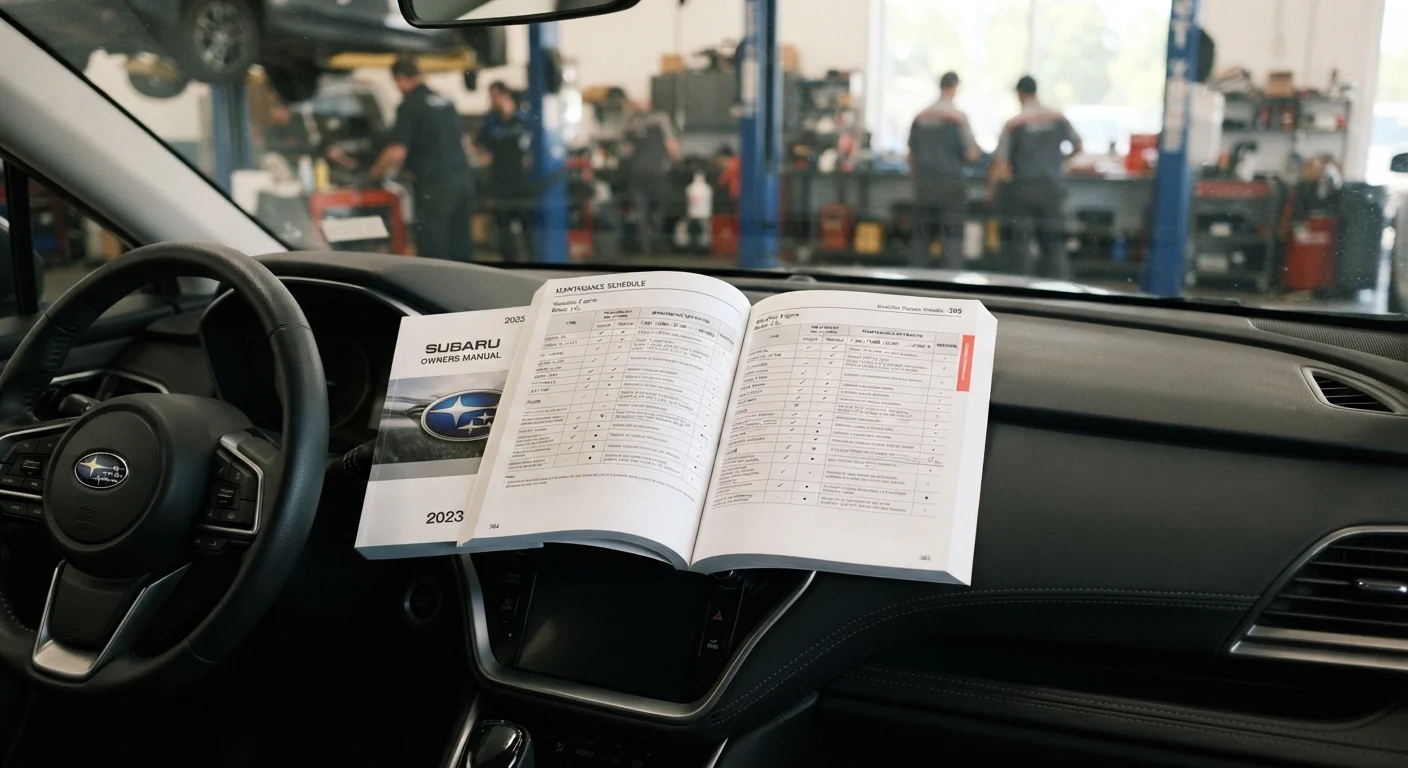
Your owner's manual is always the authoritative source for your specific vehicle's recommendations. Unusual driving conditions - such as frequent mountain driving or regular towing - may mean more frequent checks. For a broader view of service intervals, understanding your car's maintenance schedule puts brake service in context alongside other routine tasks.
Check Pads at Every Tire Rotation
A tire rotation every 5,000-7,500 miles gives a mechanic easy access to inspect brake pad thickness at the same time. Bundling these services together is an efficient way to stay ahead of brake wear without scheduling a separate visit.
What a Brake Service Typically Involves
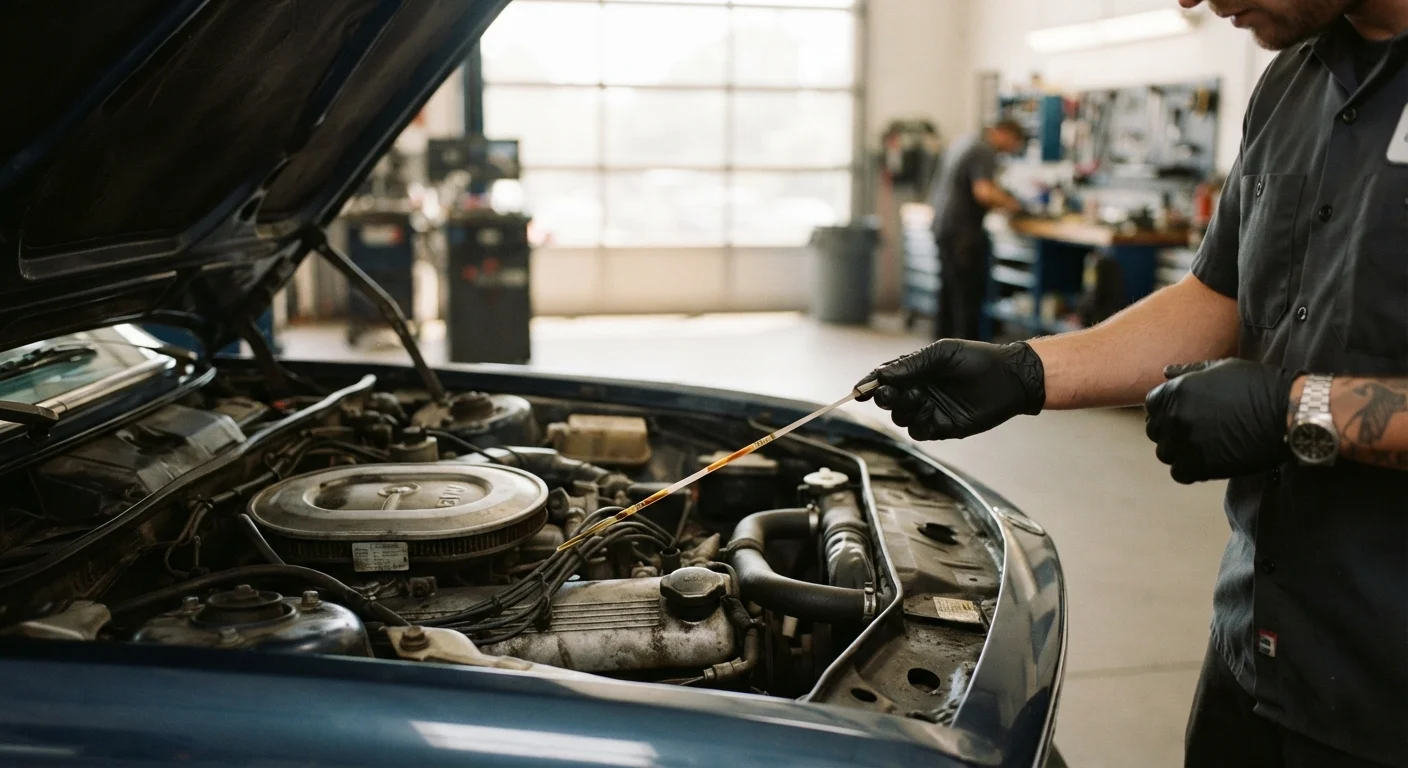
A standard brake service is not just a pad swap. A thorough inspection covers the entire system: pad thickness, rotor condition, caliper function, brake lines, and fluid level and quality. A qualified mechanic will measure rotor thickness with a micrometer and check for uneven wear patterns that could indicate a caliper or alignment issue.
Some tasks - like bleeding brake lines or replacing a caliper - require specialized tools and hydraulic knowledge. Incorrect brake work is a direct safety hazard. While visually checking pad thickness through the wheel spokes is something observant owners can do, all service and repairs should be performed or at minimum verified by a qualified technician.
If your vehicle is showing multiple symptoms at once, it's also worth reviewing other signals your car needs attention - brake issues sometimes accompany broader wear patterns worth catching early.
This article is for general informational purposes only. Always consult a qualified mechanic for diagnosis, repair decisions, and safety-critical vehicle work.