How Dashboard Warning Lights Work
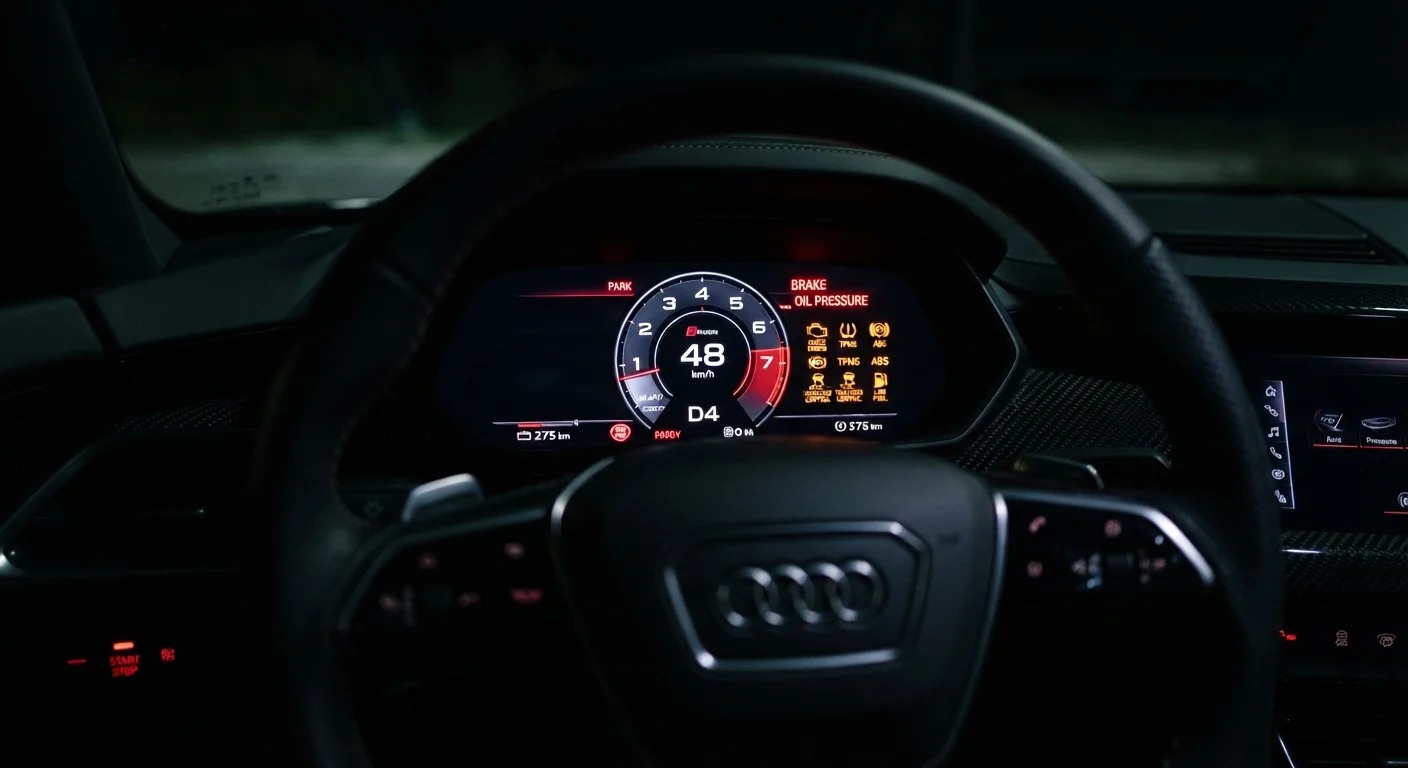
Modern vehicles use an OBD system - a network of sensors constantly monitoring engine performance, emissions, safety systems, and more. When a sensor detects a reading outside of normal range, it triggers a warning light on your instrument cluster. These lights follow a standardized color code across most vehicles sold in the U.S.:
- Red: Requires immediate attention. Stop driving if safe to do so.
- Yellow/Amber: Investigate soon. The system needs service but isn't necessarily an emergency.
- Green/Blue: Informational - confirms a system (like high beams or cruise control) is active.
Not every light looks the same across manufacturers, so your owner's manual remains the definitive reference for your specific vehicle. That said, many symbols are standardized under international norms, which means most drivers can recognize the basics across different makes and models.
| Color: Red | Stop or seek immediate service |
| Color: Amber/Yellow | Service needed soon - monitor closely |
| Color: Green/Blue | Informational - system is active |
| TPMS Required Since | 2008 (all U.S. passenger vehicles) (National Highway Traffic Safety Administration (NHTSA)) |
| Most Misunderstood Light | Check engine - triggers range from minor to serious |
| Correct Tire PSI Location | Driver's door jamb sticker (not tire sidewall) |
The Most Common Warning Lights, Decoded
Below are the warning lights drivers encounter most often, along with what they signal and how urgently you should respond.
OBD (On-Board Diagnostics)
A standardized vehicle self-diagnostic and reporting system. It monitors engine, emissions, and other systems and generates fault codes that mechanics and code readers can retrieve.
TPMS
Tire Pressure Monitoring System. A sensor-based system required on all U.S. passenger vehicles since 2008 that alerts drivers when tire pressure drops significantly below the recommended level.
Fault Code (DTC)
A Diagnostic Trouble Code stored by the OBD system when a sensor reading falls out of acceptable range. Codes help mechanics pinpoint the source of a problem rather than guessing.
Catalytic Converter
An emissions control device in your exhaust system that converts harmful combustion byproducts into less harmful gases. Engine misfires can overheat and destroy it quickly.
Alternator
A generator driven by the engine that recharges the battery and powers the vehicle's electrical systems while the engine is running. A failing alternator is a common cause of battery warning lights.
Check Engine (Amber Engine Symbol)
This is the most misunderstood light on any dashboard. It can mean something as minor as a loose gas cap or as serious as a failing catalytic converter. A steady light usually means schedule a diagnostic scan soon; a flashing check engine light typically signals an active misfire that can damage your catalytic converter - reduce speed and seek service promptly. A code reader (available at most auto parts stores) can pull the specific fault code so a mechanic can diagnose the issue accurately. See other signals your car may be sending to get the full picture.
Oil Pressure Warning (Red Oil Can Symbol)
This is one of the most serious lights you can see. Low oil pressure means your engine's internal components may not be getting adequate lubrication. Pull over safely as soon as possible and turn off the engine. Check your oil level with the dipstick before restarting. Driving with this light on risks significant - and potentially irreversible - engine damage.
Battery / Charging System (Red Battery Symbol)
Indicates the vehicle's charging system isn't maintaining proper voltage. This could point to a failing alternator, a weak battery, or a loose belt. Your vehicle may only have minutes of drivable time remaining. Head toward a service location immediately rather than running non-essential electronics.
Tire Pressure (TPMS - Yellow Horseshoe Symbol)
The TPMS light appears when one or more tires fall significantly below the recommended pressure. Check and inflate all four tires to the PSI listed on the sticker inside your driver's door jamb - not the number printed on the tire sidewall. Correct pressure improves fuel economy, handling, and tire longevity. The pre-drive safety check is a good habit for catching tire issues before they trigger a warning.
Brake Warning (Red Circle with Exclamation Point)
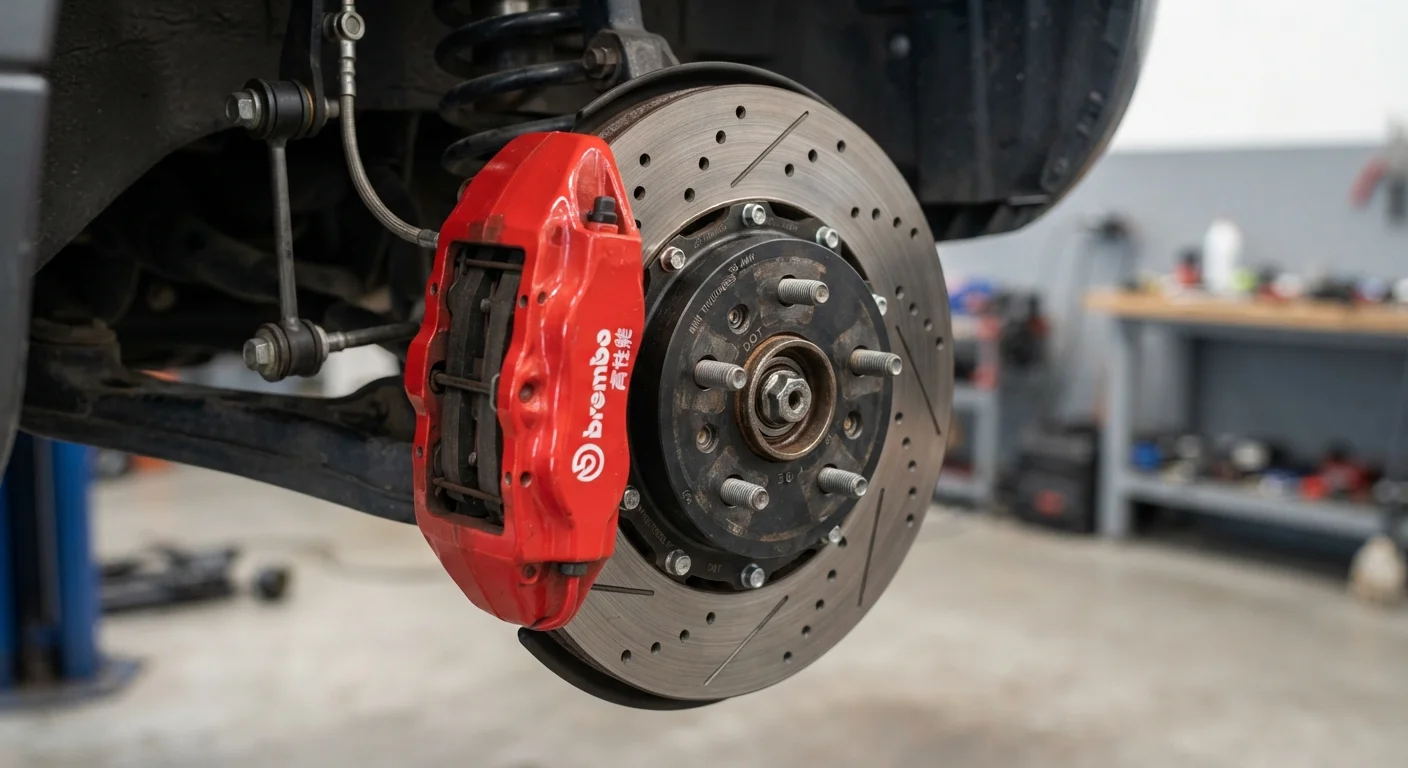
If your parking brake is released and this light is on, it may indicate low brake fluid or a fault in the brake system - both are safety-critical. Do not ignore this light. For a deeper understanding of why brakes fail, see how your brake system works.
Temperature Warning (Red Thermometer in Liquid)
Your engine is overheating. Pull over safely, turn off the engine, and do not open the radiator cap while the engine is hot - steam and coolant under pressure can cause burns. Allow the engine to cool before checking coolant levels, and contact a mechanic.
When to Act Immediately vs. Schedule a Visit
Act immediately (pull over or stop driving): oil pressure warning, temperature warning, brake warning (with parking brake off), or a flashing check engine light.
Schedule service within a few days: steady check engine light, TPMS warning, battery light in most conditions.
When in doubt, err on the side of caution. A diagnostic appointment is far less expensive than a seized engine or a brake failure. Keep up with routine service intervals - your car's maintenance schedule explained outlines exactly what needs attention and when. You can also find a broader look at common lights in our dashboard warning lights reference guide.