The Color Code: Understanding Urgency at a Glance
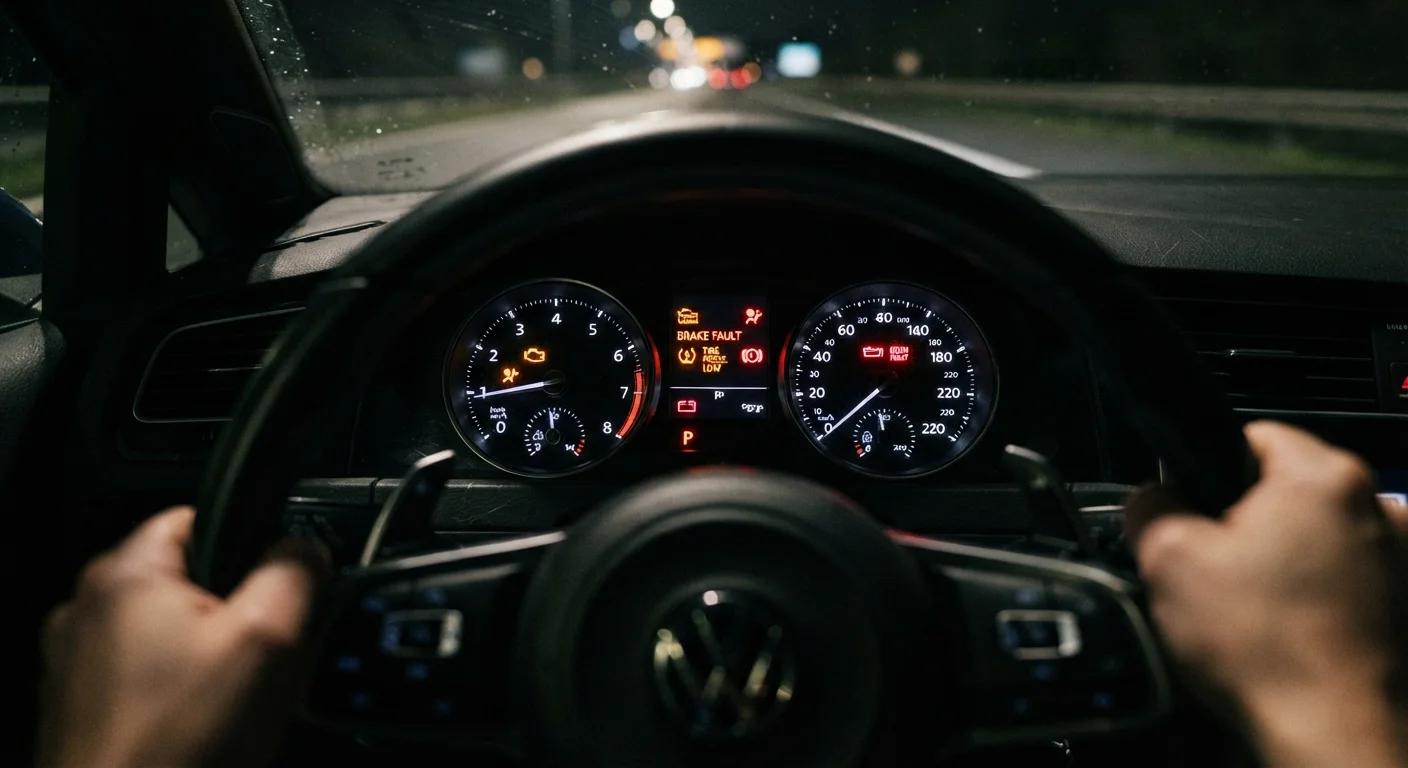
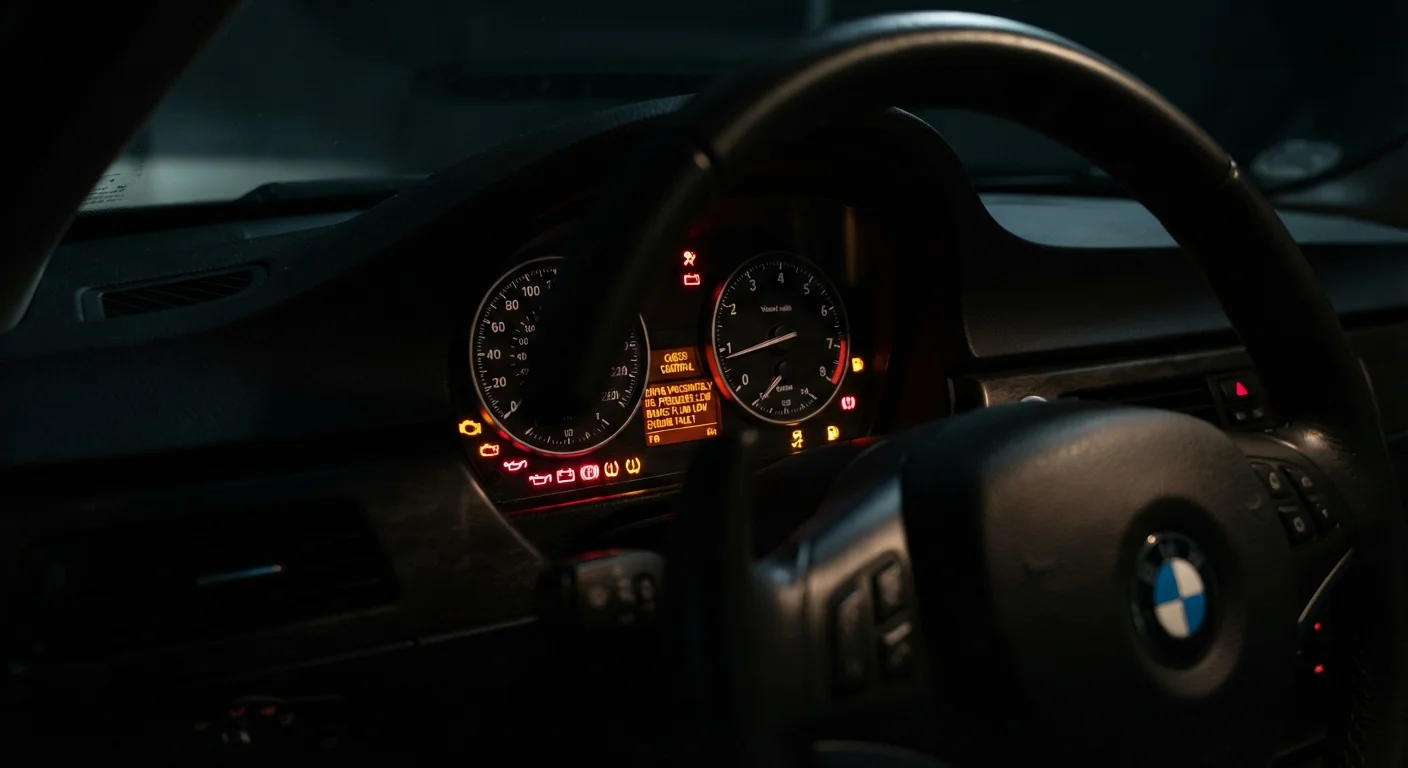
Your dashboard uses a traffic-light logic to signal how urgently you need to act. Red lights are stop-now alerts - they indicate a condition that can cause immediate engine damage, brake failure, or a safety hazard. Yellow or amber lights mean something needs attention soon but you're not in immediate danger. Green and blue lights are simply status indicators (headlights on, cruise control active) and require no action.
When any red light illuminates while driving, reduce your speed, avoid hard acceleration, and plan to pull over safely as soon as possible. Don't assume the light will reset on its own - most modern vehicles store fault codes that a mechanic can read with a diagnostic scanner even after the light clears.
For a broader look at what your maintenance intervals actually mean, see Your Car's Maintenance Schedule, Explained.
| Red light response | Pull over safely, shut off engine if instructed |
| Flashing check engine light | Indicates active misfire - reduce speed, seek service immediately |
| TPMS trigger threshold | 25% below recommended tire pressure (U.S. federal standard) (NHTSA TPMS regulations) |
| OBD-II diagnostics available since | 1996 (all U.S. passenger vehicles) (EPA mandate) |
| Free code reading | Available at many auto parts retailers |
Common Warning Lights and What They Mean
Below are the warning lights drivers encounter most often, organized by urgency.
Act Immediately (Red)
- Oil Pressure Warning (oil can icon): Oil pressure has dropped to a dangerous level. Pull over and shut off the engine. Driving even a short distance with low oil pressure can cause catastrophic engine damage. Check oil level first; if it's full, have the vehicle towed.
- Engine Temperature (thermometer in liquid): The coolant is overheating. Turn off the A/C, turn on the heater to help dissipate heat, and pull over safely. Do not open the radiator cap while the engine is hot.
- Battery / Charging System: The electrical system isn't charging properly. Your car may run briefly on battery reserve, but systems will begin shutting down. Head to a shop promptly.
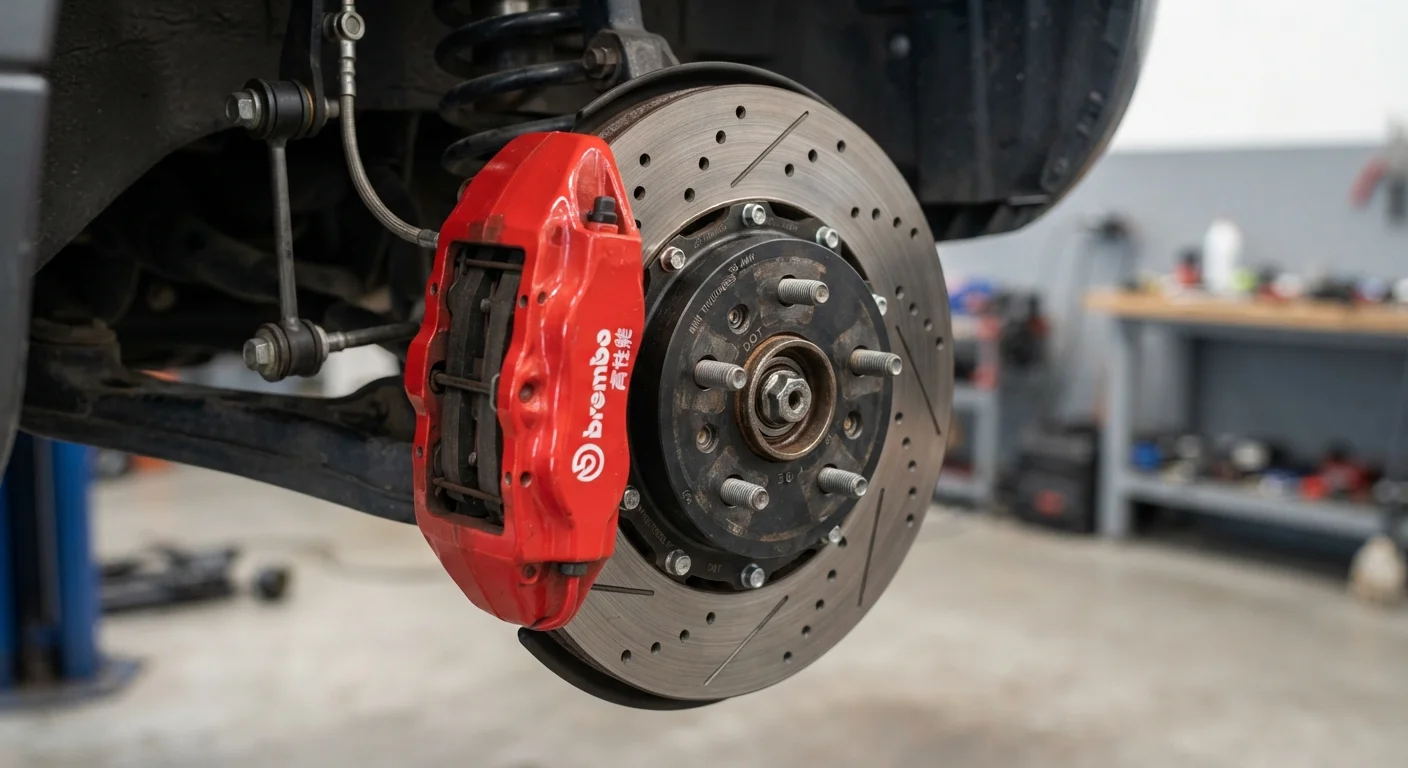
- Brake System Warning: Could indicate low brake fluid, a hydraulic fault, or engaged parking brake. If the parking brake is off and the light stays on, treat it as urgent. Learn more in our Brake System Basics guide.
Schedule a Service Soon (Amber)
- Check Engine (engine outline): A broad fault code from your vehicle's onboard diagnostics. A steady light usually means schedule service within a few days. A flashing check engine light indicates a misfire that can damage your catalytic converter - reduce speed and seek service immediately.
- Tire Pressure (TPMS - exclamation point in a tire): One or more tires is significantly underinflated or overinflated. Check and adjust pressure at your earliest opportunity. Driving on underinflated tires reduces fuel economy and can cause blowouts.
- Traction Control / Stability Control: A flashing light means the system is actively working. A solid light means it has been disabled or has a fault - have it checked if you didn't manually turn it off.
- Service Engine / Oil Life Reminder: A mileage-triggered reminder that routine maintenance is due. Not an emergency, but don't delay more than a few weeks.
OBD-II
On-Board Diagnostics, second generation - a standardized system required in all U.S. passenger vehicles since 1996 that monitors engine and emissions performance and stores fault codes readable by a scanner.
Diagnostic Trouble Code (DTC)
A alphanumeric code stored by your vehicle's computer when a sensor detects an out-of-range reading. Mechanics use these codes to pinpoint the source of a warning light.
TPMS
Tire Pressure Monitoring System - a sensor network that alerts the driver when one or more tires drops significantly below the recommended inflation level.
Catalytic Converter
An emissions control device in the exhaust system that converts harmful combustion byproducts into less harmful gases. Engine misfires can overheat and permanently damage it.
Traction Control System (TCS)
A safety system that limits wheel spin during acceleration on slippery surfaces by reducing engine power or applying individual brakes.
If your car is showing other symptoms alongside any warning light - unusual sounds, smells, or vibrations - read Signals Your Car Needs Attention Before It Breaks Down for additional context.
What to Do When a Light Comes On
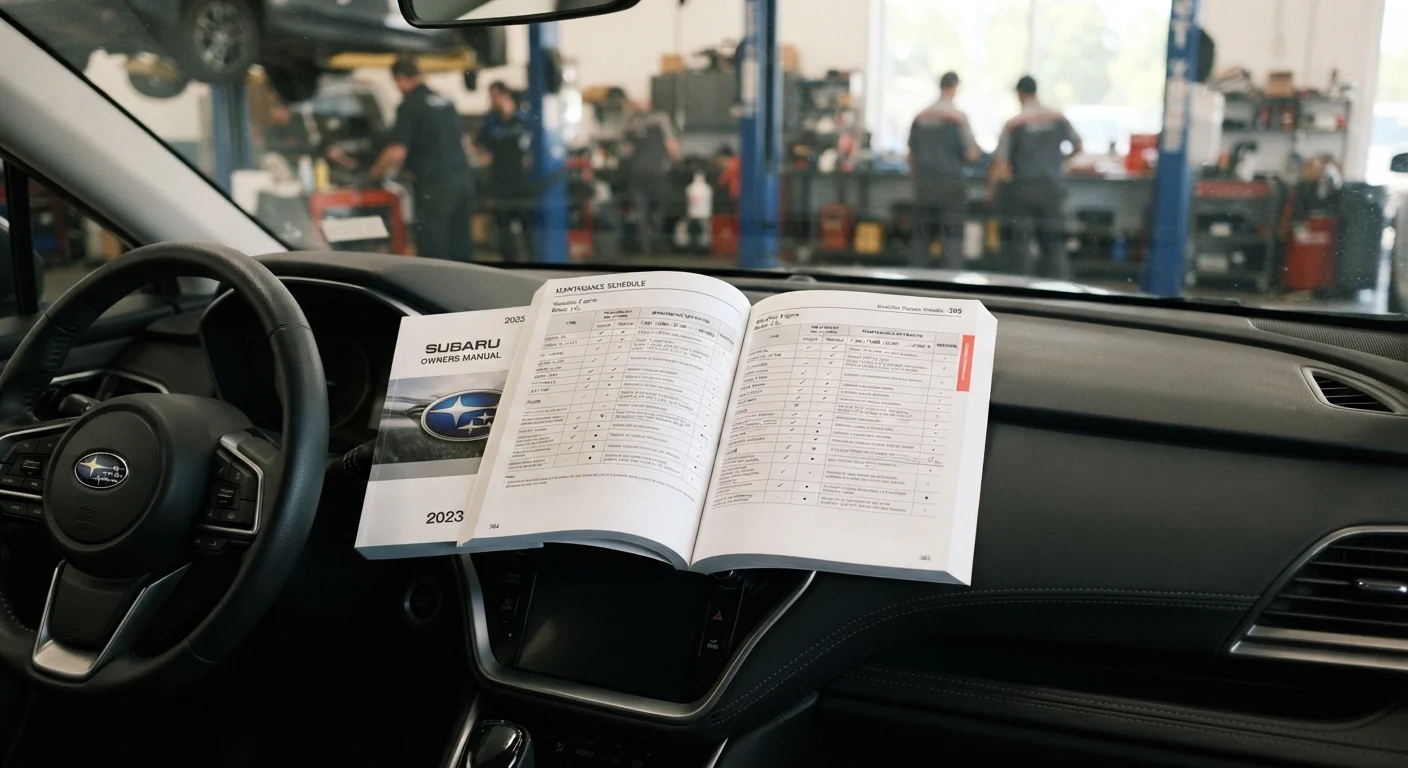
The safest first step is always to check your owner's manual - the symbols and their specific meanings can vary slightly by manufacturer. If you don't have the manual, most automakers provide digital versions on their websites.
For any light you're unsure about, a basic OBD-II scanner (available at most auto parts stores for loan or purchase) can pull diagnostic trouble codes and give you more context before you visit a mechanic. Many auto parts retailers will also read codes for free at the counter.
Keep a simple rule of thumb: red means stop, yellow means schedule, green means go. When in doubt, a qualified mechanic can diagnose the fault code quickly - catching a minor sensor issue early is nearly always less expensive than repairing the damage that comes from ignoring it.
This article provides general educational information about vehicle warning indicators. For diagnosis and repair of your specific vehicle, consult a qualified mechanic or your vehicle's manufacturer documentation.