Why the Distinction Matters
Walk into any hardware store and you'll find an entire aisle dedicated to draft and air-leak products. Caulk and weatherstripping often sit side by side, and they share the same goal - stopping unwanted airflow - but they're engineered for fundamentally different situations. Using the wrong one doesn't just mean a product that fails sooner; it can actually make your sealing effort less effective from day one.
According to the U.S. Department of Energy, air leaks around windows, doors, and other openings can account for a significant portion of a home's heating and cooling losses. For first-time homeowners, understanding which tool addresses which type of opening is the starting point for any serious energy-efficiency effort. If you're still building familiarity with home maintenance vocabulary, see our plain-language guide to home maintenance terms before diving in.
| Criterion | Caulk | Weatherstripping |
|---|---|---|
| Best application | Stationary gaps and fixed joints | Moving parts - doors and operable windows |
| Material form | Paste that cures to a flexible solid | Strip or gasket (foam, rubber, vinyl, metal) |
| Typical lifespan | 5-10 years when properly applied | 1-5 years depending on material type |
| DIY difficulty | Low - caulk gun and steady hand | Low - peel-and-stick or screw-on options |
| Withstands repeated movement | No - will crack if applied to moving parts | Yes - engineered to compress and rebound |
| Paintable | Yes (latex/acrylic types) | Generally no |
| Cost range (typical) | Low per tube | Low to moderate per door or window |
When to Reach for Caulk
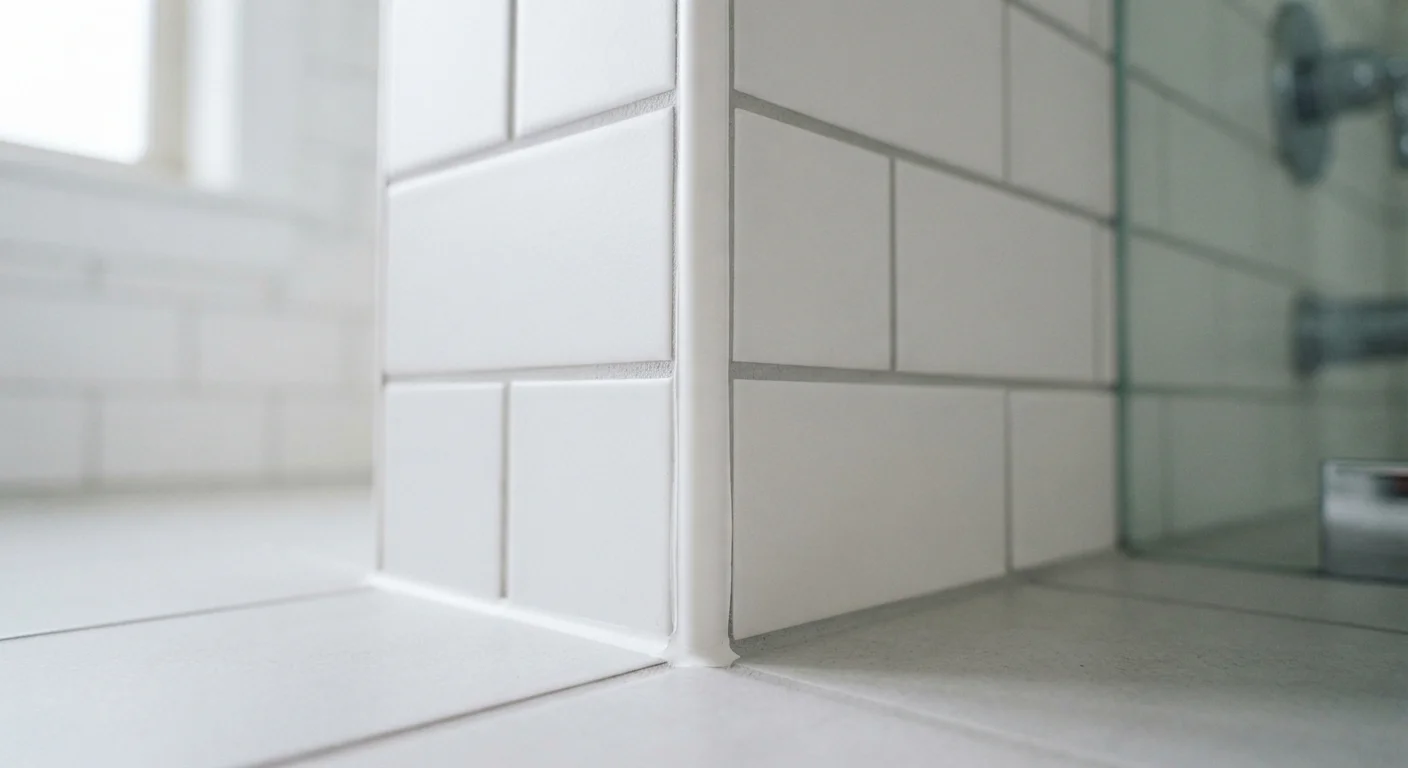
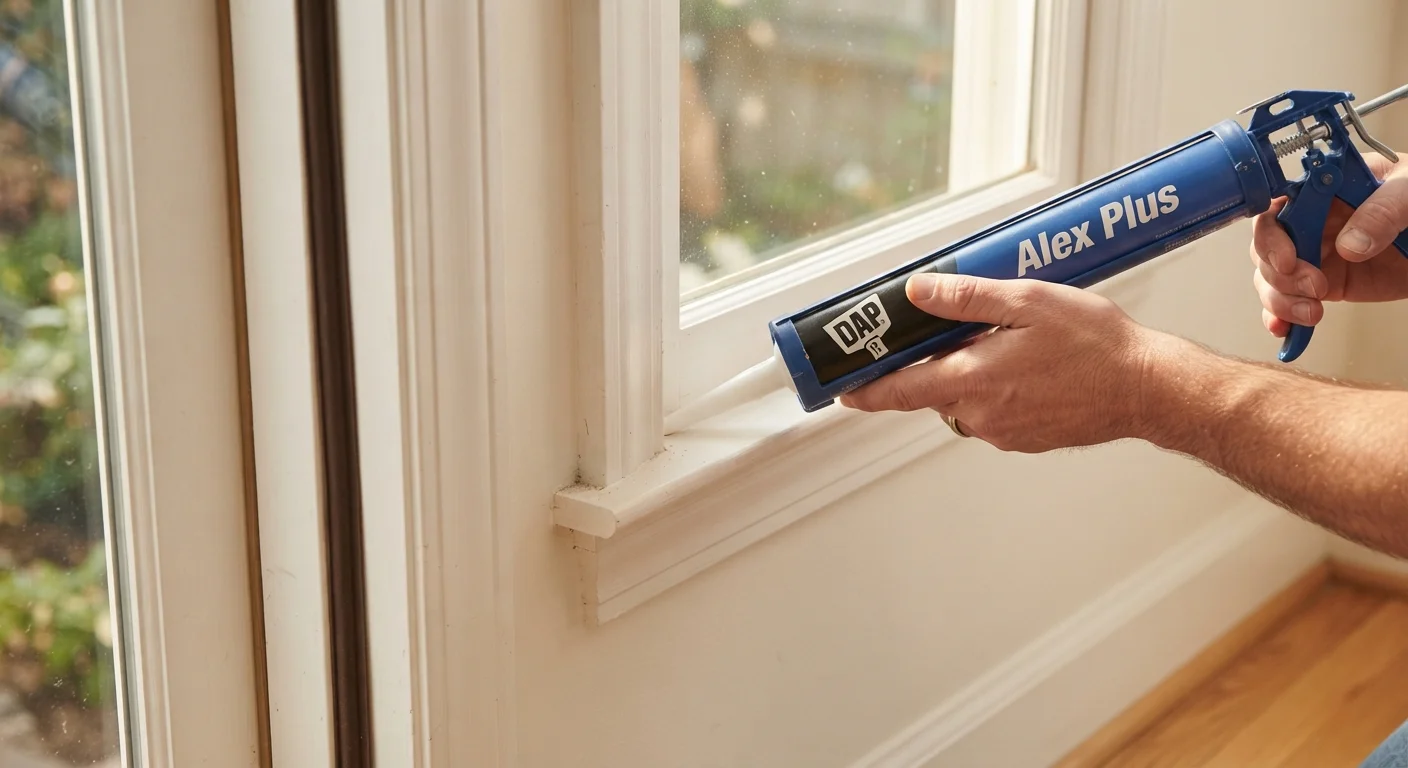
Caulk is a sealant applied as a paste that cures into a flexible solid. It's the right choice whenever you're dealing with a stationary gap - one where two surfaces meet but neither surface moves. Common applications include:
- The joint between a window or door frame and the surrounding siding or interior trim
- Gaps where baseboards meet the floor or wall
- Penetrations through exterior walls for pipes, wires, or vents
- Cracks in exterior siding or around masonry
Silicone-based caulk handles outdoor exposure and moisture well, while latex (acrylic) caulk is easier to paint over for interior trim work. Always clean and dry the surface before applying, and use a steady, consistent bead - thin and even beats thick and lumpy every time. For comparison on when caulk overlaps with other sealant types, our caulk vs. grout breakdown covers joint-specific decisions in detail.
Up to 30%
Home energy lost through air leaks
The U.S. Department of Energy estimates that air infiltration through gaps, cracks, and openings can account for up to 30% of a home's heating and cooling energy use.
5-10 years
Expected lifespan of quality caulk
Properly applied exterior-grade silicone caulk can remain effective for five to ten years before needing inspection or reapplication.
When Weatherstripping Is the Right Call
Weatherstripping is a physical gasket or strip - made from foam, rubber, vinyl, or metal - that compresses when a door or window closes, then springs back when it opens. Because it's designed to flex repeatedly, it holds up to the constant movement that would quickly crack or dislodge a caulked seal.
Apply weatherstripping to:
- The top and sides of exterior door frames (the door stop area)
- The bottom of exterior doors, using a door sweep or threshold seal
- Double-hung or casement windows that open and close seasonally
The material you choose affects longevity and performance. Foam tape is inexpensive and easy to install but typically lasts only one to three years. V-strip (tension seal) and reinforced rubber options cost a bit more but hold up significantly longer. Check the fit by closing the door on a strip of paper - if you can pull it out easily, the weatherstripping isn't making a tight enough contact.
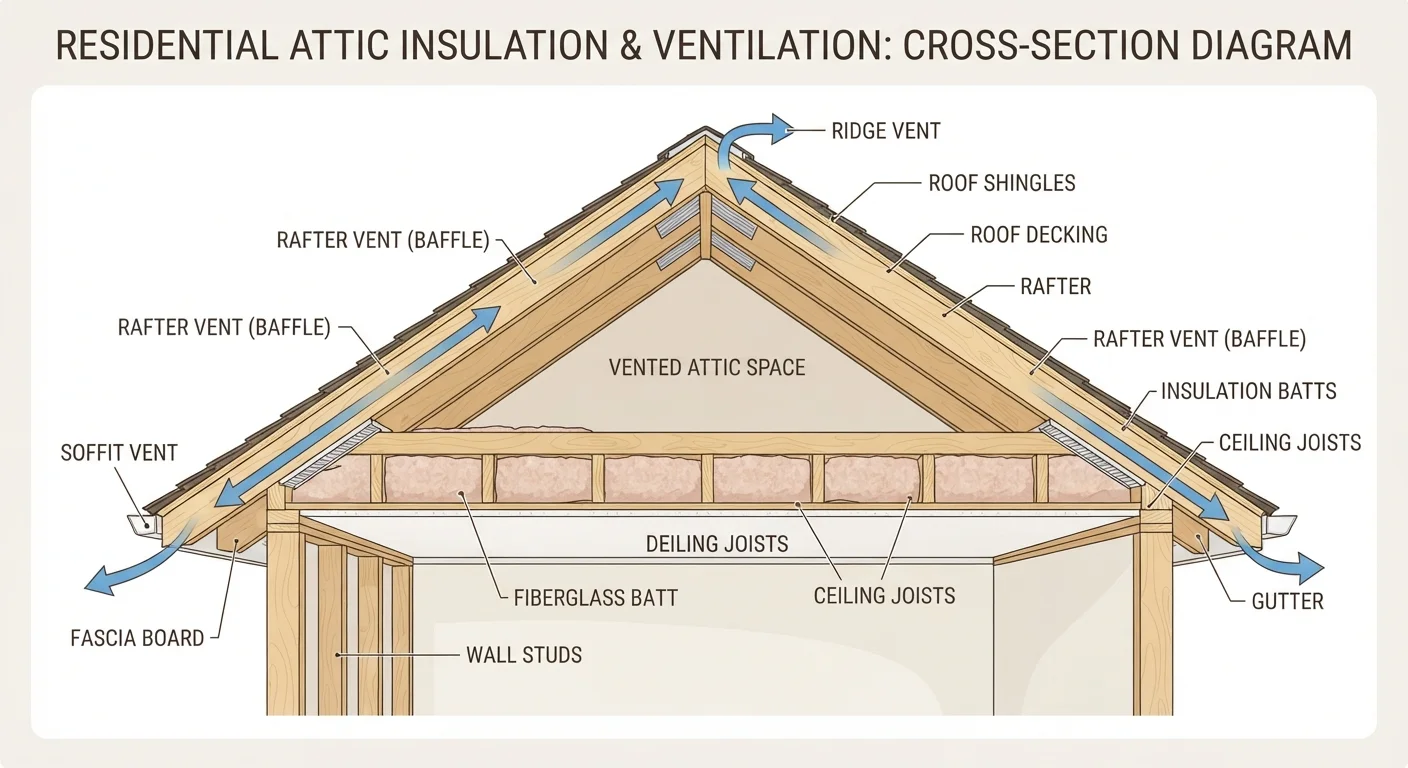
A well-sealed building envelope works hand in hand with good attic insulation. See our guide on attic insulation and ventilation to understand how these systems interact.
Using Both Together: A Whole-Home Approach
The most effective approach treats caulk and weatherstripping as partners, not competitors. A thorough seasonal audit - ideally in early fall before heating season - should include both:
- Inspect all fixed joints around window and door frames, siding, and utility penetrations. Re-caulk anywhere you see cracking, shrinkage, or gaps daylight passes through.
- Test all operable doors and windows for draft. Replace worn weatherstripping and add a door sweep if one is missing or damaged.
This kind of systematic air sealing is one of the most accessible and cost-effective home maintenance tasks available. It requires no special licensing, produces visible results, and directly reduces energy costs. If you're building a broader seasonal maintenance routine, our gutter inspection guide covers another important fall checklist item. A little time spent sealing now typically pays back in comfort and lower utility bills across the heating and cooling seasons ahead.
When to Call a Professional
Most caulking and weatherstripping is well within DIY range. However, if you're finding large gaps around structural elements, damaged framing around door or window rough openings, or signs of moisture intrusion or rot, those are conditions that warrant a licensed contractor's assessment. Air sealing work that involves spray foam in wall cavities or around electrical penetrations should also follow manufacturer safety guidelines and local code requirements.