
Why Your Lodging Choice Shapes the Whole Trip
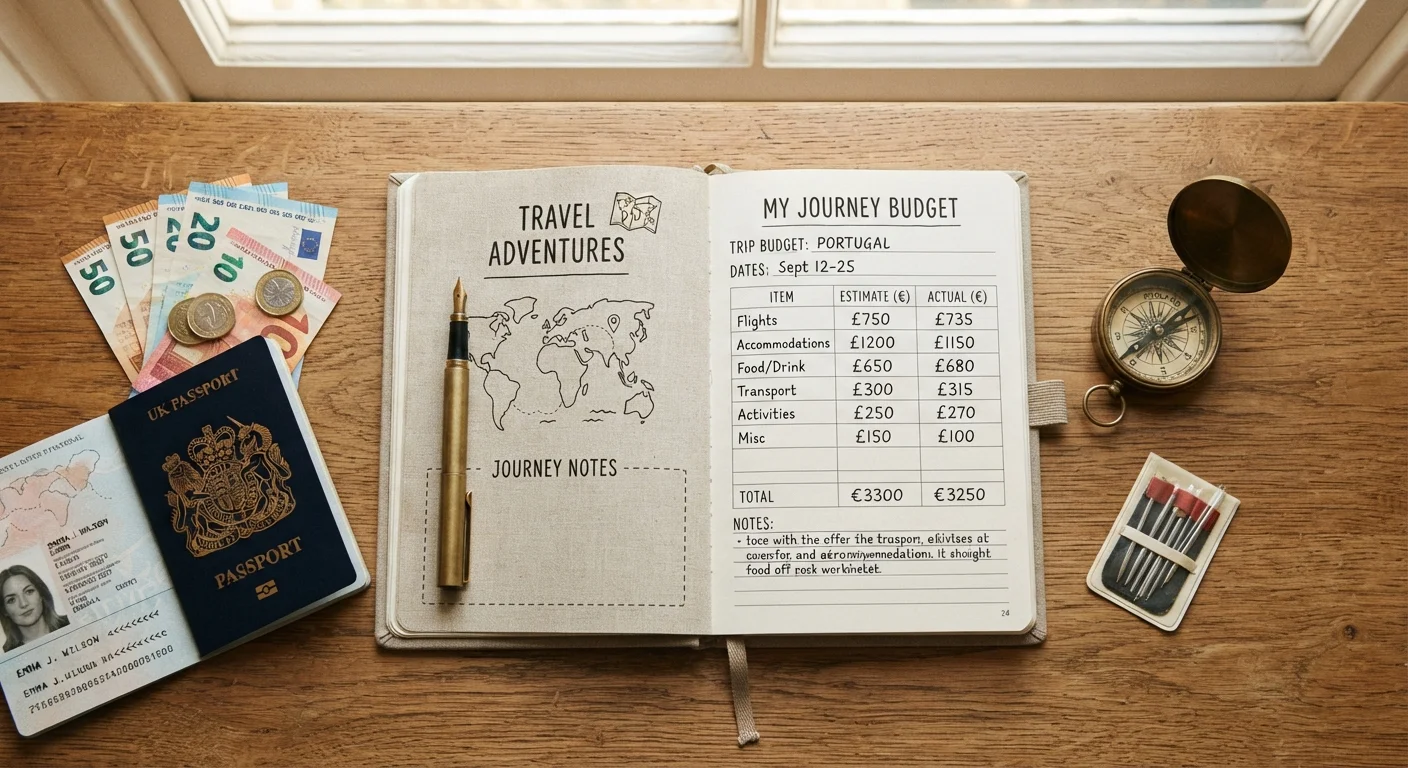
Accommodation is usually the second-largest line item in any travel budget — and unlike airfare, it directly affects your daily experience. Where you sleep determines how far you are from key areas, how much you cook versus dine out, how well you rest, and what social dynamics your trip has. Before you book anything, it helps to understand what each type of lodging actually delivers. For a broader look at how lodging fits into your overall financial planning, see spending categories every travel budget should include.
The comparison below covers the four most common lodging categories, along with a few hybrid options that fall between them.
Hotels: Predictable, Serviced, and Priced for Convenience
Hotels operate on a simple promise: a clean, furnished room with daily housekeeping, front-desk support, and consistent standards. That predictability has real value — especially on shorter trips, in unfamiliar cities, or when you're traveling for work and need reliable Wi-Fi and a workspace.
The trade-off is cost. Hotels typically charge per room per night with no reduction for staying longer, and amenity fees (parking, resort fees, breakfast) can add meaningfully to the headline rate. You're also confined to a single room, which becomes limiting for families or groups.
Chain hotels offer brand-level consistency across markets. Independent hotels vary more — some are excellent, some aren't, and reviews matter more. Either way, hotels work best for short stays where convenience outweighs cost.
Check Total Cost, Not Just the Nightly Rate
Hotel rates often exclude taxes, parking, and resort fees that can add 20–30% to the final bill. Short-term rentals frequently add cleaning fees and service charges at checkout. When comparing options, calculate the full stay cost — including all fees — rather than the advertised per-night price. This single step prevents most sticker-shock surprises at checkout.
Short-Term Rentals: Space and Value for Longer Stays
Short-term rentals — furnished apartments or homes booked through various platforms — are generally most cost-effective when you're staying a week or more, traveling with a group, or want to cook your own meals. You're paying for space: a full kitchen, separate bedrooms, and a living area dramatically change the feel of a trip.
The downside is variability. Unlike hotels, each rental is unique, and the listing photos don't always match reality. Cleaning fees, service charges, and house rules (no early check-in, strict quiet hours) can create friction that hotels quietly absorb. You're also self-managing: no front desk, no one to call if the hot water stops.
For trips where you'll be cooking, working remotely, or hosting several people in a shared space, rentals often deliver more value per dollar than comparable hotel options. This logic is explored further in the trade-offs behind every budget travel decision.
Hostels, Guesthouses, and Boutique Options
Hostels offer the lowest nightly rates by putting multiple travelers in shared dormitory rooms. The savings are real, but so are the compromises: limited privacy, shared bathrooms, and varying noise levels. Quality varies widely — newer, design-focused hostels in major cities often have private rooms and social spaces that rival budget hotels. For solo travelers on tight budgets, a well-rated hostel can be genuinely good.
Guesthouses and bed-and-breakfasts sit between hostels and hotels. They're typically family-run, include breakfast (sometimes), and offer a more personal experience than a chain hotel at a lower price point. The tradeoff is fewer amenities and less consistency.
Boutique hotels are independently operated hotels that compete on character rather than scale. They often cost similarly to name-brand hotels but feel more distinct. They don't always have pools or gyms, but they typically have a stronger sense of place.
| Hotel | Short-Term Rental | Hostel | Guesthouse / Boutique | |
|---|---|---|---|---|
| Typical cost level | Moderate–High | Low–Moderate (per person) | Low | Moderate |
| Privacy | High (private room) | High (entire unit) | Low (shared dorm) | Moderate–High |
| Kitchen access | Rarely | Usually yes | Shared kitchen sometimes | Rarely |
| Best stay length | 1–4 nights | 5+ nights | Any, best short | 2–5 nights |
| Consistency of experience | High (chains) | Variable by listing | Variable by property | Moderate |
| Best group size | 1–2 travelers | 3+ travelers | Solo travelers | 1–2 travelers |
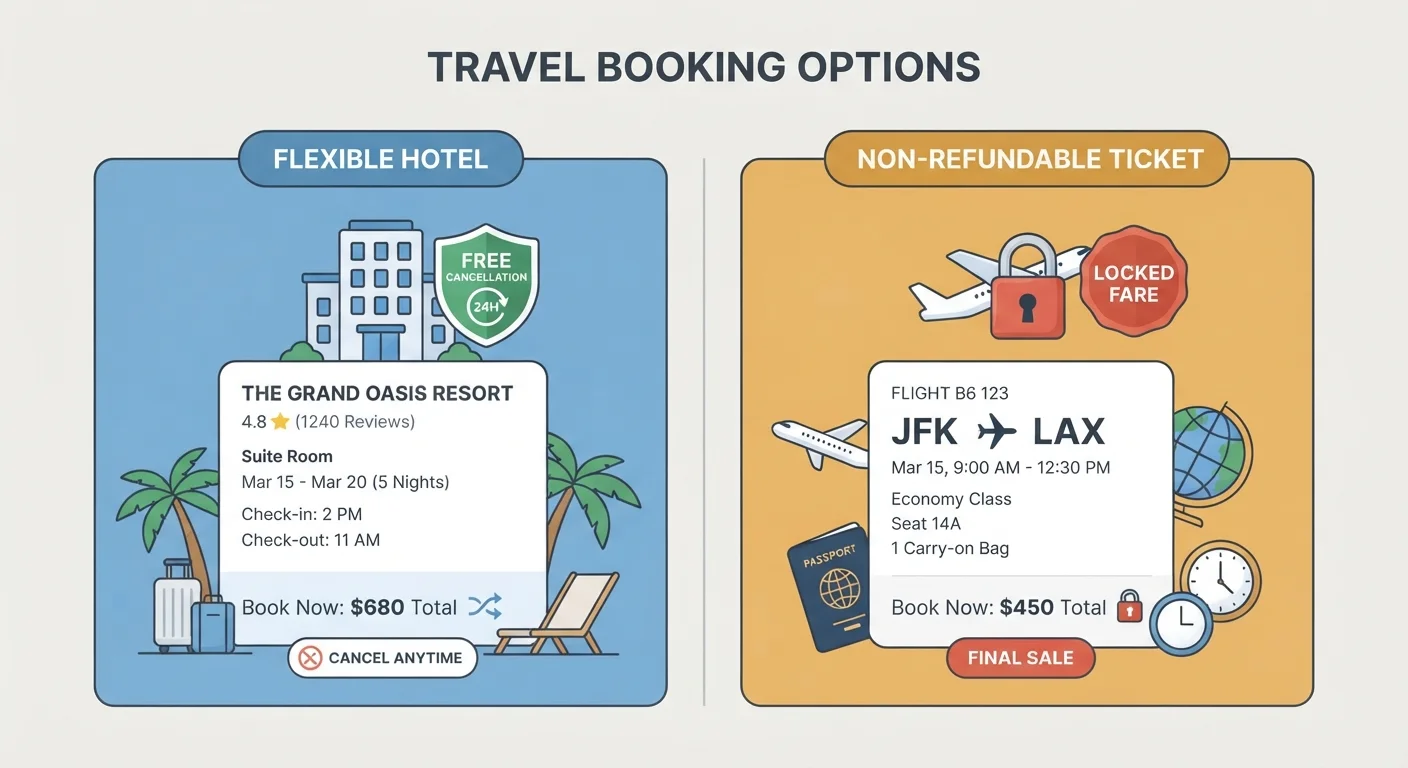
Understanding how these options interact with your booking flexibility matters too — see flexible vs. non-refundable booking rates for how refund policies vary by property type.
Matching Lodging Type to Trip Context
No lodging type is universally right. The framework that tends to hold across most trips is simple:
- Short stays (1–3 nights): Hotels — simplest logistics, no check-in complexity.
- Longer stays or group travel: Rentals — lower per-person cost, kitchen access reduces food spend.
- Budget-focused solo travel: Hostels — especially in cities with strong hostel culture.
- Travelers wanting local texture: Guesthouses or boutique hotels bridge service and character.
It's also worth noting that mixing types across a single trip is reasonable — some travelers stay in a city hotel for a night or two, then shift to a rental for a week-long base. For a full framework on how lodging fits into trip structure, see the anatomy of a well-planned trip.
This article provides general travel information for educational purposes. Prices, availability, and property quality vary significantly by location and season. Always verify current rates and property details directly before booking.