
The Fiber Gap Is Real - and Surprisingly Wide
Despite decades of public health messaging around eating more fruits and vegetables, dietary fiber remains one of the most underconsumed nutrients in the American diet. Data from the DGA advisory committees consistently show that average daily fiber intake hovers around 15 grams - roughly half of what most adults need. That shortfall has real implications, not just for digestion but for broader health markers that accumulate over years.
Part of the challenge is that the modern food supply skews heavily toward refined and processed options, which have much of their natural fiber removed during manufacturing. White bread, packaged snacks, and many convenience meals are calorie-dense but fiber-poor. If most of your meals come from these categories, closing the fiber gap takes intentional effort - though it doesn't require an overhaul of everything you eat.
~15g
Average daily fiber intake for U.S. adults
Dietary Guidelines Advisory Committee reports consistently find Americans average around 15 grams of fiber per day - well below the recommended range.
25-38g
Recommended daily fiber intake for adults
The Dietary Guidelines for Americans advise 25 grams per day for women and 38 grams for men, with needs varying by age and caloric intake.
~95%
Share of Americans not meeting fiber recommendations
Fiber is classified as a nutrient of public health concern in the U.S. because so few people reach recommended levels through their diet.
What Fiber Actually Does Inside Your Body
Fiber's most recognized role is keeping digestion moving, but its benefits extend well beyond the bathroom. Soluble fiber - found in oats, beans, and apples - slows the absorption of sugar into the bloodstream, which helps moderate blood glucose spikes after meals. This effect is why high-fiber diets are frequently discussed in the context of blood sugar management and metabolic health.
Soluble fiber also binds to bile acids in the digestive tract. Since the body uses cholesterol to make more bile acids as a result, this process can contribute to lower LDL cholesterol levels over time - a mechanism supported by research reviewed by institutions including the NIH. Meanwhile, insoluble fiber - abundant in whole wheat, vegetables, and nuts - bulks up stool and promotes regularity, reducing the likelihood of constipation.
There's also growing interest in fiber's role in supporting a healthy gut microbiome. Certain fibers act as food for beneficial gut bacteria, which produce compounds called short-chain fatty acids that may support the gut lining and reduce inflammation. This is an active area of research, and while results are promising, it's an evolving field rather than settled science.
“Dietary fiber is one of the most studied components of a healthy eating pattern. The evidence connecting higher fiber intake to lower risks of cardiovascular disease, type 2 diabetes, and certain digestive conditions is among the most consistent in nutrition research.”
— Joanne Slavin, Professor of Food Science and Nutrition, University of Minnesota, and member of multiple dietary fiber research panels
Reliable Food Sources Worth Adding to Your Routine
The good news is that high-fiber foods are widely available and often inexpensive. Legumes - including lentils, black beans, and chickpeas - are among the most fiber-dense foods you can eat, delivering 6 to 9 grams per half-cup cooked serving. Whole grains like oats, barley, and whole wheat bread provide a steady baseline across meals. Fruits such as pears, raspberries, and apples (with the skin on) contribute meaningfully, as do vegetables like broccoli, Brussels sprouts, and carrots.
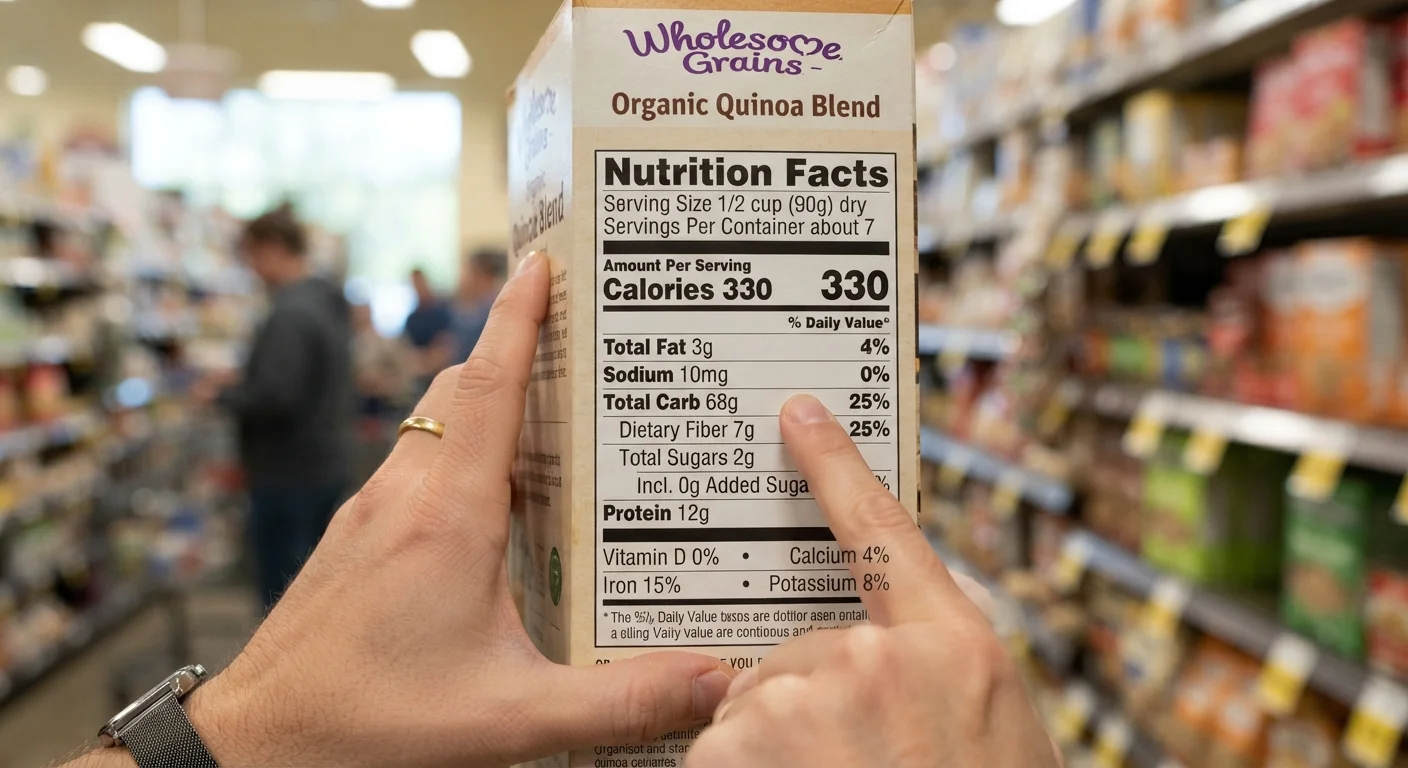
When comparing products at the store, the fiber line on a nutrition label is a useful reference point. If you want a refresher on how to read that label efficiently, see our guide to reading nutrition labels for a practical breakdown. A food providing 5 grams or more of fiber per serving is generally considered a high-fiber source; 2 to 4 grams qualifies as a good source.
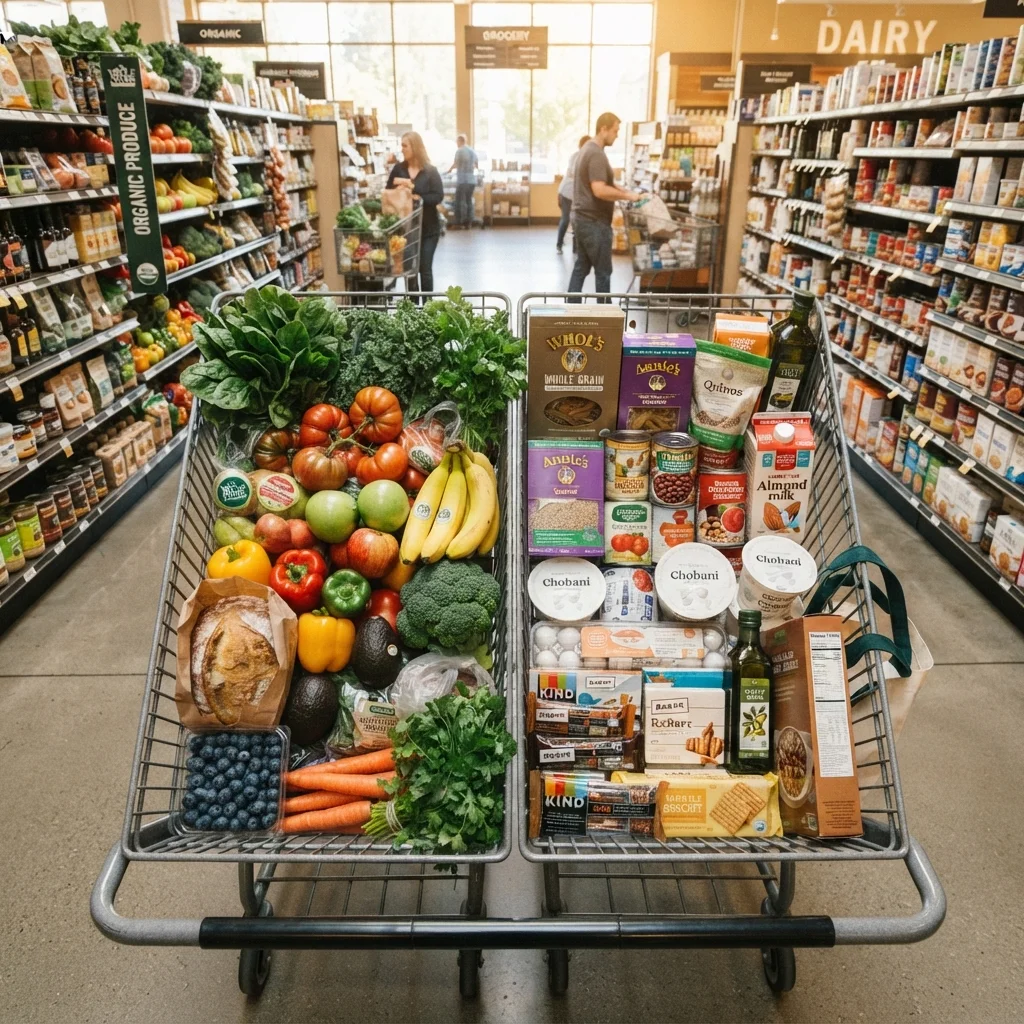
It's also worth knowing that fiber intake patterns often reflect broader dietary choices. Our piece on grocery habits and health goals explores how routine shopping decisions can quietly work against nutrition intentions - and how small adjustments compound over time.
Practical Ways to Increase Fiber Without Discomfort
One common reason people abandon fiber-boosting efforts is the digestive discomfort that can follow a sudden increase - bloating, gas, and cramping that feel worse than doing nothing. The key is a gradual approach: adding one or two fiber-rich foods per week rather than overhauling your diet overnight. Your gut bacteria need time to adjust to the increased fermentable material, and rushing that process typically backfires.
Adequate hydration is equally important. Fiber absorbs water as it moves through the digestive tract, and without enough fluid intake, it can paradoxically worsen constipation rather than relieve it. Pairing fiber increases with consistent water intake across the day makes a real difference in how well your body handles the transition.
Some people find it easiest to start with breakfast - swapping refined cereal for oats, or adding berries and ground flaxseed to yogurt. Others make progress by building legumes into dinner a few nights a week. Neither strategy is superior; consistency matters more than the specific entry point. For a broader look at how popular eating patterns handle fiber and other nutrients, the nutritional trade-offs of popular eating patterns is worth a read.
This article is for general informational purposes only and does not constitute medical or nutritional advice. Please consult a qualified healthcare provider or registered dietitian for guidance specific to your health needs.