Why Budget and Nutrition Don't Have to Fight Each Other
There's a persistent idea that eating well is a luxury - that whole, nourishing food is reserved for people with extra money and time. The evidence doesn't support that. Research consistently shows that strategic shopping and basic cooking skills can deliver nutritionally dense meals well within a tight budget. The challenge isn't access to information; it's knowing which strategies actually hold up in a real kitchen, not just on paper.
This article offers practical, evidence-informed approaches for everyday eating - no special credentials required. For a deeper look at how food choices connect to broader spending patterns, see our guide on household budget drains.
This article is for general informational and educational purposes only. It is not a substitute for personalized nutrition or medical advice. Consult a qualified healthcare professional for guidance specific to your health needs.
The Core Practices: What Actually Works
The following approaches are grounded in nutrition science and practical home economics. They're flexible enough to adapt to different tastes, family sizes, and schedules.
Build meals around plant-based proteins as your default, not your backup.
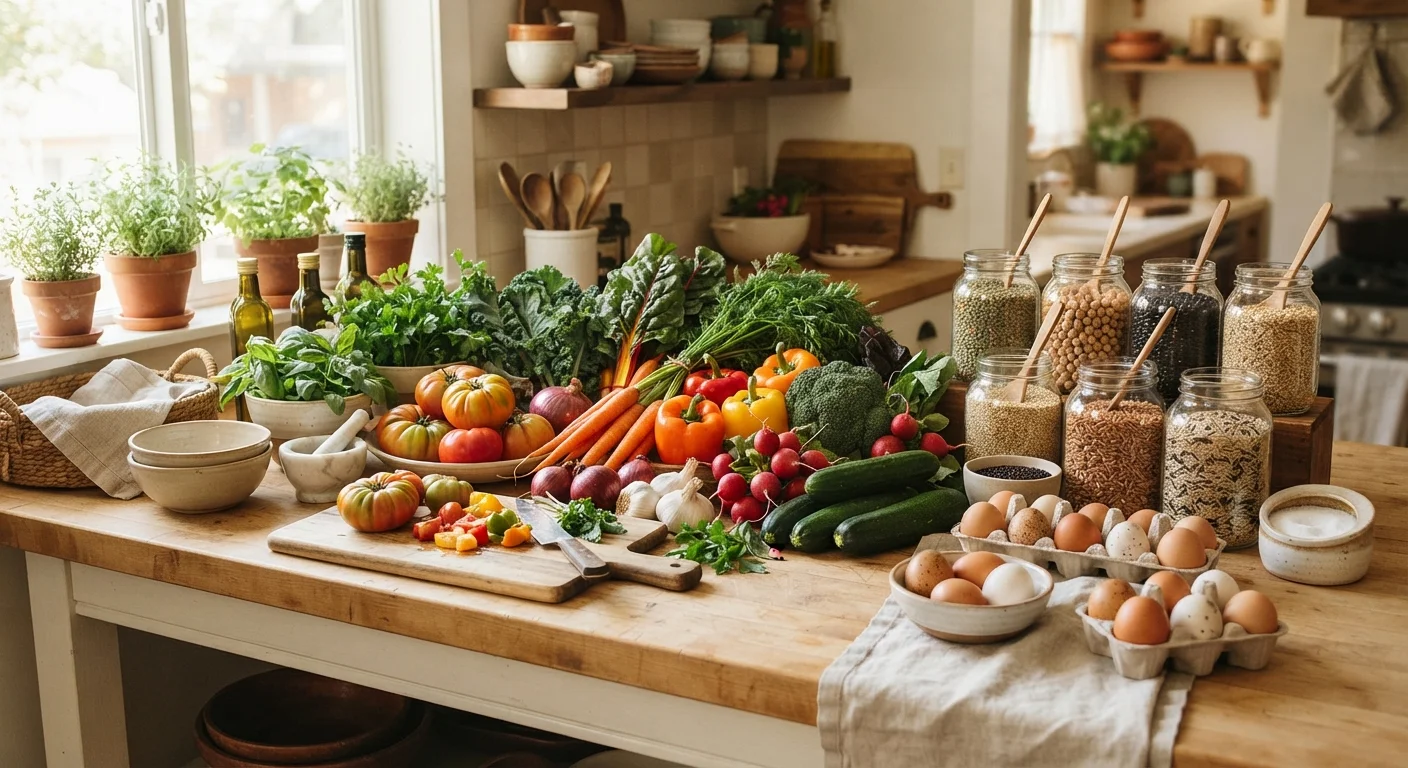
Lentils, chickpeas, black beans, and eggs are among the most nutrient-dense foods available per dollar spent. They provide protein, fiber, and key micronutrients that support satiety and overall health. Shifting even two or three weekly meals toward these ingredients can substantially lower food costs without reducing nutritional quality.
Treat frozen and canned produce as nutritional equals to fresh, not consolation options.
Fruits and vegetables are typically frozen or canned at peak ripeness, preserving most of their vitamins and minerals. Studies published in nutrition journals have found that frozen produce often retains comparable or higher levels of certain nutrients versus fresh produce that has been stored and transported. Choosing frozen spinach, peas, or mixed vegetables reliably costs less and reduces spoilage.
Plan your weekly meals before you shop, not during.
Meal planning reduces impulse purchases, prevents food waste from unused ingredients, and allows you to build a shopping list that's both intentional and efficient. The USDA estimates that American households waste roughly 30-40% of the food supply, much of it traceable to unplanned purchasing. A simple weekly plan - even just dinners - creates structure that makes every dollar go further.
Buy shelf-stable staples in bulk when your budget allows.
Whole grains (oats, brown rice, barley), dried legumes, and canned goods have long shelf lives and low per-serving costs when bought in larger quantities. Investing in these items during a good budget week creates a pantry buffer that supports healthy eating even in tighter weeks. This approach also reduces the frequency of last-minute, expensive convenience purchases.
Cook in batches and use planned leftovers intentionally.
Batch cooking reduces the time and energy cost per meal, which lowers the temptation to order takeout on busy nights. Making a large pot of grains, a tray of roasted vegetables, or a big batch of beans at the start of the week gives you ready components that assemble into multiple different meals. This strategy also maximizes the value of ingredients that might otherwise be used once and forgotten.
If you want to see how these practices connect to a structured meal framework, our article on building a balanced plate walks through proportioning meals without rigid rules.
Quick Wins You Can Apply This Week
You don't need to overhaul your entire routine to see results. Starting with even one or two of the actions below can reduce your grocery bill and improve your nutritional baseline within days.
“The most powerful dietary changes don't require expensive foods or complicated plans. Consistent, simple habits - eating more plants, wasting less food, cooking at home - have an outsized impact on both health and household finances.”
— Walter Willett, Professor of Epidemiology and Nutrition, Harvard T.H. Chan School of Public Health
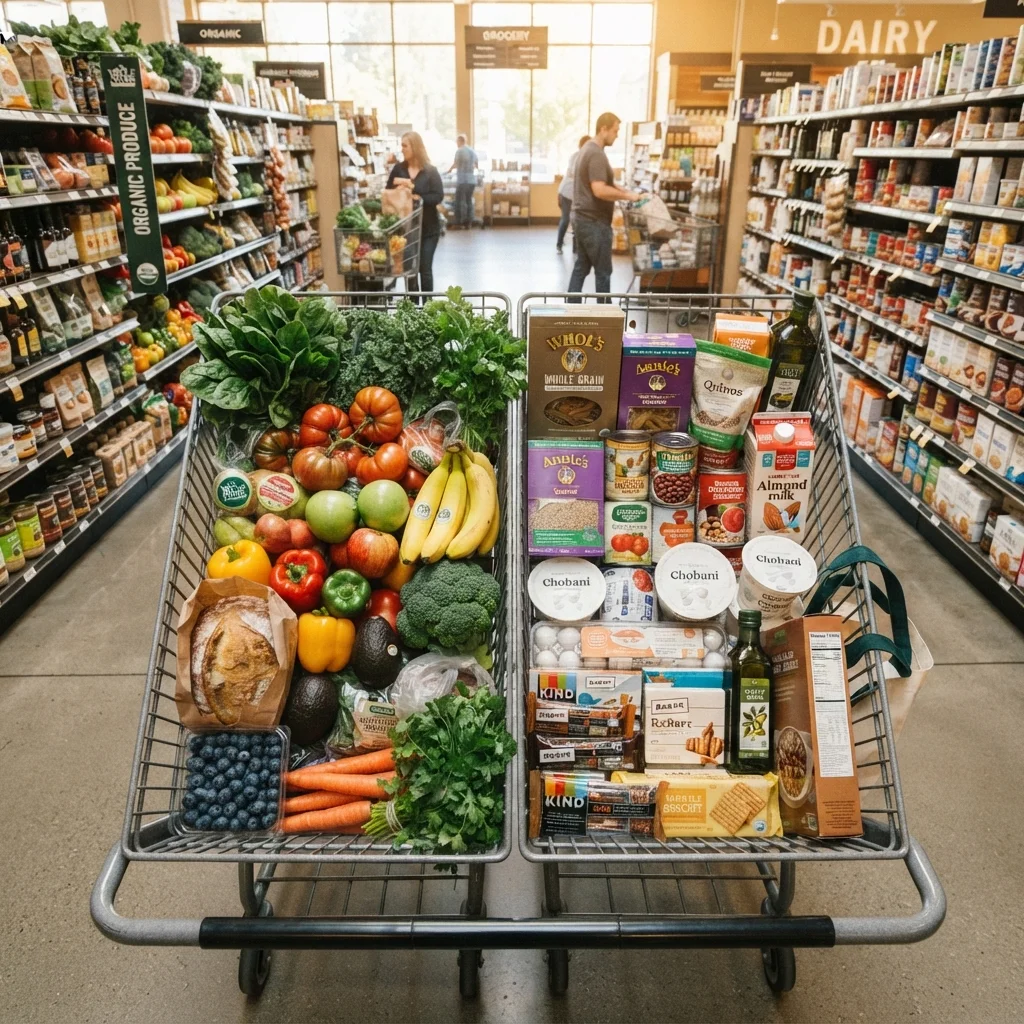
Shopping habits play a bigger role than most people realize. For more on why your cart doesn't always reflect your intentions, see why your grocery haul doesn't always match your health goals.
Understanding the Numbers Behind Budget Nutrition
Context helps. These data points illustrate why the strategies above are worth taking seriously - and why cost concerns, while real, don't have to be a barrier.
~$1,500
Estimated annual household food waste cost
The USDA estimates the average American family of four discards between $1,500 and $1,800 worth of food annually, much of it from unplanned purchases.
3x cheaper
Plant protein vs. animal protein cost
Analysis by nutrition researchers has found that legumes and plant proteins can deliver equivalent protein per serving at roughly one-third the cost of most cuts of meat.
90%+
Nutrient retention in frozen vegetables
Studies in the Journal of Food Composition and Analysis found that frozen vegetables retain over 90% of key nutrients including vitamin C and folate when properly stored.
Understanding common nutrition myths can also sharpen your grocery decisions. Our piece on persistent nutrition myths separates fact from fiction on topics like carbs and dietary fat. And if you're thinking about how food spending fits into your larger financial picture, personal budgeting fundamentals is a solid place to start.