Why Small Charges Do So Much Damage
A $4 charge here, a $12 auto-renewal there — none of it sounds alarming until you add it all up. For many young homeowners, these micro-expenses are the invisible gap between where their budget should land and where it actually does. They're easy to miss precisely because they're small, automated, and emotionally low-stakes.
The problem isn't a single latte or one streaming service. It's the accumulated weight of a dozen low-attention decisions that never get reviewed. Over time, unexamined spending leaks can erode an emergency fund, push balances onto credit cards, and quietly stall savings goals. Understanding how credit reliance builds often starts with recognizing that spending leaks are the pressure pushing people toward their credit limits in the first place.
The list below covers the most common offenders — the ones that consistently show up when people take an honest look at their statements for the first time.
Forgotten Streaming and App Subscriptions
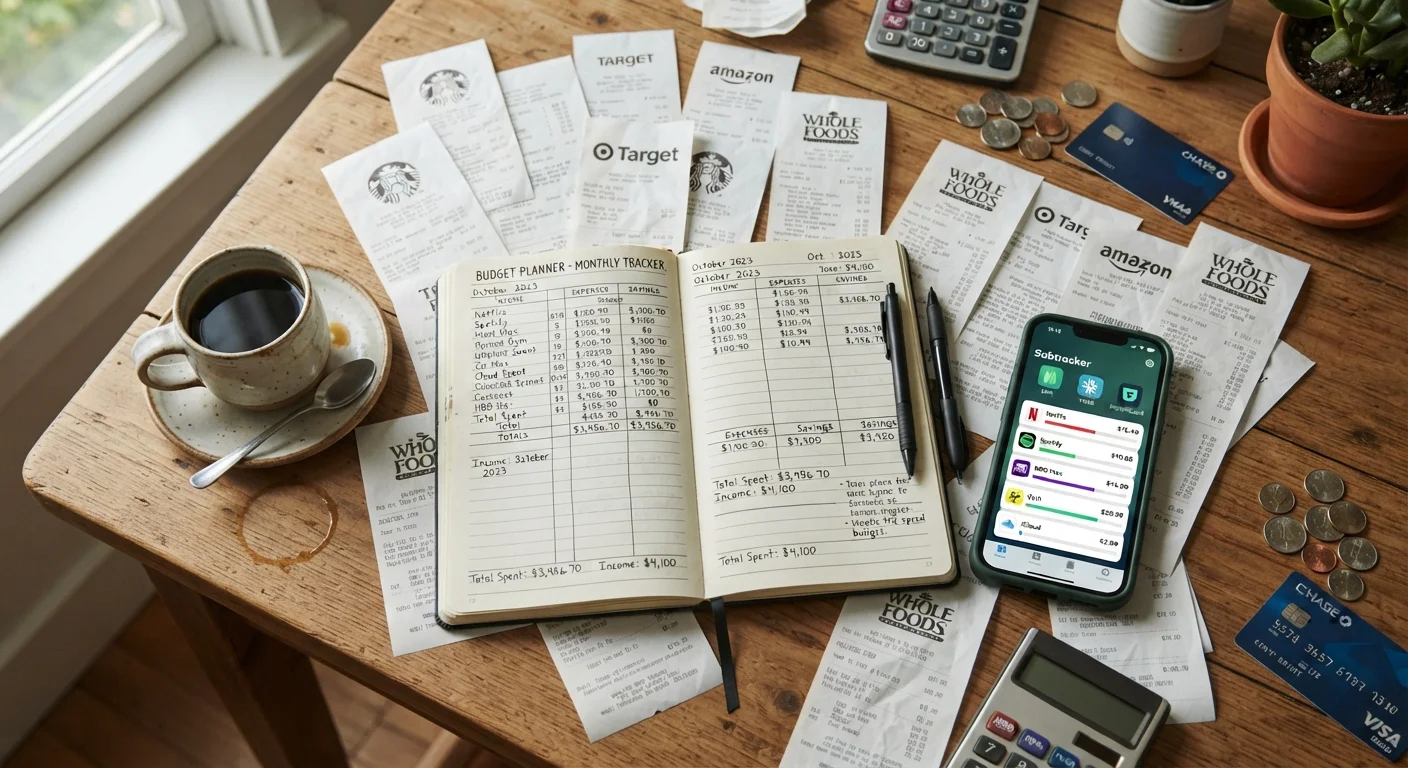
The average household carries more active subscriptions than it realizes. Free trials that converted to paid plans, apps downloaded once and never opened again, and duplicate services (two music platforms, two cloud storage tiers) are the most common culprits. Each charge is small enough to scroll past on a statement but meaningful in aggregate.
A straightforward fix: search your email inbox for the words "subscription," "receipt," and "renewal" to surface every service you've signed up for. Cancel anything you haven't used in the past 30 days.
Free trials that converted silently are among the easiest money to recover in any household budget.
Convenience and Delivery Fees
Food delivery apps, same-day shipping upgrades, and on-demand services all layer fees on top of the purchase price: service fees, delivery fees, small-order fees, and tips that default to higher percentages. A $15 meal can become a $25 transaction before you notice.
These fees aren't inherently wrong, but they're often invisible at the moment of decision. Tracking them as their own category — separate from groceries or dining — makes the true cost of convenience visible and easier to evaluate against your budget priorities.
Delivery fees and service charges can add 30–60% to the base cost of a purchase without feeling like spending.
Unused Gym and Wellness Memberships
Gym memberships and wellness app subscriptions are famously easy to sign up for and easy to forget. Many contracts auto-renew annually, meaning a membership you haven't used in months continues to charge until you actively cancel. The same applies to meditation apps, fitness class passes, and nutrition tracking platforms.
Check whether any wellness subscriptions align with habits you currently maintain — not intentions you had six months ago. Pausing or downgrading is often an option before outright cancellation.
Paying for a gym you don't visit is one of the most common and fixable budget leaks households carry.
Insurance You've Outgrown or Duplicated
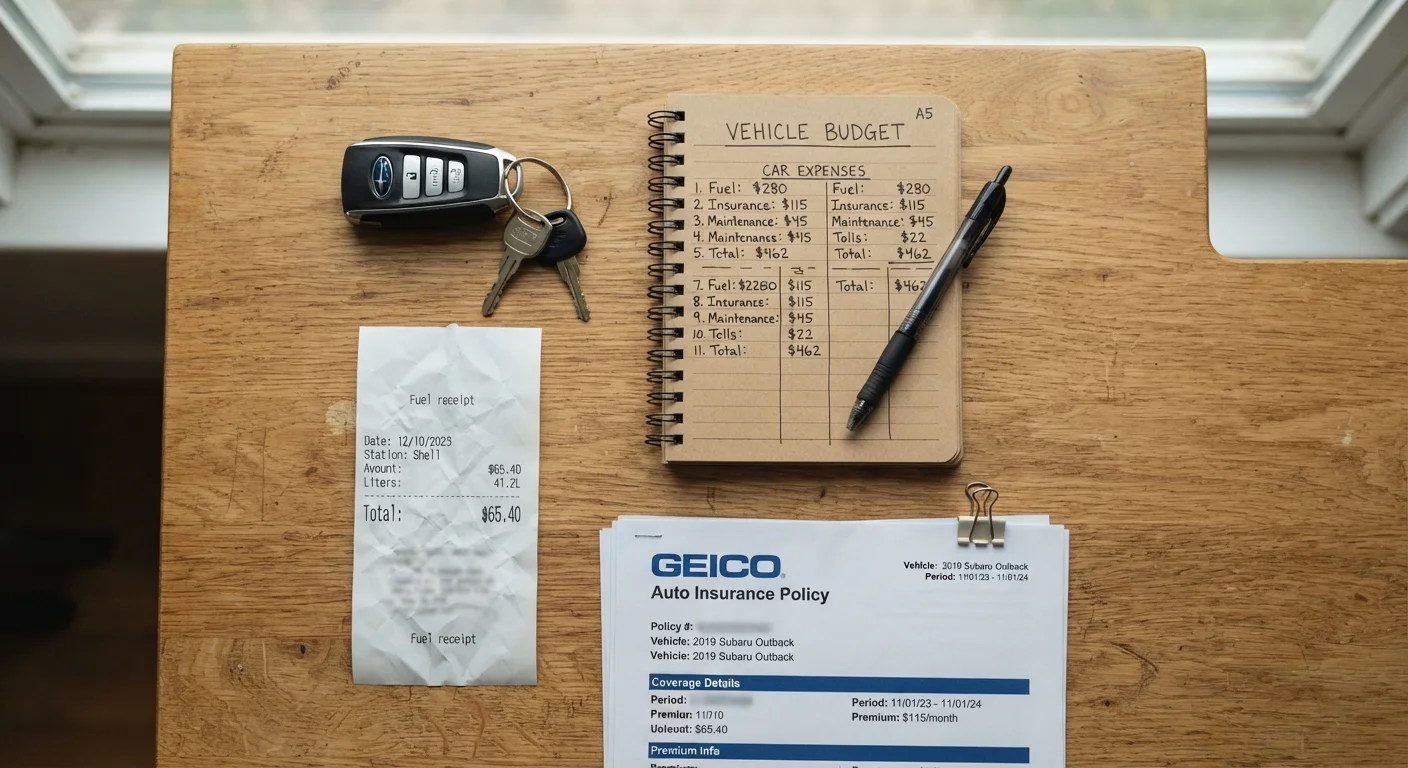
Roadside assistance through your auto insurer, a roadside plan bundled with a credit card, and a separate membership with an auto club — it's surprisingly common to be paying for the same coverage three times. The same overlap occurs with travel insurance, device protection plans, and rental car coverage that already exists through your credit card.
Review your insurance policies and credit card benefits annually. The annual car ownership budget checklist is a useful prompt for catching vehicle-related insurance duplications specifically.
Duplicate insurance coverage is a silent expense that's easy to eliminate once you know what your cards already cover.
Bank Fees and Minimum Balance Penalties
Monthly maintenance fees, out-of-network ATM charges, and overdraft fees are among the most avoidable budget leaks — yet they persist because they're billed by the institution managing your money, making them easy to normalize. Some accounts charge $10–$15 per month just to exist if you don't meet a minimum balance requirement.
Review your checking and savings account terms. Many fee-free alternatives exist. Even eliminating a single $12 monthly maintenance fee saves $144 per year — money that could start building toward a savings goal instead.
Bank maintenance fees charged month after month are entirely avoidable with the right account structure.
Impulse Add-Ons at Checkout
Extended warranties on small electronics, premium packaging options, in-app purchases, and "complete the look" product suggestions at online checkout are all designed to feel like low-stakes additions. Individually, they are. Collectively, they function as an ongoing tax on every transaction you make.
Building a 24-hour pause rule for any unplanned purchase above a personal threshold — say, $20 — interrupts the impulse before the habit forms. It doesn't restrict spending; it simply ensures the spending is intentional.
A 24-hour pause on unplanned purchases is one of the simplest, highest-return habits in personal finance.
Home Energy Inefficiencies
This one isn't a subscription or a fee — it's a slow bleed through your utility bill. Drafty windows, an aging water heater running at excessive temperatures, inefficient appliance settings, and vampire power draw from devices left plugged in all contribute to a utility bill that runs higher than it needs to.
Poor attic insulation or ventilation is a particularly underappreciated culprit. Attic ventilation problems can inflate heating and cooling costs year-round without any obvious visible sign. An annual home energy check — often available for free through utility providers — can identify the highest-impact fixes.
Energy inefficiencies in a home act like a subscription you never signed up for and can't easily see on a statement.
Stopping the Leak Before It Drains You
Plugging spending leaks doesn't require a complex budgeting system. The most effective first step is a simple monthly statement audit: go line by line through your bank and credit card transactions and flag anything you didn't actively choose to spend that month. Most people find at least two or three surprises.
From there, tracking your spending without obsessing over every dollar can help you build awareness without burning out. You don't need to log every purchase — you need enough visibility to catch patterns before they become habits.
If recurring leaks have already pushed you into a cycle of carrying a credit card balance, addressing the root spending behavior matters more than the interest rate alone. For context on how to approach that, the Credit & Debt hub offers practical, plain-language guidance. And once leaks are sealed, redirecting even $30–$50 per month toward a sinking fund can make a meaningful difference in financial stability over time.
This article is for general informational and educational purposes only and does not constitute personalized financial advice. Consult a qualified financial professional for guidance specific to your situation.