Why Predictable Expenses Still Catch People Off Guard
Homeownership comes with a long list of costs that are, strictly speaking, entirely predictable. The water heater installed the year you bought the house will eventually fail. Property taxes come due every year. The roof has a finite lifespan printed right on the warranty. Yet many homeowners still treat these expenses as surprises, scrambling for cash or turning to credit when the bill arrives.
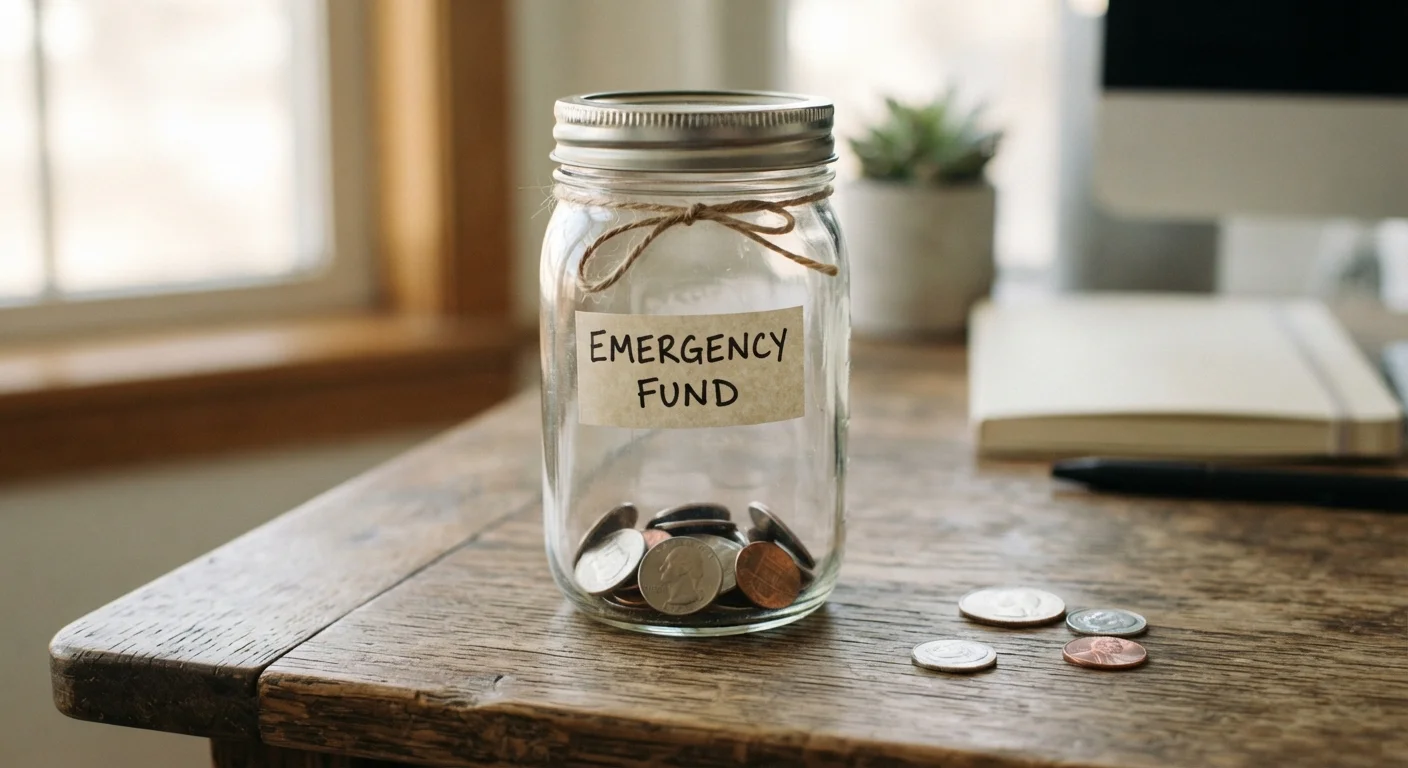
The reason isn't ignorance — it's that awareness alone doesn't create savings. Without a deliberate system, money earmarked mentally for future repairs tends to get spent on present-day needs. This is the gap that emergency funds keep getting raided to fill — not because something truly unexpected happened, but because no separate fund existed for the predictable expense. A sinking fund closes that gap before it opens.
1%
Typical annual home maintenance budget guideline
A widely referenced rule of thumb suggests setting aside roughly 1% of a home's purchase price each year for maintenance and repairs, though costs vary by home age and location.
$1,000–$15,000
Typical range for HVAC system replacement
According to home services cost data aggregators, replacing a central HVAC system in the US commonly ranges from $1,000 to $15,000 depending on system type, home size, and region.
40%
Americans who would struggle to cover a $400 unexpected expense
Federal Reserve survey data has consistently found that a significant share of US adults report difficulty handling an unexpected $400 expense without borrowing or selling something.
How to Build a Sinking Fund: The Basic Math
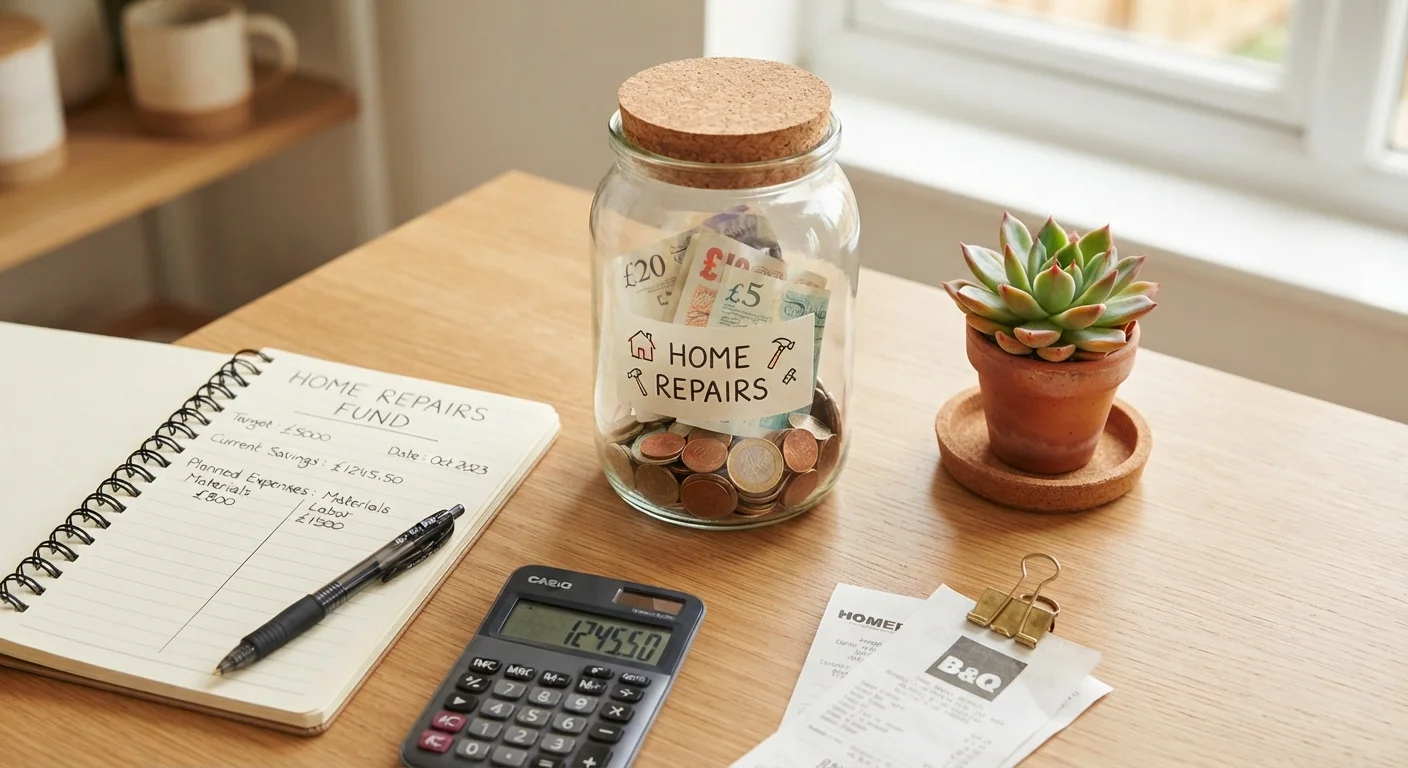
Setting up a sinking fund requires just three pieces of information: what you're saving for, how much it will cost, and when you'll need the money. Once you have those, the math is straightforward.
- Name the expense. Be specific — "home repairs" is useful, but "roof replacement" or "HVAC maintenance" helps you research a realistic cost.
- Estimate the total cost. Get a rough quote or research typical costs in your area. It's fine to round up for a safety margin.
- Divide by months remaining. If you anticipate needing $2,400 in 18 months, your monthly contribution is $133. Set that amount to transfer automatically on payday.
If a contribution feels too large for your current budget, you have two options: extend the timeline or reduce the scope of the goal. Either adjustment is better than not saving at all. For more on fitting savings targets around an existing mortgage, see building a savings plan when you already have a mortgage payment.
Start Small and Add Funds Over Time
You don't need to fully fund every sinking fund simultaneously on day one. Start with the most urgent or largest anticipated expense, get that transfer automated, then add a second fund once the first is running smoothly. Building the habit matters more than perfecting the amounts right away.
Common Sinking Fund Categories for Homeowners
While every household's needs differ, certain categories come up repeatedly for young homeowners:
- Home maintenance and repairs: A common guideline suggests budgeting roughly 1% of a home's purchase price per year for upkeep, though actual costs vary widely based on the age and condition of the property.
- Appliance replacement: Major appliances — refrigerators, dishwashers, washers, dryers — have predictable average lifespans. Knowing roughly when they were last replaced helps you estimate when a sinking fund should be ready.
- Property taxes and insurance: If your taxes aren't escrowed, a sinking fund ensures you have the lump sum available at due dates without disrupting monthly cash flow.
- Vehicle expenses: Tires, brakes, and scheduled services are predictable. A dedicated vehicle sinking fund complements the broader strategy outlined in building a car emergency fund.
- HOA special assessments: Homeowners associations occasionally levy one-time assessments for major community repairs. A general home sinking fund can absorb some of this cost.
Sinking funds work best when they're viewed as distinct from one another. Keeping goals structured by time horizon helps you see exactly where you stand on each priority.
Automating and Protecting Your Sinking Funds
The most effective sinking funds run on autopilot. Setting up automatic transfers the day after your paycheck clears means the money moves before you have a chance to spend it elsewhere. Many online banks allow you to create labeled sub-accounts — one for each goal — which adds a psychological layer of separation that discourages casual spending.
It's also worth auditing your broader spending for small spending leaks that quietly derail a household budget — recurring charges and convenience fees that may be quietly consuming money you intended to save. Redirecting even $30–$50 per month from forgotten subscriptions can meaningfully accelerate your sinking fund contributions.
Finally, keep sinking fund money liquid but separate from your day-to-day checking account. A high-yield savings account is a common choice. Avoid putting these funds in investments with variable returns — sinking funds are intended to be reliable and available on a defined schedule, not subject to market timing.
This article is for general informational and educational purposes only and does not constitute personalized financial advice. Consult a qualified financial professional for guidance specific to your situation.