The Real Reason Your Fund Never Stays Full
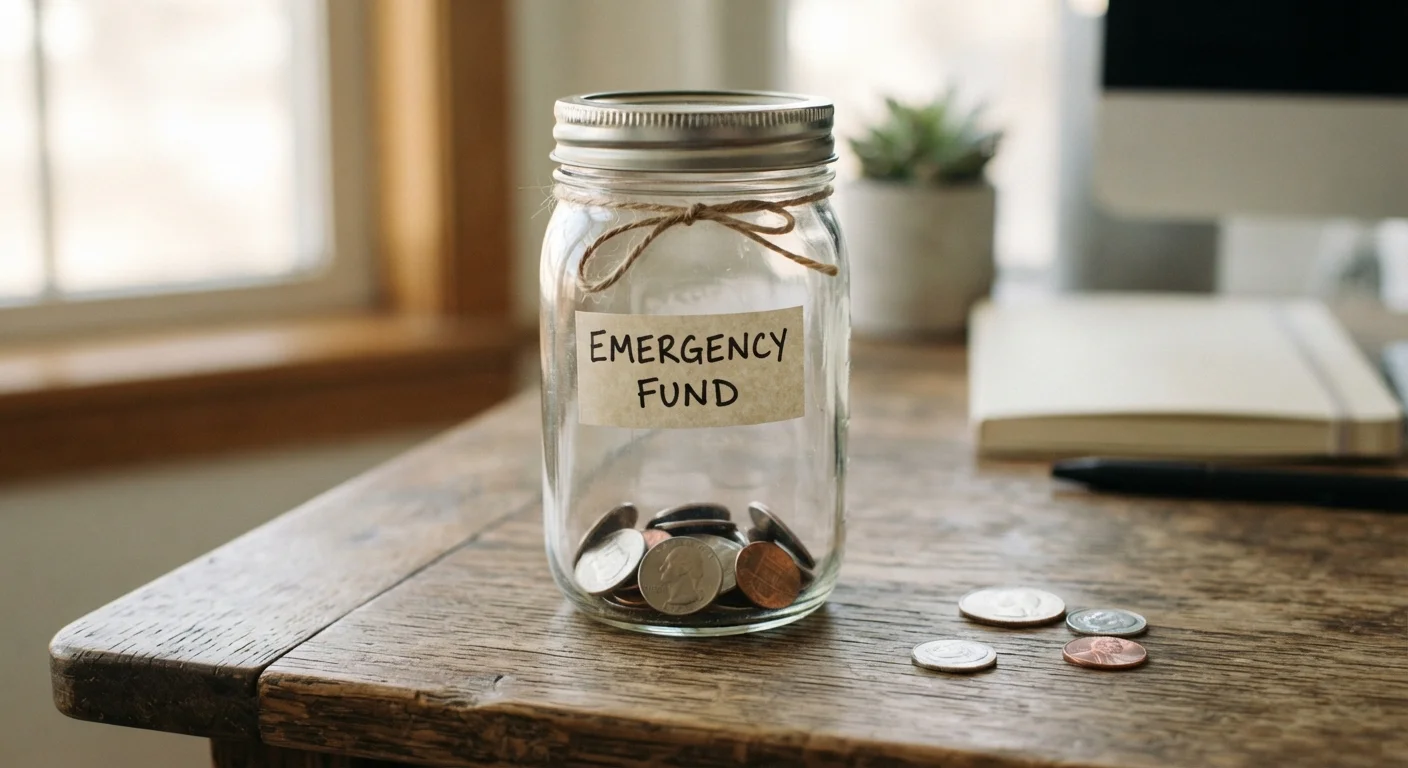
An emergency fund is supposed to be your financial safety net — money set aside for job loss, medical bills, or a sudden appliance failure. But for many young homeowners, that balance seems to evaporate between crises. The problem usually isn't self-discipline. It's a design flaw in how the fund is set up and mentally categorized.
When your emergency fund and everyday savings share an account — or when the definition of "emergency" is fuzzy — spending from it feels low-stakes. Add in the unique cost pressures of homeownership (a leaking roof, a failing HVAC, unexpected HOA fees), and you have a recipe for constant depletion. Understanding the specific mistakes driving this cycle is the first step to stopping it. See also how your budget and emergency fund work together — because neither works well in isolation.
Keeping emergency savings in the same account as spending money.
Why it happens: It's convenient — fewer accounts to manage feels simpler. But easy access eliminates the psychological barrier between "savings" and "available cash."
Never defining what actually counts as an emergency.
Why it happens: Most people skip this step because it feels unnecessary — until they're justifying a weekend trip or a new appliance upgrade as an "emergency."
Mixing travel savings and vacation goals with emergency reserves.
Why it happens: Savings is savings — it can feel arbitrary to separate it into labeled buckets. But combining goals means any withdrawal blurs all of them.
Failing to rebuild the fund after a legitimate withdrawal.
Why it happens: Once a real emergency is handled, the urgency fades. Rebuilding feels less pressing than other financial demands, so contributions stall indefinitely.
Setting an emergency fund target that's too abstract to work toward.
Why it happens: "Three to six months of expenses" is good general guidance, but without a concrete dollar figure tied to your actual costs, the goal feels unreachable — and effort fades.
How to Restructure So the Cycle Actually Stops
Knowing the mistakes isn't enough — you need systems that make the right behavior easier than the wrong one. Here's how to rebuild with more structure.
Automate contributions immediately after payday
Set up an automatic transfer to your emergency fund the same day your paycheck lands. When the money moves before you see it, it's psychologically unavailable. Even a modest automatic transfer — say, $50 or $100 per pay period — builds the fund steadily without requiring active willpower each month. Check with your bank about scheduling recurring transfers between accounts.
Open a dedicated, slightly inconvenient account
Your emergency fund should not be in the same account you check daily. A separate high-yield savings account at a different institution creates a small friction barrier. That brief delay between "I want to use this" and "the money is now available" is often enough to prompt second thoughts. Just ensure the account is still federally insured (look for FDIC or NCUA coverage).
Build sinking funds for predictable homeowner expenses
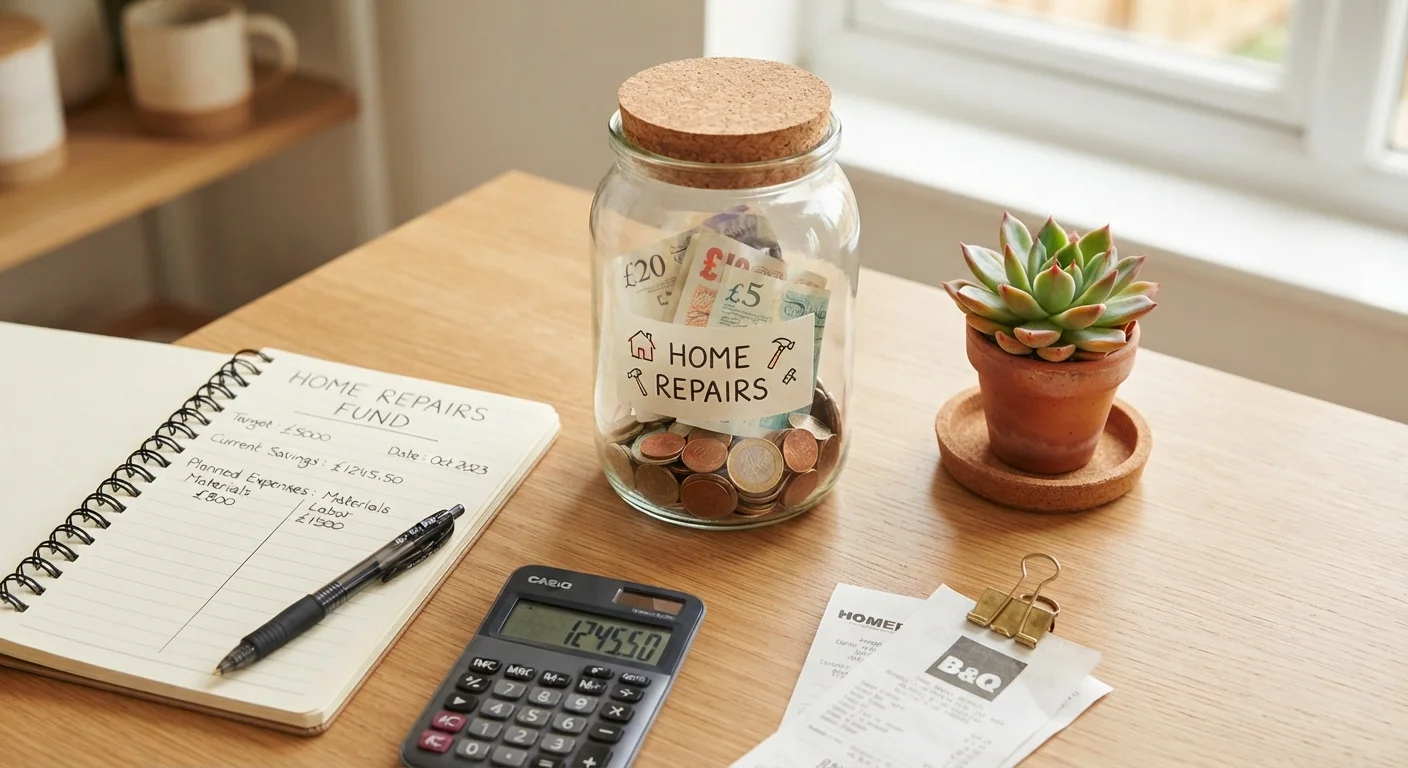
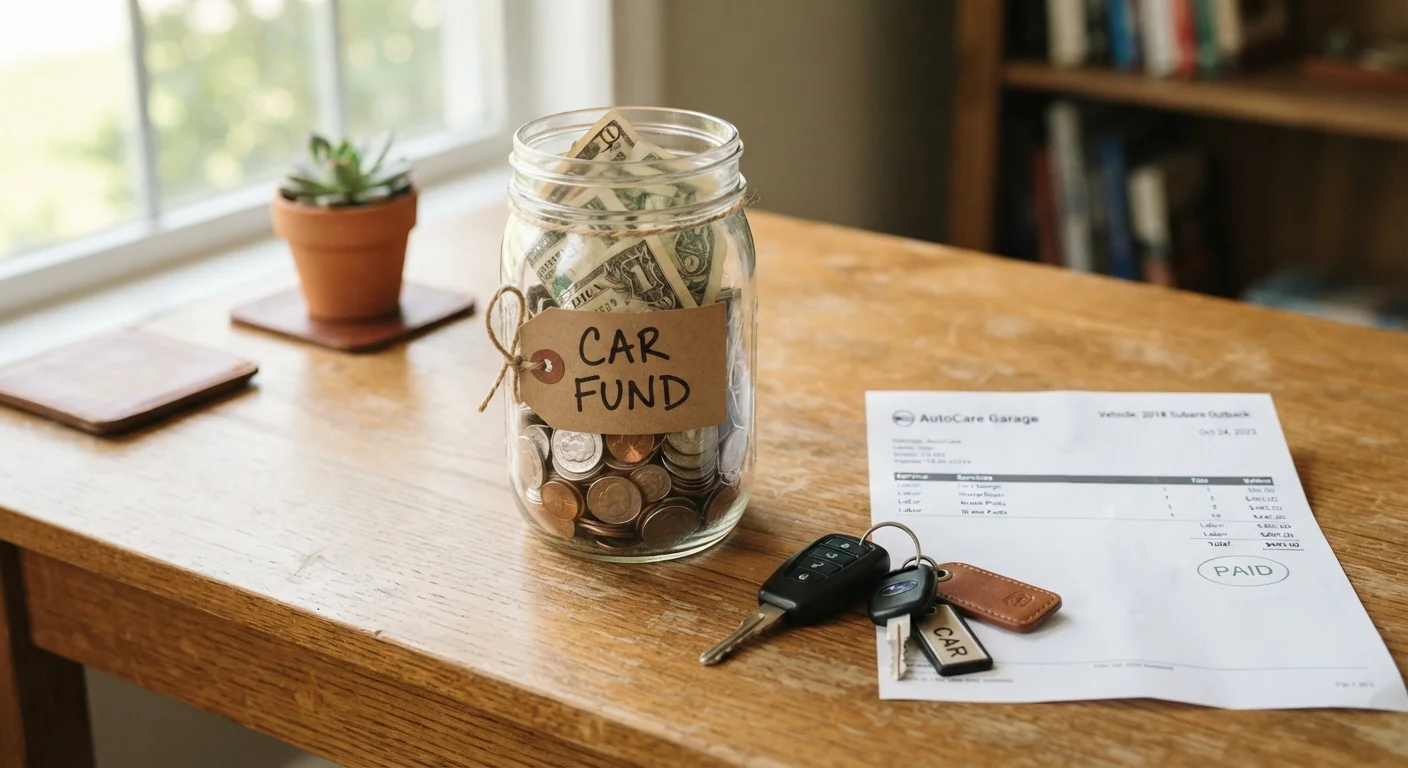
One of the most effective protections for your emergency fund is accepting that some big expenses aren't actually emergencies — they're just irregular. Annual property tax bills, seasonal HVAC maintenance, and appliance replacements are predictable in category even if not in exact timing. A sinking fund strategy routes small monthly amounts toward these known costs, so they never land on your emergency fund. Similarly, vehicle owners should consider a dedicated car emergency fund separate from your household reserve.
Don't Park Emergency Funds in Investment Accounts
It can be tempting to earn higher returns by keeping emergency savings in a brokerage or investment account. However, market volatility means your balance could be significantly lower exactly when you need it most. Emergency funds should be kept in stable, liquid, federally insured accounts — not subject to market risk. Growth matters less than guaranteed availability.
Write a clear emergency fund policy for your household
Define in writing what qualifies as a legitimate draw. Include a decision checklist: Is this unexpected? Is it urgent? Does it threaten health, housing, or income? If the answer to any is no, it's likely not an emergency — and your regular budget should cover it instead. Revisit and update the policy annually or after any major life change.
This article is for general informational and educational purposes only and does not constitute personalized financial advice. Consult a qualified financial professional regarding your specific circumstances.