Why These Two Tools Belong Together
Many people think of a budget and an emergency fund as separate financial goals - one is about controlling spending, the other is about saving for a rainy day. In practice, they are two halves of the same system. Neither works as well without the other.
A budget without an emergency fund is fragile. Even a carefully constructed spending plan can collapse under a single unexpected expense - a transmission failure, a dental procedure not covered by insurance, or a gap between jobs. When there's no financial cushion, people are forced to either go into debt or abandon their budget entirely to cover the shortfall.
An emergency fund without a budget is hard to build and easy to drain. Without a deliberate plan for your income, there's rarely money left over to save consistently. And without boundaries around what qualifies as an emergency, those savings tend to disappear into everyday expenses over time.
See our full guide to emergency funds for a deeper look at what these savings are meant to cover - especially relevant for homeowners.
~4 in 10
Americans who could not cover a $400 emergency without borrowing
According to the Federal Reserve's Report on the Economic Well-Being of U.S. Households, a significant share of Americans lack the liquid savings to handle a modest unexpected expense.
3-6 months
Recommended emergency fund coverage in essential expenses
This range is a widely cited guideline from financial planning professionals; the right target depends on income stability and household obligations.
$1,000
Common starter emergency fund milestone for beginners
Many personal finance educators recommend this as an initial target because it covers the most frequent minor emergencies without requiring years of saving to reach.
How Your Budget Builds the Fund
The most reliable way to grow an emergency fund is to make it a line item in your budget - not something you contribute to with whatever is left over at the end of the month. Leftover money rarely exists; it tends to get absorbed by small, unplanned purchases.
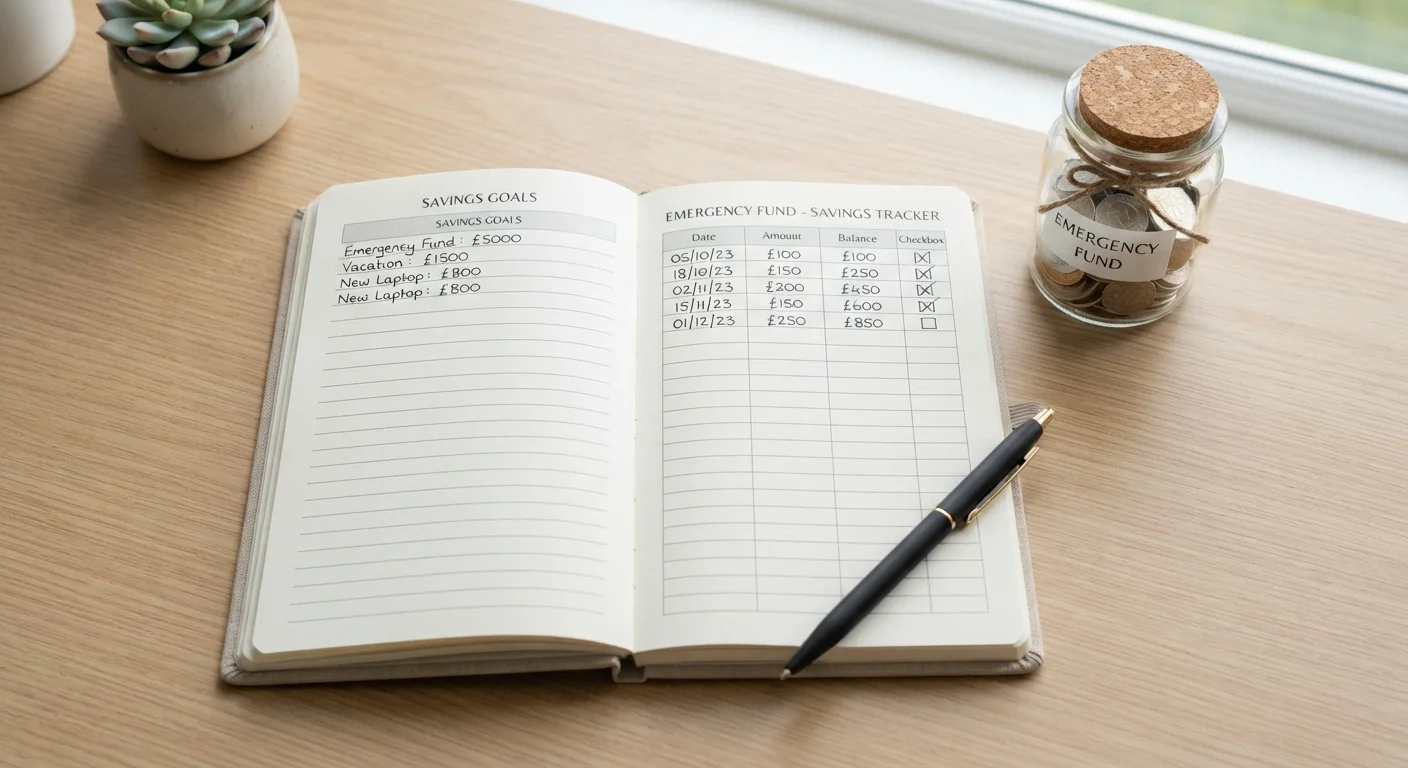
Treat your emergency fund contribution the way you treat rent or a utility bill: a fixed, non-negotiable expense that gets paid first. If you're paid biweekly, setting up an automatic transfer on payday - before you see the money in your checking account - removes the decision entirely.
Your budget also helps you identify where the savings contribution can come from. Reviewing your spending by category often reveals areas where small reductions are possible - a streaming service you rarely use, a dining budget that consistently runs over, or irregular spending that isn't being tracked at all. Redirecting even a modest amount each month adds up meaningfully over a year.
Automate Before You Spend
Set up an automatic transfer to your emergency savings account on the same day you receive your paycheck. This 'pay yourself first' approach ensures the contribution happens regardless of how the rest of your month unfolds. Even a small recurring transfer builds meaningful savings over time and reinforces the habit without requiring a conscious decision each pay period.
For a structured approach to setting up those budget categories, our complete personal budgeting resource walks through the process from income allocation to long-term savings goals.
How the Fund Protects Your Budget
Once you have an emergency fund in place - even a partial one - your budget becomes far more resilient. When an unexpected expense arrives, you have a designated source to draw from rather than scrambling to cut essential spending or reaching for a credit card.
This matters most for homeowners. Unlike renters, homeowners carry financial responsibility for maintenance and repairs that can arise without warning. A water heater replacement, a roof leak, or an HVAC breakdown can easily run into the thousands of dollars. An emergency fund absorbs that hit without forcing you to restructure your entire financial picture.
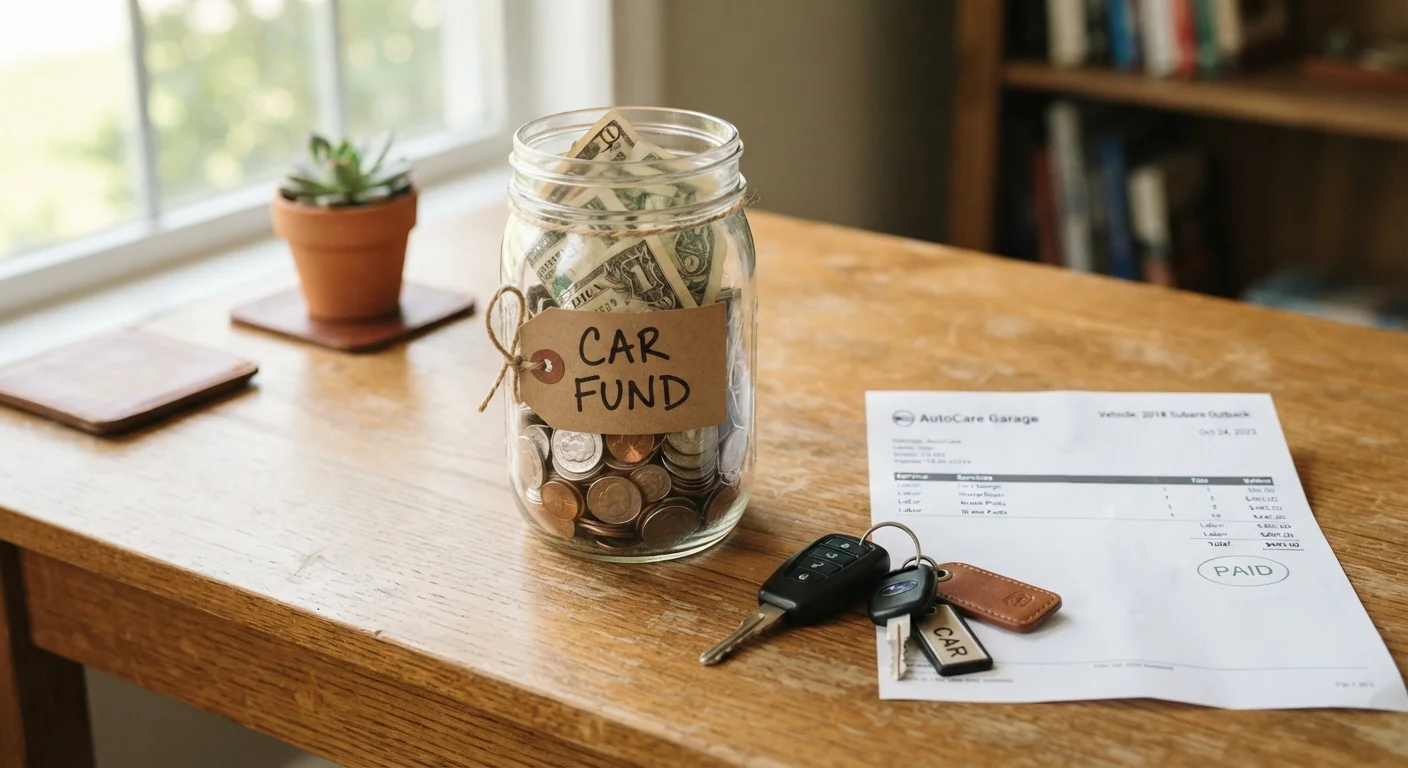
It's worth distinguishing between true emergencies and predictable costs. Car maintenance, for example, is not a surprise - it's a certainty. Our guide to building a car emergency fund explains how to plan specifically for vehicle costs, which are better handled through a dedicated sinking fund within your budget rather than your general emergency savings.
Getting Started: A Simple Framework
If you're building both tools at the same time, here's a practical sequence that works for most beginners:
- Set a starter goal. Aim for $500-$1,000 in a separate savings account before anything else. This covers the most common minor emergencies and prevents small crises from becoming debt.
- Add a savings line to your budget. Even $30-$50 per month is a real start. Increase the amount as your budget stabilizes or your income grows.
- Automate the transfer. Schedule it for payday. Automation removes friction and builds the habit without requiring willpower each month.
- Keep the account separate. A separate, clearly labeled account reduces the temptation to treat emergency savings as general spending money. Our guide on keeping travel and emergency funds separate explains why this boundary matters.
- Replenish after use. If you draw on the fund, make rebuilding it the first priority - temporarily redirecting other savings contributions if needed.
If you find yourself repeatedly dipping into your emergency fund for non-emergencies, that's a signal worth examining. Our article on breaking the emergency fund raiding cycle addresses the common patterns behind this and how to correct them.
This article is for general informational and educational purposes only and does not constitute personalized financial advice. Consult a licensed financial professional for guidance specific to your situation.