Why These Two Funds Are Fundamentally Different
It sounds harmless: one savings account, two goals. In practice, combining your travel fund and emergency fund is one of the most common and quietly damaging personal finance habits young homeowners fall into.
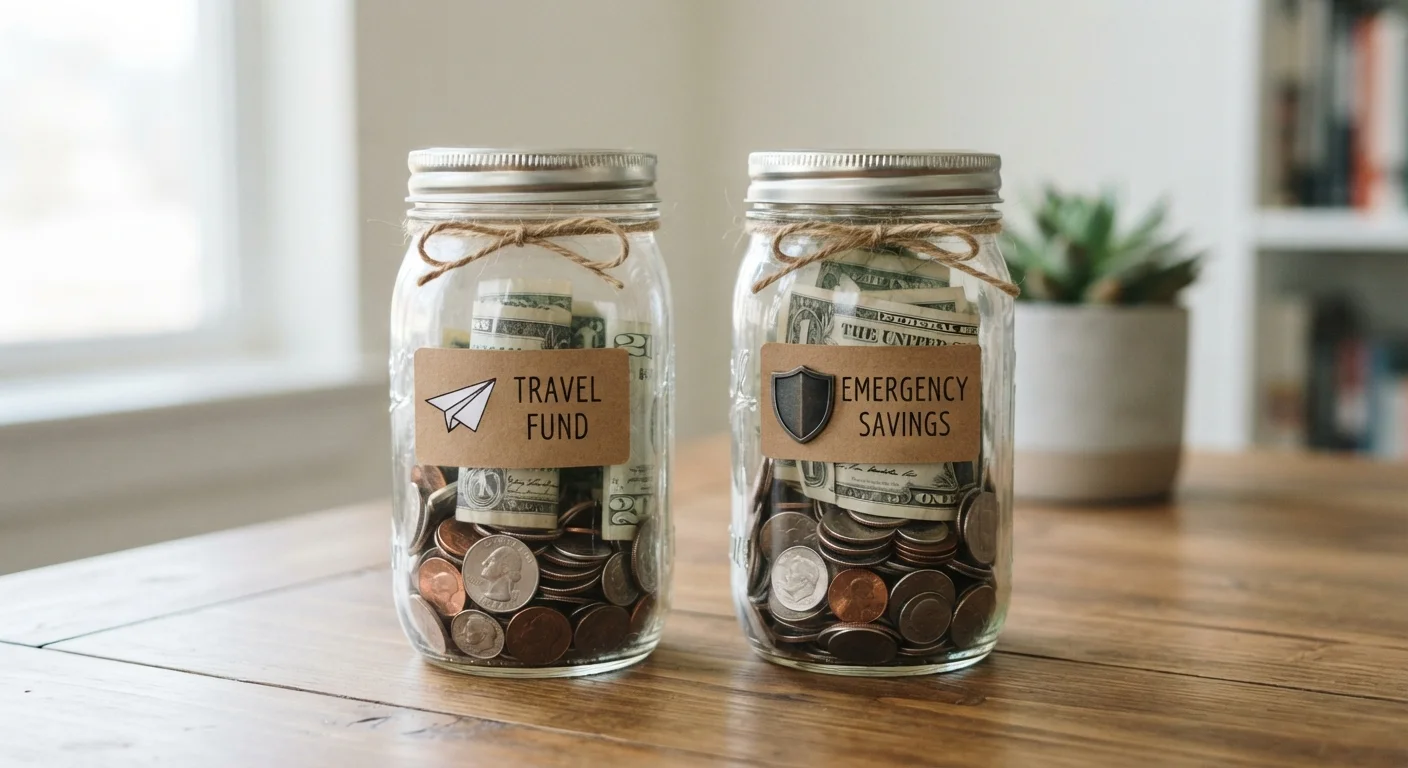
The core problem isn't the math — it's the intent. A travel fund is discretionary. You build it on purpose, spend it on purpose, and replenish it afterward. It's tied to a specific goal with a defined timeline: a trip to Portugal, a ski weekend, a cross-country road trip. A emergency fund, by contrast, is a financial buffer against events you cannot predict — sudden job loss, an urgent medical bill, a failed water heater. It should never have a planned spend-down date.
When both funds share an account, that distinction evaporates. Every dollar looks the same, and when a travel opportunity arises — or a stressful week tempts you to book a getaway — you'll draw from the combined balance without a clear sense of what you're actually spending. The result is a depleted safety net that offers far less protection than you think. See our guide to what emergency funds actually cover to understand how much protection you genuinely need.
| Criterion | Travel Fund | Emergency Fund |
|---|---|---|
| Purpose | Planned, discretionary spending | Unplanned, urgent needs |
| Timeline | Fixed target date (trip date) | No planned spend-down date |
| Funding trigger | Voluntary, goal-driven deposits | Consistent deposits until baseline is met |
| Spend conditions | Planned travel expenses only | True financial emergencies only |
| Typical target amount | Cost of specific trip or trips | 3–6 months of essential expenses |
| Priority order | Secondary (after emergency baseline) | Primary financial priority |
| Account type | Separate labeled savings account | Separate, friction-added savings account |
The Sequencing Question: Which Fund Comes First?
For most people with limited cash flow, the practical question is sequencing: which account should you fund first?
The general guidance from financial educators is to build a meaningful emergency fund before aggressively saving for travel. A common benchmark is three to six months of essential living expenses — rent or mortgage, utilities, groceries, minimum debt payments. Homeowners often benefit from targeting the higher end of that range, given the unpredictability of property maintenance costs. For a deeper look at why this safety net matters so much when you own property, see our article on emergency funds and homeownership.
That said, strict sequencing isn't always realistic — or motivating. If the idea of waiting years to save any travel money makes the whole budget feel punishing, a split-contribution model can work: direct the majority of your surplus toward the emergency fund while sending a smaller fixed amount to a separate travel account. The key word is separate. Even a small dedicated travel account with its own label makes the distinction concrete and keeps you honest about what you're spending.
~57%
Americans unable to cover a $1,000 emergency from savings
According to Bankrate's annual Emergency Savings Report, a majority of U.S. adults would struggle to pay an unexpected $1,000 expense without borrowing.
3–6 months
Recommended emergency fund coverage
Most financial educators and consumer protection agencies suggest keeping three to six months of essential living expenses in a dedicated emergency fund.
1 in 3
Adults who have no dedicated emergency savings
Federal Reserve survey data has consistently found that a significant share of U.S. households have little or no liquid savings set aside for emergencies.
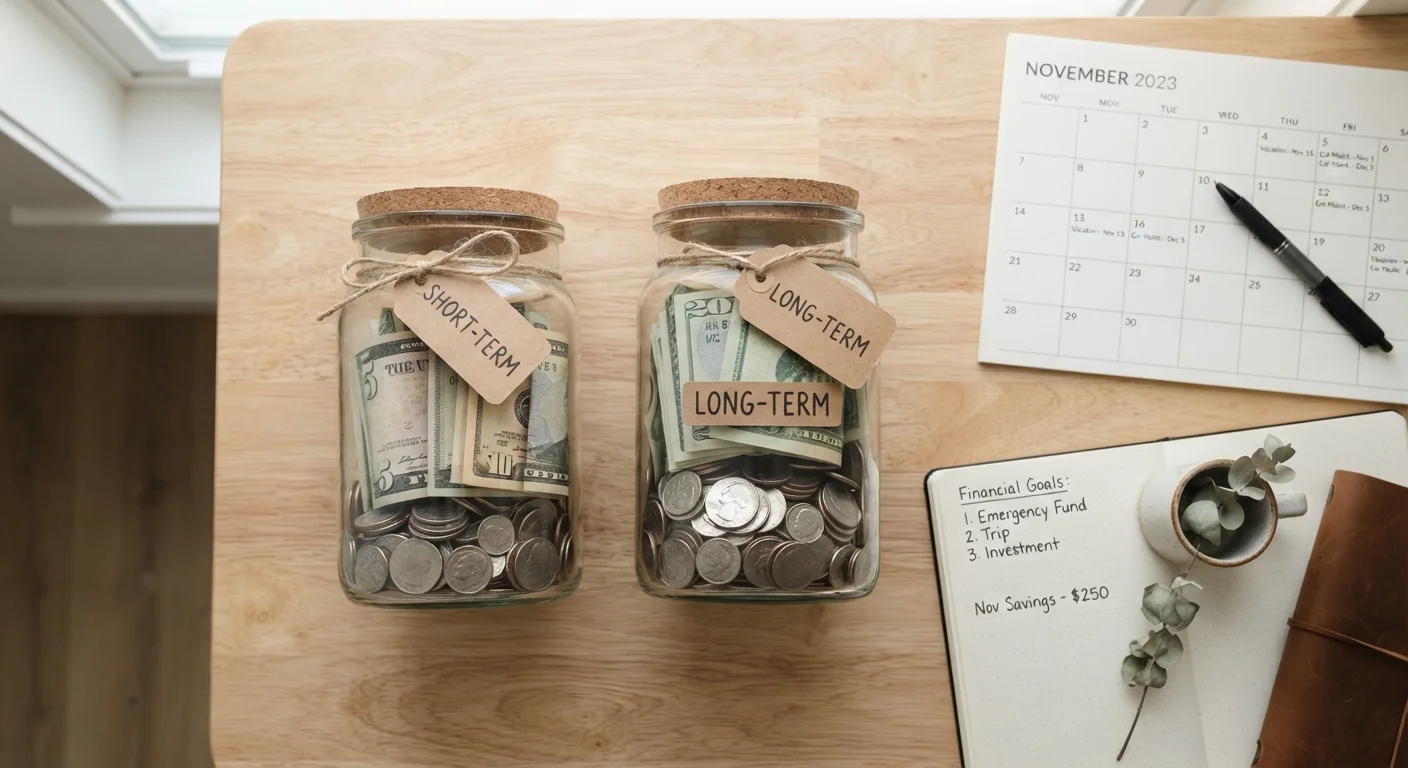
To understand how these goals fit into a broader savings framework, visit our overview of short-term vs. long-term savings goals — a useful complement to the work you're doing here.
Protecting Each Fund from Itself
Once you've opened two separate accounts, the structural work isn't finished. The most common failure mode is raiding the emergency fund for expenses that feel urgent but aren't true emergencies. A concert, a spontaneous long weekend, or a flight deal can feel pressing in the moment — and if your emergency fund is the only substantial balance you have, it becomes a tempting source of funds.
Understanding why emergency funds get raided is half the battle. The other half is building friction: keep your emergency fund at a separate institution from your checking account, so transfers require deliberate action and a waiting period. Name accounts explicitly — most online banks allow custom labels. Seeing "Emergency Only" in your banking app creates a psychological pause before you move money.
Your travel fund benefits from the opposite approach: make it easy to contribute and easy to track progress. Set up an automatic transfer the day after each paycheck. Label it with your actual destination. Check its balance when you're tempted to overspend on something else. Motivation and momentum matter as much as mechanics.
For a broader view of how savings goals, budgeting, and emergency planning reinforce each other, explore the Saving & Goals hub and our companion piece on how emergency funds and budgets work together.
This article is for general informational and educational purposes only and does not constitute personalised financial advice. For guidance specific to your financial situation, consult a qualified financial professional.