
Why Outdated Car Advice Keeps Circulating
Car maintenance advice spreads fast - from parents to friends to forums - and much of it was accurate decades ago. The problem is that vehicle engineering has changed dramatically, but the old rules haven't updated with it. Following outdated guidance doesn't just waste time; it wastes money on unnecessary services and can occasionally cause real harm to your vehicle.
The myths below are among the most persistent and costly. Knowing the truth behind them is one of the simplest ways to make smarter ownership decisions. For a broader look at how deferred or misdirected maintenance compounds costs, see why routine maintenance pays for itself.
Myth
You need to warm up your car for 5-10 minutes before driving in winter to protect the engine.
Fact
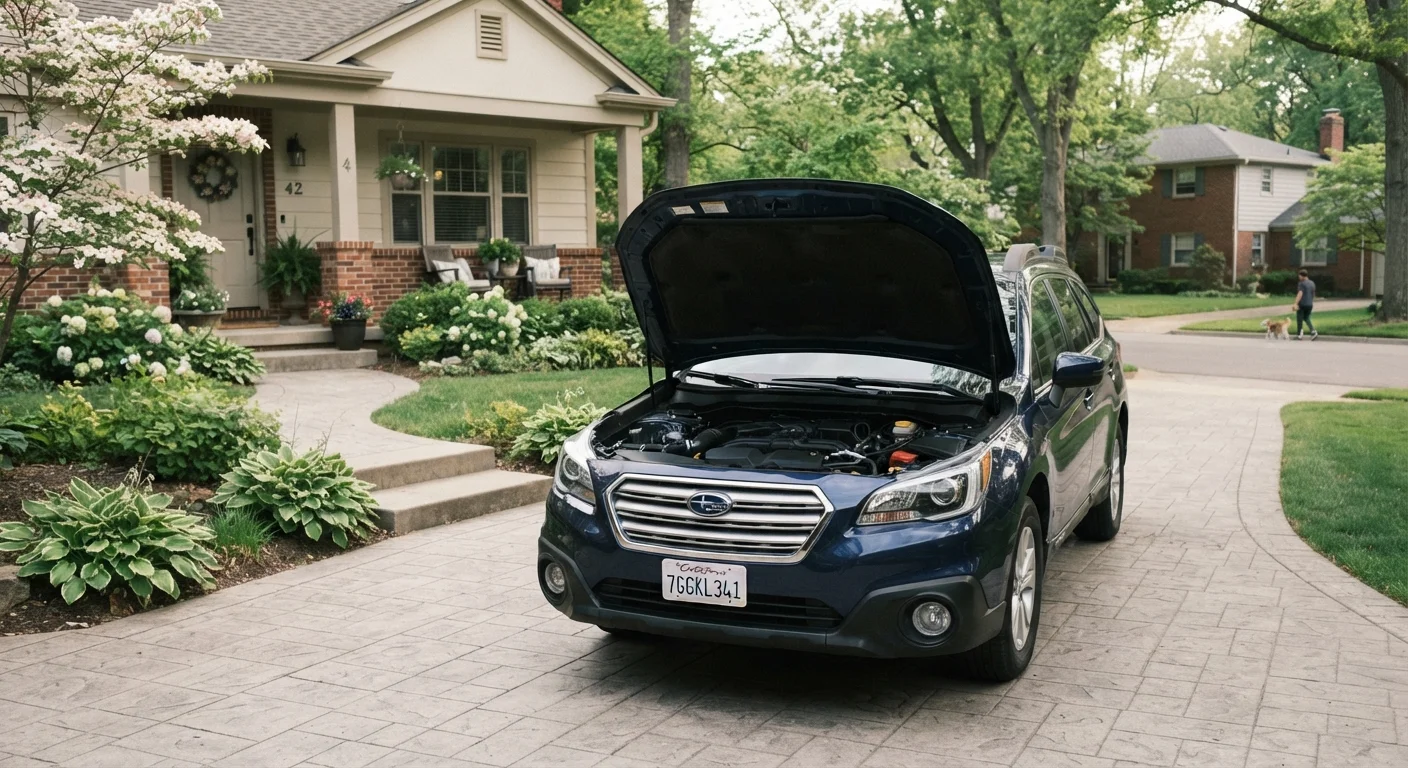
Modern fuel-injected engines reach operating temperature faster by driving gently than by idling. A 30-second idle is sufficient.
This advice made sense for carbureted engines common before the 1980s. Today's electronically fuel-injected engines manage fuel delivery precisely regardless of temperature. Extended idling wastes fuel, increases engine wear by washing oil off cylinder walls, and contributes to carbon buildup. According to the U.S. Department of Energy, idling gets zero miles per gallon and can consume up to half a gallon of fuel per hour. The most effective warm-up strategy is to start driving at moderate speeds immediately - that heats the engine, transmission, and tires simultaneously.
Myth
You should change your oil every 3,000 miles, no exceptions.
Fact
Most modern vehicles with conventional oil go 5,000-7,500 miles between changes; those using full synthetic oil often go 10,000-15,000 miles.
The 3,000-mile interval was a reasonable rule of thumb for older engines and older oil formulations. Modern engine tolerances are tighter, and oil chemistry has advanced significantly. Changing oil more frequently than your manufacturer specifies doesn't extend engine life - it just costs more money and generates unnecessary waste oil. Check your owner's manual for the interval recommended for your specific engine and the type of oil it calls for. Many newer vehicles also have an oil life monitoring system that calculates change intervals based on actual driving conditions rather than mileage alone.
Myth
Using premium fuel in any car gives better performance and mileage.
Fact
Premium fuel benefits only engines specifically engineered to require or recommend it. Using it in a standard engine provides no measurable gain.
Premium gasoline has a higher octane rating, which resists pre-ignition (knocking) in high-compression engines. If your vehicle's manual says "premium recommended" or "premium required," there's a reason. If it says "regular unleaded," spending more on premium is money wasted. The engine control unit in a standard car will not advance ignition timing to take advantage of the higher octane - the fuel simply burns the same way regular does, at a higher price per gallon. Check the fuel door or owner's manual to know exactly what your engine needs.
Myth
The number on the tire sidewall tells you the correct pressure to run.
Fact
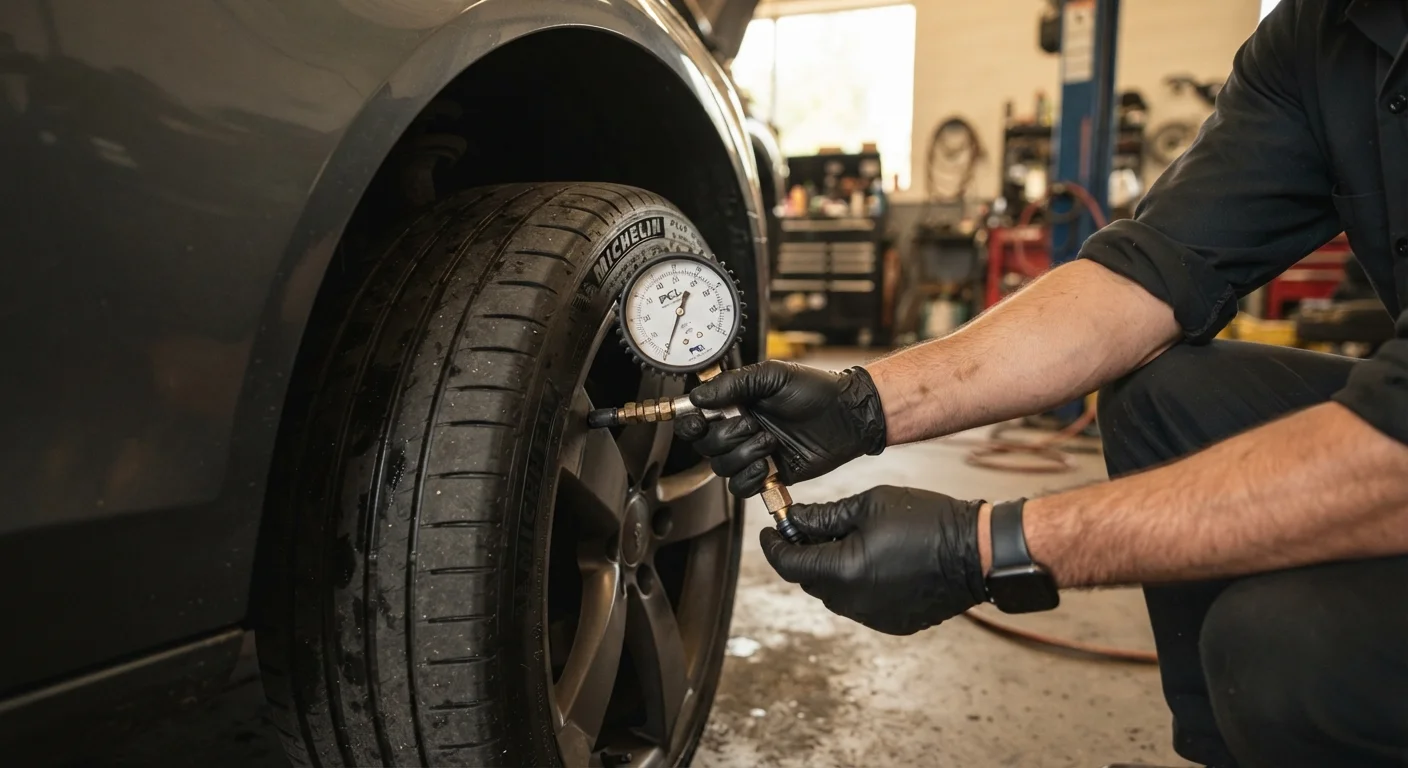
The sidewall number is the maximum pressure the tire can hold - not the recommended operating pressure for your vehicle.
Your vehicle's recommended tire pressure is printed on a sticker inside the driver's door jamb (or in some cases, the glove compartment or fuel door). This number is set by the vehicle manufacturer after engineering the suspension, load capacity, and handling characteristics. Running tires at the sidewall maximum typically results in a harsh ride, reduced contact patch, and uneven wear in the center of the tread. Running them below the placard recommendation causes excessive heat buildup, edge wear, and reduced fuel economy. Always use the door placard number as your target.
Myth
You should flush all your car's fluids - coolant, transmission, brake fluid - every year.
Fact
Fluid service intervals vary widely by fluid type and vehicle; many go significantly longer than one year without requiring a flush.
Blanket annual flush schedules are often recommended by service centers but aren't necessarily backed by your manufacturer's specifications. Coolant in modern vehicles may last 5 years or more in some applications. Brake fluid intervals are typically tied to moisture absorption over time, which varies by climate. Transmission fluid in many automatics is factory-filled and may go 60,000-100,000 miles under normal driving conditions. Flushing fluids unnecessarily doesn't harm your car, but it does drain your wallet. Stick to the intervals in your owner's manual, and use the context of what skipping actually costs to make informed trade-offs.
Where Myth-Driven Maintenance Really Hits Your Budget
Each myth carries its own financial consequence. Paying for premium fuel your engine doesn't need, scheduling oil changes twice as often as your car actually requires, or sitting in a cold driveway burning gas for ten minutes every winter morning - these habits add up to hundreds of dollars annually without delivering any real benefit.
$0
Fuel economy while idling
The U.S. Department of Energy notes that idling a vehicle produces zero miles per gallon, making extended warm-up routines a direct fuel cost with no benefit.
10,000-15,000 mi
Typical full-synthetic oil change interval
Many automakers specify full-synthetic oil change intervals well beyond the old 3,000-mile guideline, according to standard manufacturer maintenance schedules.
~$100+
Estimated annual cost of unnecessary premium fuel
Drivers who use premium in engines designed for regular fuel can spend over $100 per year more at the pump with no performance return, based on average U.S. driving patterns.
The better approach is to treat your owner's manual as the authoritative source for service intervals. Manufacturers test these specifications rigorously. If you've built habits designed to extend your vehicle's life, making sure those habits are based on accurate information is what makes them effective.
Your Owner's Manual Outranks Everything Else
No blog post, forum thread, or well-meaning advice from a service advisor overrides the specifications your vehicle's manufacturer has tested and published. When in doubt about a service interval, fluid type, or fuel grade, the owner's manual is the definitive reference. If you've lost your physical copy, most manufacturers make digital versions available through their websites.
Tire-related myths deserve special attention because the consequences of incorrect tire pressure go beyond fuel economy - they affect braking distance and handling. Our guide on tire inflation and rotation covers this in detail. Likewise, understanding your car's actual fluid needs is easier once you know what each fluid does - a full breakdown of car fluids is a useful reference.
The goal isn't to skip maintenance - it's to do the right maintenance at the right time. That distinction protects both your car and your bank account.