Why Habits Matter More Than Brand
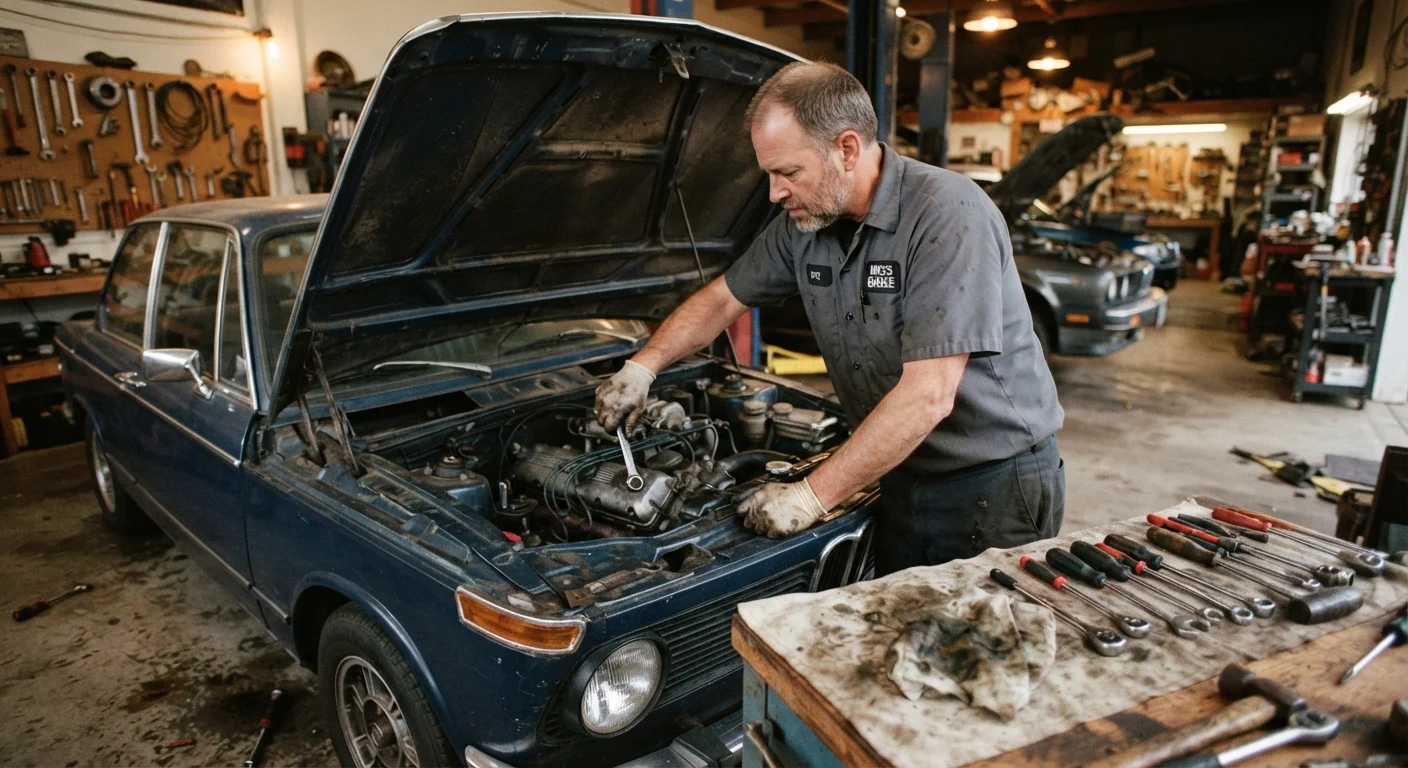
Ask any experienced mechanic what separates a car that hits 200,000 miles from one that breaks down at 90,000, and the answer is rarely the badge on the hood. It's how the vehicle was treated - day after day, mile after mile. The habits you build around maintenance and driving behavior compound over time, much like financial decisions. Neglecting small things creates conditions for large, expensive failures. Staying consistent with fundamentals keeps most of those failures from ever arriving.
This isn't about being obsessive. It's about understanding which actions actually move the needle, and doing them reliably. The practices below are grounded in established automotive engineering principles and widely shared mechanic consensus - not folklore or marketing. For a closer look at what happens financially when upkeep gets skipped, see why deferred maintenance always costs more.
Core Maintenance Habits That Protect Every Major System
The following practices address the areas where consistent action delivers the greatest long-term payoff. Think of them as a maintenance floor - the minimum that keeps your car aging well.
Change engine oil and filter on the interval specified in your owner's manual - not by mileage rules of thumb.
Oil degrades thermally and chemically with use, losing its ability to cushion moving metal surfaces and suspend combustion byproducts. Running degraded oil is one of the leading causes of premature engine wear. Manufacturer intervals are calculated for your specific engine's tolerances and the oil type it uses.
Check and top off all fluids - coolant, brake fluid, power steering fluid, and transmission fluid - every few months.
Each fluid in a car performs a specific function: temperature regulation, hydraulic pressure transfer, lubrication. Low or degraded fluid in any system accelerates component wear and can cause sudden failures that are far more expensive than a fluid top-off.
Rotate tires every 5,000-7,500 miles and maintain manufacturer-specified inflation pressure.
Tires wear unevenly based on their position on the vehicle. Front tires on front-wheel-drive cars bear the majority of steering and braking forces and wear faster at the edges. Rotation evens wear across all four, extending total tread life. Correct inflation reduces rolling resistance and protects sidewalls.
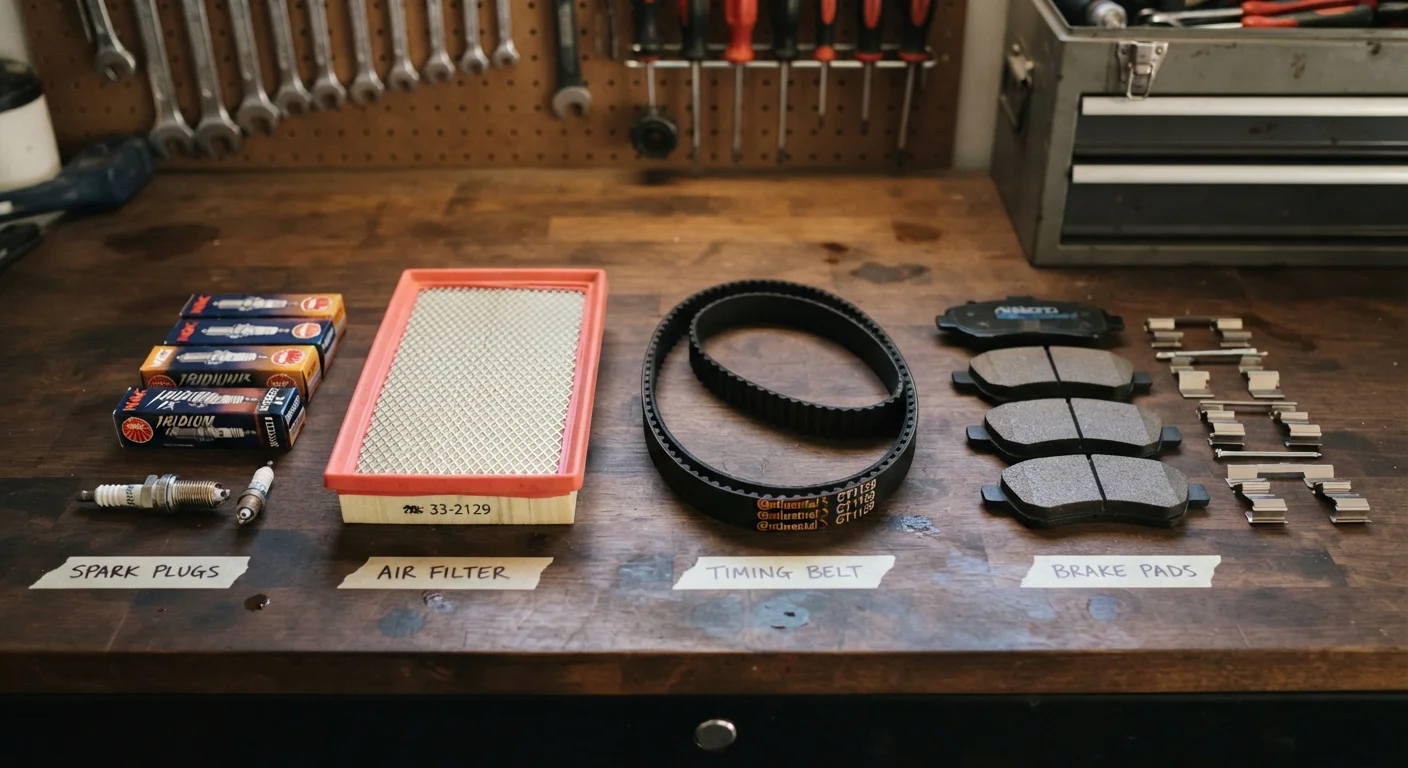
Replace air and cabin filters at manufacturer-recommended intervals - or sooner in dusty environments.
A clogged engine air filter restricts airflow, forcing the engine to work harder and reducing fuel efficiency. A dirty cabin air filter strains the HVAC blower motor. Both are inexpensive to replace and protect costlier downstream components.
Inspect belts and hoses visually every year and replace them on the service schedule, not after failure.
Timing belts, serpentine belts, and coolant hoses have finite service lives and typically fail without much warning. A snapped timing belt on an interference engine can destroy the engine entirely. Scheduled replacement is a fraction of the cost of failure-driven repair.
For a detailed breakdown of how long specific components are actually designed to last, the real lifespan of common car parts is a useful planning reference.
Drive the Way the Engineers Intended
Mechanical wear accelerates when a vehicle is pushed harder than everyday use requires. Aggressive acceleration forces the engine, transmission, and drivetrain to handle stress spikes they weren't optimized for. Hard, late braking heats rotors unevenly and glazes brake pads faster than gradual stops do. High-speed cornering loads tires and suspension bushings in ways that shorten their service life.
None of this means driving slowly or timidly. It means applying inputs smoothly - building speed progressively, braking early, and steering deliberately. These habits reduce the cumulative stress on virtually every moving part in the car simultaneously. Pair good driving habits with sound cost management; smart habits that keep long-term car costs under control shows how behavior and budgeting reinforce each other.
Small Checks That Prevent Big Failures
Modern cars are good at hiding developing problems - until those problems become serious. Building a habit of brief visual inspections once or twice a month takes under five minutes and catches the warning signs that sensors don't always flag early: low coolant color, uneven tire wear, weeping fluid around hoses, or a battery terminal developing corrosion. Each of these, caught early, is a straightforward fix. Caught late, each can strand you or cascade into a far larger repair.
Tire condition deserves special attention because it affects safety, fuel economy, and drivetrain load simultaneously. A complete guide to tire care from inflation to rotation covers what to look for and how often to act. If you drive an older vehicle, the trade-offs of owning a high-mileage car explains how inspection frequency should increase as mileage climbs.
When in Doubt, Consult a Qualified Mechanic
Visual inspections and owner's manual schedules cover the basics, but some diagnostic work requires professional tools and training. If a warning light stays on, a noise doesn't resolve, or you're unsure what a fluid or component looks like in good condition, have a licensed mechanic take a look. Early professional input is almost always cheaper than waiting until symptoms worsen.
Finally, it's worth separating evidence-based habits from persistent myths. Practices like extended engine warm-ups in winter or changing oil based on color alone are outdated. Car maintenance myths that keep costing drivers money is a straightforward corrective if you've inherited any of those habits.