The Hidden Cost of Putting It Off
Routine maintenance feels like an expense you can postpone - until it isn't. An oil change, a tire rotation, or a brake inspection each costs a modest amount on its own. But when these tasks are skipped repeatedly, the compounding damage they allow can turn a $70 service into a $4,000 repair. That's not an exaggeration; it's how most major mechanical failures actually unfold.
Young homeowners managing multiple monthly costs - mortgage, insurance, fuel, registration - often treat car upkeep as a variable expense to trim when money is tight. The financial logic sounds reasonable in the short term. In practice, deferred maintenance compounds into expensive breakdowns in ways that are almost always more disruptive and more costly than the original service would have been.
Understanding exactly where these costs come from - and why they happen - makes it far easier to stay ahead of them. The mistakes below are the most common, and the most preventable.
Skipping or delaying oil changes beyond the manufacturer's recommended interval.
Why it happens: Drivers underestimate how quickly engine oil degrades, especially under city driving or high-heat conditions. The old "every 3,000 miles" rule has also led to confusion about what modern engines actually need.
Ignoring tire pressure and skipping scheduled tire rotations.
Why it happens: Tire pressure loss is gradual and often invisible until a tire is significantly underinflated. Rotations feel optional when tires appear fine to the naked eye.
Putting off brake inspections until noise or vibration appears.
Why it happens: Brakes are easy to overlook because they degrade gradually. Drivers often interpret early warning sounds as temporary, waiting for a more dramatic signal before acting.
Neglecting coolant, transmission fluid, and other fluid flushes on schedule.
Why it happens: These services are less visible and less frequently discussed than oil changes, so many drivers simply don't know they exist on a schedule - or assume they're optional.
Dismissing dashboard warning lights as minor or waiting to see if they resolve on their own.
Why it happens: Warning lights can appear for relatively minor reasons, which leads some drivers to assume they're always low-priority. Busy schedules make it easy to keep driving while planning to "deal with it later."
The Real Financial Math Behind Upkeep
~$100
Typical cost of a standard oil change service
Industry service data suggests a routine oil and filter change generally costs between $50 and $150, depending on oil type and vehicle - compared to engine repairs that can run $3,000 or more.
~$1,200
Average unplanned car repair cost per incident
AAA has reported that unexpected vehicle repairs often run between $500 and $2,000 or more, with costs rising sharply when damage results from neglected maintenance.
Automotive repair data consistently shows that the most expensive failures - engine seizures, transmission replacements, warped rotors - almost always have a maintenance-related root cause. Industry estimates suggest that regular preventive maintenance can reduce the likelihood of a major breakdown significantly, though exact figures vary by vehicle type and driving conditions.
For young drivers balancing ownership costs, a basic budgeting framework that sets aside $50-$100 per month for routine maintenance is generally far less painful than absorbing a $2,000-$6,000 repair bill with no warning. The habits that keep long-term car costs under control are rarely complicated - they mostly come down to following a schedule and not rationalizing delays.
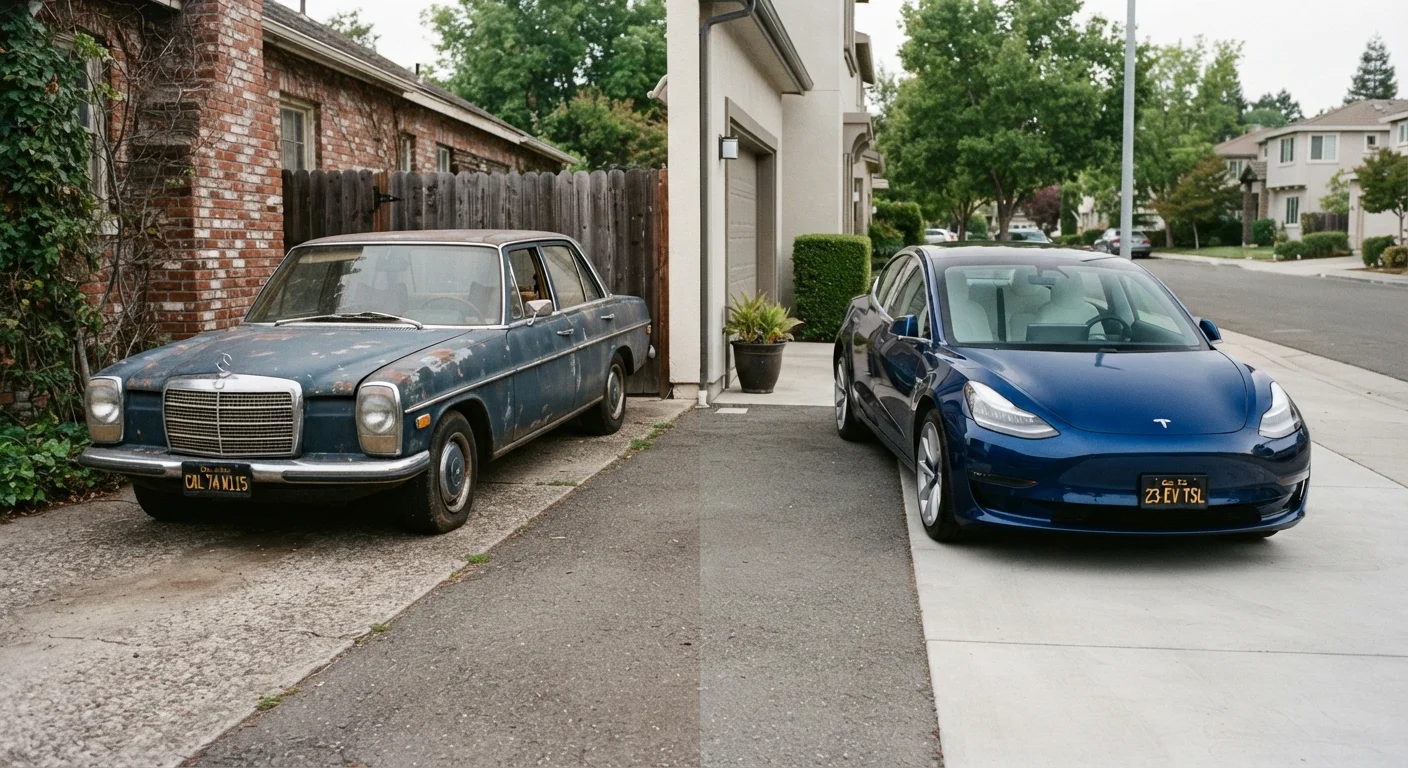
If you drive an older vehicle, the stakes are even higher. Older cars carry greater repair risk precisely because their components have accumulated wear - meaning any neglected service interval hits harder than it would on a newer vehicle still under warranty protection.
Your Owner's Manual Sets the Standard
Generic maintenance advice - including intervals you hear from friends or see on quick-lube shop stickers - may not match what your specific vehicle actually needs. Manufacturer recommendations in your owner's manual are based on engineering data for your engine, transmission, and operating conditions. Following those intervals, rather than guesswork, is the single most reliable way to protect your vehicle and control long-term costs.
For tire-specific upkeep - one of the most frequently skipped items - see our detailed guide on tire care from inflation to rotation. And if you're uncertain which tasks you can handle yourself versus which ones require a qualified mechanic, this breakdown of DIY vs. professional service is worth reading before you decide.
The same principle applies well beyond your vehicle. Deferred home maintenance compounds the same way - small neglected tasks quietly escalate into structural and financial problems. Routine upkeep, whether on a car or a home, is almost always cheaper than the alternative.