Depreciation: The Cost That Hits Newest Cars Hardest
Depreciation is the single largest ownership cost most drivers never see on a receipt. A new vehicle can lose roughly 15-25% of its value in the first year alone, with the steepest drop occurring the moment it leaves the lot. By year three, many vehicles have shed close to 40% of their original purchase price, according to broad automotive valuation data.
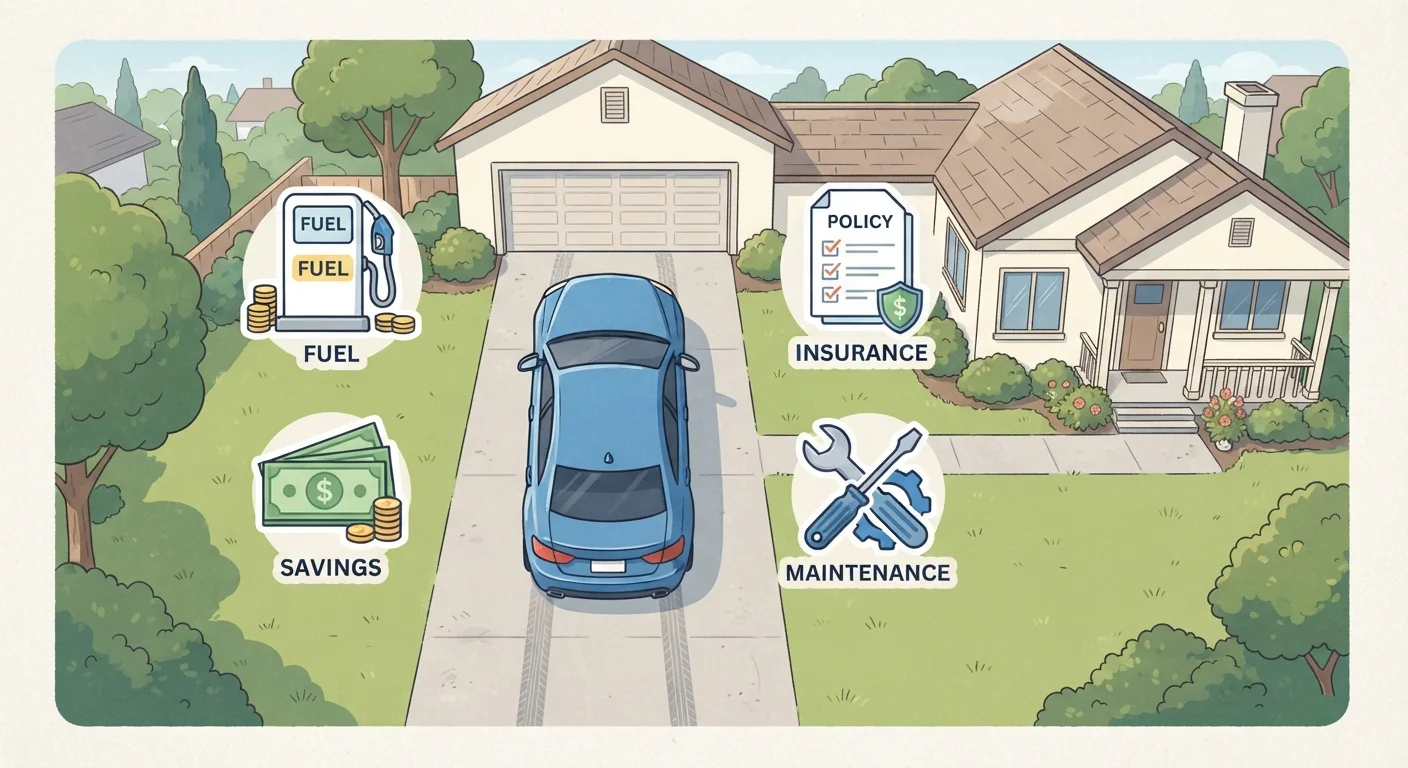
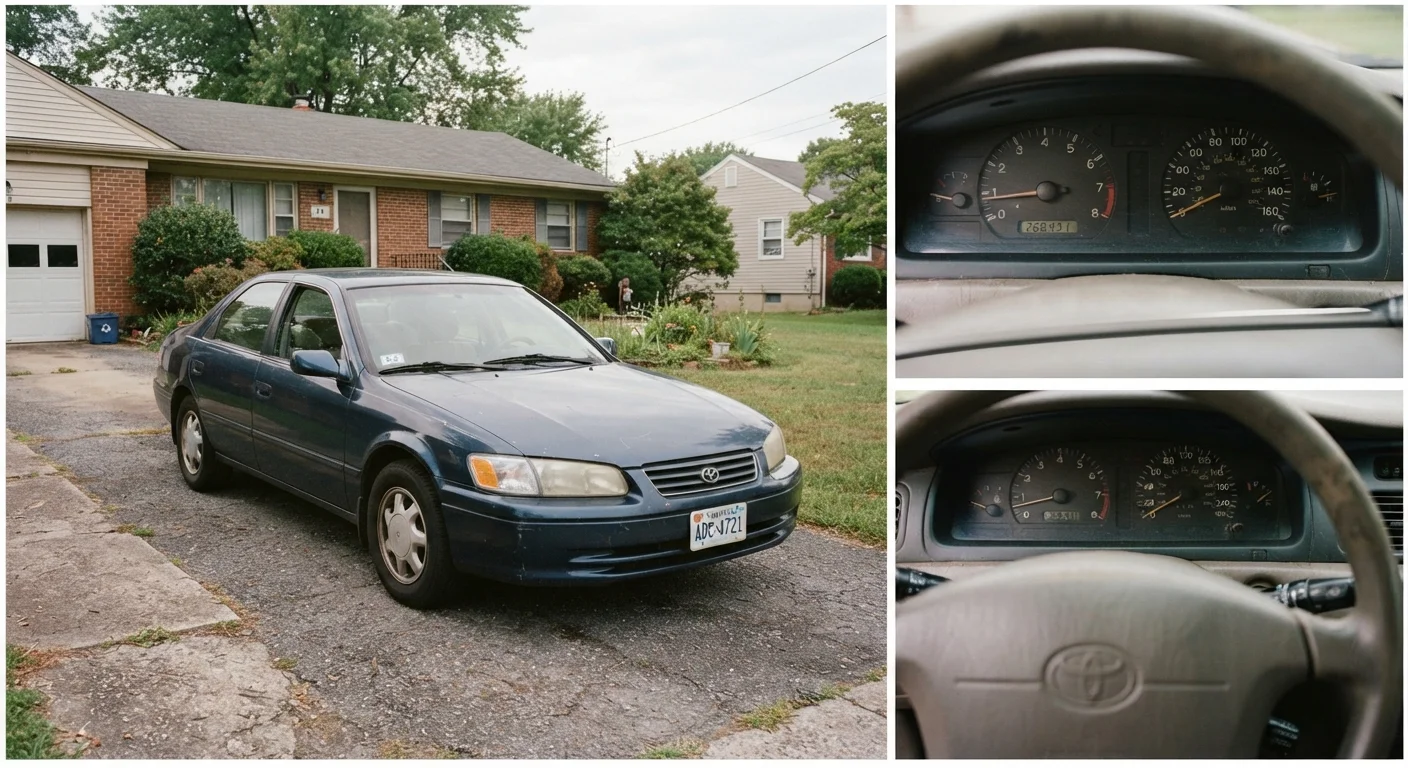
An older car - say, one already seven or more years old - has already absorbed most of that hit. When you buy it, someone else has funded that loss. You're essentially purchasing a vehicle whose market value has largely stabilized. This is one of the most compelling financial arguments for going older, and it's worth weighing alongside every other cost category. See the full picture of ownership costs to understand how depreciation fits alongside insurance, fuel, and maintenance in your annual budget.
| Cost Category | Older Car (7+ Years) | Newer Car (0-3 Years) | |
|---|---|---|---|
| Depreciation | Minimal - value mostly stabilized | Steep - up to 40% by year three | |
| Repair Frequency | Higher risk, no warranty coverage | Lower risk, manufacturer warranty applies | |
| Insurance Premium | Often lower; full coverage optional | Higher; full coverage typically required | |
| Registration Fees | Generally lower in value-based states | Often higher due to newer model year | |
| Financing Interest | Avoidable if purchased outright | Common; adds cost over loan term | |
| Fuel Economy | Typically lower efficiency | Generally better fuel efficiency | |
| Safety Technology | Limited modern driver-assist features | Advanced safety systems standard |
Repair and Maintenance: Risk vs. Predictability
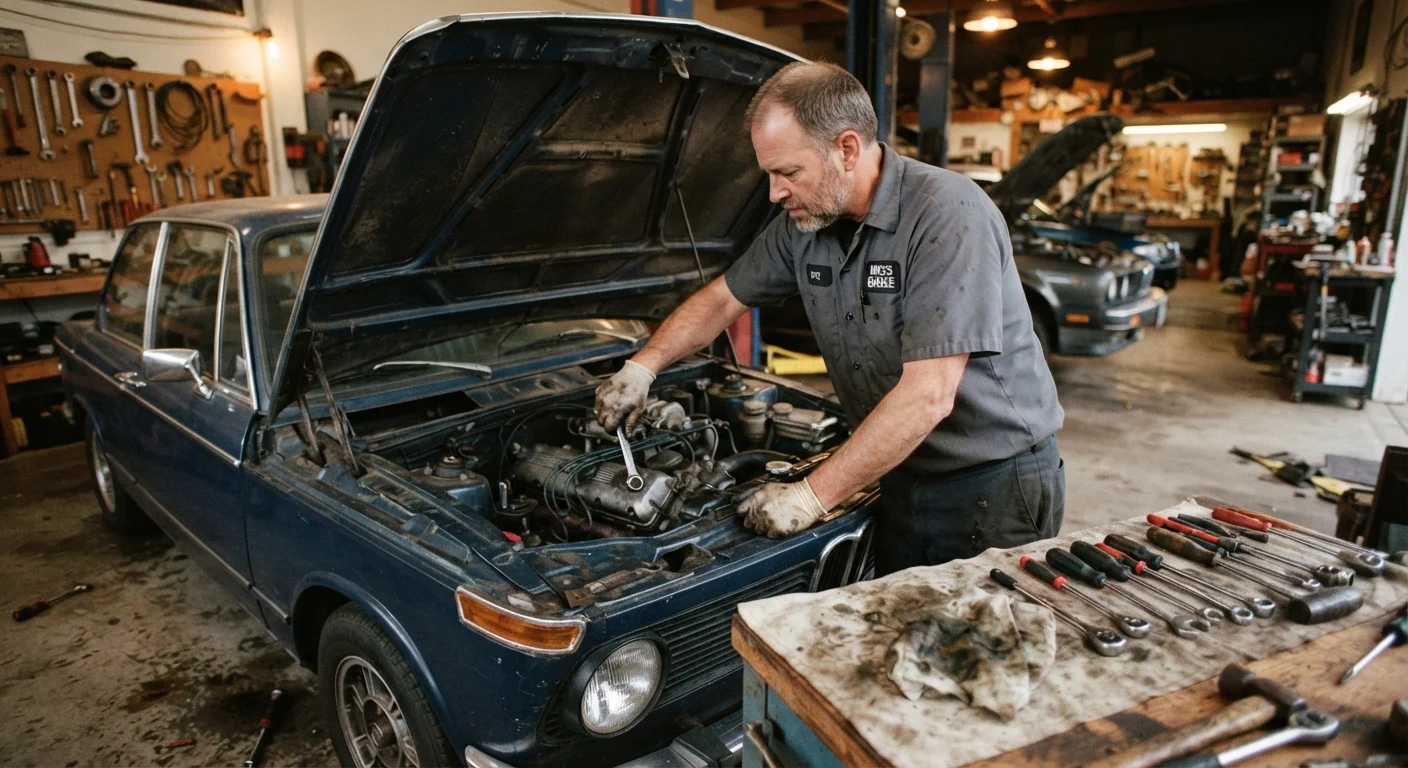
This is where older cars can quietly erode the savings they generate. Components wear with use - rubber seals, timing belts, water pumps, and suspension parts all have finite lifespans. An older vehicle with 100,000+ miles is statistically more likely to require significant repairs in any given year than a newer one under warranty.
New cars typically come with a manufacturer's bumper-to-bumper warranty (commonly 3 years or 36,000 miles) and a powertrain warranty extending further, often 5 years or 60,000 miles. That coverage shifts repair costs away from your wallet during a critical window. Older vehicles have no such safety net unless you purchase a separate extended service contract - and those come with their own cost and exclusions worth scrutinizing carefully.
That said, a well-maintained older car with a documented service history can outperform a neglected newer one. Routine maintenance is never optional - skipping it compounds repair costs regardless of a car's age. For a deeper look at what high mileage really means day-to-day, the trade-offs of high-mileage ownership are worth understanding before you commit.
Check the Maintenance History Before Buying
When evaluating an older vehicle, request service records and consider a pre-purchase inspection from an independent mechanic. A car with consistent oil changes, timely belt replacements, and documented brake work is far less risky than one with gaps in its history. Spending a modest amount on a pre-purchase inspection can prevent a far more expensive surprise after you've signed.
Insurance, Registration, and Financing Costs
Insurance costs hinge on multiple factors - your driving record, location, coverage level - but the car's age and value play a direct role. Collision and comprehensive coverage is priced against the vehicle's actual cash value. An older car with a low market value may not justify carrying full coverage at all, which can meaningfully reduce your premium. A newer car, especially one financed, typically requires full coverage as a lender condition.
Registration fees vary by state, but many states base annual fees partly on vehicle value or model year. Newer vehicles often carry higher registration costs in these states. On financing, newer cars are almost always financed at interest, adding thousands over the loan term. Buying an older car outright - or with a very short loan - eliminates that interest cost entirely.
These lesser-known line items are explored further in hidden expenses that catch new car owners off guard, including gap insurance requirements that apply specifically to financed new vehicles.
Fuel Economy and Technology Considerations
Fuel efficiency has improved consistently across the industry over the past decade. A newer vehicle is generally more fuel-efficient than its older equivalent in the same class, which matters if you drive significant annual mileage. The savings vary by vehicle type and driving pattern, but even modest improvements in miles-per-gallon add up over tens of thousands of miles.
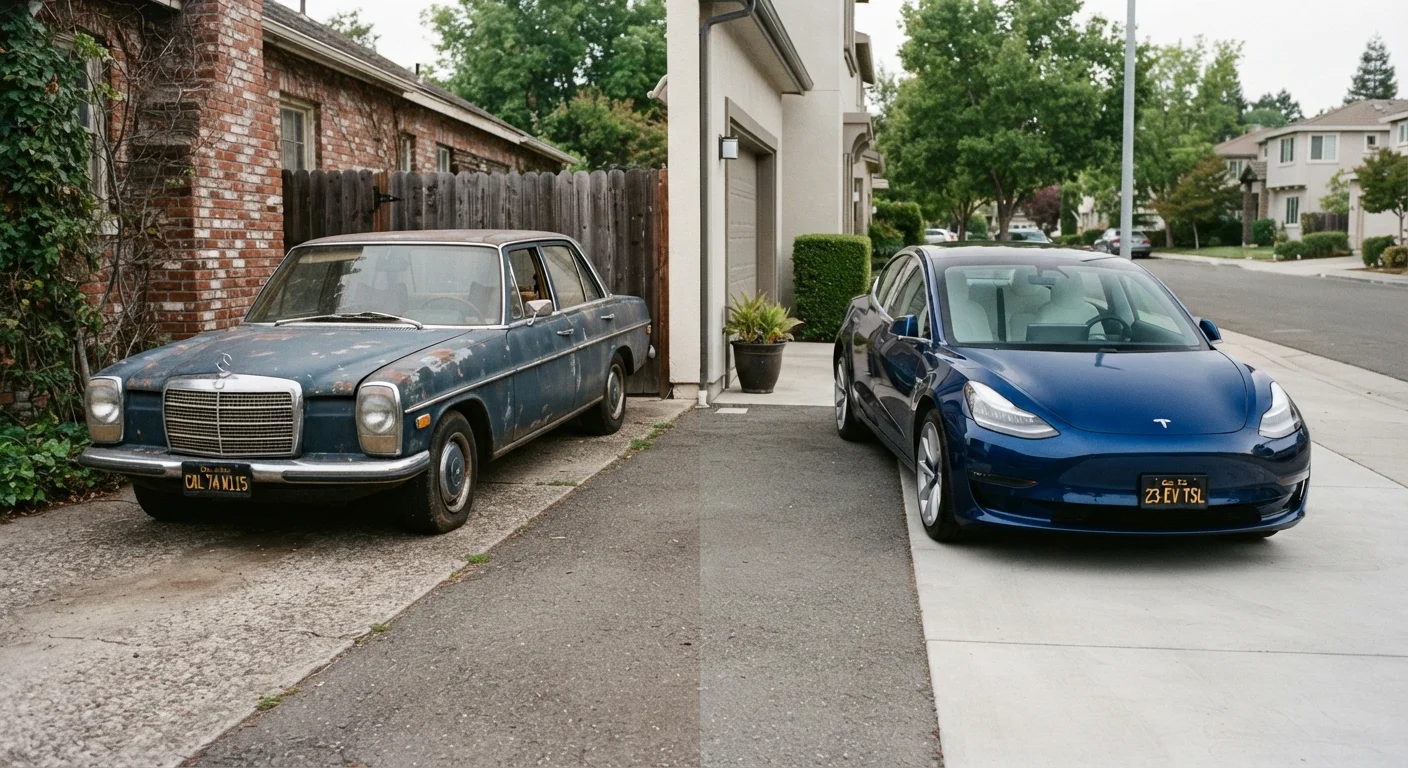
Modern vehicles also carry more advanced safety technology - automatic emergency braking, lane-keeping assist, blind-spot monitoring - that older cars simply lack. While these features don't carry a direct dollar cost in daily use, they represent real value in collision risk reduction, which can influence insurance outcomes and out-of-pocket accident costs over time. If you're weighing an electric vehicle as a newer alternative, the gas vs. electric cost comparison breaks down how fuel and charging costs stack up across powertrains.
Ultimately, the smartest path is building habits that reduce long-term costs regardless of which vehicle age you choose - because how you maintain and operate any car shapes your total spend as much as what you paid for it.