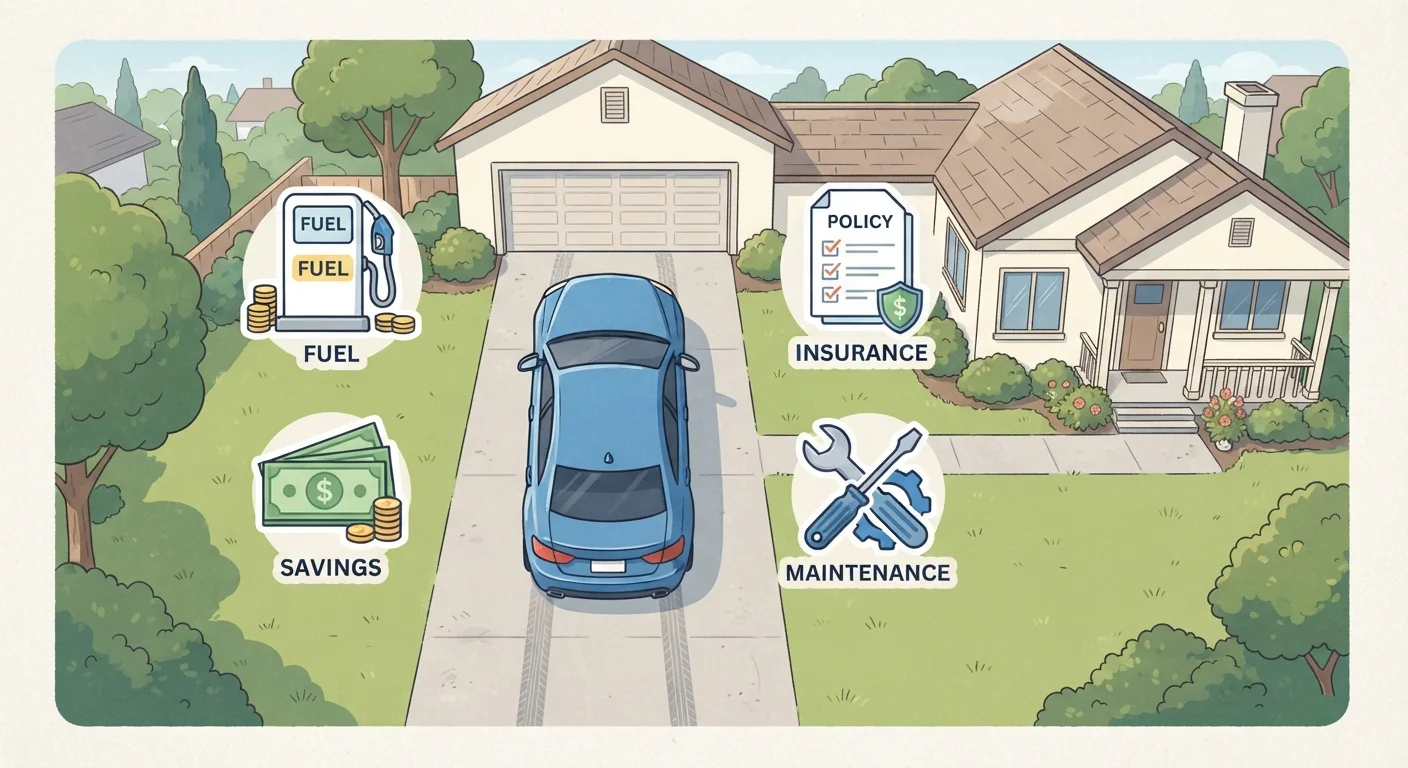
Fuel and Charging: What You Pay to Move
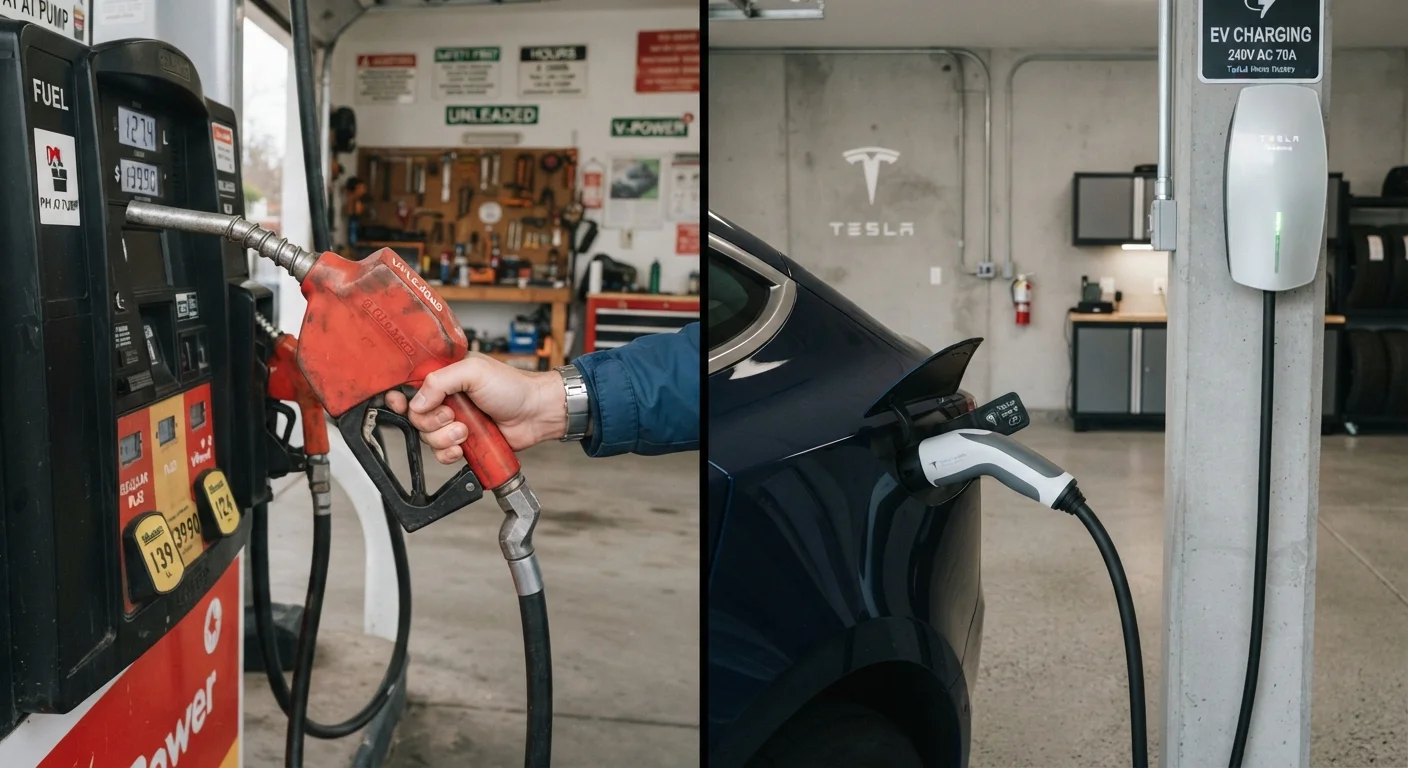
For most drivers, fuel is the most visible ongoing cost. The U.S. Department of Energy estimates that the average cost to drive an electric vehicle is roughly equivalent to paying around $1.00-$1.50 per gallon in gasoline terms, though actual savings depend on local electricity rates and the vehicle's efficiency rating. Gasoline prices fluctuate regionally and seasonally, adding a layer of unpredictability gas drivers know well.
If you drive approximately 15,000 miles per year, a gas vehicle averaging 30 mpg at $3.50/gallon costs roughly $1,750 annually in fuel. A comparable EV consuming about 3.5 miles per kWh at $0.14/kWh costs closer to $600 per year - though rates vary significantly by state and utility provider. Charging at public fast-chargers is more expensive than home charging and can erode that gap.
~$1,000+
Estimated annual fuel savings for EV vs. gas
The U.S. Department of Energy estimates average yearly fuel cost savings for EV owners compared to gas vehicle owners, based on national average electricity and gasoline prices.
8 yrs / 100K mi
Standard EV battery warranty coverage
Federal law requires EV manufacturers to warranty the battery and electric drive components for at least 8 years or 100,000 miles, whichever comes first.
$50-$200+
Annual EV road-use fee range by state
Many U.S. states have enacted annual registration surcharges for electric vehicles to offset lost gasoline tax revenue used for road maintenance funding.
For a fuller picture of all the costs that go beyond the pump or plug, see the true cost of car ownership.
Maintenance: Where EVs Gain a Structural Advantage
Electric vehicles eliminate several maintenance categories entirely. There are no oil changes, no spark plugs, no timing belts, and no transmission fluid services. Regenerative braking - which captures energy during deceleration - also reduces brake wear, meaning brake pad replacements happen less frequently than on gas vehicles.
Gas vehicles, by contrast, require regular oil and filter changes (typically every 5,000-7,500 miles for modern engines), along with a longer list of scheduled services tied to their more complex drivetrains. Consumer Reports has consistently found that EV owners report lower average maintenance and repair costs than gas vehicle owners over comparable ownership periods.
One important caveat: EV battery replacement, if needed outside warranty, can be a significant expense. Most manufacturers offer battery warranties of 8 years or 100,000 miles. Understanding what's covered - and what isn't - matters when budgeting long-term. Reviewing a car ownership cost glossary can help clarify terms like total cost of ownership (TCO) before you sign anything.
Insurance, Registration, and Hidden Fees
EVs tend to carry higher insurance premiums on average, largely because their higher purchase prices and more expensive parts translate to higher claim payouts for insurers. Repair costs for EV-specific components - like battery modules or electric motors - can be higher than comparable gas vehicle repairs, which is reflected in premiums.
Registration and road-use fees add another layer of variation. Many states have introduced annual EV surcharge fees to compensate for lost gasoline tax revenue - a funding source for road maintenance that EV drivers don't contribute to at the pump. These fees range from around $50 to over $200 annually depending on the state. State-by-state registration and tax differences can be substantial and should factor into your budget.
| Criterion | Gas Vehicle | Electric Vehicle |
|---|---|---|
| Average annual fuel cost | ~$1,500-$2,500 | ~$500-$800 (home charging) |
| Routine maintenance cost | Higher (oil, filters, more services) | Lower (fewer moving parts) |
| Average insurance premium | Generally lower | Generally higher |
| Registration/road-use fees | Standard state fees | Standard + EV surcharge in many states |
| Purchase price (entry-level) | Lower on average | Higher, offset by incentives |
| Refueling convenience | Widespread gas station network | Home charging + growing public network |
| Federal tax incentive | None standard | Up to $7,500 (if eligible) |
Incentives, Depreciation, and the Longer View
Federal tax credits of up to $7,500 are available for qualifying new EVs under current IRS guidelines, subject to income limits and vehicle eligibility rules. Several states layer on additional rebates or credits. These incentives can meaningfully reduce the effective purchase price - but they're not universal, and rules change. Always verify current eligibility through official government sources before factoring them into a purchase decision.
Depreciation is worth tracking too. EVs have shown steeper depreciation curves than gas vehicles in some segments, though that gap has been narrowing as consumer demand has grown. Your driving habits compound all of these factors over time - smart ownership habits can reduce costs regardless of powertrain. If you're weighing this decision alongside lease versus buy considerations, the lease vs. buy cost angle is worth reading before committing.
This article provides general educational information about vehicle ownership costs and is not personalized financial or purchasing advice. Costs, incentives, and regulations vary by location and change over time. Consult official sources and qualified professionals for guidance specific to your situation.