
Why the Monthly Payment Is the Wrong Starting Point
Most lease vs. buy comparisons lead with the monthly payment - and that framing almost always favors leasing. A lease on a $35,000 vehicle might run $350-$450 per month, while financing the same car over 60 months could cost $600 or more. On the surface, leasing looks like the obvious winner.
But monthly payment size tells you almost nothing about total cost. What matters is what you're getting for that money over time. When you finance a purchase, each payment builds equity - the portion of the car you actually own. When you lease, you're paying for the vehicle's depreciation during your contract term, plus financing charges, and returning the car with nothing to show for it.
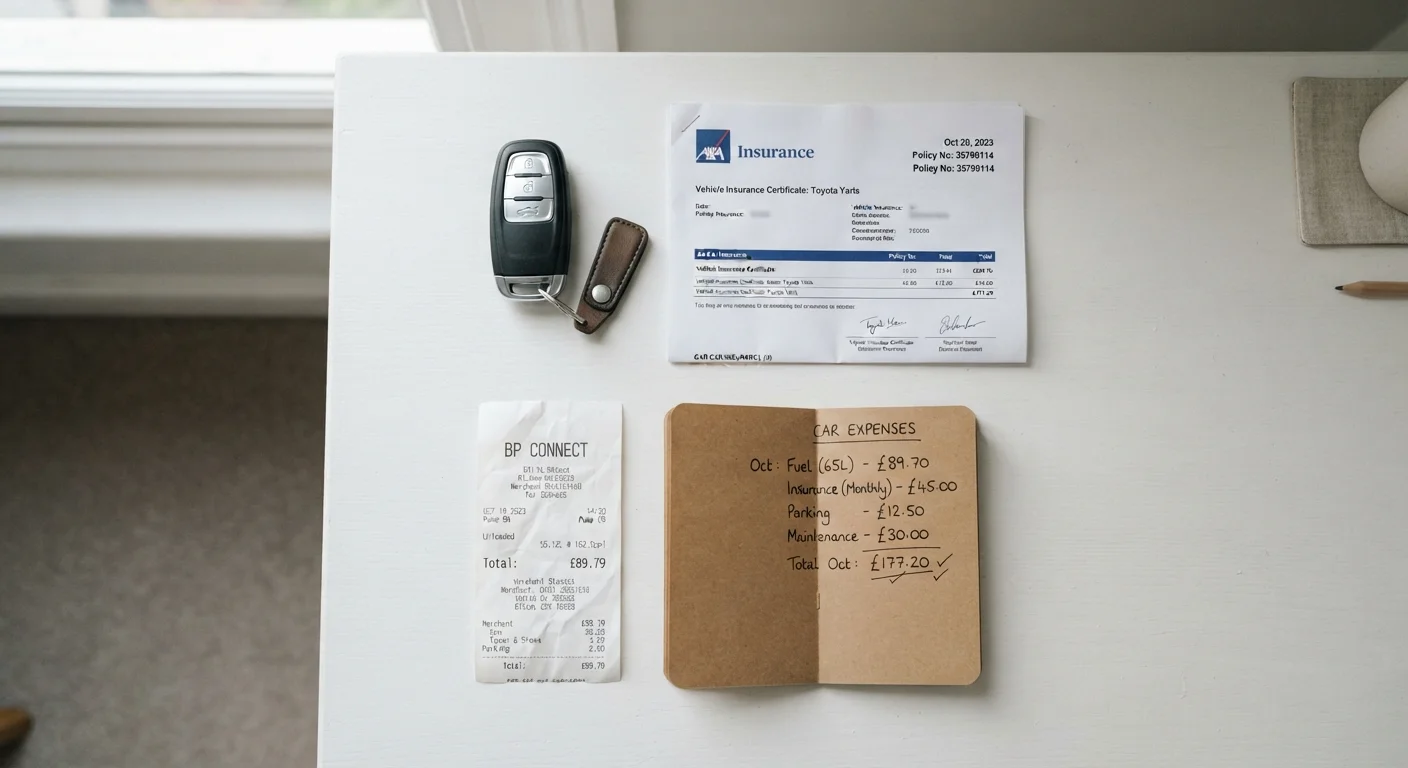
For a complete picture of all the dollars your vehicle costs beyond the payment itself, see our guide to the true cost of owning a car. Understanding that framework is essential before comparing leasing and buying fairly.
| Criterion | Leasing | Buying |
|---|---|---|
| Monthly payment | Lower (covers depreciation only) | Higher (covers full vehicle cost) |
| Equity built | None | Yes, grows over loan term |
| Mileage limits | Yes, typically 10,000-15,000/yr | None |
| Insurance requirements | Stricter, higher minimums | More flexible after loan payoff |
| Repair exposure | Low (usually under warranty) | Higher after warranty expires |
| End-of-term outcome | Return car, start over | Own asset outright |
| Modification allowed | No | Yes |
| Gap insurance needed | Usually required | Often optional |
The Cost Categories Most Budgets Ignore
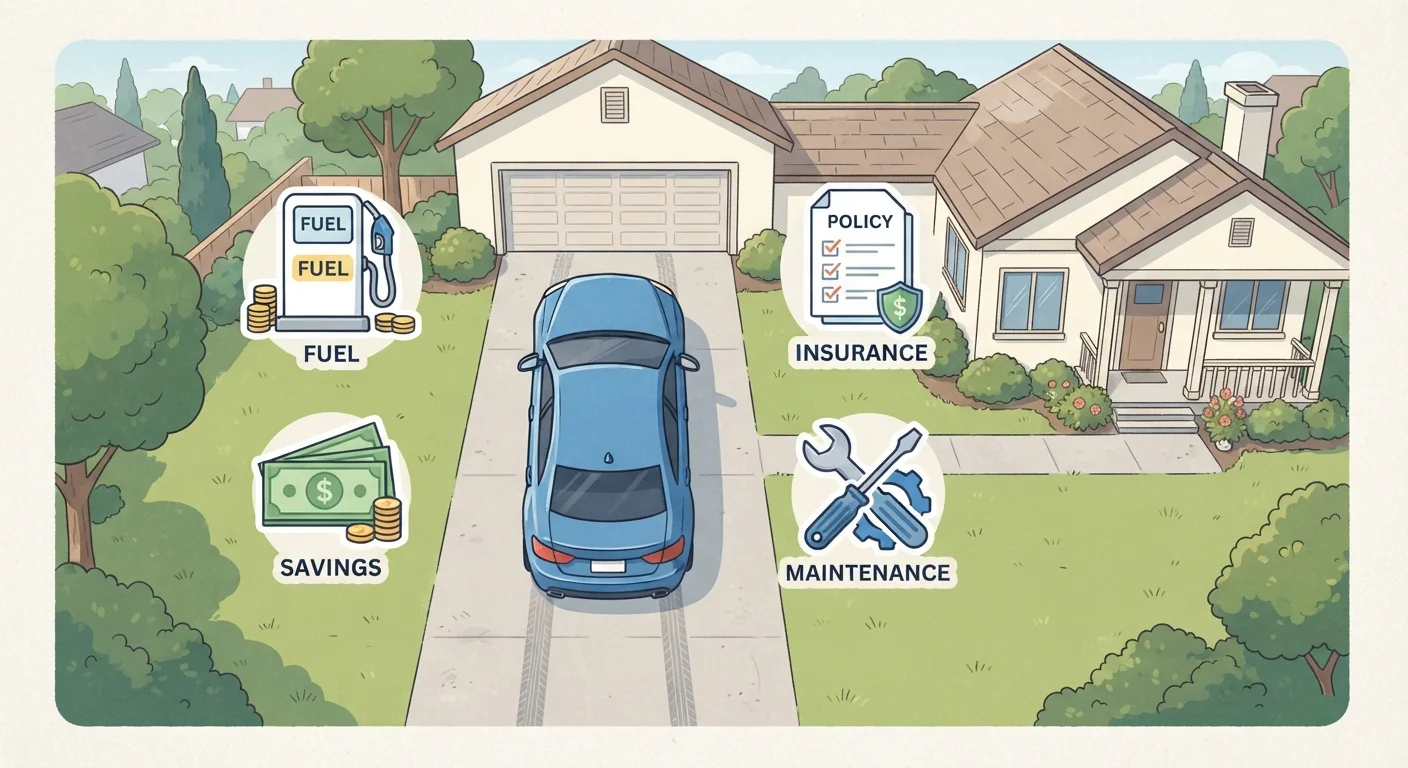
Insurance: Lessors - the companies that own the car you're leasing - require you to carry higher liability and comprehensive coverage than many lenders do on financed vehicles. That typically means lower deductibles and higher coverage limits, which translates directly to a higher premium. Gap insurance, which covers the difference between what you owe and what the car is worth if it's totaled, is also commonly required on leases and adds another line item. Our article on hidden expenses that catch new car owners off guard covers gap coverage in more detail.
Registration and Taxes: In most states, you still owe sales tax when leasing - often rolled into monthly payments. Some states tax the full vehicle value upfront even on a lease. Registration fees apply regardless of whether you own or lease. These costs are real and recurring on both paths.
Maintenance: Leased vehicles are almost always newer and under factory warranty, which caps most repair costs. Buyers of older or higher-mileage vehicles face more repair exposure. However, many leases include mileage caps (typically 10,000-15,000 miles per year), and returning a car with excessive wear or extra miles triggers fees that can run into the hundreds or thousands of dollars at turn-in.
~49%
New vehicle value lost in first 3 years
According to industry data from vehicle valuation services, most new cars lose roughly half their value within three years of purchase.
$0.25/mi
Typical lease mileage overage fee
Many lease agreements charge between $0.15 and $0.25 per mile over the contracted annual limit, per standard dealer lease terms.
~$700-$1,200
Average annual gap between lease and loan total cost
Consumer finance research consistently finds that over a five-year period, leasing the same vehicle costs more in total dollars than financing a purchase.
If you want a plain-language breakdown of terms like residual value, money factor, and total cost of ownership, our car ownership cost glossary is a useful reference before signing anything.
The Long Game: Where Buying Pulls Ahead
Depreciation is the largest single cost of new vehicle ownership - typically 15-25% of a car's value in the first year alone. Lessees absorb this cost through their monthly payments without gaining ownership. Buyers absorb it too, but as the loan pays down and the depreciation curve flattens (usually after year three), the gap between what they owe and what the car is worth shrinks.
By year five or six, many buyers own a vehicle outright. That's when the financial equation flips sharply in their favor: no more payments, an asset that can be sold, and full control over insurance levels and usage. Lessees at that same point are starting their third lease cycle, still paying indefinitely.
For homeowners managing a mortgage alongside car costs, eliminating a car payment is meaningful. It frees up cash flow that can go toward home maintenance reserves, insurance, or an emergency fund - all of which matter more than a slightly lower payment today. Our total cost of ownership guide walks through how to model this over a multi-year horizon.
This article provides general financial information for educational purposes and does not constitute personalized financial or legal advice. For decisions specific to your situation, consult a qualified financial professional.