What Total Cost of Ownership Actually Means
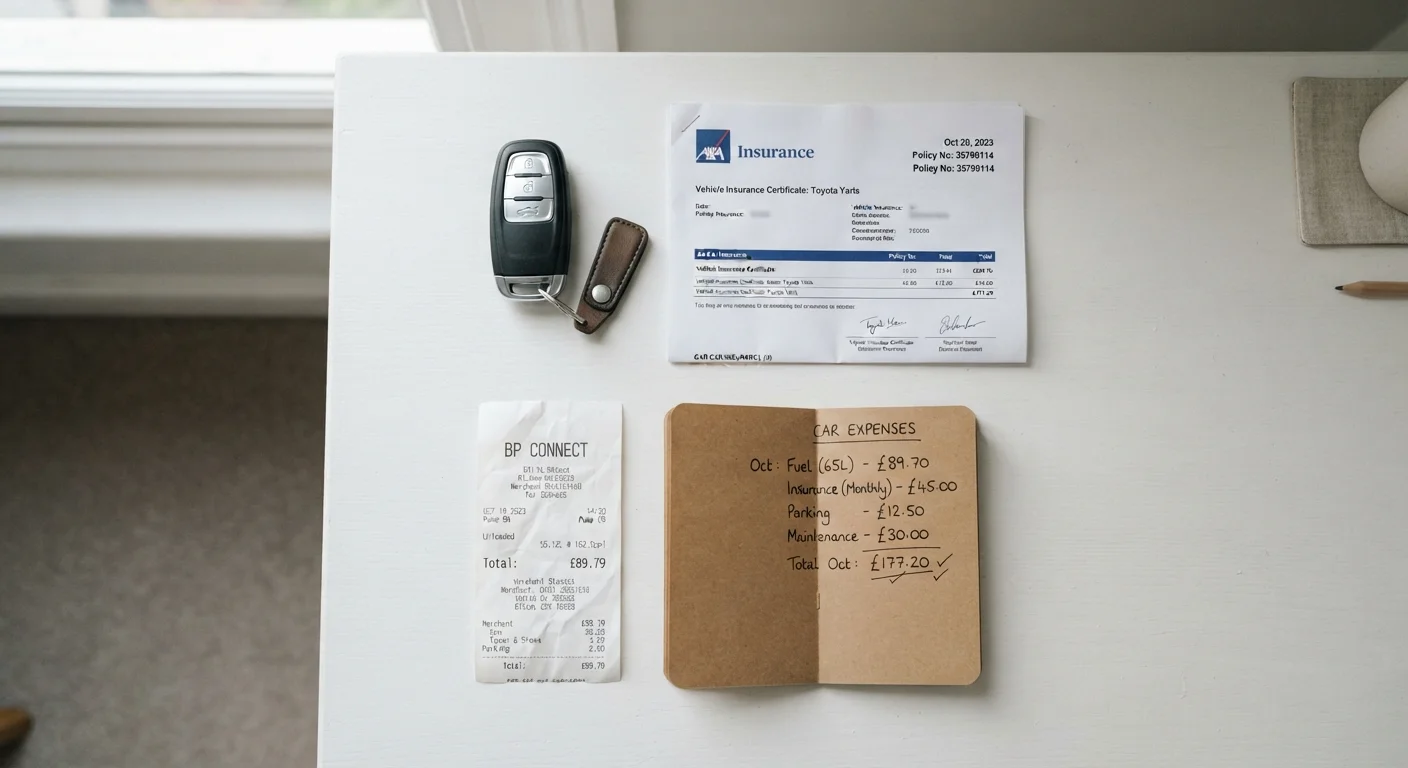
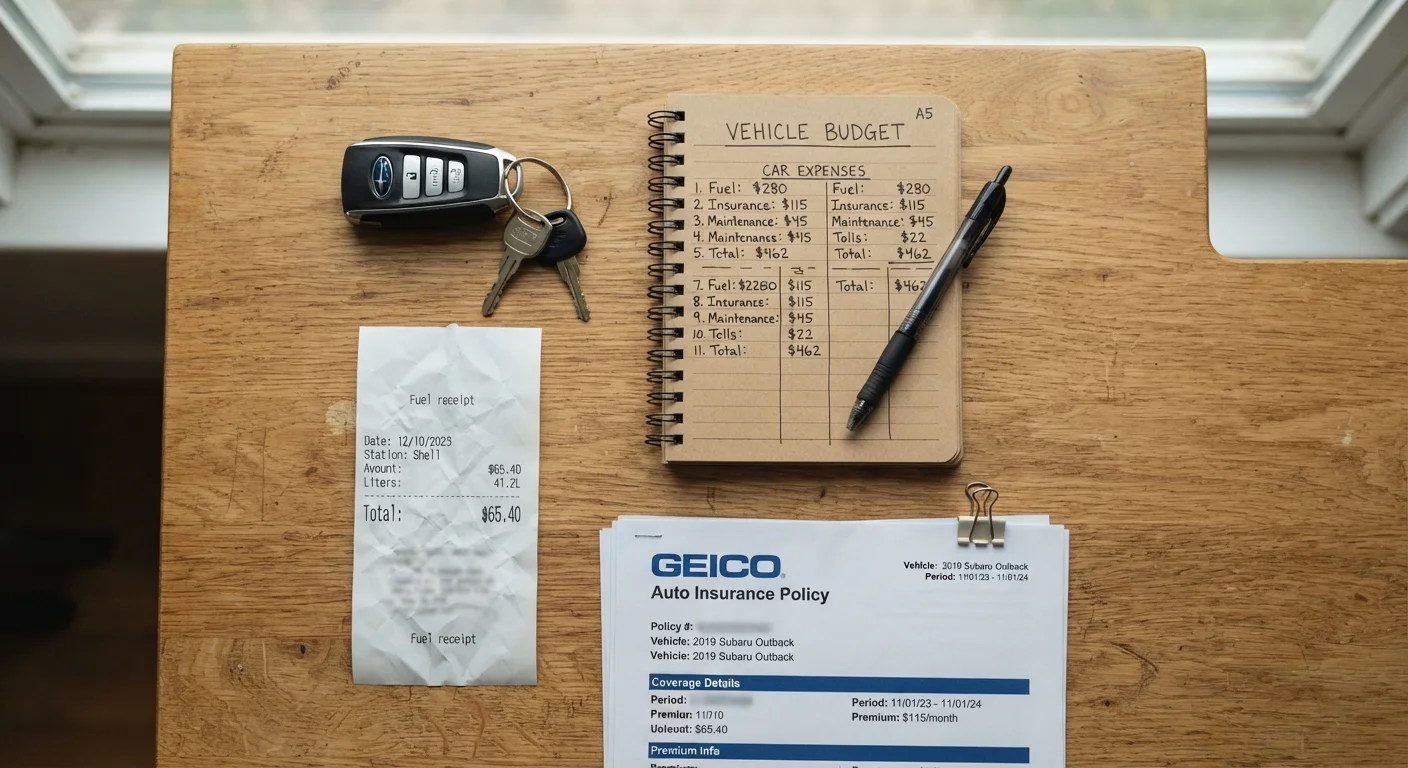
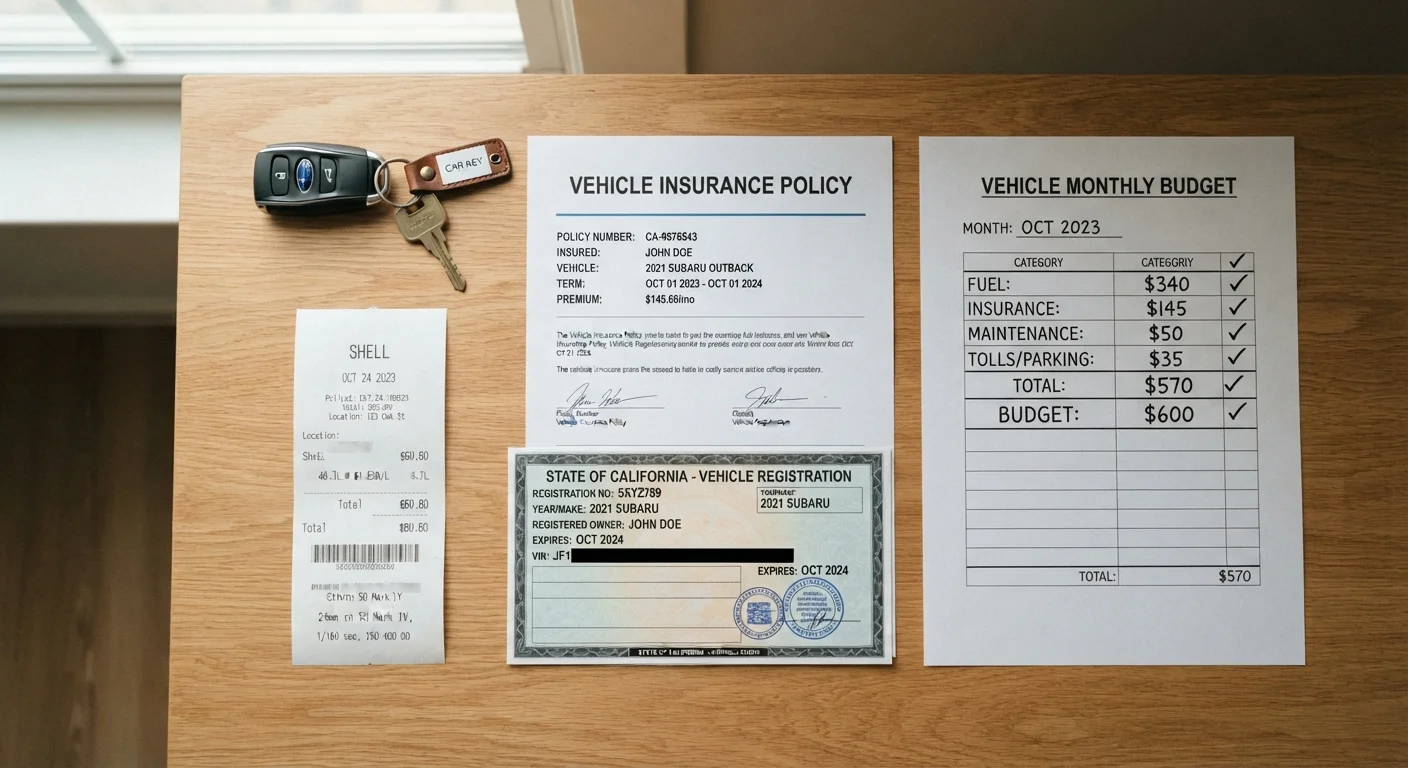
Total cost of ownership - commonly abbreviated as TCO - is a way of measuring what a vehicle truly costs you over the time you own it, not just what you paid at the dealership. The sticker price or loan payment is only the entry point. From that moment forward, a vehicle generates ongoing expenses that, in aggregate, can dwarf the purchase price itself.
TCO accounts for depreciation, insurance premiums, fuel, scheduled maintenance, unplanned repairs, registration fees, taxes, and financing interest. When you add these together across five or more years of ownership, the total often surprises drivers who only focused on monthly payments when they bought. For a plain-language breakdown of the financial terms tied to ownership, it helps to understand each component clearly before you calculate your own number.
The Fixed Costs You Can Plan For
Fixed costs are expenses that recur regardless of how much or how little you drive. They are the easiest to build into a monthly budget because they are largely predictable.
- Auto insurance: Premiums vary by coverage level, driving history, location, and the vehicle itself. A full-coverage policy on a newer vehicle costs more than liability-only on an older paid-off car. The Insurance Information Institute notes that the average annual premium in the U.S. has risen in recent years, making it a significant budget line for most drivers.
- Registration and taxes: Every state charges annual registration fees; some also levy personal property taxes on vehicles. These vary widely - a few hundred dollars per year in some states, considerably more in others.
- Loan interest: If you financed your vehicle, the interest paid over the life of the loan is a real ownership cost. A five-year loan at even a modest rate adds meaningfully to the total amount spent.
Start Your Budget Before You Buy
Running a TCO estimate before committing to a vehicle - not after - is where this framework delivers the most value. Knowing the projected five-year cost of two comparable vehicles can shift a decision entirely, even when the monthly payments look similar on the surface. Give yourself at least a week to model the numbers before signing.
For a structured approach to tracking all of these, the annual car ownership budget checklist walks through every recurring and one-off vehicle expense in one place.
The Variable Costs That Catch Drivers Off Guard
Variable costs fluctuate with use, driving conditions, and vehicle age. They are harder to predict precisely but can be estimated with reasonable accuracy.
~$12,000
Average annual cost to own and operate a vehicle
AAA's annual Your Driving Costs study estimates the average total annual cost of vehicle ownership for a new sedan, including depreciation and all operating expenses.
50%+
Depreciation by year five for new vehicles
Industry analyses from sources including Edmunds indicate most new passenger vehicles lose more than half their original value within five years of purchase.
15-25%
Value lost in the first year of new vehicle ownership
The steepest depreciation typically occurs in year one, making the first 12 months the most costly from a net-worth standpoint.
- Fuel: Gas spending depends on how many miles you drive, your vehicle's fuel economy rating, and local pump prices - all of which can shift. Tracking your actual miles-per-gallon against the EPA estimate gives you a realistic fuel budget.
- Routine maintenance: Oil changes, tire rotations, brake inspections, air filters, and fluid top-offs are scheduled and relatively low-cost individually. Skipping them, however, accelerates wear and inflates future repair bills.
- Unplanned repairs: As a vehicle ages, components fail. AAA research has consistently found that unexpected repair costs are among the top financial stressors for vehicle owners. Setting aside a monthly repair reserve - even a modest one - smooths out these spikes.
- Tires: A full set of replacement tires is a several-hundred-dollar expense that most drivers encounter every three to five years depending on mileage and driving style.
The car maintenance hub covers the upkeep schedule every owner should understand to avoid letting routine needs escalate into costly repairs.
Depreciation: The Biggest Cost Most Drivers Ignore
Depreciation is the difference between what you paid for the vehicle and what it is worth when you sell or trade it. It is not a bill you receive monthly, which is exactly why many drivers underestimate it - but it is consistently the largest single component of TCO for most passenger vehicles.
Industry data from sources like Edmunds and the Bureau of Transportation Statistics indicates that new vehicles can lose roughly 15-25% of their value in the first year alone, with cumulative depreciation reaching 50% or more by year five. The rate slows as the vehicle ages, but it never stops.
Used Vehicles: Lower Depreciation, Higher Repair Risk
Buying a used vehicle reduces the steepest depreciation hit, but older vehicles are more likely to need repairs beyond what a warranty covers. When calculating TCO for a used vehicle, weight your repair reserve estimate higher - particularly for vehicles beyond 100,000 miles or more than seven years old. A pre-purchase inspection by an independent, qualified mechanic is strongly advisable before committing.
Used vehicle buyers experience slower depreciation from the point of purchase, which is one reason a vehicle that is two to four years old can represent lower TCO over a comparable ownership period - though higher potential repair costs must be factored in on the other side of that equation.
How to Calculate Your Own TCO
You do not need specialized software to estimate your TCO. A simple spreadsheet works well. Add up the following over your intended ownership period:
- Purchase price minus expected resale value = your depreciation cost
- Total loan interest paid (if applicable)
- Insurance premiums × number of years owned
- Annual registration and taxes × number of years
- Fuel costs (estimated annual mileage ÷ MPG × average fuel price × years)
- Scheduled maintenance costs (use your owner's manual maintenance schedule)
- Estimated repair reserves (industry estimates suggest budgeting $50-$100/month for vehicles beyond warranty)
Divide the total by the number of months you plan to own the vehicle. That monthly TCO figure gives you a far more accurate picture of what your vehicle actually costs than the loan payment alone. Applying this to basic budgeting frameworks helps you see where your vehicle sits relative to your other major expenses.
When estimating fuel costs, use your actual observed MPG from your last three fill-ups rather than the EPA window sticker figure - real-world consumption often runs 10-15% lower than the rating.
The EPA itself notes that real-world fuel economy varies with driving style, weather, and load. Using observed data produces a more accurate budget line than the official estimate.
Build your repair reserve into a separate savings bucket the day you take ownership - not after the first unexpected bill arrives. Even $50 a month adds up to $600 a year before anything breaks.
Spreading the cost of eventual repairs over time prevents a single repair event from disrupting your broader monthly budget, which is especially important for drivers carrying mortgages or student loans simultaneously.
Using TCO to Make Smarter Ownership Decisions
Once you understand your TCO, it becomes a decision-making tool rather than just an accounting exercise. Comparing two vehicles? Calculate their projected five-year TCOs side by side - the one with the lower sticker price does not always win. A fuel-efficient compact with low insurance premiums and slow depreciation may cost thousands less over five years than a cheaper-to-buy truck with high fuel costs and faster depreciation.
The same logic applies to ongoing decisions: repairing an aging vehicle versus replacing it, adjusting coverage levels as a vehicle depreciates, or choosing between driving habits that affect fuel economy and wear. The practices outlined in smart habits that keep long-term car costs under control demonstrate how consistent, small decisions compound into real savings.
TCO thinking is not about optimizing every dollar - it is about removing blind spots so that your vehicle fits your financial life by design rather than by accident.
This article is for general informational and educational purposes only and does not constitute financial or legal advice. Consult a qualified financial professional for guidance tailored to your personal circumstances.