Engine Oil: The One You Hear About Most
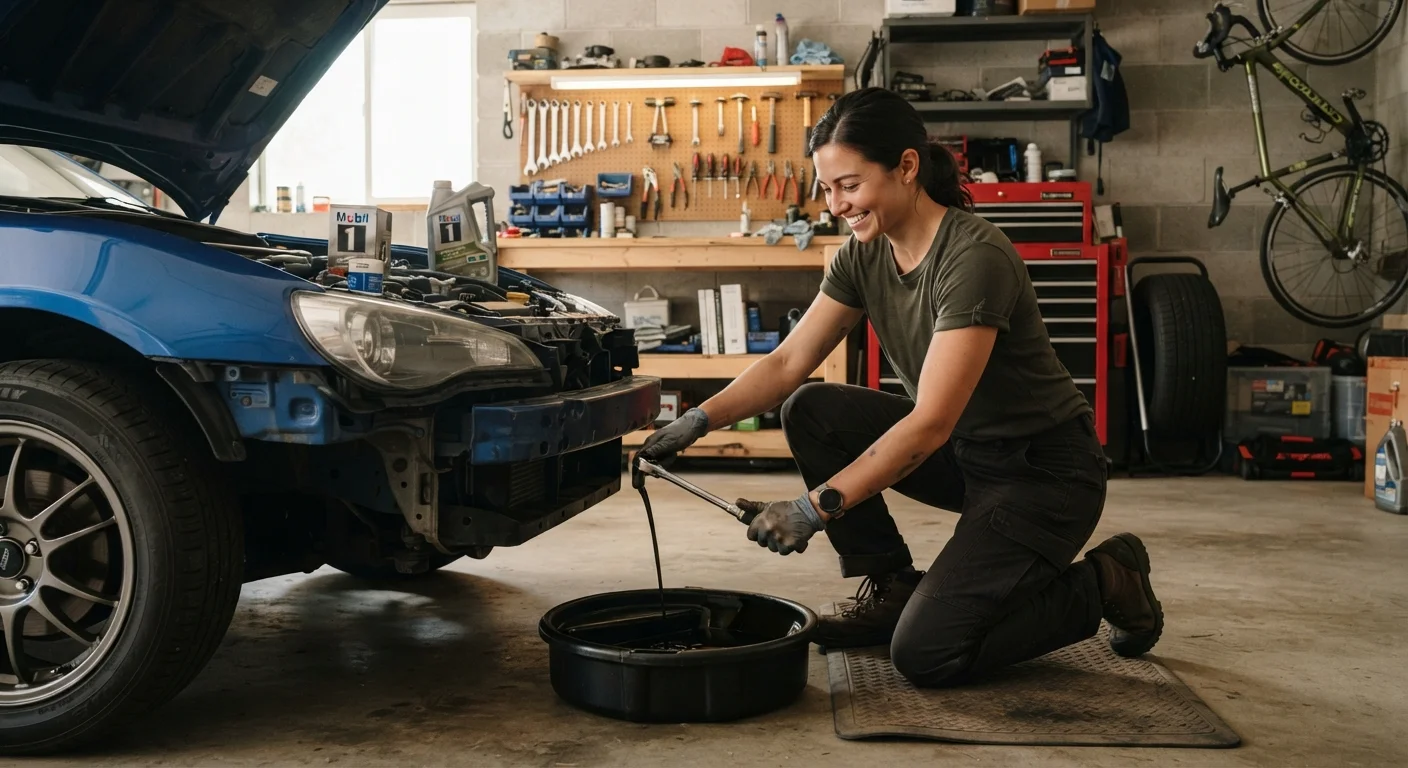
Engine oil lubricates hundreds of moving metal parts inside your engine, reduces friction, absorbs heat, and carries contaminants away to the oil filter. Without it, your engine would seize within minutes. Most vehicles still on conventional oil need changes roughly every 5,000 miles, while full-synthetic oils can extend that interval - your owner's manual will give you the definitive answer for your car.
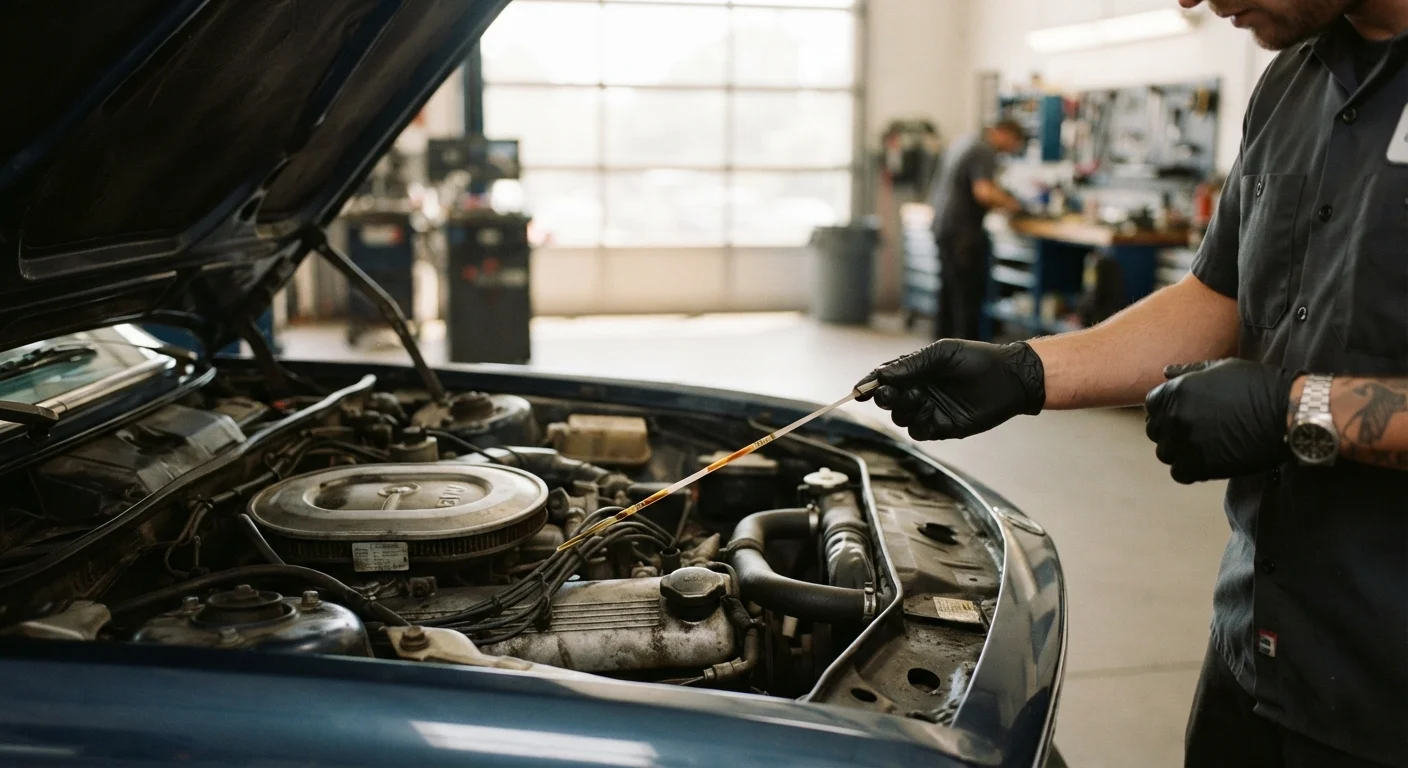
Check oil level with the dipstick when the engine is cold. The oil should fall between the two marks and look amber to dark brown. Milky or foamy oil can indicate coolant mixing with oil - a serious issue that needs immediate professional attention.
Check Oil When the Engine Is Cold
For the most accurate dipstick reading, check engine oil before your first drive of the day or at least 10 minutes after shutting off a warm engine. Hot oil clings to the dipstick walls and can give a falsely low reading. Wipe the dipstick clean, reinsert it fully, then pull it out again to read the level.
Coolant, Brake Fluid, and Transmission Fluid
Coolant (antifreeze) circulates through your engine and radiator to regulate temperature. It prevents overheating in summer and freezing in winter. The reservoir is typically translucent with min/max lines - a simple visual check tells you if you're in range. Never open a hot radiator cap; pressure buildup can cause serious burns.
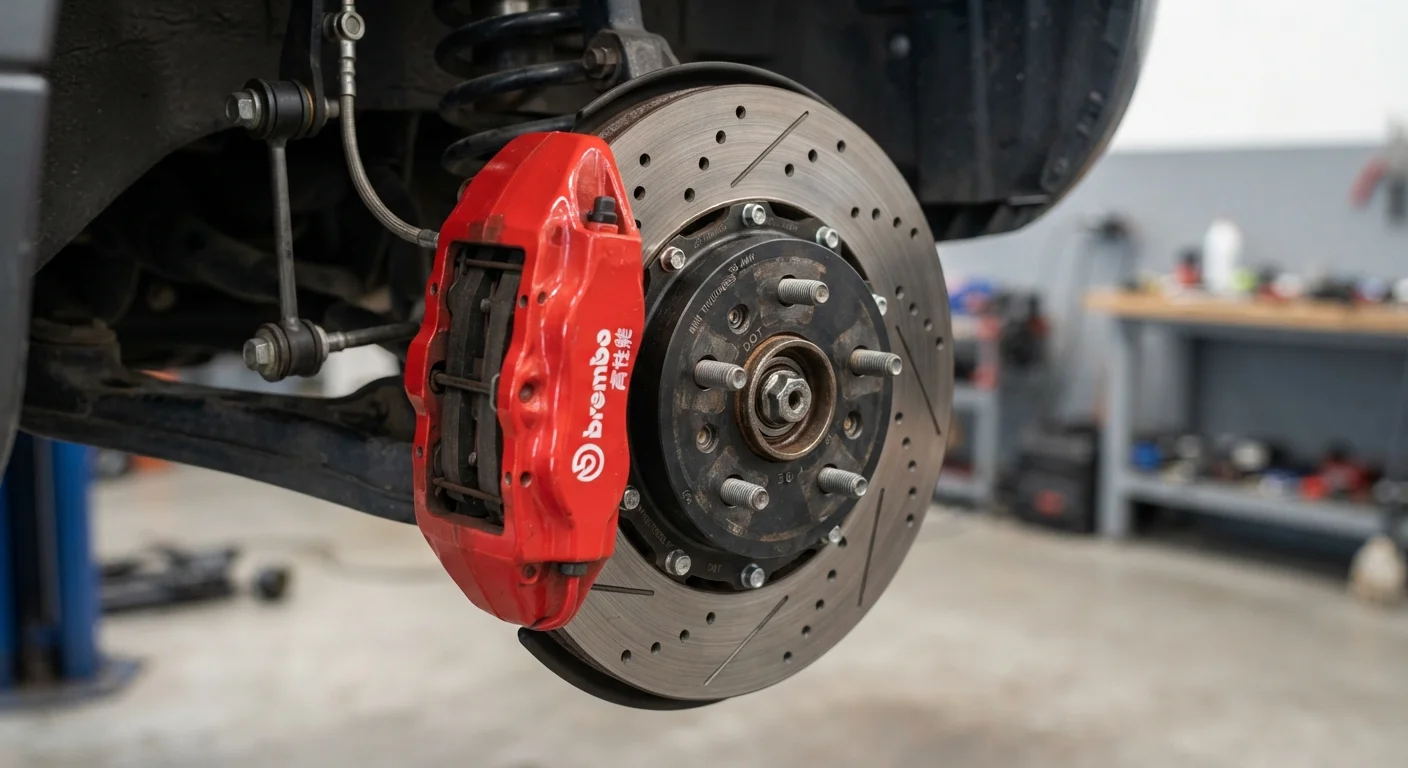
Brake fluid transfers the force of your foot on the pedal to the brake components at each wheel. It absorbs moisture over time, which lowers its boiling point and reduces effectiveness. The brake system depends on clean, correctly filled fluid to function safely - a spongy pedal or the brake warning light are signs to act on immediately.
Transmission fluid lubricates the gearbox in both automatic and manual transmissions. In automatics it also acts as a hydraulic fluid. Many modern cars have sealed transmissions with no dipstick, so checking the level may require a visit to a shop. Dark brown or burnt-smelling fluid typically means it's time for a change.
~40%
Breakdowns linked to fluid-related issues
Industry roadside assistance data consistently shows fluid problems - including overheating and oil failure - among the leading causes of non-accident breakdowns.
5 min
Time needed for a basic fluid check
Checking oil, coolant, brake fluid, and washer fluid levels typically takes under five minutes with no special tools for most passenger vehicles.
3-5 yrs
Typical brake fluid service interval
Many vehicle manufacturers and brake system specialists recommend replacing brake fluid every three to five years regardless of mileage, due to moisture absorption over time.
Power Steering Fluid, Windshield Washer Fluid, and What Leaks Tell You
Power steering fluid pressurizes the hydraulic steering system, making it easy to turn the wheel. (Note: many newer vehicles use electric power steering and don't have this fluid at all.) A whining sound when turning is the classic low-fluid symptom. Check the reservoir under the hood - it usually has a dipstick attached to the cap.
Windshield washer fluid is easy to overlook until your visibility is compromised by road grime or bug splatter at highway speed. Use a purpose-made washer fluid rather than plain water; formulations include detergents and freeze protection that plain water lacks.
Puddles under your car are an underrated diagnostic tool. Clear water near the front is usually normal condensation from the air conditioning. Oily, dark, or colored puddles are worth investigating - and spotting them early is exactly the kind of early signal covered in our guide to warning signs before a breakdown.
If you're wondering which fluid tasks you can handle yourself versus which belong at a shop, this breakdown of DIY vs. professional maintenance can help you decide confidently.
Always Use the Right Fluid Specification
Not all fluids are interchangeable - using the wrong viscosity of oil, an incompatible coolant, or the incorrect transmission fluid can cause accelerated wear or system damage. Your owner's manual lists the exact specifications for every fluid your car uses. When in doubt, ask a qualified mechanic rather than guessing at the parts counter.