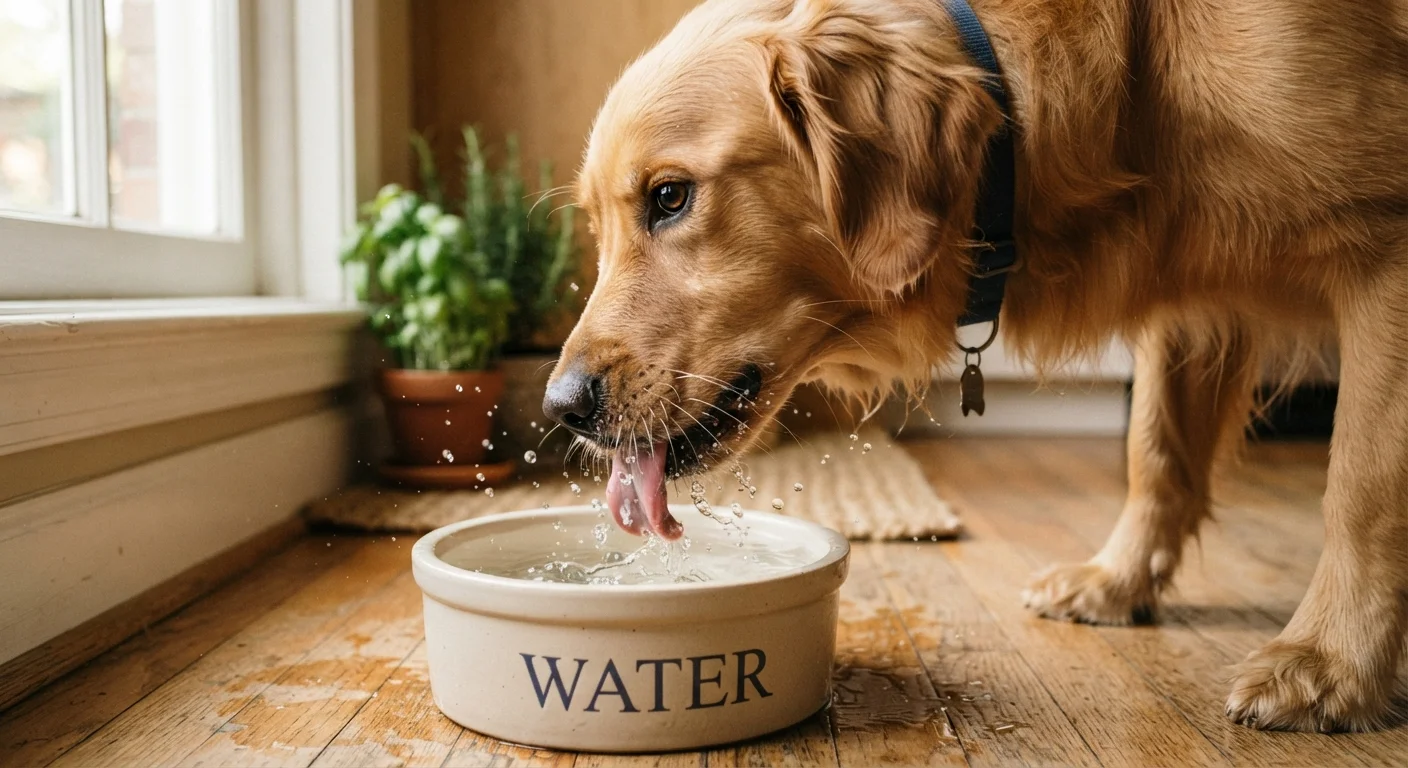

Why Your Pet's Appetite Is Worth Tracking
For most pet owners, feeding time is routine — fill the bowl, walk away. But how your pet responds to that bowl is one of the most reliable health signals you have access to every single day. Changes in appetite often appear before other symptoms become visible, which makes them genuinely useful early warning data.
Scheduled mealtimes make this tracking far more practical. When you offer food at consistent intervals, you can quickly notice if a meal goes uneaten or if your pet seems unusually voracious. If you use a free-feeding approach, subtle shifts are much harder to catch. See our comparison of free-feeding vs. scheduled meals for a breakdown of each method's trade-offs.
Appetite is regulated by a complex interplay of hormones, neurological signals, organ function, and psychological state. Any disruption to those systems — physical or emotional — can alter how hungry your pet feels or how willing they are to eat.
1 in 3
Cats affected by dental disease by age 3
According to the American Veterinary Dental College, dental disease is one of the most common — and frequently missed — causes of reduced appetite in cats and dogs.
~1 in 300
Dogs affected by diabetes mellitus
Veterinary epidemiological estimates suggest diabetes affects roughly 1 in 300 dogs, with increased hunger and thirst among its earliest observable signs.
10%
Older cats estimated to have hyperthyroidism
Research indicates that hyperthyroidism affects approximately 10% of cats over age 10, making unexplained increased appetite in senior cats a key signal to investigate.
What Eating Less Can Signal
Reduced appetite (hyporexia) or complete food refusal (anorexia) has a wide range of possible causes, ranging from entirely benign to medically serious. Understanding the context matters as much as the behavior itself.
Common Non-Medical Causes
- Environmental stress: A new pet in the home, a move, travel, or a change in your schedule can suppress appetite temporarily.
- Food aversion: A sudden switch in food brand or formula, a spoiled batch, or eating from a new bowl material can cause reluctance.
- Heat: Pets naturally eat less in warm weather as their caloric needs shift.
Medical Causes Requiring Evaluation
- Dental pain: Tooth fractures, gum disease, or oral masses make chewing painful. Watch for dropping food, pawing at the mouth, or drooling.
- Gastrointestinal upset: Nausea from infections, foreign body ingestion, or inflammatory bowel conditions can suppress hunger.
- Systemic illness: Kidney disease, liver disease, infections, and cancer frequently reduce appetite as early signs.
- Pain: Any source of discomfort — musculoskeletal, post-surgical, or internal — can reduce a pet's interest in food.
Appetite loss paired with lethargy, vomiting, or behavioral withdrawal is a stronger signal to act quickly. Our guide to subtle behavioral shifts that often signal illness covers how these signs cluster together.
What Eating More Can Signal
Increased appetite — particularly when it's sudden or uncharacteristic — is less often attributed to health problems by owners, but it can be equally significant. Polyphagia, or pathologically elevated food intake, is associated with several serious conditions.
Increased Appetite Isn't Always Obvious
Owners often interpret a pet's eagerness at mealtime as a sign of good health. In reality, a sudden or dramatic increase in food-seeking behavior — especially in a pet that was previously indifferent to food — can be just as diagnostically significant as refusal. Tracking how your pet behaves before, during, and after meals gives you a fuller picture than bowl completion alone.
Medical Conditions Linked to Increased Hunger
- Diabetes mellitus: Pets with diabetes may eat more because their cells cannot effectively use glucose for energy, creating persistent hunger despite adequate food intake.
- Hyperthyroidism: Common in middle-aged to older cats, an overactive thyroid accelerates metabolism, causing weight loss despite a robust or increased appetite.
- Cushing's disease (hyperadrenocorticism): Excess cortisol production, more common in dogs, often causes increased hunger, thirst, and urination together.
- Intestinal parasites or malabsorption: When nutrients aren't properly absorbed, pets may compensate by eating more.
- Medication side effects: Certain medications, including corticosteroids, are known to increase appetite as a direct side effect.
A pet eating more while simultaneously losing weight is a particularly telling combination. This warrants veterinary evaluation rather than simply offering more food. It's also worth noting any changes in water intake alongside eating changes — see our article on normal thirst vs. excessive drinking for context on what paired symptoms can suggest.
How to Respond: Observation First, Then Action
Not every appetite change requires an emergency vet visit — but all of them deserve attention. A practical, layered approach helps you distinguish a passing blip from a real warning sign.
- Note the baseline: Know what normal looks like for your individual pet. Meal duration, enthusiasm level, and portion completion are your reference points.
- Track the duration: A single skipped meal in an otherwise healthy adult dog is rarely urgent. Refusal extending past 24 hours in cats or 48 hours in dogs, or any refusal accompanied by other symptoms, should prompt a call to your veterinarian.
- Look for accompanying signs: Vomiting, diarrhea, lethargy, changes in posture, or unusual thirst alongside appetite changes raise the priority level considerably. Our article on early warning signs owners most commonly overlook covers what else to watch for.
- Don't mask symptoms: Switching to a highly palatable food to entice a reluctant eater can temporarily obscure an underlying problem and delay diagnosis.
- Call your vet: Provide specific observations — how many meals skipped, any vomiting, recent changes at home, current medications — so the veterinarian can triage accurately.
Feeding time and meal timing also play a role in how appetite presents. Understanding when you feed your pet can help establish the consistency needed to detect changes early.
This article provides general pet health information for educational purposes only and is not a substitute for professional veterinary advice. Always consult a licensed veterinarian if you have concerns about your pet's health or appetite.