
Why Early Signs Go Unnoticed
Pets are remarkably good at concealing discomfort. Instinct drives many animals—especially cats and prey-adjacent species—to suppress visible signs of weakness. But even dogs, who tend to be more expressive, can show changes so gradually that owners adapt to them without realizing anything has shifted.
The other factor is familiarity. When you live with a pet every day, small deviations blend into the background. This is exactly why building a documented health baseline for your pet is one of the most useful things an owner can do—it gives you an objective reference point to compare against, rather than relying on memory alone.
The mistakes below represent the patterns veterinary professionals see most often: not owners who are careless, but owners who simply didn't know what to watch for.
Dismissing gradual weight loss or gain as a normal fluctuation.
Why it happens: Because weight shifts over weeks or months, owners rarely notice the cumulative change without measuring regularly. The change simply becomes the new normal.
Overlooking changes in grooming habits as mere personality quirks.
Why it happens: Owners often interpret a cat grooming less—or a dog licking one spot repeatedly—as a preference change rather than a signal of pain, stress, or skin disease.
Attributing stiffness or reluctance to move to aging rather than pain.
Why it happens: Slowing down is culturally associated with growing older, so owners frequently accept reduced mobility in senior pets without questioning it further.
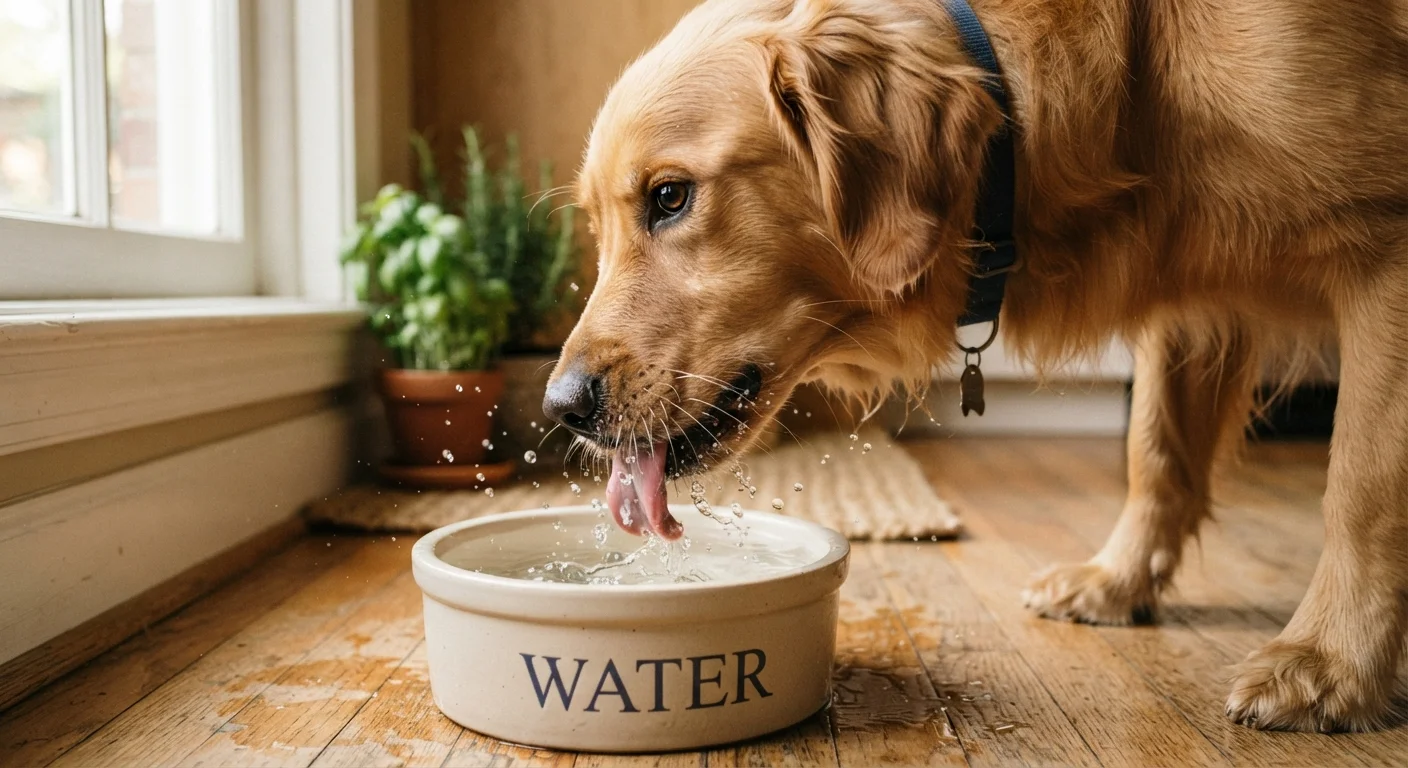
Ignoring increased or decreased water intake as insignificant.
Why it happens: Drinking habits vary with temperature, activity, and diet, so owners commonly assume fluctuations are environmental rather than medical.
Assuming behavioral withdrawal is a mood phase rather than a health signal.
Why it happens: Animals that hide, become less interactive, or stop seeking affection are often described as "just being moody," especially cats, whose independence can obscure genuine illness.
Building Habits That Help You Catch Changes
Recognizing early warning signs is less about medical expertise and more about consistent, structured observation. You don't need clinical training—you need repeatable habits.
Subtle Changes Can Move Fast
Some conditions that begin with mild, easy-to-dismiss signs—such as slight lethargy or a small appetite dip—can escalate quickly in pets. Cats in particular are known to mask illness until it becomes advanced. Do not assume a wait-and-see approach is always safe; when in doubt, seek veterinary guidance sooner rather than later.
Start with a brief daily check: scan your pet's eyes, coat, posture, and energy level while you interact normally. Then, on a weekly or monthly basis, do something more systematic—weigh your pet, check gum color, and assess mobility. Our daily observation guide walks through these checkpoints in practical detail.
It also helps to understand that signals shift as your pet ages. A puppy's version of "off" looks different from a senior dog's. The article how age changes the health signals you should watch for can help you calibrate your attention appropriately across your pet's life stages.
When in Doubt, Call Your Vet
This article provides general educational information only and is not a substitute for professional veterinary advice. If you observe any of the warning signs described here, contact a licensed veterinarian rather than waiting for symptoms to worsen. Early evaluation is nearly always better than a delayed one.
Finally, none of this replaces a trusted veterinary relationship. Routine visits—not just crisis visits—give your vet the baseline context they need to recognize when something is wrong. See our article on building a relationship with a veterinarian before an emergency for guidance on making the most of that partnership.
This article is for general informational purposes only and does not constitute veterinary medical advice. Always consult a licensed veterinarian regarding your pet's specific health needs.