What Normal Water Intake Actually Looks Like
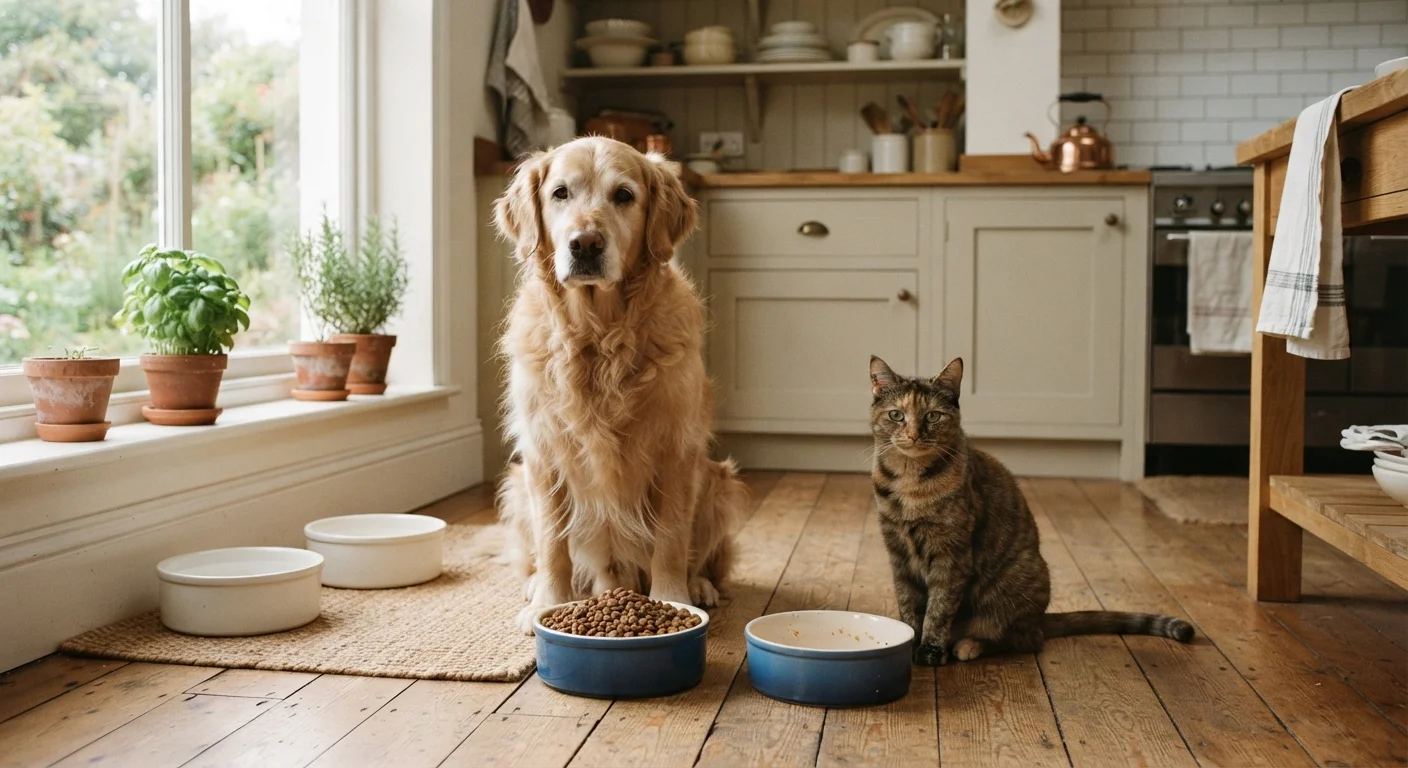
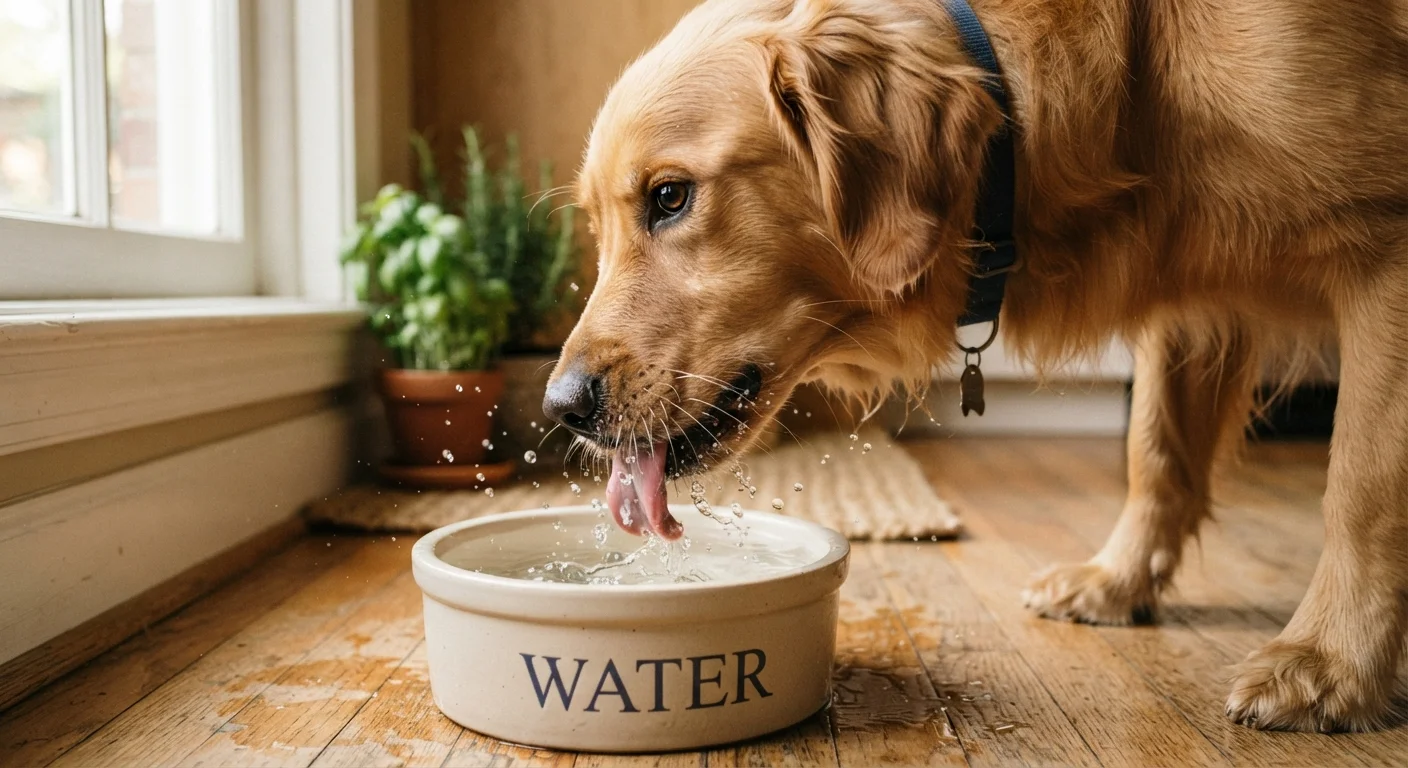
Healthy water consumption varies by species, size, diet, and environment. As a general guideline, dogs need roughly 0.5 to 1 fluid ounce of water per pound of body weight each day. A 40-pound dog, for example, might drink anywhere from 20 to 40 oz depending on activity level and ambient temperature. Cats, especially those eating wet food, drink considerably less — sometimes as little as a few ounces daily because moisture comes from their meals.
Seasonal and situational variation is expected. Pets exercising outdoors in warm weather, nursing mothers, and animals recovering from illness all drink more. A brief spike in water consumption tied to a clear cause — a long walk, a hot afternoon, a switch to dry kibble — is not cause for concern. What matters is whether intake returns to baseline within a day or so.
The best way to know what's normal for your pet is to measure periodically. Fill their bowl with a known volume of water each morning and note what's left at night. Do this for a week when your pet is healthy, and you'll have a reliable reference point. This is exactly the kind of baseline tracking described in our guide to building a health baseline for your pet.
Defining Polydipsia: When Drinking Crosses a Clinical Threshold
Veterinarians use the term polydipsia (pronounced pah-lee-DIP-see-ah) to describe water intake that is persistently and significantly above normal. In dogs, the clinical threshold is generally set at more than 100 mL per kilogram of body weight per day. For cats, any consistent and noticeable increase warrants attention given their naturally low baseline intake.
Polydipsia almost always appears alongside polyuria — the production of abnormally large volumes of urine. If you notice your pet asking to go outside more frequently, having accidents indoors, or producing a larger-than-usual litter box output, and that coincides with heavier drinking, you are looking at a pattern rather than a coincidence.
| Criterion | Normal Thirst | Excessive Drinking (Polydipsia) |
|---|---|---|
| Daily intake (dogs) | 0.5–1 oz per pound of body weight | Above 100 mL per kg of body weight |
| Duration | Stable or briefly elevated, then returns to baseline | Persistently elevated over multiple days |
| Urine output | Normal volume and frequency | Increased volume; more frequent urination |
| Likely cause | Heat, activity, diet, nursing | Diabetes, kidney disease, Cushing's, hyperthyroidism, infection |
| Action needed | Monitor; ensure fresh water is available | Veterinary evaluation and diagnostic testing |
| Associated signs | None; pet otherwise normal | Weight loss, lethargy, accidents indoors, pot belly |
This combination of signs is significant because it is the hallmark presentation of several serious but treatable conditions. Early recognition gives veterinarians more options and gives your pet a better outcome. If you've also noticed other subtle signs your vet wishes you'd caught sooner, increased thirst fits into a broader pattern worth discussing at your next appointment.
Conditions Commonly Linked to Excessive Thirst
A number of well-documented medical conditions can drive polydipsia in companion animals. The most frequently diagnosed include:
- Diabetes mellitus: Elevated blood glucose causes glucose to spill into the urine, pulling water with it. The resulting fluid loss triggers intense thirst — often accompanied by weight loss despite a good appetite.
- Chronic kidney disease (CKD): Damaged kidneys lose the ability to concentrate urine, so water passes through quickly and the body demands more. CKD is especially common in older cats.
- Cushing's disease (hyperadrenocorticism): Excess cortisol production, seen most often in middle-aged to older dogs, interferes with normal water regulation and typically produces a pot-bellied appearance alongside increased drinking and urination.
- Hyperthyroidism: An overactive thyroid gland, common in cats over 10 years old, elevates metabolism and can cause excessive thirst among other signs.
- Pyometra: A uterine infection in intact female dogs and cats can cause sudden, dramatic increases in water intake as toxins circulate in the bloodstream — this is an emergency.
- Certain medications: Corticosteroids and some anti-seizure drugs can significantly increase thirst as a known side effect.
Changes in appetite often accompany these conditions. Our article on what appetite changes in pets can mean explains how eating patterns and drinking patterns frequently shift together, which can help you give your vet a fuller picture.
When to Call Your Vet Right Away
If your intact female dog or cat suddenly begins drinking much more water and seems unwell, seek emergency veterinary care immediately — pyometra (uterine infection) can become life-threatening within hours. More broadly, any increase in thirst lasting more than two to three days without an obvious environmental cause warrants a same-week veterinary appointment, not a wait-and-see approach. Bring notes on how much your pet is drinking, how often they urinate, and any other behavioral or physical changes you've observed.
This article is for general informational purposes only and is not a substitute for professional veterinary advice. If you are concerned about your pet's health, contact a licensed veterinarian.