Why Every Lump Deserves Your Attention
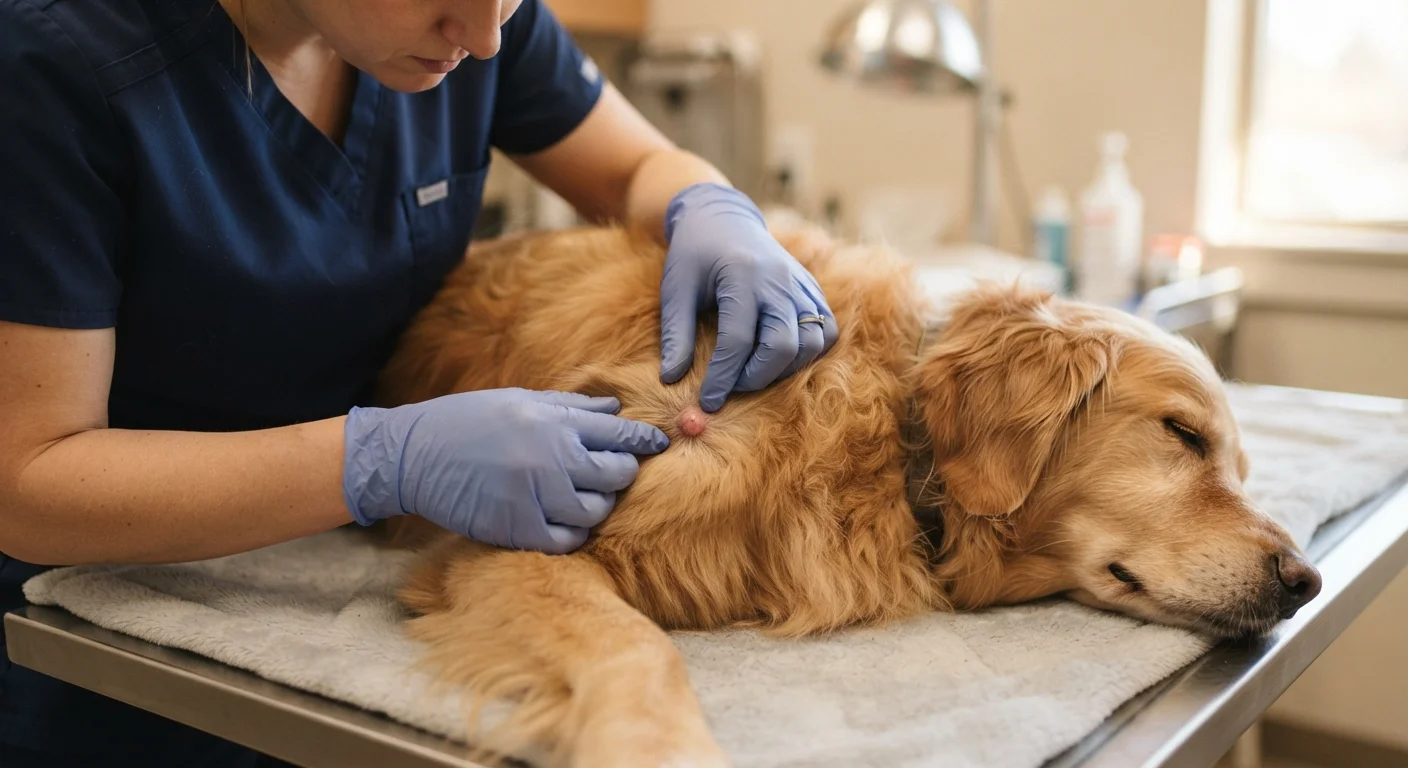
Finding an unexpected lump on your pet can feel alarming — but not every growth signals a crisis. Many are harmless fatty deposits, cysts, or insect-bite reactions that resolve on their own. The challenge is that benign and malignant growths can look nearly identical to the untrained eye. That uncertainty is exactly why a structured, consistent approach to evaluation matters.
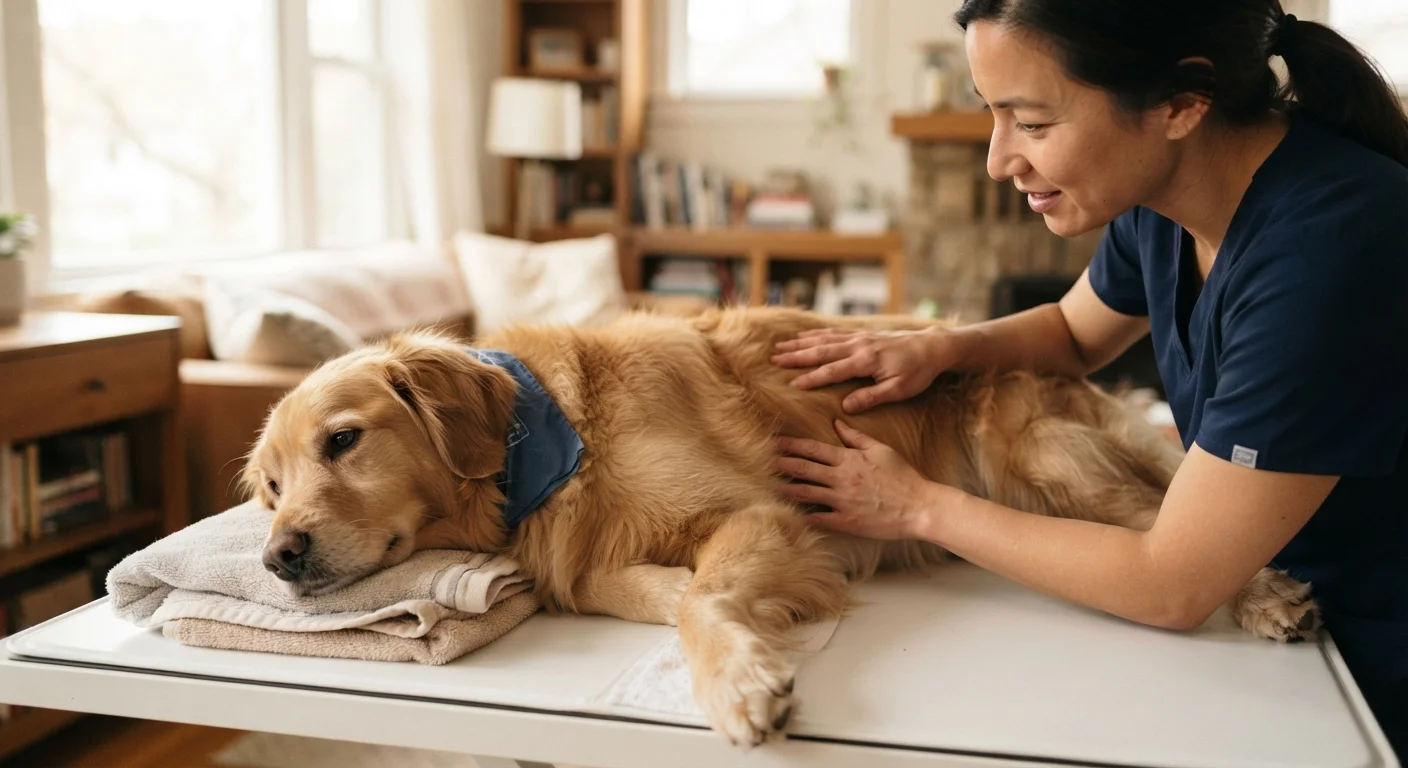
The most important habit you can build is tracking your pet's normal. When you know what was always there, you can quickly identify what's new. Run your hands methodically over your pet's body during grooming or quiet moments, paying attention to the neck, armpits, groin, and behind the ears — areas where lymph nodes sit close to the surface.
Any newly discovered lump should be noted in a simple log: date found, location, approximate size (compare to a pea, grape, or walnut), and texture. This record becomes invaluable at your next vet visit, even if the lump turns out to be nothing.
Characteristics That Signal Urgency
Veterinarians assess lumps along several dimensions. Understanding these dimensions helps you decide whether you're dealing with a watch-and-wait situation or something that needs a same-week appointment.
Assess whether the lump is freely movable or fixed to underlying tissue.
Lumps that slide freely under the skin when pushed are generally less concerning than those that feel anchored to muscle or bone. Fixed masses are more often associated with invasive or malignant growths. This single characteristic is one of the most clinically significant early indicators veterinarians use.
Monitor growth rate carefully and document changes weekly.
A lump that doubles in size over two to four weeks is behaving very differently from one that has been stable for months. Rapid growth is one of the clearest behavioral red flags for malignancy. Without a written record and size estimate, growth rate is easy to underestimate over time.
Inspect the surface of any lump for ulceration, discharge, or color change.
Intact skin over a lump is generally a better sign than broken, crusting, or weeping skin. Ulceration suggests the mass is growing faster than surrounding tissue can accommodate, or that it is actively invading the skin. Discharge may also indicate infection or necrosis within the mass.
Check for associated swollen lymph nodes in the surrounding region.
Enlarged lymph nodes near a lump suggest the body is responding to something locally — whether infection or cancer spread. Regional lymph node involvement changes the clinical picture significantly and typically elevates the urgency of veterinary evaluation.
Note any systemic symptoms your pet is showing alongside the lump.
A mass in an otherwise healthy, energetic pet carries different weight than the same mass in a pet showing appetite loss, weight drop, or unusual fatigue. Systemic signs indicate the body is under broader stress and should accelerate your timeline for professional evaluation.
Beyond the lump itself, pay attention to your pet's overall condition. A growth accompanied by weight loss, lethargy, reduced appetite, or behavioral changes warrants faster action. Subtle behavioral shifts are often the first sign that something systemic is happening — read them alongside physical findings, not in isolation.
What to Do Right Now
Once you've noticed a lump, there are clear steps to take — and clear mistakes to avoid.
Good daily grooming habits make early detection nearly automatic. When you're regularly running hands through your pet's coat, new lumps rarely go unnoticed for weeks. Combine that with the daily observation checkpoints that help owners spot subtle health changes, and you create a reliable early-warning system that requires no special equipment.
At the vet visit, expect a physical exam and possibly a fine-needle aspirate — a minimally invasive procedure where a small sample of cells is withdrawn with a needle and examined under a microscope. This single test often rules out or confirms malignancy quickly and inexpensively. Do not delay this step hoping the lump disappears; some cancers are highly treatable when caught early and far less so when given extra weeks to grow.
This article provides general educational information about pet health and is not a substitute for professional veterinary advice, diagnosis, or treatment. Always consult a licensed veterinarian about any health concerns involving your pet.