Why Daily Grooming Is More Than Cosmetic
Most pet owners think of grooming as keeping their animal looking tidy. In practice, it's one of the most reliable early-warning systems available to you. Running a brush through your dog's coat or running your fingers along your cat's spine each day puts you in close enough contact to notice a new lump, a patch of hair loss, or a tender spot — long before those issues become urgent. For a broader framework on building these habits into your schedule, see the daily pet care checklist for busy homeowners.
The financial case is equally straightforward. Untreated ear infections, overgrown nails that alter gait, and matted fur that traps moisture can all lead to vet visits that cost significantly more than a few minutes of daily attention. Prevention is rarely glamorous, but it is almost always cheaper.
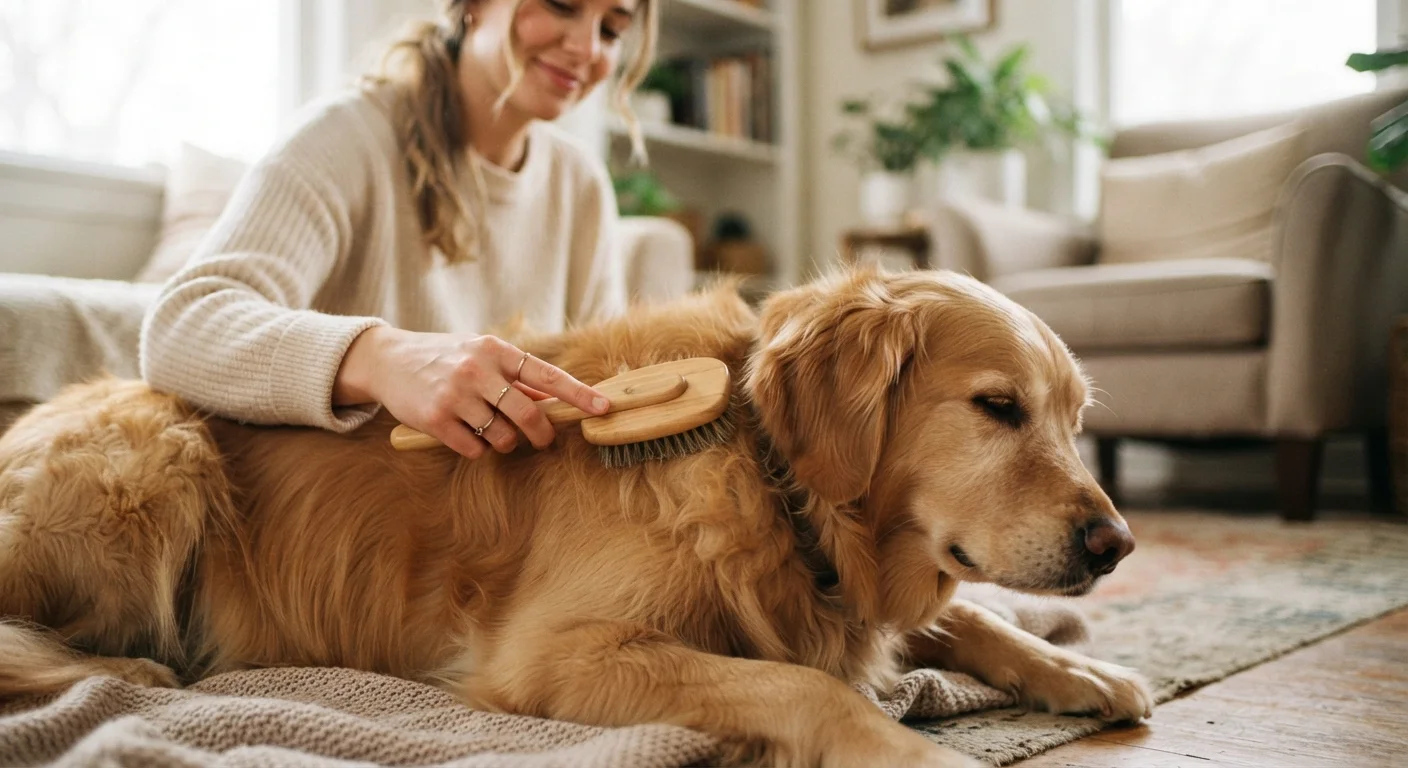
Brush your pet's coat every day, even for short-haired breeds.
Daily brushing removes loose hair, distributes skin oils, and prevents the mats that trap moisture and bacteria against the skin. For long-haired breeds, skipping even a few days can result in tangles that require professional detangling or shaving. For short-haired animals, it still removes dander and gives you a tactile read on the coat's condition.
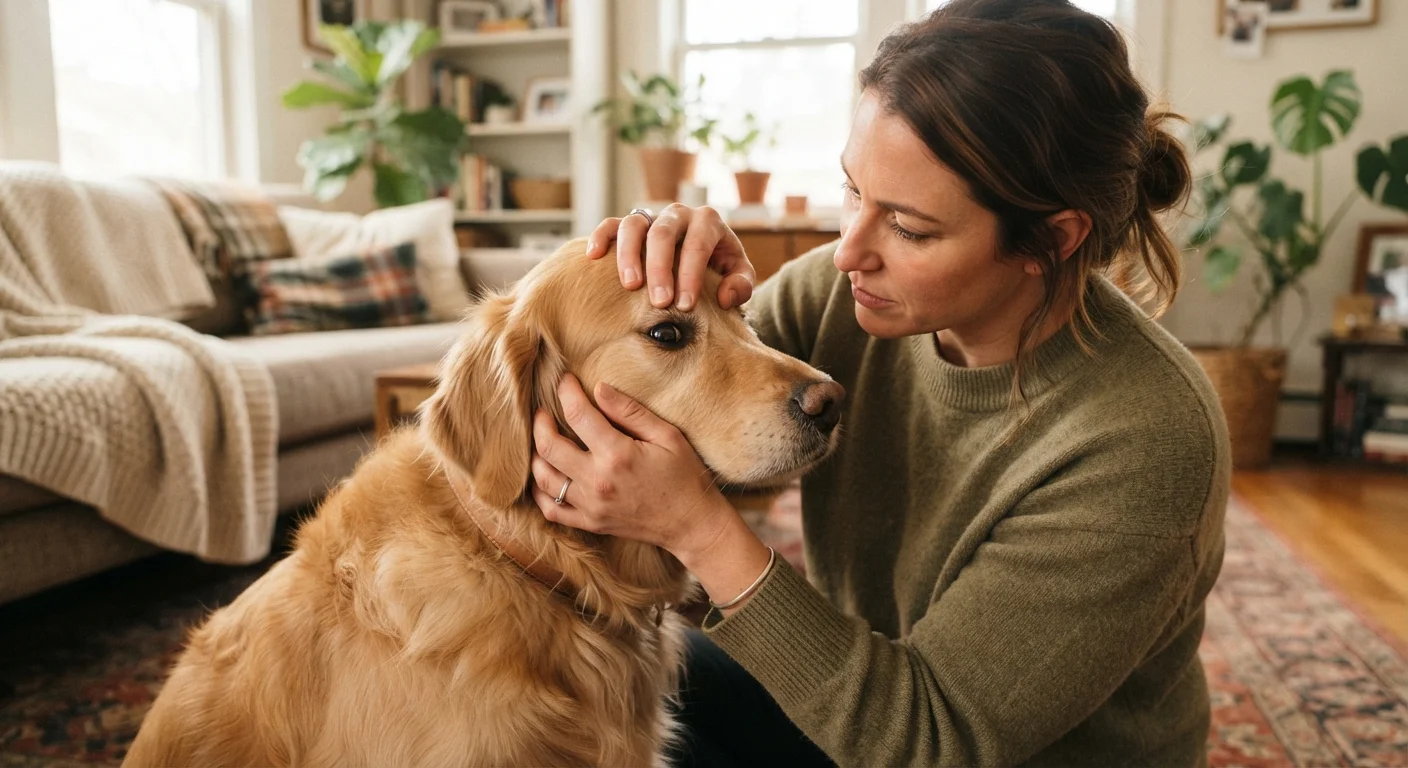
Check and wipe your pet's ears during every grooming session.
Ear canals are warm, dark, and — in floppy-eared breeds — poorly ventilated, making them prime environments for yeast and bacterial overgrowth. Catching early signs of redness or odor allows for prompt veterinary treatment before a minor irritation becomes a painful, entrenched infection.
Inspect your pet's nails weekly and trim on a regular schedule.
Overgrown nails curl into the paw pad or force the foot into an unnatural angle, stressing joints over time. In cats, neglected nails can grow into a circle and embed in the paw. Regular inspection keeps you aware of growth rate and alerts you to any cracking, discoloration, or swelling at the nail base.
Introduce tooth brushing or dental wiping as early as possible.
Periodontal disease is one of the most common preventable conditions in pets, affecting the majority of dogs and cats by middle age. Daily mechanical removal of plaque — even with a finger brush or dental wipe — significantly slows tartar buildup and reduces the need for anesthetic dental cleanings.
Wipe facial folds, tear stains, and paw pads as part of the daily routine.
Breeds with skin folds — such as Bulldogs, Pugs, and Persian cats — accumulate moisture and debris in those creases, which can cause painful skin fold dermatitis if left unaddressed. Paw pads pick up environmental irritants and allergens on every walk, making a quick wipe-down worthwhile regardless of breed.
The Core Habits Worth Building
Not every pet needs the same grooming routine, but the categories below apply broadly across dogs, cats, and most common household animals. Start with whichever feels most natural, and layer in the others over a week or two. Rushed introductions to grooming — especially for young or rescue animals — can create lasting aversion, so keep early sessions brief and reward-based.
For cat owners specifically, the guide to building a daily cat care routine from scratch walks through how grooming fits alongside feeding, play, and litter habits.
Turning Grooming Into a Health Observation Habit
Each grooming session is an opportunity to run a quick, informal health check. Part the fur along the spine and belly to look for redness, flaking, or parasites. Sniff the ears — a yeasty or foul odor is a sign worth flagging with your vet. Press gently around the base of nails to check for swelling. None of this requires veterinary training; it requires familiarity, which daily contact builds naturally over time.
~80%
Dogs with periodontal disease by age 3
Veterinary dental organizations broadly report that the majority of dogs show signs of periodontal disease by their third year, much of which is attributable to lack of daily dental hygiene.
Top 5
Ear infections as a common vet visit reason
Ear infections (otitis externa) consistently rank among the most frequent reasons dogs are brought to veterinary clinics, with moisture, wax buildup, and debris cited as leading contributing factors.
The daily observations that help you catch health changes early article expands on exactly what to look for during these informal checks. For a more structured monthly review, the monthly pet health check you can do at home offers a vet-informed head-to-tail examination you can do without any equipment.
If you discover a new lump or swelling during grooming, don't panic — but don't ignore it either. The article on lumps, bumps, and swellings explains what characteristics separate something worth monitoring from something that warrants a prompt vet call.
This article provides general pet care information for educational purposes only. It is not a substitute for professional veterinary advice. If your pet shows signs of pain, infection, or other health concerns, consult a licensed veterinarian.