Why a Daily Checklist Changes Everything
Most pet health problems don't appear overnight. They develop gradually — a slightly dull coat, a subtle shift in appetite, a new reluctance to move. Busy homeowners are especially vulnerable to missing these early signals simply because life moves fast. A structured daily checklist solves this by turning attentive care into automatic habit rather than a reactive scramble.
This isn't about perfectionism. It's about building a repeatable minimum that keeps your pet physically healthy and emotionally secure, even on days when you're stretched thin. Think of this checklist as the pet-care equivalent of locking your front door — short, non-negotiable, and easy once it's routine.
For a broader look at how these habits fit into a complete system, see the Complete Owner's Handbook to Daily Pet Care Routines. And if you're specifically managing a cat, Building a Daily Cat Care Routine From Scratch provides a species-specific framework worth bookmarking.
Feeding & Hydration
Exercise & Enrichment
Quick Daily Grooming
Health Observation
Environment & Safety
Tools That Make the Routine Easier
You don't need expensive equipment to follow this checklist reliably — but a few practical items reduce friction significantly. The less you have to think about setup, the more likely you are to stay consistent.
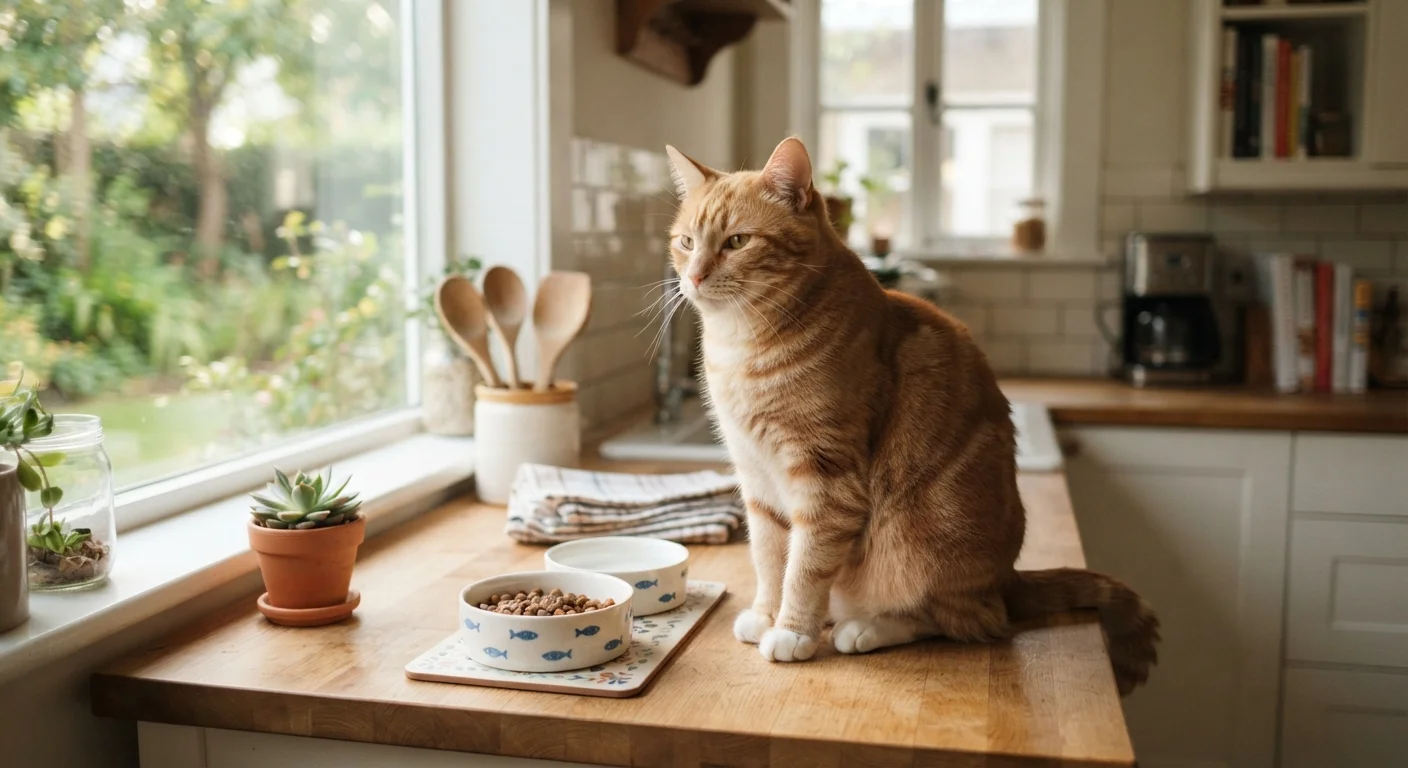
Species-appropriate food scale or measuring cup
Ensures consistent, accurate portion sizes at every meal to avoid underfeeding or weight gain.
Stainless steel food and water bowls
Easier to sanitize thoroughly than plastic, reducing bacterial contamination risk.
Slicker brush or species-appropriate grooming tool
Used for the daily coat check and brushing step to manage shedding and spot skin changes early.
Pet journal or health-tracking app
Tracks daily observations so you can identify patterns and report them accurately to your vet.
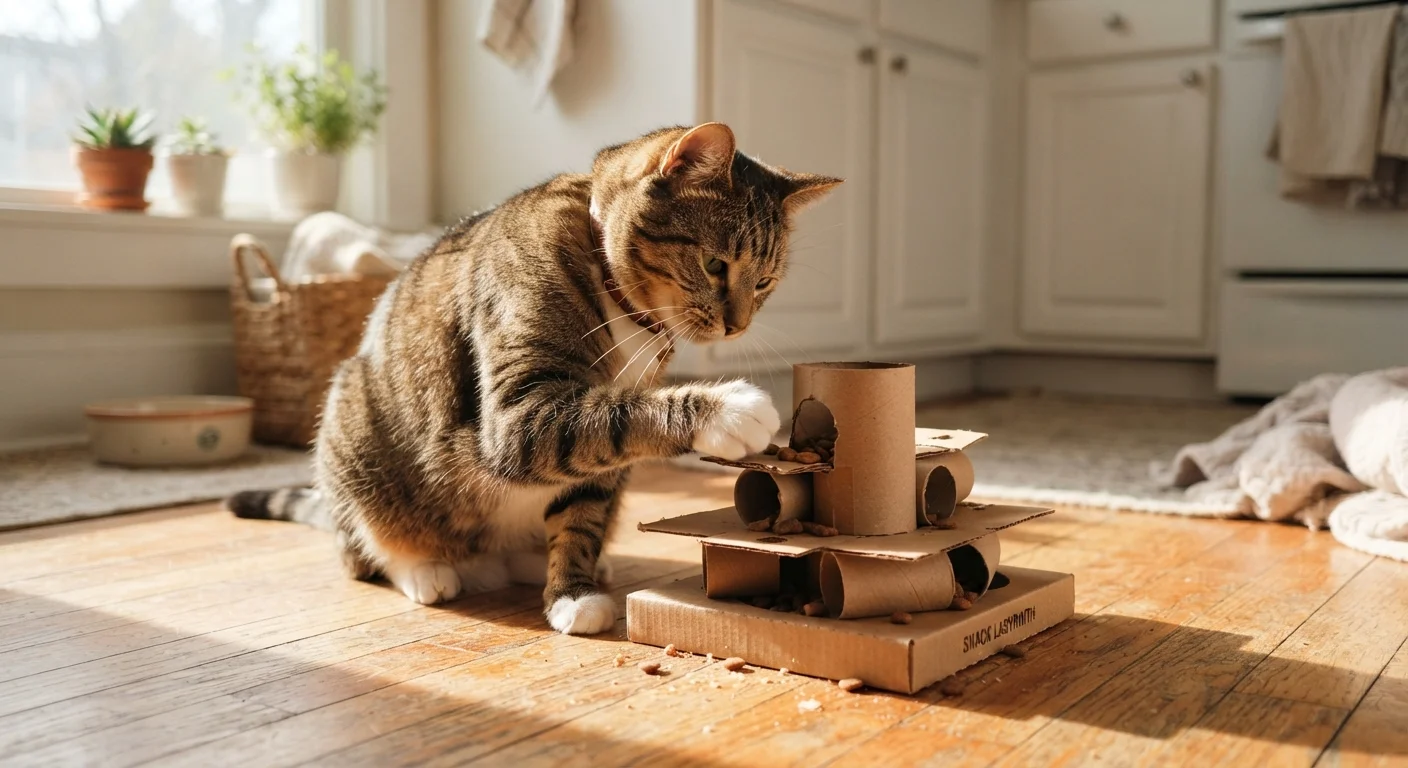
Puzzle feeder or interactive enrichment toy
Provides the mental stimulation component of daily enrichment without requiring dedicated play time.
One often-overlooked element of daily care is enrichment. It's easy to assume a pet that isn't visibly bored is fine, but mental stimulation is just as important as physical exercise. Learn more about what enrichment actually means in daily pet care and how to weave it into a realistic schedule.
When the Checklist Flags a Concern
The daily observation tasks in this checklist are designed to help you notice change over time — not to replace veterinary assessment. If your pet shows unusual lethargy, stops eating for more than 24 hours, displays labored breathing, or experiences sudden behavioral changes, contact your veterinarian promptly. Do not attempt to diagnose or treat at home based on general information alone.
Daily Observation Is Not Veterinary Diagnosis
The observation tasks in this checklist help you track your pet's baseline and notice change — they are not a substitute for professional examination. If you notice anything that concerns you, err on the side of calling your veterinarian rather than waiting to see if it resolves. Early intervention almost always leads to better outcomes and lower costs.
For a structured monthly deep-dive that complements this daily routine, the Monthly Pet Health Check You Can Do at Home walks through a vet-informed examination covering eyes, ears, coat, and weight. Once your daily habits are solid, you'll also want to read Signs Your Pet's Daily Routine Is Actually Working to confirm your efforts are making a measurable difference.
This article provides general pet care information for educational purposes only. It is not a substitute for professional veterinary advice, diagnosis, or treatment. Always consult a licensed veterinarian regarding your pet's individual health needs.