
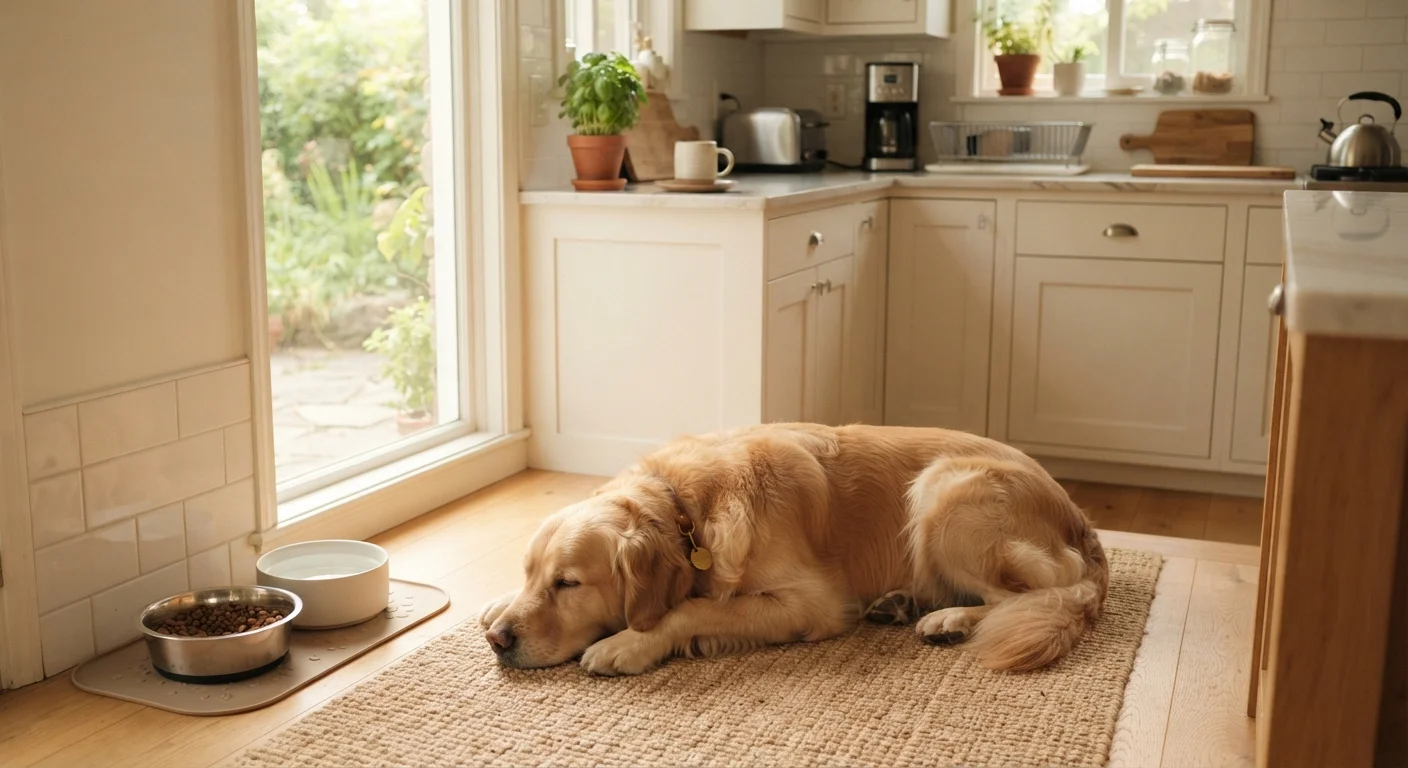
What a Working Routine Actually Looks Like
Building a care schedule for your pet is one thing — knowing whether it's actually helping is another. Many new owners assume that consistency alone equals success, but an effective routine produces measurable, observable results in how your pet looks, moves, and behaves each day.
The good news: you don't need clinical training to read these signals. They show up in everyday moments — at mealtimes, during walks, and in how your pet settles at night. Understanding what to look for gives you confidence that your effort is paying off, and a clearer benchmark for spotting change when something shifts.
See our guide to why predictability matters for the science behind how schedules affect pet stress and behavior.
Behavioral Signs the Routine Is Supporting Well-Being
Behavior is your most immediate feedback channel. Pets embedded in a healthy routine typically show the following:
- Calm anticipation at set times. A pet that positions itself near the door before a walk, or near its bowl before feeding, has internalized your schedule. This predictive calm — not anxious pacing — signals the routine is working.
- Settled rest between activity windows. Dogs and cats that are adequately exercised and mentally stimulated nap without restlessness. Persistent nighttime pacing or daytime hyperactivity can indicate the schedule isn't meeting their needs.
- Relaxed body language around routine events. Ears in a neutral position, loose muscles, and an absence of stress signals (yawning, lip-licking, tail tucking in dogs; flattened ears or excessive hiding in cats) during feeding or handling suggest comfort and security.
- Consistent interest in play or interaction. A pet engaged at predictable activity windows — not hyper one day and flat the next — is benefiting from a stable schedule.
Contrast these with the subtle behavioral shifts that often signal illness to distinguish a thriving routine from early warning signs.
Predictive calm
A relaxed, anticipatory state in which a pet positions itself for a routine event — such as a walk or meal — without showing anxiety. It indicates the animal has successfully internalized the schedule.
Stress signals
Species-specific body language cues indicating discomfort or anxiety. In dogs these include yawning out of context, lip-licking, and tail tucking; in cats, flattened ears and prolonged hiding.
Health baseline
A recorded set of normal measurements for an individual pet — including typical weight, gum color, resting breathing rate, and elimination frequency — used to detect meaningful deviations over time.
Elimination pattern
The frequency, timing, and consistency of a pet's urination and defecation. A stable pattern aligned with feeding times is one sign that diet and schedule are well matched.
Physical Cues That Confirm Your Care Schedule Is On Track
Beyond behavior, your pet's body offers reliable indicators that feeding, exercise, grooming, and rest are appropriately calibrated.
- Stable, appropriate body weight. Consistent weight within a healthy range — confirmed at routine vet visits — suggests portion sizes and feeding timing are working. Learn more about how feeding timing affects digestion and energy.
- A coat that looks and feels healthy. Regular nutrition and grooming routines produce fur that is smooth, consistently colored, and minimally matted. Dullness, patchiness, or greasiness can indicate gaps — see what coat changes may signal for detail.
- Regular, predictable elimination. Pets on a consistent feeding schedule tend to eliminate at predictable intervals. Loose stools, unusual frequency, or straining warrant a veterinary conversation.
- Healthy gum color and energy during activity. Pink gums and an eagerness to engage at exercise time (without rapid fatigue) indicate adequate hydration, nutrition, and cardiovascular conditioning.
Establishing a personal baseline for your specific pet makes these cues far easier to interpret. Building a health baseline — tracking weight, gum color, and breathing rate — turns observation into actionable early detection.
Use daily observation checkpoints to structure your monitoring without feeling overwhelmed.
This article is for general educational purposes only and is not a substitute for professional veterinary advice. If you notice changes in your pet's behavior, weight, coat, or elimination habits, consult a licensed veterinarian.