Why the Coat Is More Than Cosmetic
Most pet owners notice when their animal's fur looks off — but few realize how much that observation is worth. The coat is one of the body's most responsive external systems, and it reflects the state of nutrition, hormone balance, immune function, and skin health all at once.
Unlike some internal changes that are invisible until they become serious, coat changes are right in front of you during every grooming session or cuddle. Learning to read them is a skill that can prompt early action on conditions that are far easier to manage when caught promptly. It's also a natural complement to watching for early warning signs vets wish owners noticed sooner.
~70%
Skin conditions with a dietary component
Veterinary dermatologists estimate that a significant proportion of coat and skin cases in companion animals involve nutritional factors, according to general veterinary dermatology literature.
1 in 8
Dogs affected by hypothyroidism
Hypothyroidism is one of the most commonly diagnosed endocrine disorders in dogs, and coat changes are among its most frequently reported early signs in clinical practice.
Top 3
Reasons for veterinary skin visits
Allergies, parasites, and seborrheic conditions consistently rank among the top reasons pets are presented to veterinarians for skin and coat concerns.
What a Dull or Brittle Coat Usually Means
A healthy coat has a natural luster — not necessarily glossy, but visibly alive. When fur becomes dull, straw-like, or brittle, the most common culprit is nutritional. Insufficient dietary fat, particularly omega-3 and omega-6 fatty acids, is a frequent cause. These fatty acids are essential for maintaining the lipid layer that gives hair its sheen and keeps skin supple.
Protein deficiency is another factor. Hair is primarily made of keratin, a structural protein, so animals on low-protein or poorly balanced diets often show it first in their coat. Poor digestive absorption — even with an adequate diet on paper — can produce the same result. If your pet eats well but still looks dull, nutrient uptake rather than intake may be the issue.
Dehydration, internal parasites, and some chronic diseases can also manifest as a lackluster coat. Dullness that develops gradually alongside other subtle changes is worth discussing with your veterinarian, especially since it can overlap with the kinds of behavioral shifts that signal something is wrong.
Patchy Fur Loss: Causes That Range From Simple to Serious
Patches of missing fur — called alopecia — are among the more alarming coat changes owners encounter. The location, pattern, and accompanying skin condition all provide diagnostic clues.
- Parasites: Mange mites (demodectic or sarcoptic), fleas, and lice can cause localized or widespread hair loss. Sarcoptic mange, in particular, is intensely itchy and spreads quickly.
- Fungal infection: Ringworm (a fungal condition, despite the name) commonly causes circular, scaly bald patches and is contagious to other pets and humans.
- Allergies: Environmental and food allergies frequently manifest as itching, leading to self-inflicted hair loss through scratching, licking, or chewing.
- Hormonal disorders: Hypothyroidism in dogs and hyperthyroidism in cats can each cause coat thinning or patchy loss, often symmetrically distributed.
- Stress-related over-grooming: Cats especially may groom excessively under stress, creating thinning patches on the belly or inner legs.
Asymmetric patches with inflamed or scaly skin are more likely to be infectious or parasitic. Symmetric thinning without skin irritation more often suggests a hormonal or systemic cause. A veterinarian can differentiate these through physical examination and targeted testing.
Greasy, Flaky, or Odorous Coats: Skin Gland Signals
A coat that feels consistently greasy to the touch, produces excessive dandruff (flaking), or has a musty smell points toward sebaceous gland dysfunction — the oil-producing glands in the skin. This condition, called seborrhea, can be primary (an inherited tendency in certain breeds) or secondary to something else entirely.
Common secondary triggers include:
- Hypothyroidism — an underactive thyroid gland that slows metabolic processes including skin cell turnover
- Cushing's disease (hyperadrenocorticism) — excess cortisol production that alters skin and coat texture
- Yeast overgrowth (Malassezia) — a common secondary infection that worsens oiliness and odor
- Dietary imbalance — insufficient zinc, vitamin A, or essential fatty acids
Flaking alone (dry dandruff) versus flaking combined with greasiness (oily dandruff) actually suggest different underlying causes and may respond to different treatments — which is why veterinary diagnosis matters before trying topical solutions.
When to Call Your Vet About Coat Changes
If a coat change has persisted for more than two to three weeks without an obvious explanation, or if it's accompanied by itching, odor, skin redness, weight change, or behavioral shifts, schedule a veterinary appointment. Early evaluation generally means simpler treatment — and a more comfortable pet.
Using Coat Observations as Part of Routine Care
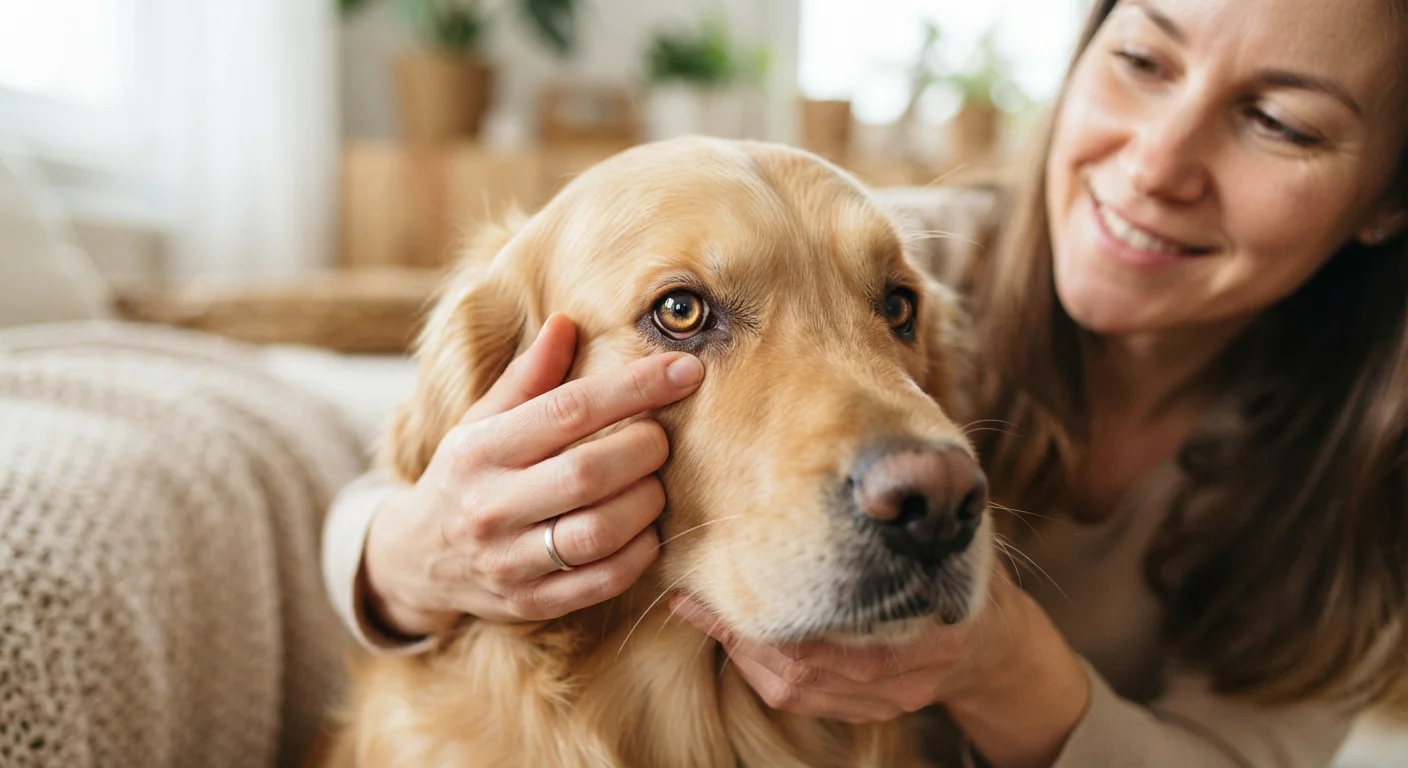
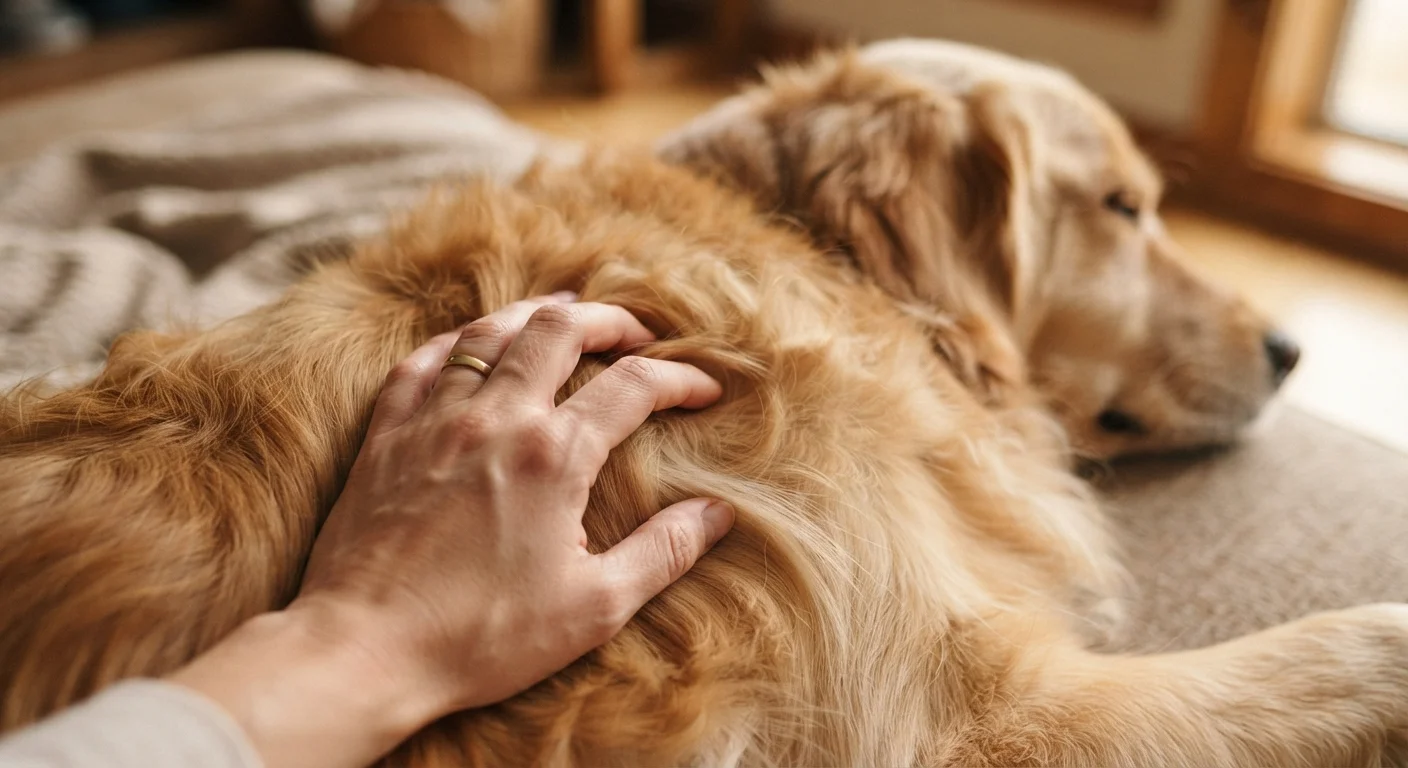
The best time to assess your pet's coat is during regular grooming sessions. Run your hands through the fur systematically, checking for bald spots, skin color changes, unusual texture shifts, external parasites, or sores. Pair this with attention to how your pet's eyes look — coat and eye changes often appear together in systemic illness, and our guide on what your pet's eyes reveal about their health covers this in detail.
Document changes with photos when possible. Progression over time — whether a patch is growing, stabilizing, or improving — is useful information for your vet. Knowing what your pet's coat looked like at its healthiest gives you a reliable baseline for comparison.
Coat health is one part of a broader picture. A routine that consistently supports your pet physically will often be reflected in fur quality, which is one reason it's worth checking whether your daily care routine is actually working.
This article is for general informational and educational purposes only and does not constitute veterinary medical advice. Always consult a licensed veterinarian for concerns about your pet's health or any changes you observe in their coat or behavior.