What Healthy Pet Eyes Actually Look Like
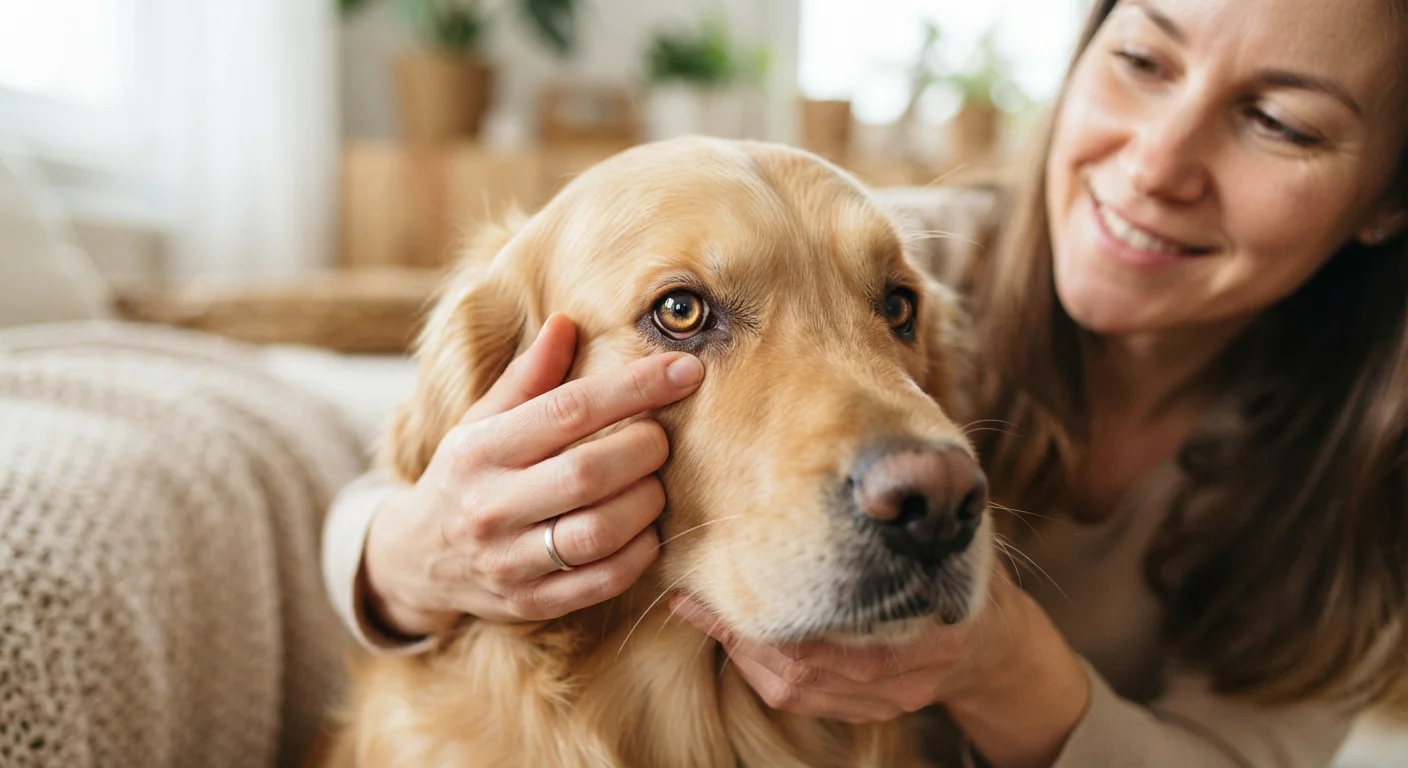
Before you can spot a problem, you need a clear picture of what's normal. Healthy eyes in dogs and cats share several consistent features: the whites of the eye (sclera) should be white to very light pink — not red or yellow. The cornea, the clear dome over the iris, should be transparent with no visible cloudiness or film. Pupils should be equal in size and respond to changes in light, constricting in brightness and dilating in dim conditions.
Tear production keeps eyes moist and clean, so some clear fluid at the inner corner is expected. A small amount of dried crust after sleep is also within normal limits for most pets. What you're watching for is any departure from your pet's individual baseline — which is why building familiarity through routine observation matters so much. See our guide to establishing your pet's health baseline for a practical framework.
Common Eye Changes and What They May Signal
Different types of changes point toward different concerns. Understanding each one helps you communicate clearly with your vet and avoid unnecessary panic — or dangerous delay.
~10%
Dogs affected by cataracts during their lifetime
Cataracts are among the most common ophthalmic conditions diagnosed in dogs, with diabetic dogs at significantly elevated risk according to veterinary ophthalmology literature.
65%+
Diabetic dogs developing cataracts within 1 year of diagnosis
Research published in veterinary ophthalmology journals consistently identifies diabetes mellitus as the leading acquired cause of cataracts in dogs.
~20%
Cats over 15 years old with hypertension
Feline hypertension — a leading cause of retinal damage and sudden blindness — becomes increasingly prevalent in senior cats, according to published feline medicine guidelines.
Redness
A red or pink sclera typically indicates inflammation. Conjunctivitis (inflammation of the tissue lining the eyelid) is a frequent cause and can result from allergies, infection, foreign bodies, or irritants. Redness combined with cloudiness or pain may point to glaucoma — a pressure buildup that can cause permanent vision loss if untreated.
Discharge
Clear, watery discharge often accompanies allergies or blocked tear ducts. Yellow or green discharge suggests bacterial infection and warrants veterinary attention. In cats especially, thick discharge accompanied by sneezing may indicate an upper respiratory infection.
Cloudiness or Opacity
A bluish-white haze over the lens is often nuclear sclerosis, a benign aging change common in older dogs. True cataracts appear as a denser, milky white opacity and can develop rapidly in diabetic dogs. Corneal cloudiness — a haze on the outer surface rather than inside the lens — may indicate ulceration or injury and is a veterinary emergency.
Unequal Pupil Size (Anisocoria)
One pupil significantly larger or smaller than the other is called anisocoria and is rarely normal. It can indicate neurological problems, Horner's syndrome, uveitis (internal eye inflammation), or trauma. This sign warrants prompt veterinary evaluation.
Squinting or Pawing at the Eye
These behaviors signal discomfort. Common causes include a scratch on the cornea, a foreign object, or eyelid abnormalities. Do not attempt to flush the eye with home remedies; seek same-day care.
Eyes as a Window to Systemic Health
Eye changes don't always originate in the eye itself. Veterinarians routinely use ocular examination to detect systemic disease. In cats, high blood pressure — often caused by kidney disease or hyperthyroidism — can rupture tiny blood vessels in the retina, causing sudden blindness. In dogs, diabetes mellitus accelerates cataract formation, sometimes within weeks of diagnosis. Autoimmune conditions can trigger uveitis or characteristic changes in pigmentation.
Make Eye Checks Part of Your Routine
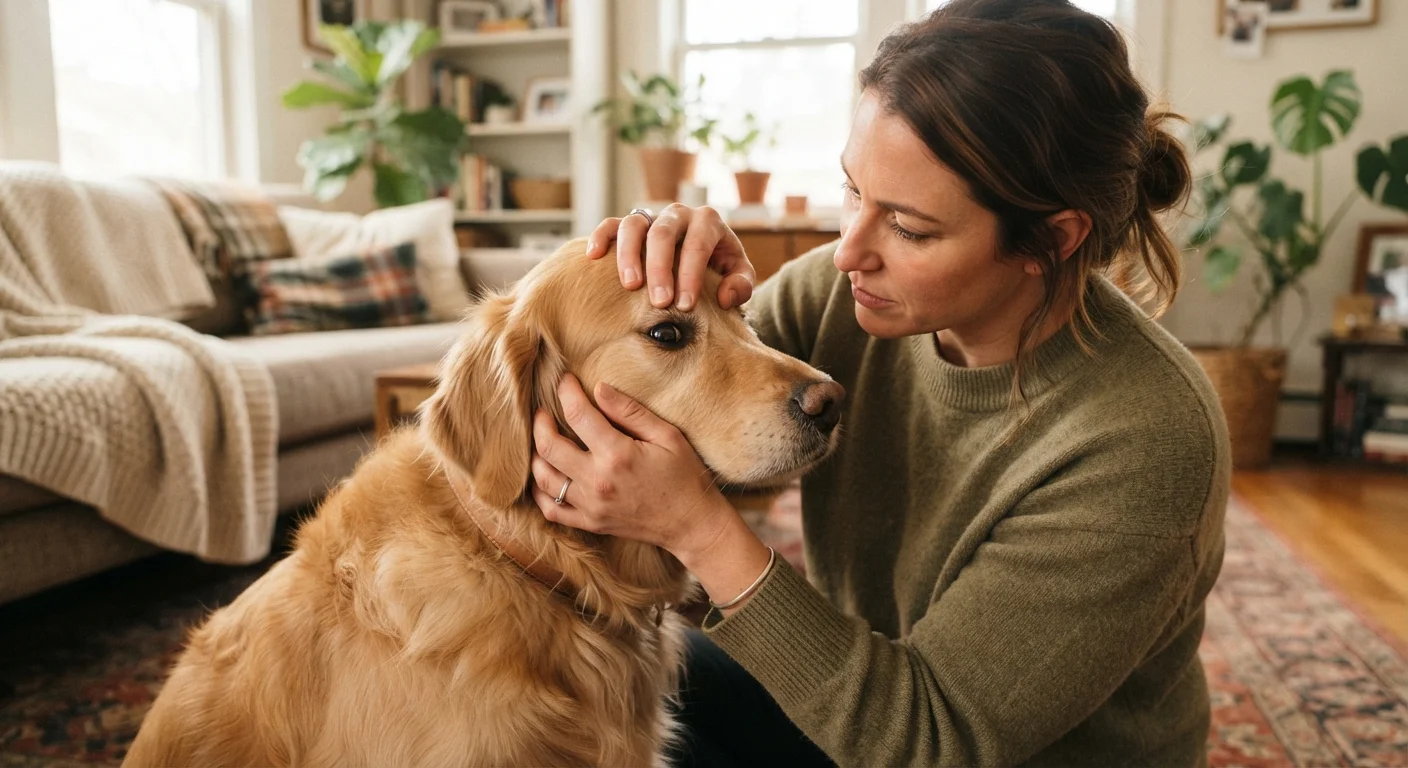
Spend 30 seconds examining your pet's eyes during regular grooming or cuddle time. Look at both eyes from the front in good lighting, checking for symmetry, clarity, and any discharge. Catching a subtle change early — before squinting or pawing begins — gives your vet far more treatment options.
This is one reason why routine wellness exams matter even when a pet appears healthy. A vet examining the back of the eye (the fundus) can sometimes detect early hypertension or retinal changes before an owner notices any outward symptom. If you'd like a structured way to monitor your pet between vet visits, the monthly at-home health check is a solid starting point.
Breed-Specific Risks Worth Knowing
Certain breeds carry structural or genetic predispositions to eye problems. Brachycephalic breeds — including Bulldogs, Pugs, Boston Terriers, Persians, and Shih Tzus — have shallow orbits that leave the eyes more exposed and prone to injury, dryness, and a condition called proptosis (eye displacement from the socket). Owners of these breeds should be especially diligent about monitoring.
Cocker Spaniels and Basset Hounds have higher rates of glaucoma and entropion (eyelids rolling inward). Siberian Huskies carry a hereditary risk for several eye conditions including juvenile cataracts and corneal dystrophy. If you own a breed with known ocular risks, discuss a breed-appropriate screening schedule with your veterinarian.
Eye health is just one piece of a broader observation picture. Pair what you learn here with daily health observations to build a complete, proactive monitoring habit.
This article provides general educational information about pet eye health and is not a substitute for professional veterinary advice, diagnosis, or treatment. Always consult a licensed veterinarian for concerns about your pet's health.