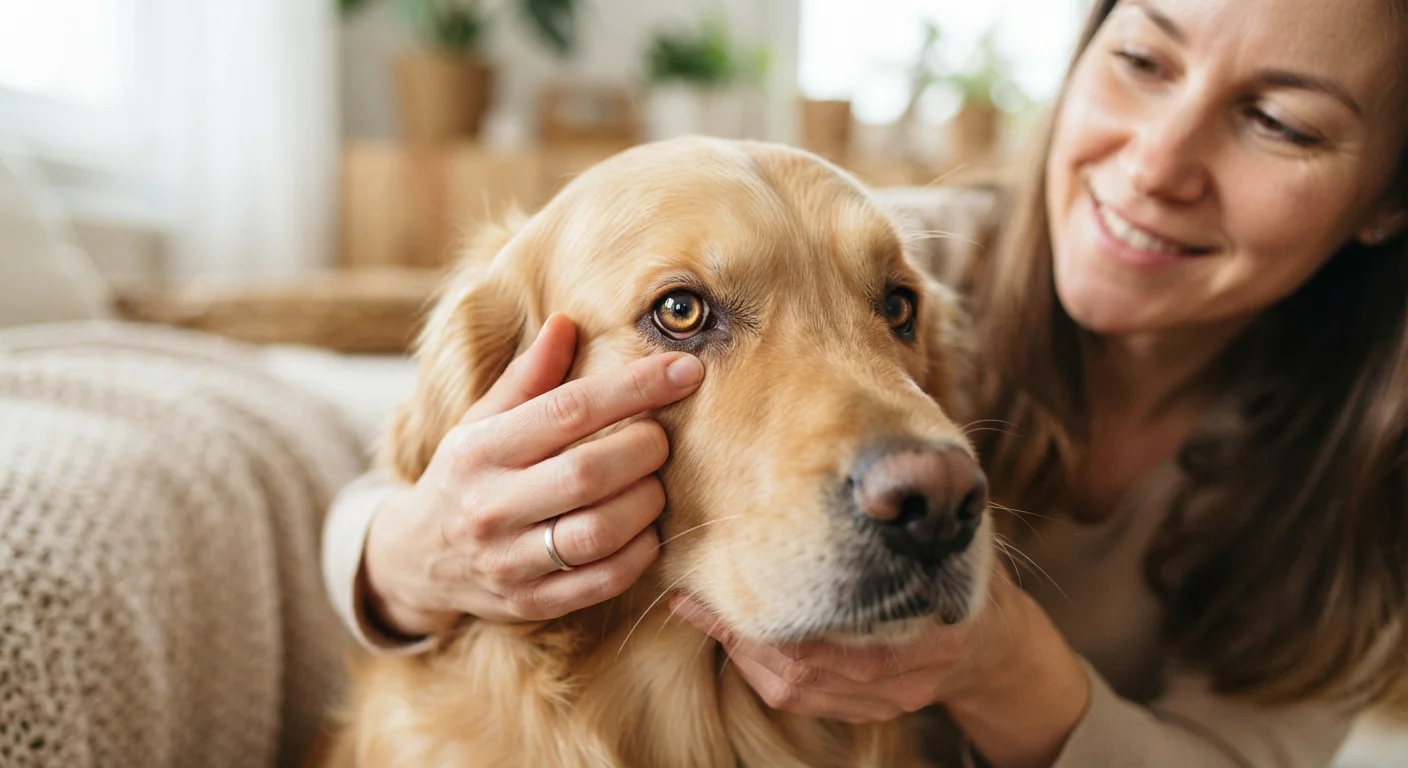

Why a Monthly Home Exam Matters
Veterinary check-ups are essential, but a lot can change between annual visits. Pets age faster than people, meaning minor issues — a new lump, gradual weight loss, or subtle coat changes — can progress quickly if left unnoticed. A short monthly examination performed at home bridges that gap.
The goal isn't diagnosis. It's early observation. When you know what normal looks and feels like for your pet, deviations stand out immediately. Establishing a health baseline for your pet — tracking their usual weight, gum color, and resting breathing rate — is the foundation that makes this entire routine meaningful.
This checklist covers seven body systems in a logical head-to-tail order. Work through it in a calm environment where your pet feels relaxed. Pair it with the daily observation habits you already practice, and you'll build a comprehensive picture of your pet's health over time.
This Is Observation, Not Diagnosis
A home health check helps you notice changes — it does not tell you what is causing them. Never attempt to treat a finding based on this checklist alone. If something looks, feels, or smells wrong, contact your veterinarian. Early professional evaluation is almost always less costly and less stressful than waiting.
What You'll Need Before You Start
This exam requires no specialized veterinary tools. Gather the following before you begin so the session stays calm and uninterrupted.
Digital pet scale or bathroom scale
Weigh your pet consistently each month to track gradual weight changes over time.
Small flashlight or penlight
Illuminate the ear canal and mouth for a clearer view of difficult-to-see areas.
Damp cotton pads or soft cloth
Gently remove minor eye or ear discharge during the examination.
Health log (notebook or notes app)
Record monthly findings and dates so you can identify trends and share accurate information with your vet.
Pet-safe treats
Reward calm behavior throughout the exam to keep the experience positive for your pet.
Keep a simple notebook or a notes app handy to record findings each month. Dated entries let you track trends — a mole that hasn't changed in six months is far less concerning than one that doubled in size since last month.
The Monthly Health Checklist
Work through these groups from head to tail, taking your time with each area. Reward your pet between sections to keep the experience positive.
Eyes
Ears
Mouth and Teeth
Skin and Coat
Weight and Body Condition
Nails and Paws
Mobility and Behavior
For a deeper look at what certain eye findings may indicate, see what your pet's eyes are telling you about their health. And if this monthly check-up reveals that your daily care habits need strengthening, daily grooming habits that prevent bigger problems is worth reading next.
Pale or Blue Gums Are an Emergency
Gum color is one of the fastest indicators of cardiovascular or respiratory distress. If your pet's gums appear pale, white, gray, or bluish rather than a healthy pink, do not wait for a regular appointment. Contact an emergency veterinary clinic immediately, as this can signal shock, internal bleeding, or severe anemia.
Don't Force a Resistant Pet
If your pet becomes distressed, growls, or tries to bite during any part of the examination, stop and give them space. Forcing the exam can erode trust and increase the risk of injury. Try again when they are calmer, or ask your veterinarian to demonstrate handling techniques at your next visit.
When to Call Your Veterinarian
This checklist is a screening tool, not a substitute for professional veterinary care. Contact your vet promptly if you observe any of the following during your home exam:
- Sudden or significant weight loss or gain
- Visible lumps, swelling, or wounds that are new or changing
- Pale, white, blue, or yellow-tinged gums
- Difficulty breathing, persistent coughing, or labored movement
- Eyes or ears that show discharge, odor, or obvious discomfort
- Any behavioral change your pet cannot easily explain (e.g., hiding, aggression, loss of appetite)
If your pet shows signs of acute distress — collapse, extreme difficulty breathing, uncontrolled bleeding, or suspected poisoning — treat it as an emergency and contact a veterinary emergency clinic immediately.
This article is for general informational and educational purposes only and does not constitute veterinary medical advice. Always consult a licensed veterinarian for guidance specific to your pet's health needs.