
The Biology Behind Why Routine Matters
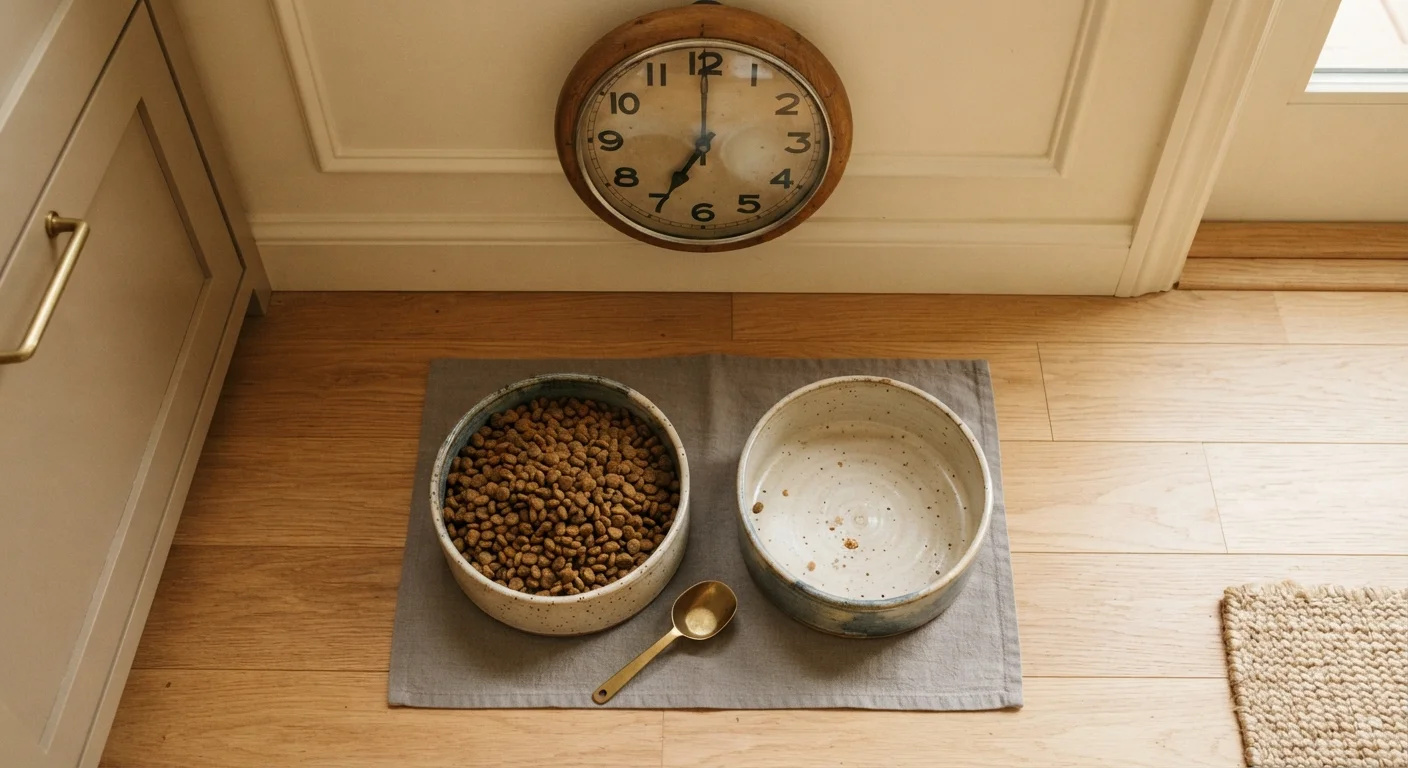
Animals — including our pets — are fundamentally creatures of temporal expectation. Their bodies prepare for meals, exercise, and rest before those events happen. This is not coincidence. It reflects a real physiological process: as consistent feeding or walk times approach, your pet's body begins releasing digestive enzymes, adjusting energy levels, and regulating hormones in anticipation.
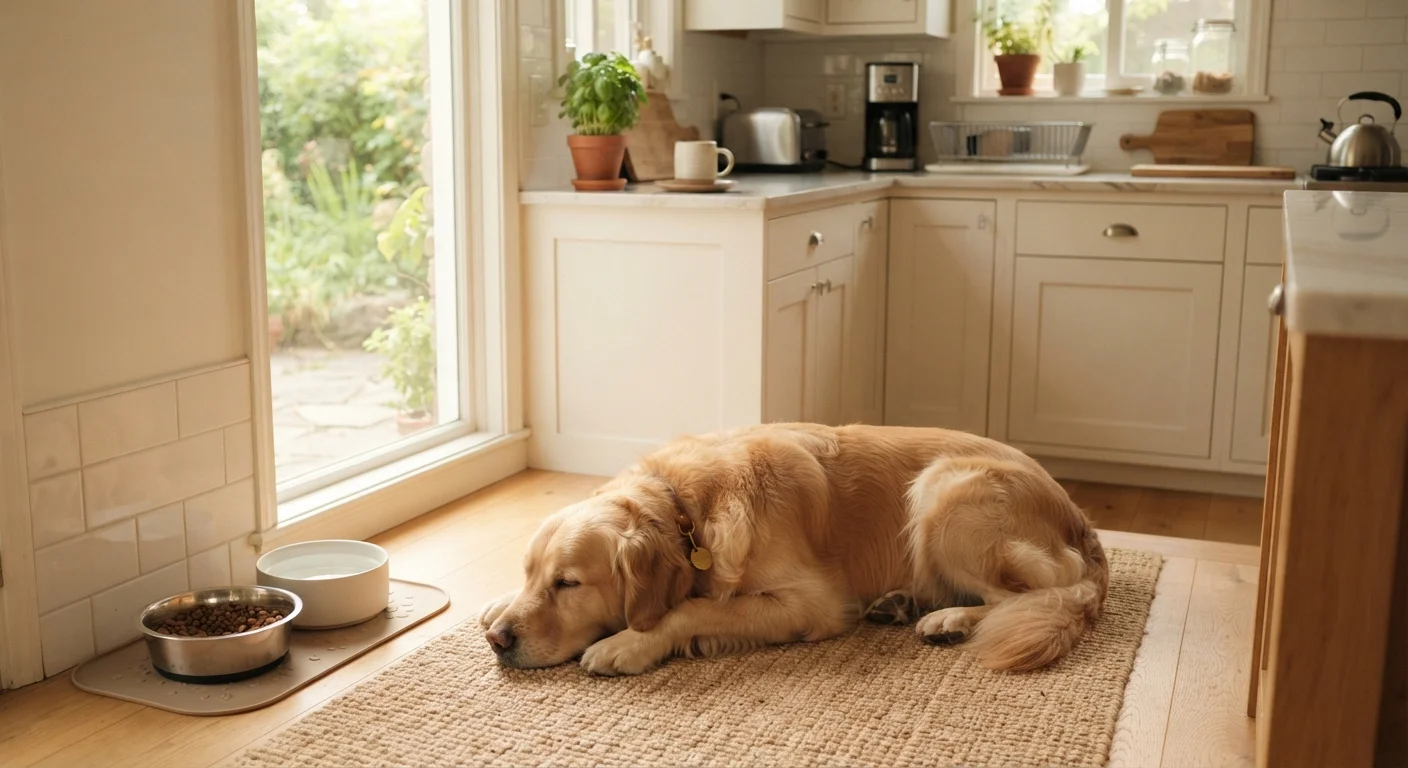
When that timing holds day after day, your pet's stress response system stays calm. Cortisol — the primary stress hormone in mammals — remains at a healthy baseline because nothing unexpected is threatening their environment. This is why a well-routined pet often appears relaxed, focused, and easy to manage. The schedule itself is doing invisible work.
“Animals experience time in a very concrete, physical way. When a scheduled event consistently occurs, the body prepares for it — digestion, arousal, and even immune function begin to align with that expectation. Remove the predictability, and you remove a layer of biological stability.”
— Dr. Karen Overall, Veterinary behaviorist and author on animal behavior
This applies across species. Dogs, cats, rabbits, and birds all demonstrate measurable behavioral differences when kept on consistent versus erratic schedules. The degree of sensitivity varies by species and individual temperament, but the underlying mechanism is consistent: predictability equals safety, and safety supports health.
What Actually Breaks Down When Schedules Slip
Schedule disruptions don't need to be dramatic to affect your pet. A feeding pushed back two hours, a skipped morning walk, or a week of irregular bedtimes can be enough to trigger noticeable behavioral changes — particularly in anxious or sensitive animals.
~70%
Dogs showing stress signs after routine disruption
Veterinary behaviorists broadly report that the majority of anxiety-related presentations in companion animals are linked to environmental unpredictability, including schedule inconsistency.
2–3 weeks
Typical adjustment window for new pet schedules
Behavioral guidelines from veterinary professionals generally suggest gradual transitions over two to three weeks minimize stress responses in dogs and cats.
The most common effects of routine disruption include:
- Digestive upset: Irregular mealtimes can disturb gut motility and lead to vomiting, diarrhea, or appetite fluctuations.
- Increased anxiety behaviors: Pacing, whining, hiding, excessive grooming, or destructive chewing often intensify when an animal can no longer predict its day.
- Sleep disturbances: Pets whose schedules are inconsistent may sleep restlessly or become hyperactive at unusual hours.
- Attention-seeking or withdrawal: Some pets become clingy; others become withdrawn. Both can be responses to environmental unpredictability.
Understanding these signals is essential. Our article on signs your pet's daily routine is working can help you distinguish between normal adjustment and genuine distress.
How to Protect Routine — and Recover When It Breaks
Life for pet owners rarely stays perfectly consistent. Travel, work changes, illness, and new household members all create schedule pressure. The goal isn't rigidity — it's resilience. A few practical principles help maintain your pet's sense of predictability even when circumstances shift.
Protecting Routine During Disruptions
When you know a schedule change is coming — a holiday trip, a new work schedule, a household move — start shifting feeding and activity times by small increments at least one to two weeks in advance. Giving your pet's internal clock time to adjust gradually is far more effective than compensating after the stress has already set in.
Anchor key events, not every event. If you can keep feeding times and one daily interaction consistent, your pet retains strong temporal anchors even if the rest of the day varies. Adapting your pet's routine as they age also means revisiting these anchors at each life stage — a puppy's high-energy schedule won't suit a senior dog's needs.
Introduce changes gradually. Shift mealtimes or walk times by 15–30 minutes every few days rather than all at once. This allows your pet's internal rhythms to adjust without triggering a stress response.
Use consistent pre-event cues. The same leash, the same bowl placement, or a consistent verbal cue before an activity can preserve the psychological benefit of routine even when exact timing shifts slightly.
For a deeper look at how structured interaction supports your pet's overall wellbeing, explore structured vs. free play approaches. And if behavioral changes persist after a schedule disruption, consult your veterinarian — ongoing stress responses can have physical consequences that warrant professional evaluation.
This article provides general educational information about pet care and is not a substitute for professional veterinary advice. Always consult a licensed veterinarian regarding your individual pet's health and behavior.