What Structured Playtime Actually Involves
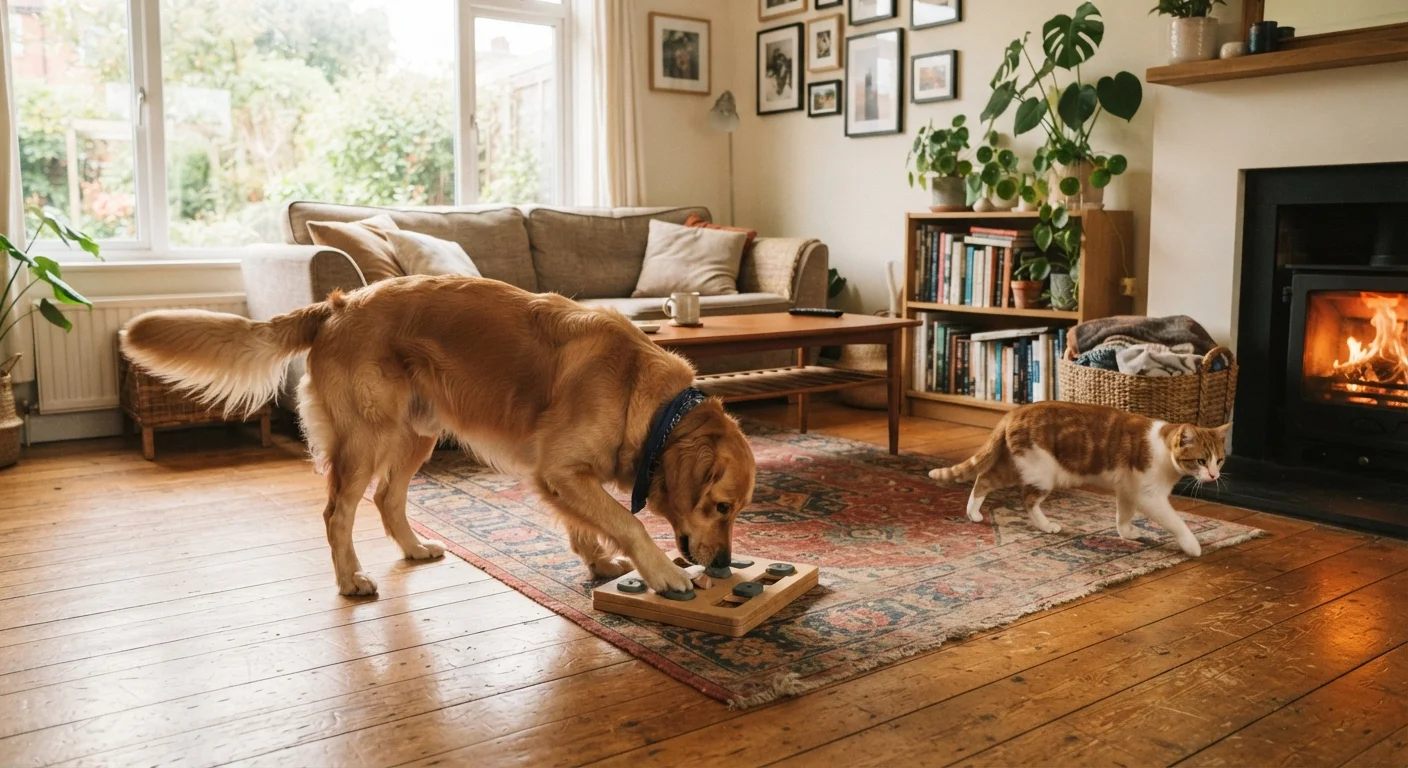
Structured playtime is any play session that you actively direct. You set the rules, choose the activity, and stay engaged throughout. Common examples include fetch, hide-and-seek with treats, leash-guided obstacle work, and interactive puzzle feeders that require your involvement to reset or guide.
The defining feature is intentionality. You're not just present — you're shaping how the session unfolds. This gives you the opportunity to weave in cues, reward desired behavior, and keep stimulation at a level appropriate for your pet's current skill set. See our guide to enrichment in daily pet care for a fuller picture of how directed activity fits into a healthy routine.
What Free Play Looks Like — and Why It Matters
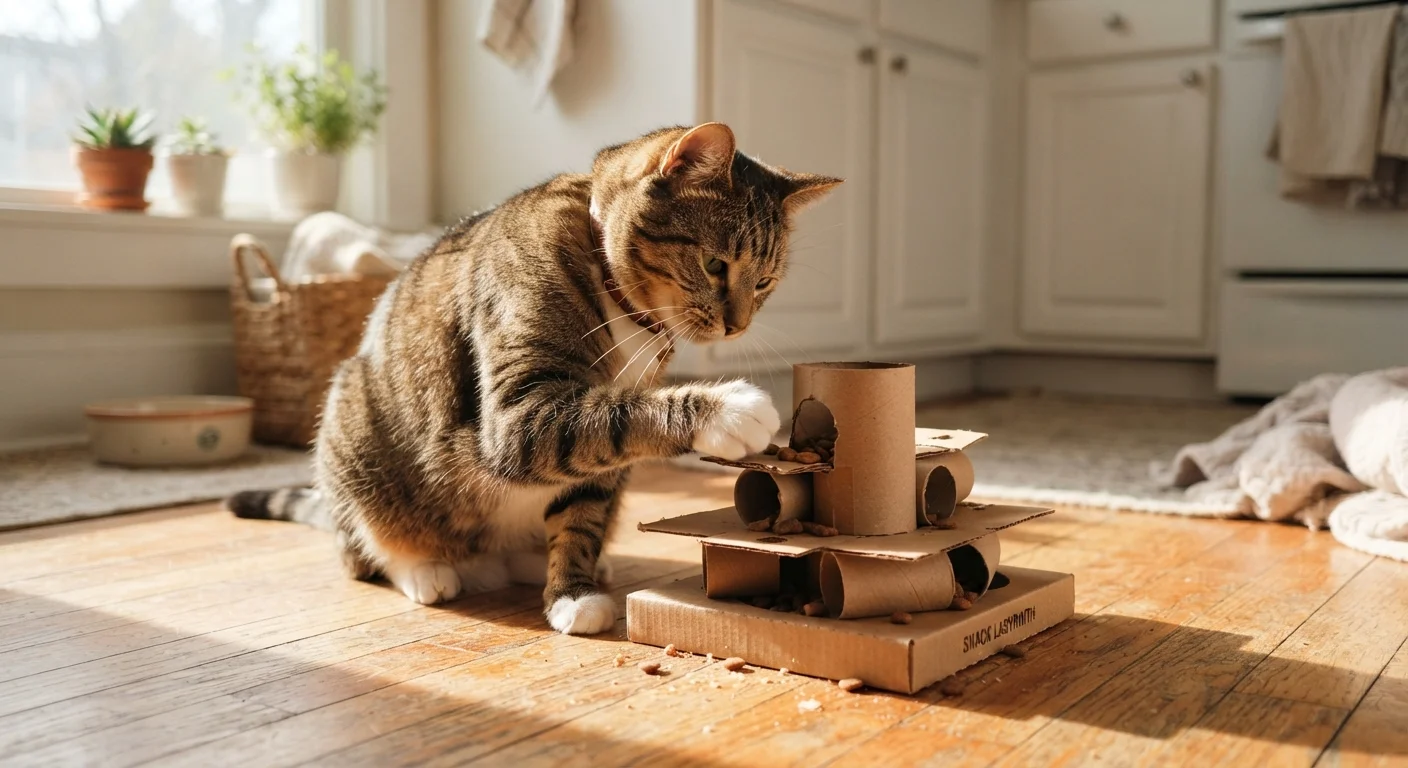
Free play is self-directed exploration and activity with minimal owner intervention. A cat batting at a hanging toy on its own schedule, a dog sniffing along a fence line in the yard, or a rabbit investigating cardboard tunnels without prompting — all of these count. The key element is that the pet chooses what to engage with, for how long, and at what intensity.
This autonomy isn't trivial. Allowing pets to make low-stakes choices throughout the day supports behavioral confidence and reduces frustration-based stress. Species that evolved as explorers — cats especially — often show signs of boredom and anxiety when every minute of stimulation is owner-controlled. Free play honors natural behavioral drives in a way structured sessions cannot fully replicate.
For households navigating a new arrival, building a first-week routine that includes both directed and independent activity helps set behavioral expectations early.
How to Balance Both in a Real Daily Routine
Rather than choosing one over the other, think about sequencing. Many trainers and behaviorists suggest opening or closing exercise periods with structured interaction — a short training game or guided play — then allowing free exploration in a safe space before rest. This pattern is predictable enough to reduce anxiety while still giving pets meaningful independence.
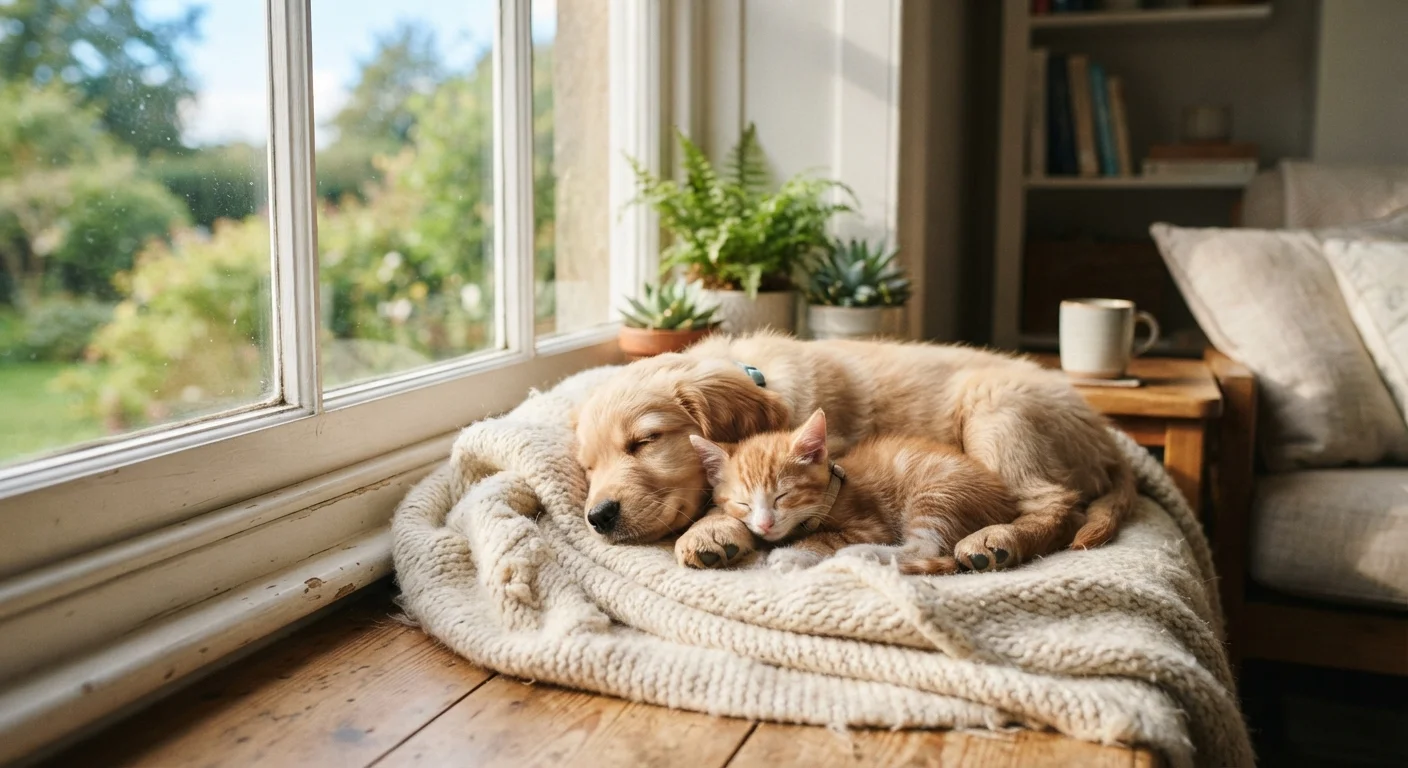
Age and energy level matter significantly here. Puppies and kittens often have shorter attention spans for structured sessions but high exploratory drive, so more free play with brief structured intervals tends to work better. Senior pets may prefer calm, owner-directed games over intense unstructured bursts. Routine consistency amplifies the benefit of both types — irregular timing can undermine the behavioral gains from even well-designed play sessions.
If you're managing multiple animals, the balance shifts further. Multi-pet households often require careful separation of structured sessions to avoid competition, while shared free-play spaces can support social bonding between compatible animals.