
Why the First Week Sets the Foundation
The first seven days in a new home are among the most psychologically significant of a pet's life. Everything — the smells, sounds, people, and spaces — is unfamiliar. Without a predictable structure to anchor to, that novelty quickly becomes stress. Understanding why pets thrive on predictability helps explain why early routine-building is one of the most effective things a new owner can do.
Routine does two things simultaneously: it reduces the number of decisions your pet has to make in an unfamiliar environment, and it begins training you as much as your pet. The habits you establish now — when you feed, when you play, when lights go out — are the habits most likely to persist. Starting with intention makes the difference between a schedule that sticks and one that slowly erodes.
Acclimation period
The time it takes a pet to adjust to a new environment, people, and daily rhythms — typically one to three weeks depending on the animal and their history.
Anticipatory behavior
Actions a pet takes in response to learned cues — like sitting by the door before a walk — that signal a routine is becoming internalized.
Elimination schedule
A fixed timetable for when a pet is given the opportunity to urinate or defecate, used to establish house-training and monitor digestive health.
Enrichment
Activities and interactions that stimulate a pet mentally and physically, helping to prevent boredom and stress-related behavior problems.
Transitional stress
Mild anxiety or behavioral changes that occur when a pet moves to a new home, typically temporary and reduced by consistent routine.
The Core Elements of a Day-One Routine
Day one should be quiet and structured, not exciting. Resist the urge to invite friends over or let your new pet explore the entire home. Instead, introduce one space at a time and keep the atmosphere calm.
Every day — starting from the first — should include these non-negotiable elements:
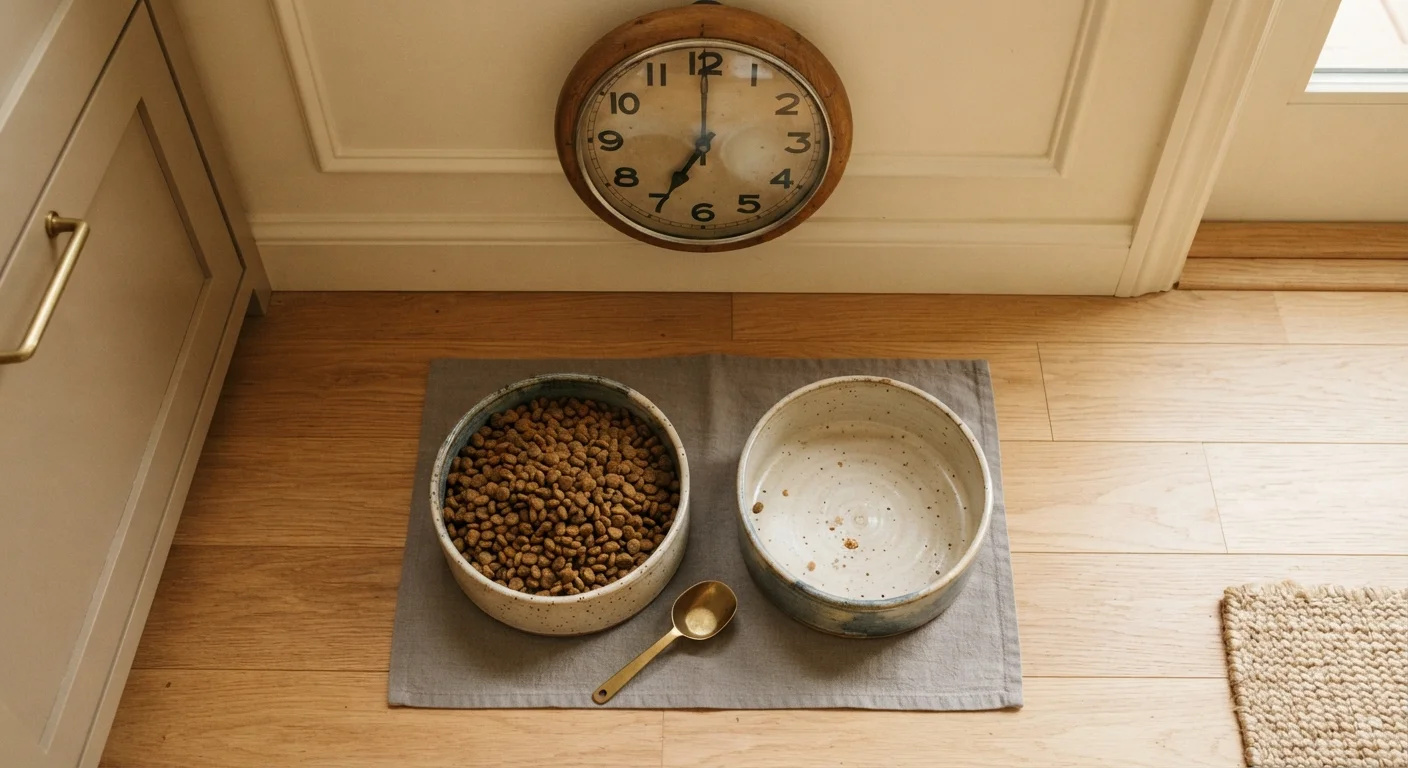
- Consistent mealtimes: Feed at the same times each morning and evening. Use the food your pet was eating before rehoming to avoid digestive disruption. For a closer look at timing approaches, see our comparison of free-feeding vs. scheduled meals.
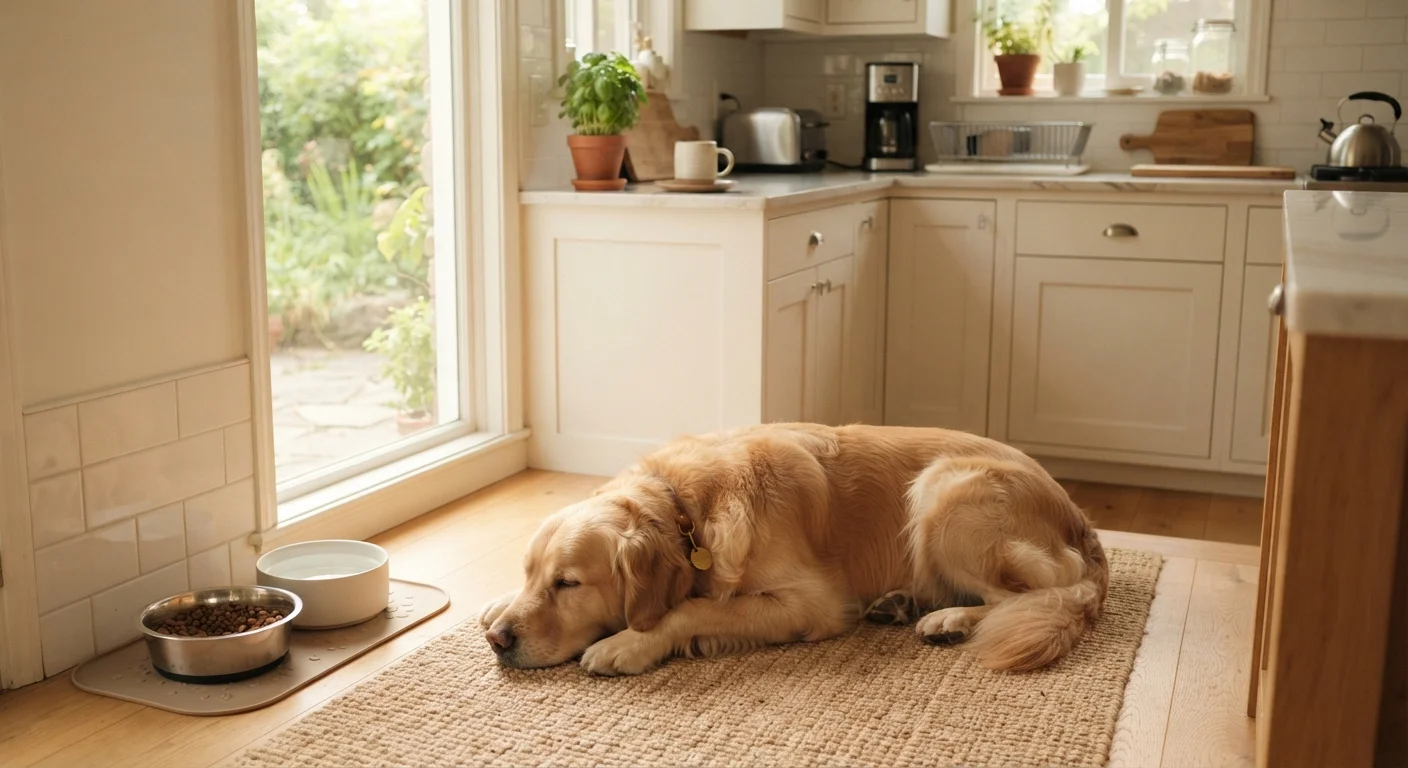
- Designated rest space: Establish a single, quiet sleeping spot from night one. Consistency here builds a sense of security faster than allowing free roaming.
- Short, structured interaction: Ten to fifteen minutes of calm, guided engagement — gentle play or quiet petting — is more valuable than extended, unpredictable contact. Our article on structured vs. free play explains why the format of interaction matters.
- Outdoor or elimination opportunities: For dogs, go outside at fixed intervals. For cats, confirm litter box access immediately and keep it in a consistent location.
Write down your intended schedule before day one — even a simple list. Owners who plan in advance maintain consistency significantly better than those who improvise.
Days Two Through Four: Reinforcing the Pattern
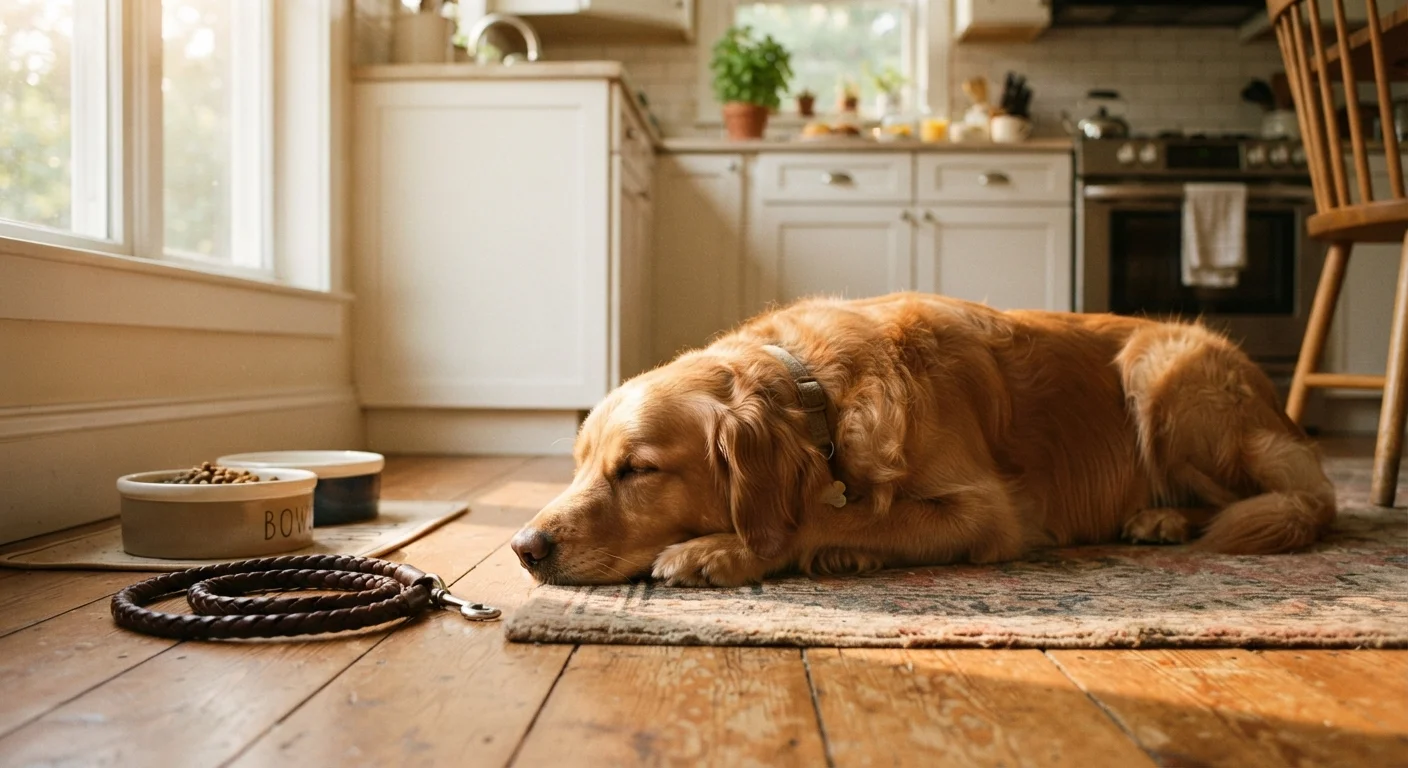
By day two, your pet is beginning to map cause and effect: this sound means food is coming, that leash means a walk, this person sitting down means play time. Your job is to be as predictable as possible so those mental maps form accurately.
During days two through four, gradually expand your pet's accessible space if they're showing calm, settled behavior. Introduce new areas one room at a time, always returning to the established rest zone afterward. Avoid drastic changes to the meal schedule even if timings feel slightly inconvenient — regularity matters more than precision during this window.
Keep a Simple Log During Days 2–4
Jot down what time your pet eats, rests, and eliminates each day. You don't need an app — a notepad works fine. After four days, patterns become visible and you'll have a factual baseline rather than a guess if your vet asks about habits.
This is also the right moment to observe appetite and elimination patterns closely. Changes in either can be early health signals worth noting. The Pet Health Signals hub is a useful reference for understanding what's normal versus concerning in a new animal.
Days Five Through Seven: Locking It In
By the end of the first week, most pets will show recognizable anticipatory behaviors — waiting by the food bowl before mealtime, heading toward the door before a walk. These signals are evidence that the routine is being internalized. Treat them as confirmation, not coincidence.
Now is also the time to review whether your schedule is realistically sustainable for your household. A routine that works on a slow weekend may collapse under a typical workweek. The Complete Owner's Handbook to Daily Pet Care Routines offers a practical framework for building schedules that hold up across different types of days.
If you have a cat, refer to our guide on building a daily cat care routine from scratch for species-specific timing and enrichment considerations that apply directly during this consolidation window.
When to Adjust and When to Stay the Course
New owners frequently second-guess their routines too early. If a pet seems anxious or restless by day three, the instinct is often to change the schedule — but this can actually slow adjustment. Behavioral unease in the first week is usually a normal part of acclimation, not a sign the routine is wrong.
Adjust your schedule when you observe persistent, specific problems: a dog consistently unable to hold their bladder between scheduled walks, a cat avoiding the litter box, or clear signs of under-stimulation like destructive behavior. These warrant targeted changes, not a full overhaul.
Stay the course when your pet simply seems unsettled but is eating, eliminating normally, and sleeping. Predictability is the remedy for general anxiety — which means holding the routine firm is often more helpful than softening it. For guidance on how routines hold up during larger life events, see our article on preparing your pet for major life changes.
After the first two weeks, check your pet's behavioral and physical cues against the markers in our follow-up piece on signs your pet's daily routine is actually working to confirm you're on track. Responsible ownership starts with understanding what you're aiming for — the Responsible Ownership hub is a strong next stop for building that broader foundation.
This article is for general informational and educational purposes only. It is not a substitute for professional veterinary advice. If you have concerns about your pet's health or behavior, consult a licensed veterinarian.