The Core Duties That Never Change
Regardless of whether you own one pet or five, the foundational obligations of responsible ownership remain fixed. Every animal in your care requires regular veterinary checkups, species-appropriate nutrition, mental and physical enrichment, and a safe living environment. These aren't variables — they're the baseline. Before exploring what changes between solo and multi-pet setups, it helps to anchor yourself in what doesn't.
Responsible pet ownership is a long-term commitment that demands consistent time, financial planning, and emotional investment. Adding animals doesn't dilute that commitment — it multiplies it. Owners who feel stretched caring for one pet should approach the idea of a second animal with honest self-assessment rather than enthusiasm alone.
Audit Your Current Setup First
Before considering a second pet, honestly evaluate how well your existing animal's needs are being met. Is your current pet receiving adequate exercise, enrichment, and veterinary care? If any of those areas feel stretched, resolving them first creates a more stable foundation for any future addition. A thriving single-pet home is always preferable to an overwhelmed multi-pet one.
What Changes When You Add a Second Animal
The shift from one pet to two — or more — touches nearly every practical dimension of daily care. Here's where the differences are most significant:
Financial Costs
Veterinary bills, food, boarding, grooming, and medications all scale with each animal. Some costs don't simply double; boarding and pet-sitting fees, for example, often increase per head. Many first-time owners underestimate recurring expenses — and that gap grows when multiple animals are involved.
Social Dynamics and Compatibility
Not all animals coexist comfortably. Species mismatches, territorial behavior, age gaps, and individual temperament all affect whether two animals will thrive together or create chronic stress for each other. A poorly managed introduction can result in ongoing conflict, anxiety-related health issues, or the difficult decision to rehome an animal.
Time and Attention
Multiple pets compete for feeding time, training sessions, veterinary appointments, and individual interaction. In a solo-pet home, attention flows in one direction. In a multi-pet home, owners must be deliberate about ensuring each animal receives sufficient individual engagement — not just group cohabitation.
| Solo Ownership | Multi-Pet Household | |
|---|---|---|
| Monthly Cost | Lower, more predictable | Higher, scales per animal |
| Attention Per Pet | Fully focused on one animal | Must be intentionally divided |
| Social Enrichment | Relies on owner interaction | Animals may enrich each other |
| Compatibility Risk | Not applicable | Significant; requires assessment |
| Care Complexity | Simpler routines | More scheduling demands |
| Space Requirements | Standard for one species | Higher; territory needs multiply |
| Veterinary Logistics | One appointment track | Multiple animals, possible conflicts |
Housing and Legal Considerations
If you rent, your lease may limit the number or type of pets you can keep. Adding an animal without landlord approval creates real legal and financial risk. Always verify your lease terms and local ordinances before bringing home a second pet.
What Solo Ownership Offers
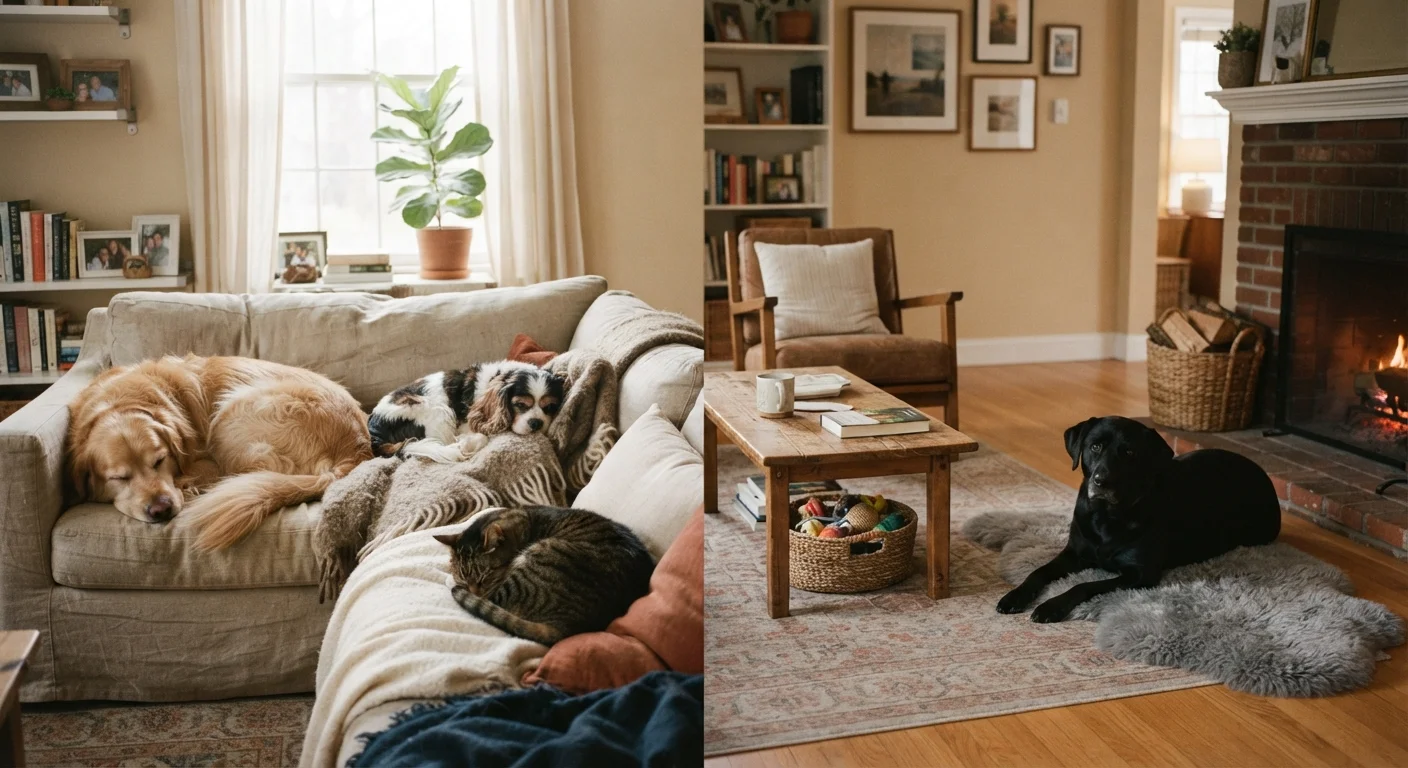
A single-pet household isn't a lesser form of pet ownership — for many animals and many owners, it's the ideal arrangement. Solo pets often receive more individualized attention, more consistent training reinforcement, and clearer behavioral boundaries. Owners can focus enrichment strategies on one animal's specific preferences and needs.
Certain species or individual animals have a genuine preference for being the only pet. Some cats, for instance, are documented to experience chronic stress in multi-cat environments even when no overt aggression occurs. Reading your current pet's behavioral signals honestly is essential before assuming a companion would be welcome. Your daily care routines also stay more manageable when built around a single animal's schedule.
Don't Mistake Loneliness for a Need for Companions
Owners sometimes add a second pet in response to guilt about a solo animal showing boredom or separation anxiety. In many cases, the more effective solution is increasing enrichment, adjusting the owner's schedule, or addressing an underlying behavioral issue directly. A second animal introduced to "fix" a stressed pet often adds stress rather than relieving it. Consult a veterinarian or certified behaviorist before assuming companionship is the answer.
Introducing a Second Pet Responsibly
If you've assessed your situation and concluded a multi-pet household is right for you, the transition itself requires careful planning. Abrupt introductions — bringing a new animal home and expecting immediate harmony — frequently backfire. A phased approach, using scent swapping, separate spaces, and controlled visual introductions, gives both animals time to acclimate without feeling threatened.
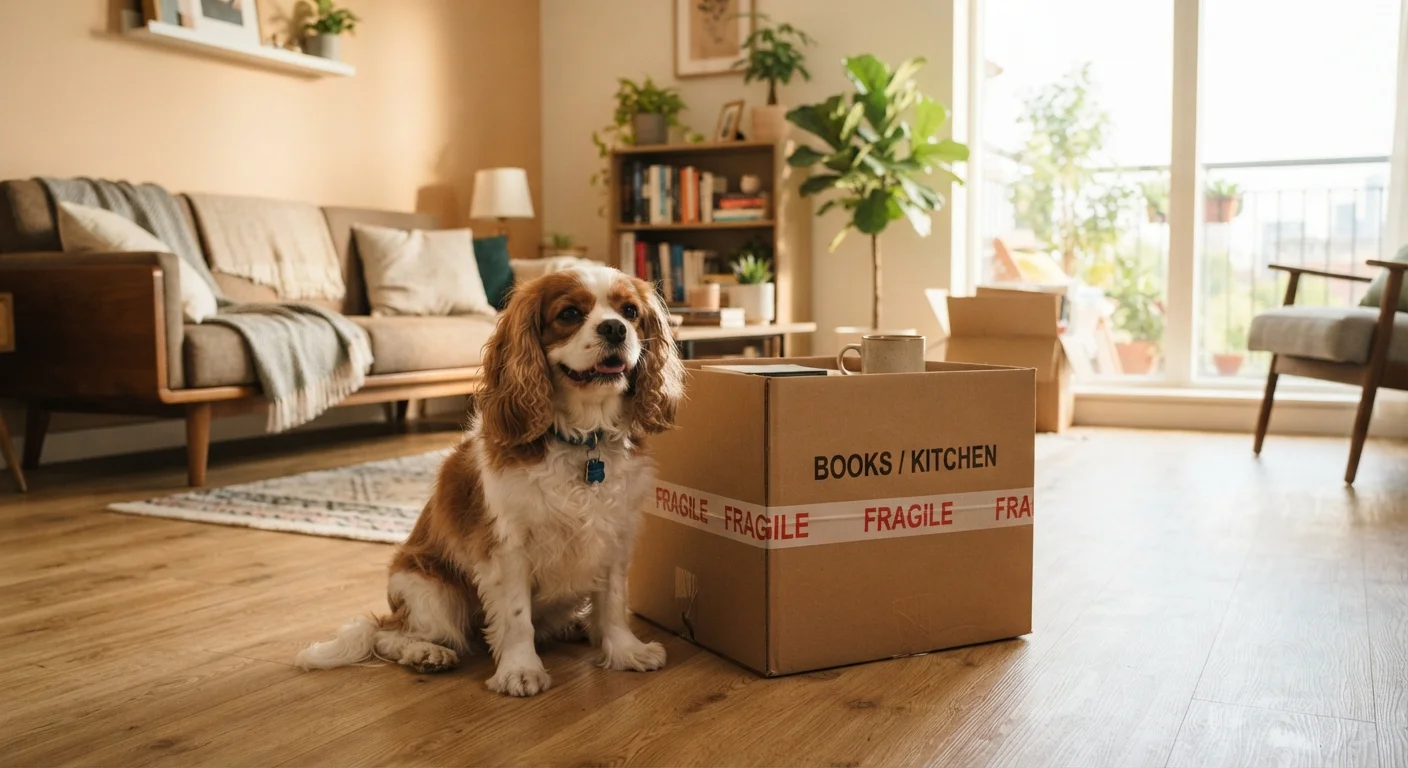
Major life transitions can complicate this process. Pets already navigating change — a move, a new baby, or a schedule disruption — may struggle more than usual with a new housemate. Timing matters. A stable, settled household gives any introduction the best chance of success.
Throughout the adjustment period, monitor both animals for signs of stress: changes in appetite, altered elimination habits, excessive hiding, or increased vocalizations. If behavioral problems persist beyond the expected adjustment window, a consultation with a veterinary behaviorist is worth pursuing. This article provides general guidance only — a qualified veterinarian or certified animal behaviorist can offer advice tailored to your specific animals and circumstances.