Why Routines Can't Stay Static Across a Pet's Life
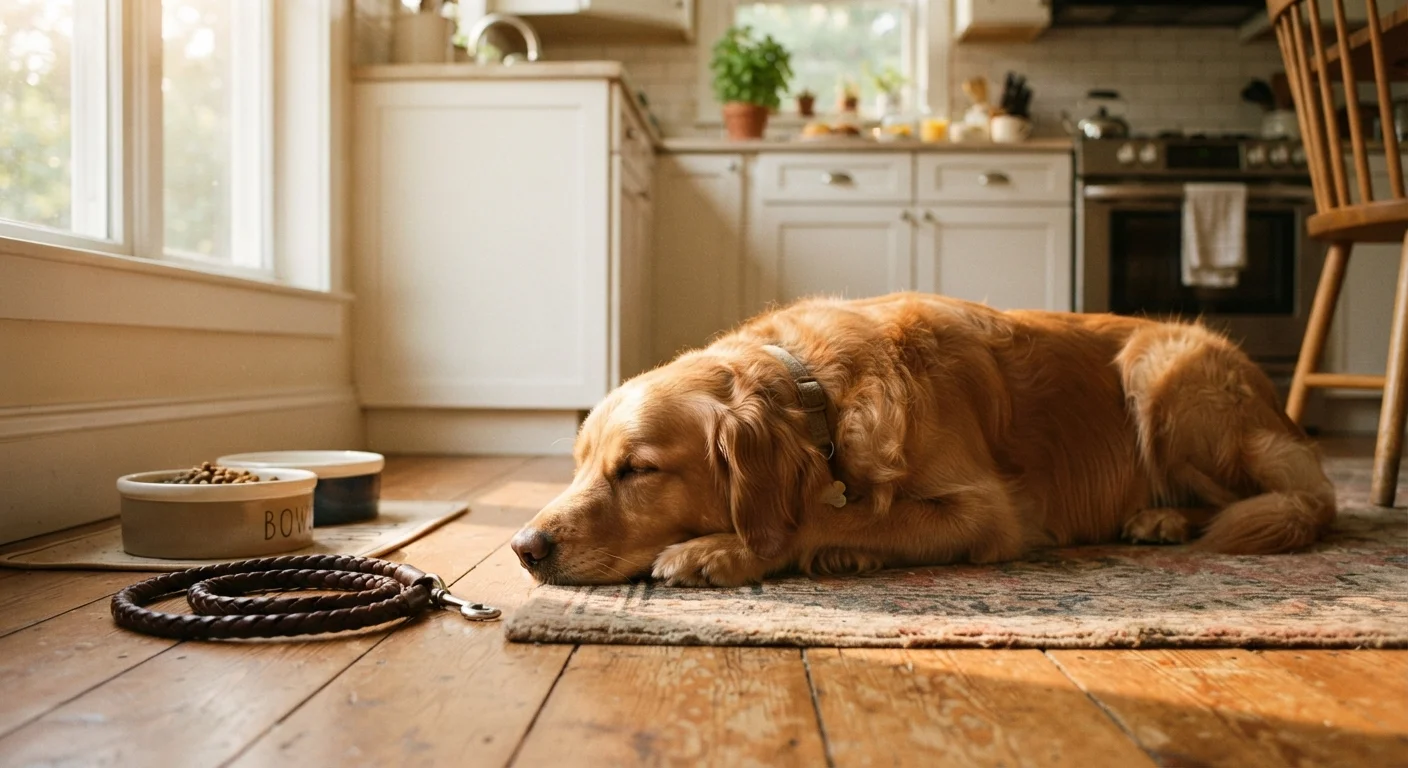
A schedule designed for a six-month-old puppy — multiple high-energy play sessions, frequent small meals, and short overnight sleep windows — will quickly become mismatched once that same dog reaches middle age or senior status. The underlying biology shifts: metabolic rate slows, joint health changes, sleep requirements increase, and sensory sharpness may decline. Holding onto an outdated routine isn't just inconvenient; it can quietly undermine your pet's comfort and health.
The same principle applies to cats, rabbits, and other household companions. Life stage isn't simply a number — it's a collection of physiological and behavioral changes that call for a thoughtful, evolving care plan. As the science behind schedule-based care makes clear, routine itself matters deeply to animal welfare — but the content of that routine must grow alongside your pet.
This guide walks through the practical adjustments worth making at each major life stage, and how to transition smoothly without disrupting the stability your pet depends on.
What to Adjust and When
Before diving into the steps, it helps to understand which routine elements are most sensitive to age-related change. For most dogs and cats, the key areas are:
- Feeding frequency and portion size — caloric needs and digestion efficiency shift across life stages.
- Exercise type and duration — high-impact activity that's appropriate for a young adult can stress aging joints.
- Rest and sleep scheduling — older pets typically need more uninterrupted rest periods throughout the day.
- Enrichment and mental stimulation — the format may need to change even when the underlying need remains.
- Veterinary and monitoring touchpoints — the frequency of health check-ins generally increases with age.
For a comprehensive look at every element of a well-designed daily routine, the Complete Owner's Handbook to Daily Pet Care Routines offers useful grounding before you begin making changes.
Identify Your Pet's Current Life Stage
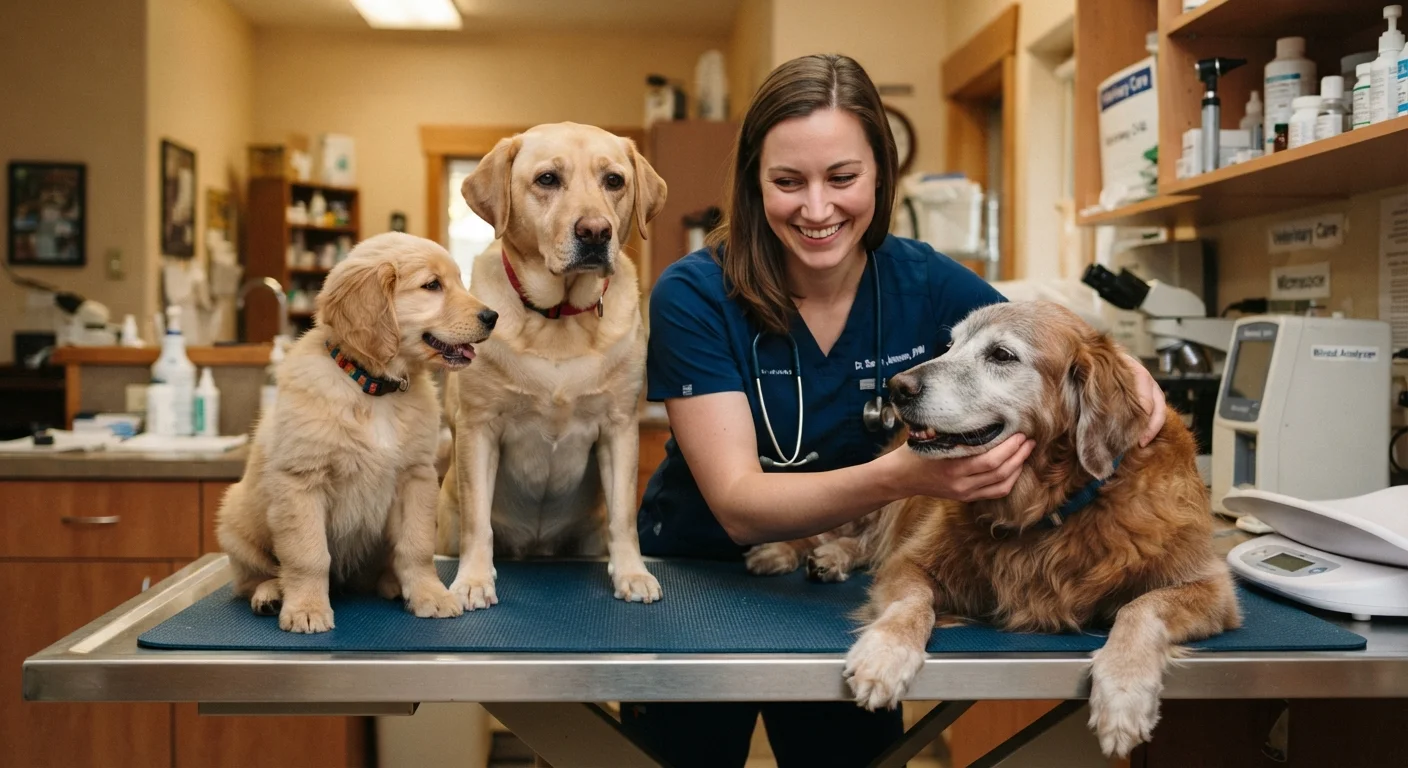
Life stage categories differ slightly by species and breed, but a broadly useful framework for dogs is: puppy (under 1 year), junior/young adult (1–3 years), adult (3–7 years), and senior (7+ years, earlier for large breeds). Cats follow a similar arc. Large-breed dogs often reach senior status earlier than small breeds, so consult your veterinarian to confirm where your individual pet falls.
This assessment forms the foundation for every adjustment that follows — resist skipping it even if the answer seems obvious.
Adjust Feeding Schedule and Portion Sizes
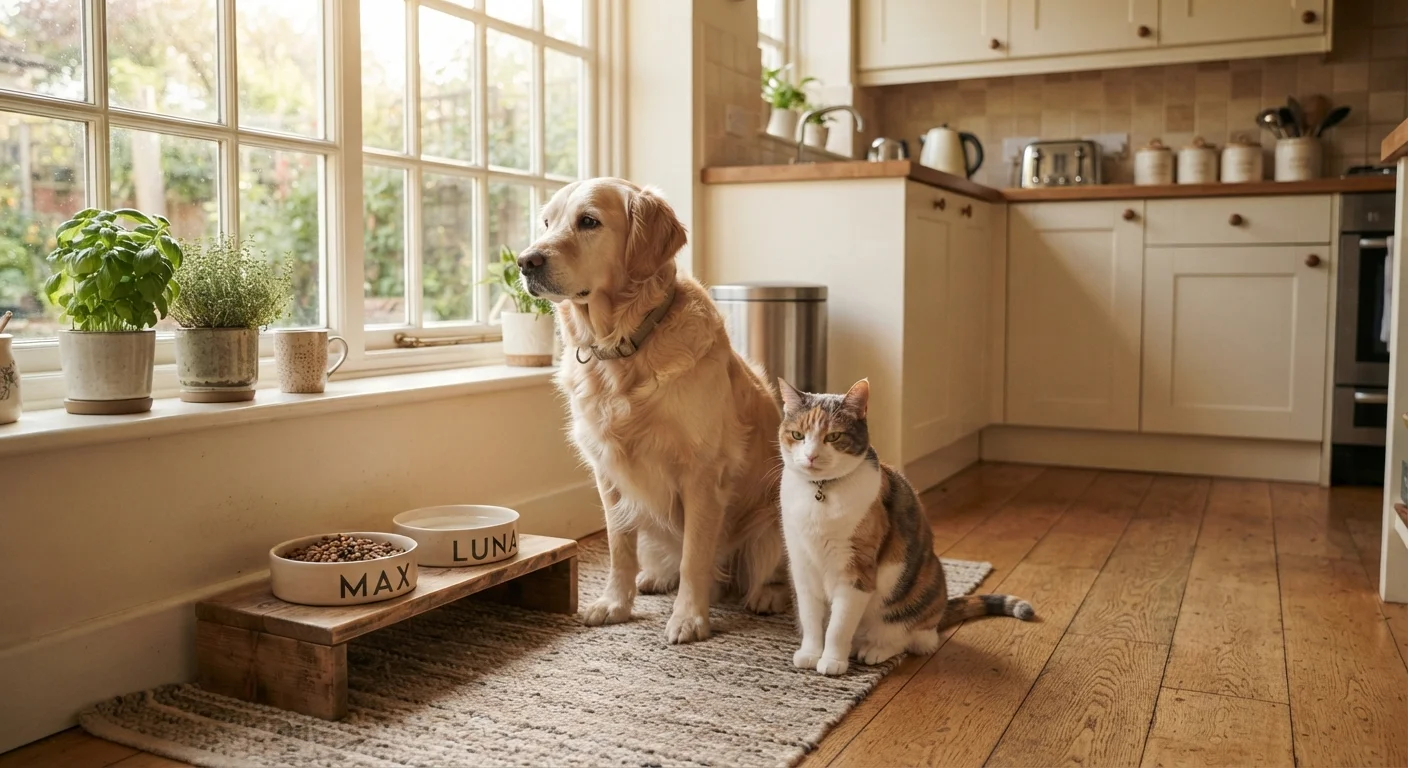
Young puppies and kittens typically need three to four small meals daily to stabilize blood sugar and support rapid growth. Healthy adult pets generally do well on two meals per day at consistent times. As pets move into their senior years, meal frequency may increase again — smaller, more digestible portions can ease the burden on a slower digestive system.
Dietary composition also matters: senior-formulated foods often have adjusted protein levels, added joint-supporting nutrients, and reduced caloric density. Always transition between food formulas gradually over seven to ten days to minimize gastrointestinal upset.
Recalibrate Exercise Type and Duration
Young adult pets often need vigorous daily exercise — long walks, fetch, or active play. As pets age, the priority shifts from intensity to consistency and joint safety. For senior dogs, two or three shorter walks per day can deliver the same cumulative movement benefit with far less impact stress than a single long outing. Swimming is an excellent low-impact option for dogs with arthritis, but only when safe and supervised.
Habitual skipping of exercise has cumulative costs — the long-term effects of irregular exercise on dogs include both physical and behavioral consequences that compound over time.
Build In More Rest Opportunities
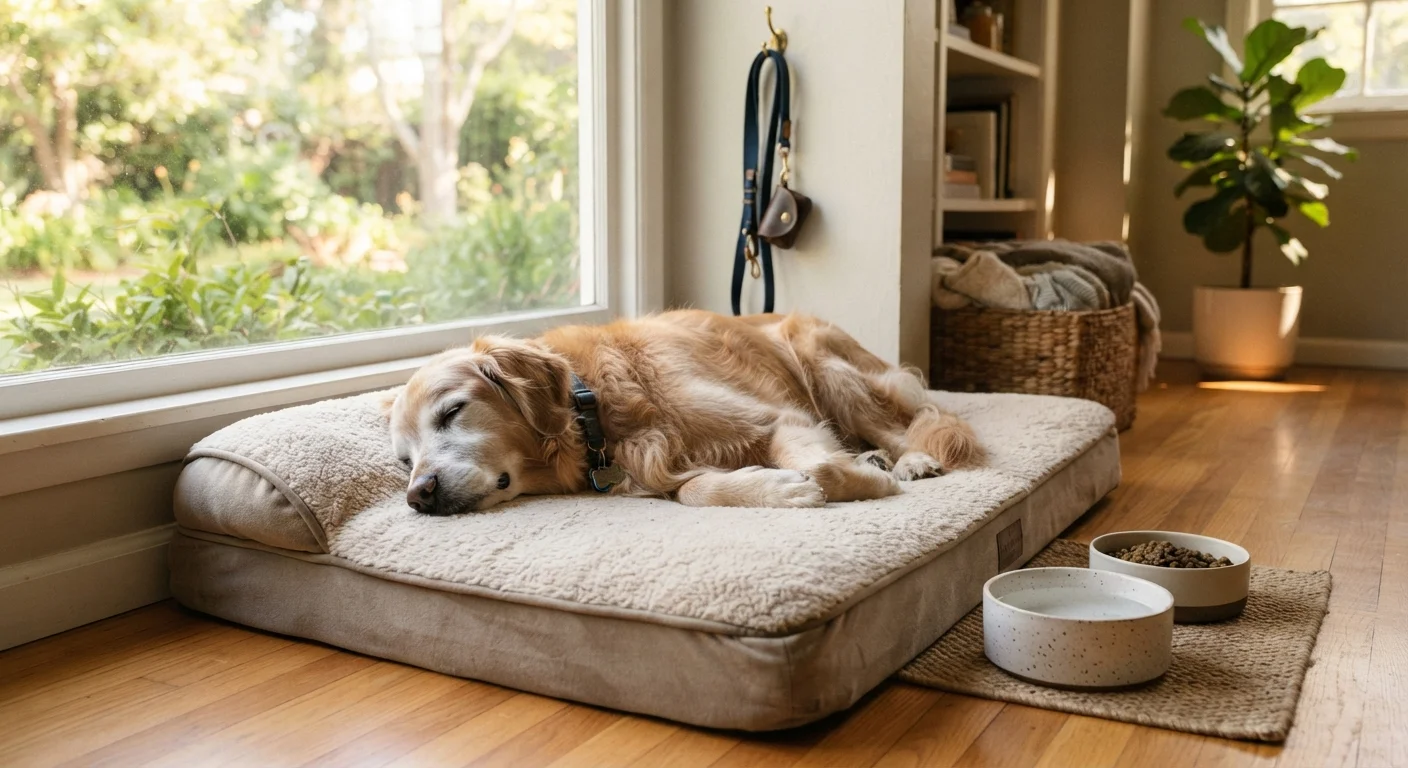
Senior pets sleep more — this is normal and expected. Design their environment to support quality rest: a firm, supportive bed placed away from drafts and high-traffic areas, stable room temperature, and minimal sudden disturbances near sleep zones. For pets with declining hearing or vision, predictable approach patterns from family members reduce startle responses.
Do not interpret increased sleep as laziness or depression unless it is accompanied by other changes such as loss of appetite, disorientation, or social withdrawal — those warrant a veterinary visit.
Adapt Mental Enrichment Activities
Cognitive engagement remains important at every age, but the format should evolve. A young dog might thrive with puzzle feeders that require physical manipulation; an older dog with arthritis may need enrichment that involves sniffing and low-movement problem-solving instead. Scent-based games, calm training sessions with familiar commands, and gentle interactive play all preserve cognitive function without physical strain.
For cats, vertical territory access (climbing structures) may need to be supplemented with lower-level enrichment as mobility decreases. Ramps or steps to favorite perches help maintain access without demanding difficult jumps.
Increase Veterinary and Monitoring Frequency
Adult pets in good health often do well with annual wellness exams. Senior pets — generally those over seven years, or over five for large breeds — benefit from biannual check-ins that include bloodwork and organ function panels. These visits give your veterinarian the data needed to catch age-related changes early and refine your routine recommendations accordingly.
At home, build brief daily observations into your routine: note your pet's appetite, water intake, elimination patterns, and mobility. The Pet Health Signals hub is a useful reference for knowing what to look for between vet visits.
Recognizing When a New Routine Is Working
Adjusting a routine is only as useful as the outcome it produces. After any significant change, give your pet at least two to three weeks to settle before evaluating results. Signs that your updated schedule is a good fit include consistent appetite, stable weight, relaxed body language during rest periods, and maintained interest in enrichment activities.
Watch carefully for signs that go the other way: reluctance to move, changes in elimination habits, increased vocalization, or withdrawal from interaction. These can signal that the new routine is still misaligned — or that an underlying health issue needs attention. The health signals to watch for as pets age vary meaningfully by life stage, so adjust your watchfulness accordingly.
For a broader checklist of behavioral and physical cues that confirm a routine is genuinely supporting your pet, see Signs Your Pet's Daily Routine Is Actually Working.
Transition Gradually, Not All at Once
When updating multiple elements of a routine simultaneously, pets can become stressed or show behavioral regression. Change one major element at a time — such as meal frequency first, then exercise schedule — and allow one to two weeks of stability before introducing the next adjustment. This also makes it easier to identify which change is responsible if your pet responds unexpectedly.
This article is for general informational and educational purposes only and does not constitute veterinary advice. Always consult a licensed veterinarian before making significant changes to your pet's diet, exercise plan, or care routine — especially for pets with known health conditions.