
Why Small Habits Have Outsized Financial Impact
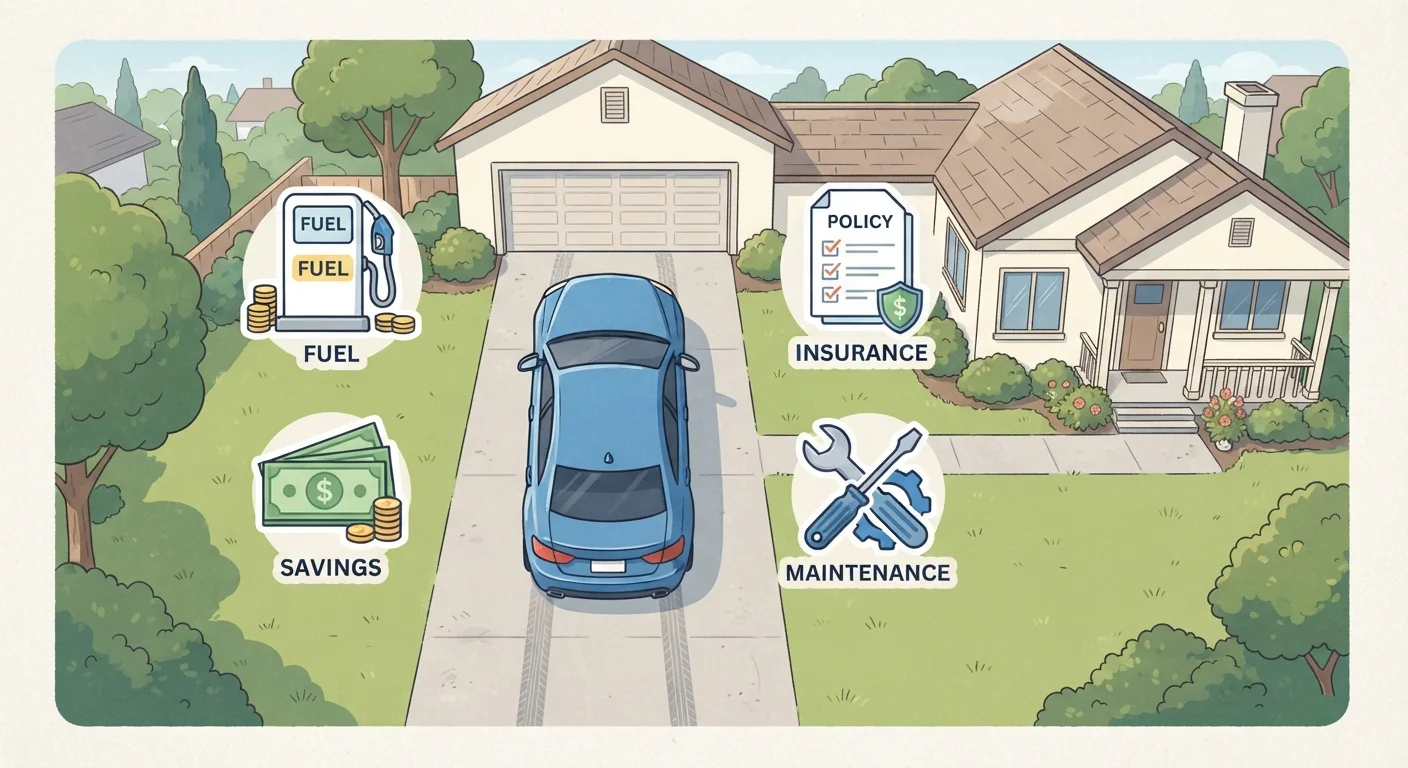
A car is likely the second-largest expense in a young homeowner's budget - and unlike a mortgage, the ongoing costs are highly variable. Fuel, insurance, registration, tires, and repairs can swing hundreds of dollars per year based almost entirely on behavior. Understanding the full cost of owning a car beyond the monthly payment is the first step toward managing it intelligently.
The good news: most of the factors that drive long-term car costs are within your control. The habits you build around driving, fueling, and maintaining your vehicle compound over time - in both directions. Consistent, small choices made regularly tend to outperform occasional large efforts.
Follow your manufacturer's maintenance schedule, not generic rules of thumb
Every vehicle has a manufacturer-specified maintenance schedule based on its engineering. Following it ensures you replace fluids, filters, and components at intervals that protect your specific engine - not someone else's. Deviating too early wastes money; deviating too late risks damage.
Drive smoothly and anticipate stops to reduce wear and fuel costs
Gradual acceleration and early braking reduce stress on brake pads, tires, and the drivetrain while improving fuel economy. These savings accumulate meaningfully over tens of thousands of miles.
Maintain correct tire pressure consistently
Under-inflated tires increase rolling resistance, reducing fuel economy and causing uneven wear that shortens tire lifespan. The National Highway Traffic Safety Administration (NHTSA) notes that proper tire inflation also supports safer handling.
Build a dedicated car repair fund separate from your emergency savings
Vehicle repairs are predictable in aggregate even when unpredictable individually. A dedicated fund prevents you from raiding your emergency savings or carrying high-interest debt when a repair bill arrives.
Review your auto insurance policy at every renewal period
Your circumstances change - you may have improved your credit score, reduced your annual mileage, or moved to a different area. Insurers use these factors in pricing, and failing to flag changes may mean you're paying for a risk profile that no longer applies to you.
Keep a simple maintenance log for every service event
A maintenance log creates accountability, helps you catch missed services, and provides documented proof of care that supports resale value. It takes minutes to update and provides clarity for years.
Drive in Ways That Protect Your Vehicle and Your Wallet
Aggressive driving - hard acceleration, late braking, high-speed highway cruising - is one of the most direct ways to accelerate wear on brakes, tires, and drivetrain components. According to the U.S. Department of Energy, aggressive driving can reduce fuel economy by 15-30% on the highway and up to 40% in stop-and-go traffic.
Smooth, anticipatory driving extends the life of consumables. Brake pads, for example, can last anywhere from 25,000 to 70,000 miles depending heavily on driving style. Pairing smoother driving with defensive driving habits also reduces your accident risk - which directly affects your insurance premium over time.
“The best time to think about a repair is before it happens. Vehicles that are consistently maintained cost their owners significantly less over a decade than those that receive attention only when something breaks.”
— American Automobile Association (AAA), National automotive services and research organization
Stay Ahead of Maintenance - It Always Pays Off
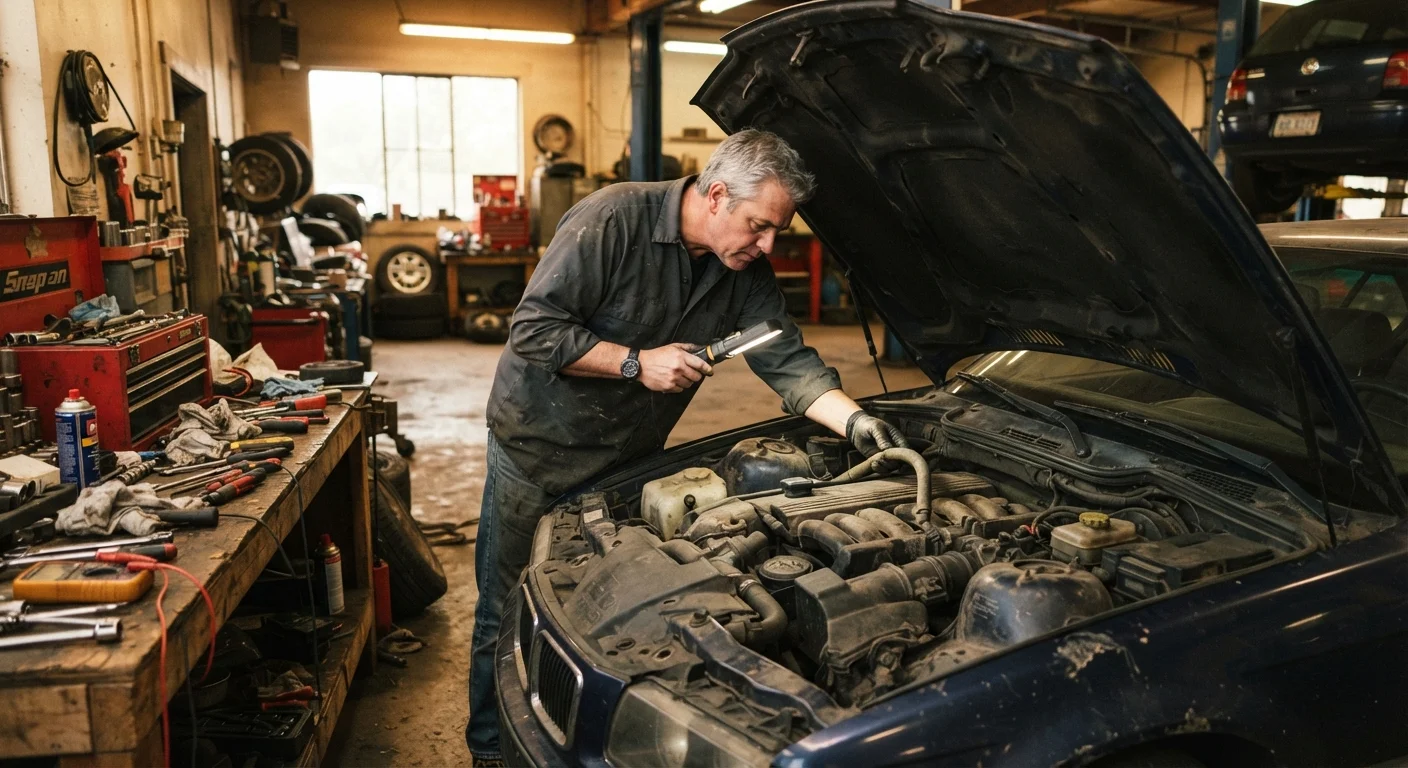
Deferred maintenance is one of the most expensive decisions a car owner can make. An oil change costs a fraction of what engine damage from sludge buildup will run you. As detailed in why skipping small maintenance tasks leads to big repair bills, neglecting routine upkeep consistently leads to larger, avoidable repair bills.
Use your owner's manual - not rule-of-thumb folklore - as your maintenance guide. Many vehicles no longer require oil changes every 3,000 miles; intervals of 5,000-10,000 miles are common with modern synthetic oils. Knowing the real lifespan of common car parts helps you plan and budget replacements before they become failures.
Keeping a vehicle maintenance log is a low-effort habit that pays dividends in two ways: it keeps you on schedule, and it documents your car's service history, which supports resale value.
Use Your Owner's Manual as Your Source of Truth
Manufacturer maintenance schedules are built around your vehicle's specific engine, transmission, and operating conditions. Generic advice - like universal oil change intervals - may not apply. If you've misplaced your physical manual, most automakers make digital versions available through their official websites or owner portals.
Budget for Car Costs Before They Happen
Most car-related financial stress is predictable - tires wear out, brakes wear down, registration comes due every year. The annual car ownership budget checklist is a practical tool for accounting for every recurring and one-off expense before it catches you off guard.
A dedicated car fund - separate from your general emergency savings - prevents vehicle expenses from disrupting your broader budget. Even setting aside a modest fixed amount monthly smooths out the cost curve significantly. For broader saving frameworks, the Saving & Goals hub offers practical approaches to building targeted funds alongside everyday financial goals.
$1,986
Average annual vehicle maintenance and repair cost
AAA's annual 'Your Driving Costs' study consistently finds that maintenance and repair costs average roughly this figure for a typical sedan driven 15,000 miles per year.
15-30%
Fuel economy reduction from aggressive driving
The U.S. Department of Energy estimates aggressive driving reduces highway fuel economy by 15-30% and city fuel economy by up to 40%.
Insurance is another area where proactive review pays off. Your premium is shaped by factors including your driving record, credit profile, and even your ZIP code, as explained in what goes into a car insurance premium. Reviewing your policy at renewal - and understanding what actually affects your rate - can surface legitimate savings without sacrificing coverage.