What Defensive Driving Actually Means
Defensive driving is often reduced to a traffic-school cliché, but the core idea is genuinely useful: assume that other drivers will make mistakes, and position yourself to survive those mistakes without incident. It shifts your role from passive operator to active risk manager.
The National Safety Council and most state driver education programs describe defensive driving as a set of skills that allow a driver to anticipate hazards and make safe, well-informed decisions - independent of the actions of others and regardless of conditions. That definition matters because it separates defensive driving from simply following traffic laws. Laws tell you what to do; defensive driving tells you how to think.
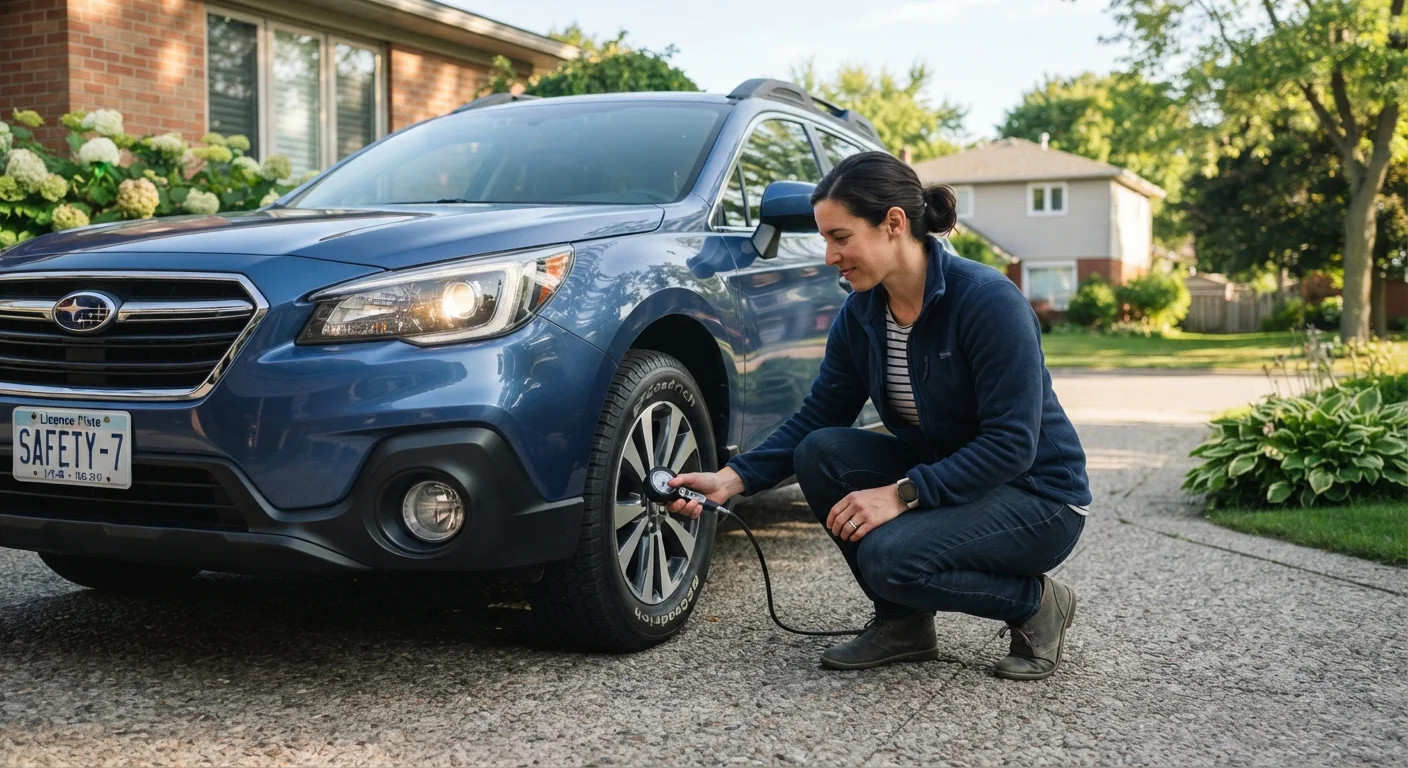
Before you even pull out of the driveway, a solid pre-trip routine sets the stage. The pre-drive safety check is a natural complement to the mindset - you're already thinking ahead.
The Habits That Make the Biggest Difference
Defensive driving isn't a single trick - it's a cluster of habits that compound. Some are about where you look, some are about how you position your vehicle, and others are about managing your own mental state behind the wheel.
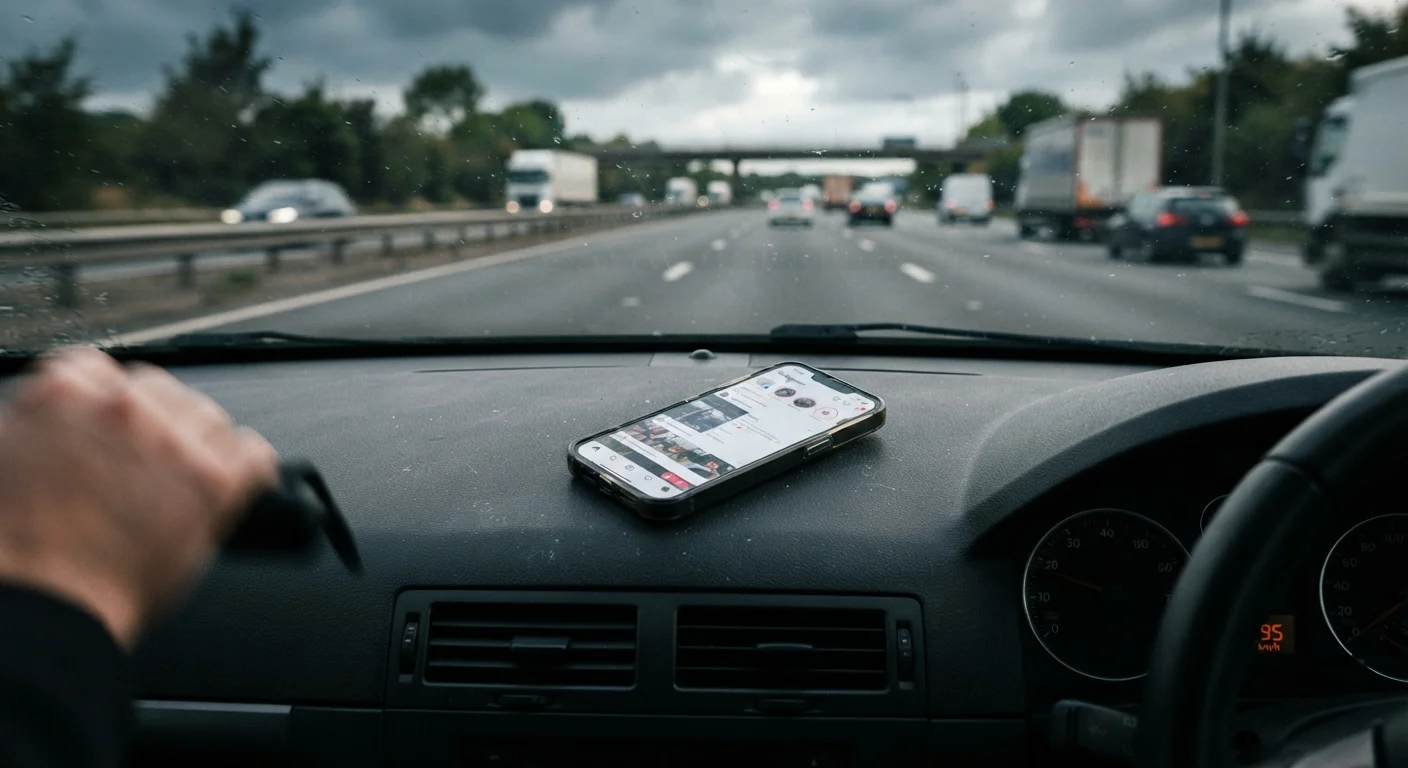
Distraction is one of the biggest threats to any defensive driver. If you've ever rationalized a quick glance at your phone, the distracted driving research is worth confronting directly - the findings are more stark than most people expect.
Conditions also change the calculus significantly. Rain, ice, and fog each demand specific adjustments to speed, following distance, and steering input - topics covered in depth in our guide on driving through adverse weather.
Situational Awareness and Where to Direct Your Attention
Most driving instructors and traffic safety researchers agree that eye habits are foundational. Scanning 10-15 seconds ahead - roughly a city block or a quarter-mile at highway speeds - gives your brain sufficient processing time to recognize and respond to developing hazards before they become emergencies.
Good situational awareness also means checking mirrors every 5-8 seconds, knowing where the vehicles around you are at all times, and maintaining a mental picture of your escape routes. If the car in front brakes hard, where can you go? That question should always have an answer.
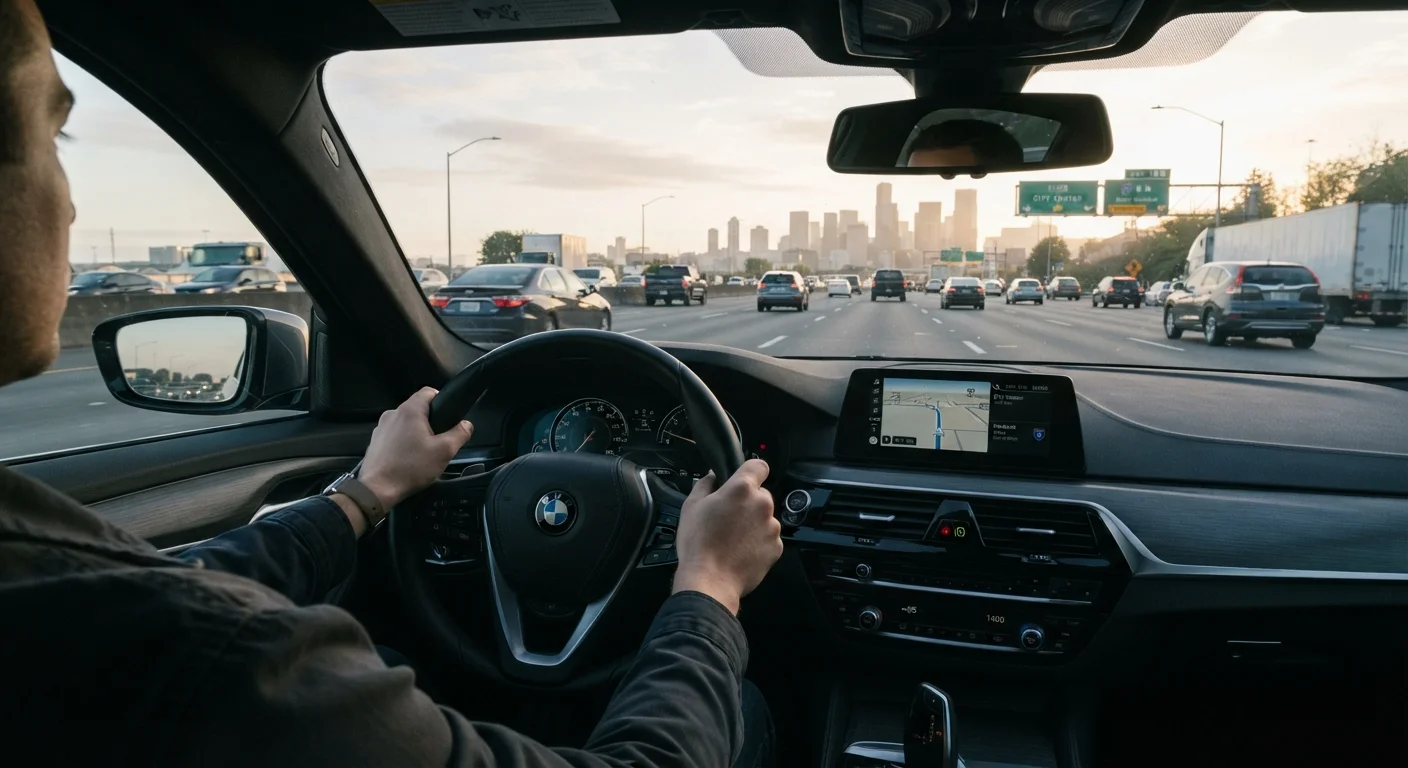
Environment matters too. The risks on a crowded urban street differ substantially from those on an interstate - see our breakdown of highway vs. city driving for a detailed comparison. And if you frequently drive with passengers, it's worth reading how passenger dynamics affect driver attention - research consistently shows passengers influence risk-taking behavior.
How Defensive Driving Pays Off Beyond Safety
The benefits of defensive driving extend well past accident prevention. Smooth, anticipatory driving reduces hard braking and aggressive acceleration - behaviors that wear down brakes, tires, and drivetrain components faster than normal use. Over several years, this translates into measurable savings on maintenance and repair. Our overview of habits that reduce long-term car costs puts these savings in concrete terms.
Many auto insurers also recognize completion of an accredited defensive driving course as grounds for a premium discount - check directly with your insurer for specifics, since programs and eligibility vary by state and policy.
Most importantly, confident drivers are calmer drivers. When you trust your ability to read traffic and respond deliberately, the anxiety that makes driving stressful for many people diminishes. That's a quality-of-life benefit that doesn't show up on any ledger but matters every time you get behind the wheel.