Speed, Distance, and the Mental Load of Each Environment
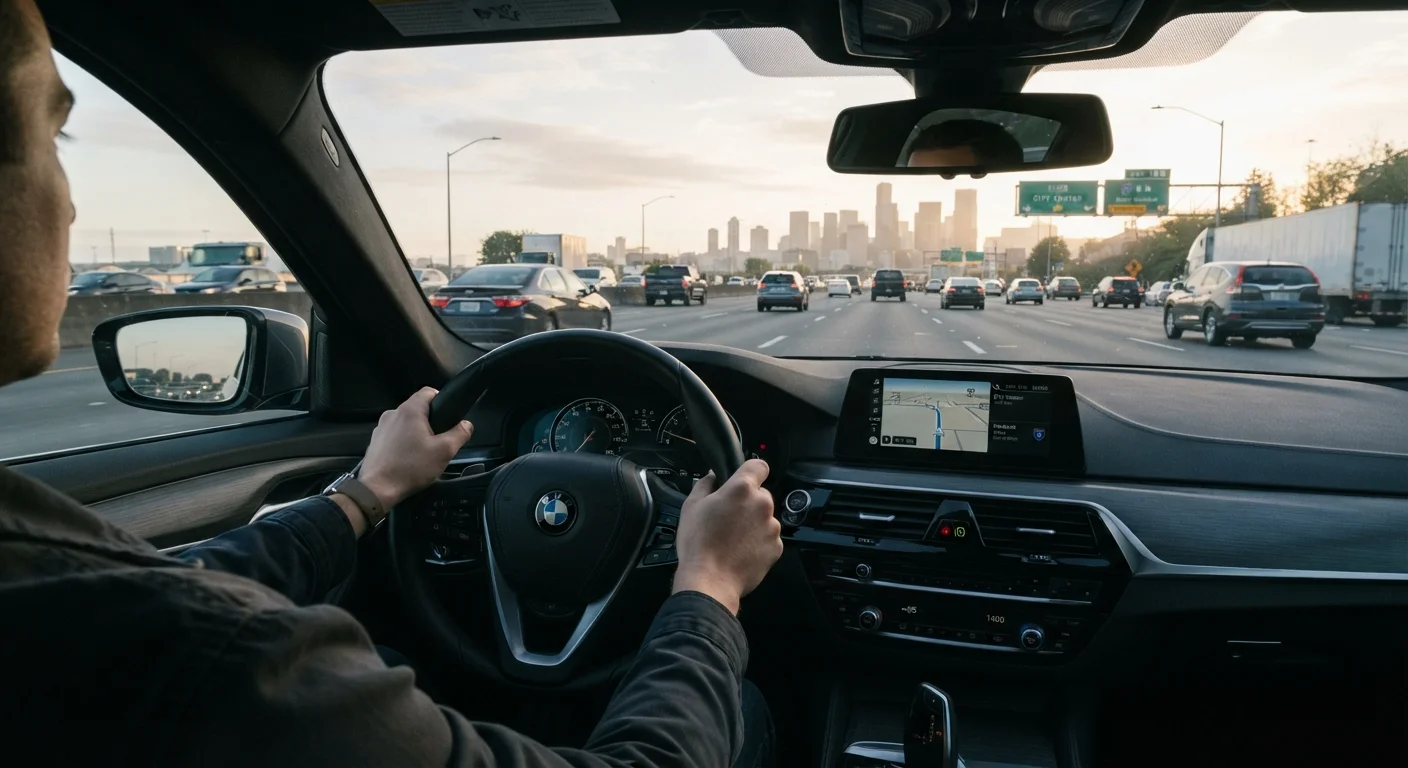
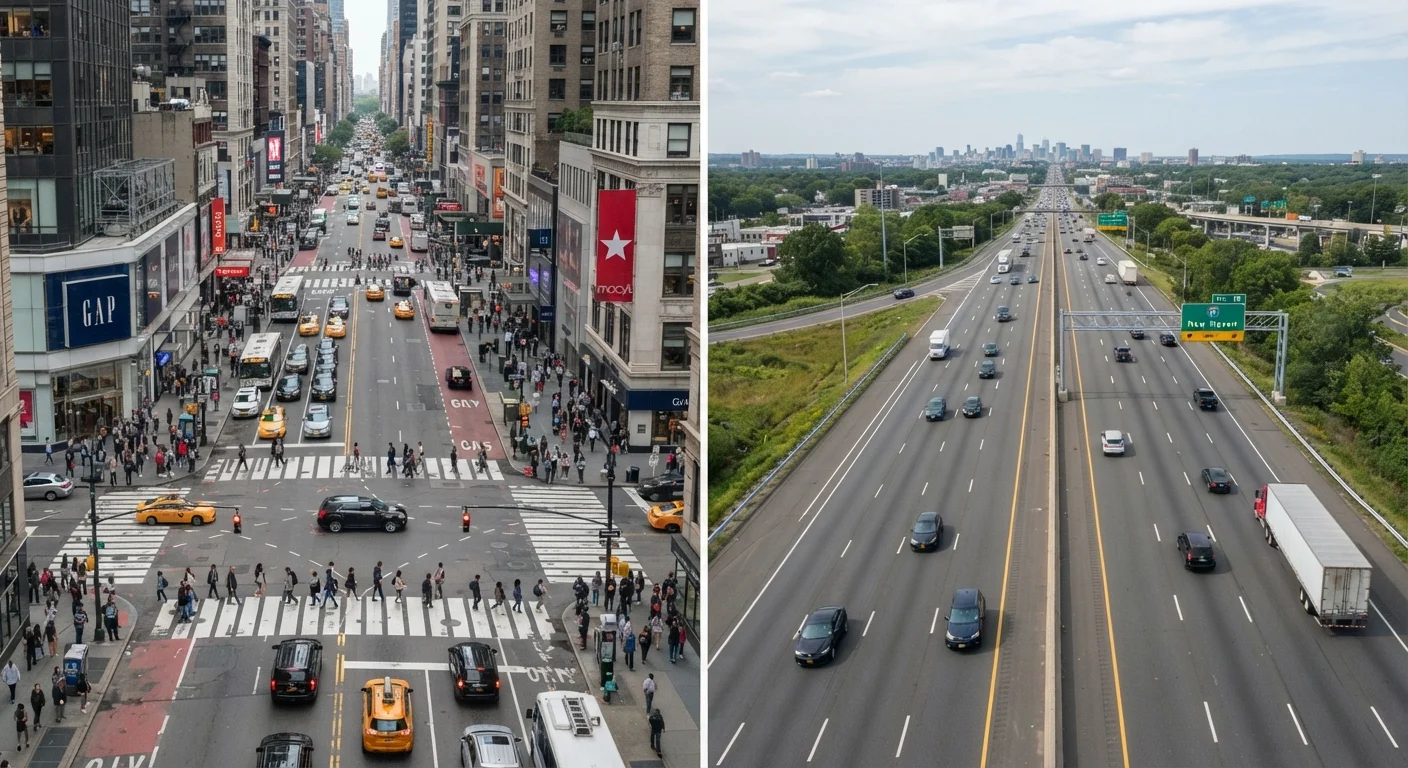
The most fundamental difference between highway and city driving isn't speed - it's the type of attention each demands. On a highway, you're managing a smaller number of variables over longer distances. On city streets, you're processing a dense stream of signals, pedestrians, cyclists, intersections, and parked vehicles in rapid succession.
Highway driving requires you to maintain a consistent speed, hold your lane, and project your attention further ahead - typically 12 to 15 seconds down the road. At 65 mph, your vehicle covers roughly 95 feet per second, which means a two-second following gap leaves less than 200 feet between you and the car ahead. The National Safety Council recommends a minimum three-second following distance under good conditions, and more in rain or low visibility.
City driving flips that calculus. Speeds are lower - typically 25-45 mph - but hazards appear much closer to the vehicle and with far less warning. A pedestrian stepping off a curb, a cyclist filtering between lanes, or a door swinging open from a parked car can require a reaction in under a second. Defensive driving habits - scanning intersections early, covering the brake through blind spots - matter more per mile in the city than anywhere else.
| Criterion | Highway Driving | City Driving |
|---|---|---|
| Typical speed range | 55-80 mph | 15-45 mph |
| Primary hazard type | Speed differentials, rear-end crashes | Intersections, pedestrians, cyclists |
| Fatal crash rate (per VMT) | Lower frequency, higher severity | Higher frequency, lower per-incident severity |
| Key rules to know | Lane discipline, minimum speed, merging | Right-of-way, school zones, crosswalks |
| Recommended following distance | 3-4 seconds minimum | 2-3 seconds; more near cyclists |
| Attention horizon | 12-15 seconds ahead | 4-8 seconds; wide lateral scan |
| Weather impact | Long braking distances, hydroplaning risk | Reduced pedestrian visibility, slick stops |
Rules and Regulations: Where Each Environment Has Its Own Logic
Both environments operate under traffic law, but the specific rules that carry the most weight - and the steepest penalties - differ significantly.
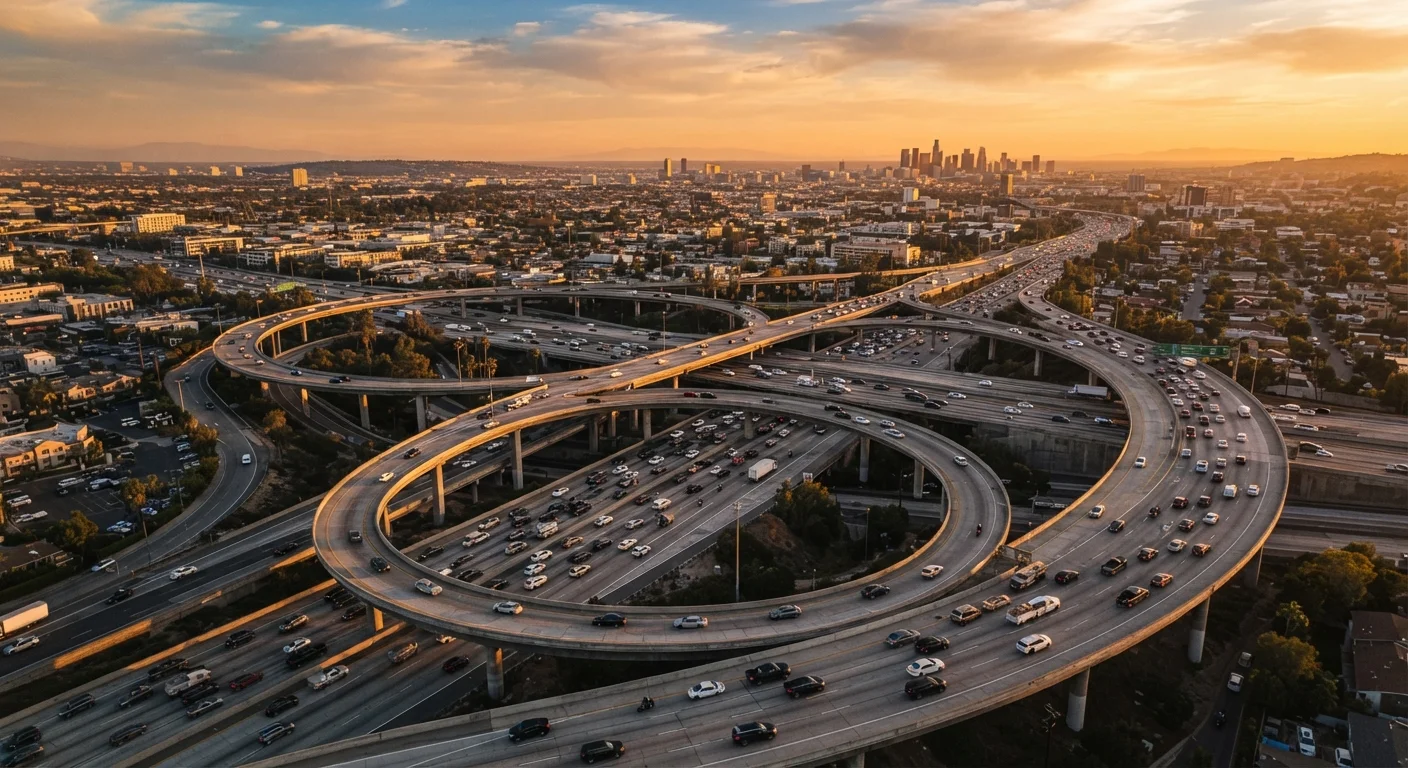
On highways, the critical rules center on lane discipline and minimum speed compliance. Most states prohibit driving in the left lane except to pass, and some actively enforce it with fines. Knowing how to merge correctly is equally important - a missed yield on a freeway on-ramp can create a rear-end collision at speed. See our guide to merging and lane changes for the specifics of what those rules actually require.
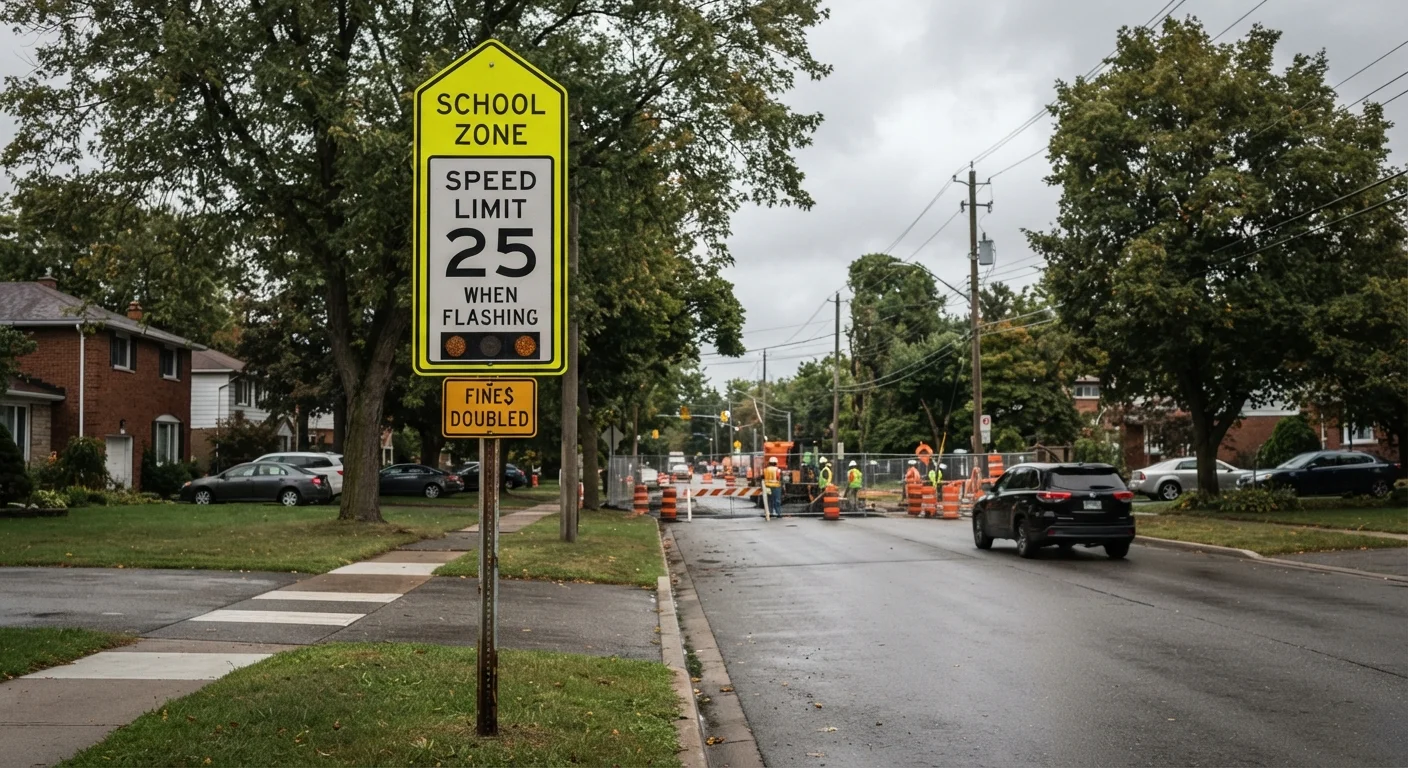
City streets introduce a different rulebook: school zones, crosswalk laws, right-of-way at uncontrolled intersections, and move-over obligations for emergency vehicles. School zones and construction zones carry some of the steepest fines in traffic law - often doubling standard speeding penalties - and are strictly enforced. Understanding right-of-way rules at intersections is foundational to safe city driving.
~40%
Urban road share of all traffic fatalities
NHTSA data consistently shows that a significant share of fatal crashes occur on urban roads, not interstates, driven largely by intersection and pedestrian conflicts.
3 sec
Minimum following distance on highways
The National Safety Council recommends at least a 3-second following distance under normal highway conditions, increasing to 4+ seconds in wet or reduced-visibility conditions.
95 ft/sec
Distance covered at 65 mph
At highway speeds, your vehicle travels nearly 100 feet every second, underscoring why longer following distances and early hazard detection are essential.
Risk Profiles: Where Crashes Actually Happen
Many drivers assume highways are more dangerous because of higher speeds. The data is more nuanced. According to the Insurance Institute for Highway Safety (IIHS), the fatal crash rate per vehicle mile traveled is higher on urban roads than on interstates. Intersections account for a significant share of urban fatalities, as do pedestrian and cyclist conflicts.
Highway fatalities, when they do occur, tend to be more severe - high-speed rear-end collisions, rollover events, and wrong-way crashes carry higher lethality per incident. But the frequency of incidents is lower mile-for-mile than on city streets.
Weather compounds risk differently in each setting. On the highway, rain, fog, or ice affects stopping distances dramatically at speed. Hydroplaning and black ice are more dangerous at highway speeds precisely because braking distances extend dramatically. In the city, wet pavement shortens stopping distances relative to the distance between you and crossing pedestrians - a subtler but equally serious hazard.
Night driving intensifies risk in both environments, but in different ways. After dark, city streets become harder to scan for pedestrians, while highway visibility limitations affect how far ahead you can detect hazards at speed.
Adapting Your Driving Mindset Between Environments
One underappreciated risk is the transition between environments. Drivers who spend most of their time on highways can become over-reliant on wide lanes and predictable traffic flow, then struggle when city driving demands rapid multi-directional scanning. The reverse is also true: habitual city drivers sometimes underestimate following distances on highways, unaware that their city-conditioned reaction windows are insufficient at 70 mph.
A practical mental reset helps. Before entering city traffic after a highway stretch, consciously lower your expected speed, expand your visual scan to include sidewalks and bike lanes, and reduce following distance expectations. Before entering a highway after city driving, give yourself a lane to settle into before adjusting to speed.
This article provides general driver education and is not a substitute for state-specific traffic laws, which vary by jurisdiction. Always consult your state's DMV or a qualified driving instructor for guidance specific to your situation.