Why Freeway Merges and Lane Changes Cause So Many Crashes
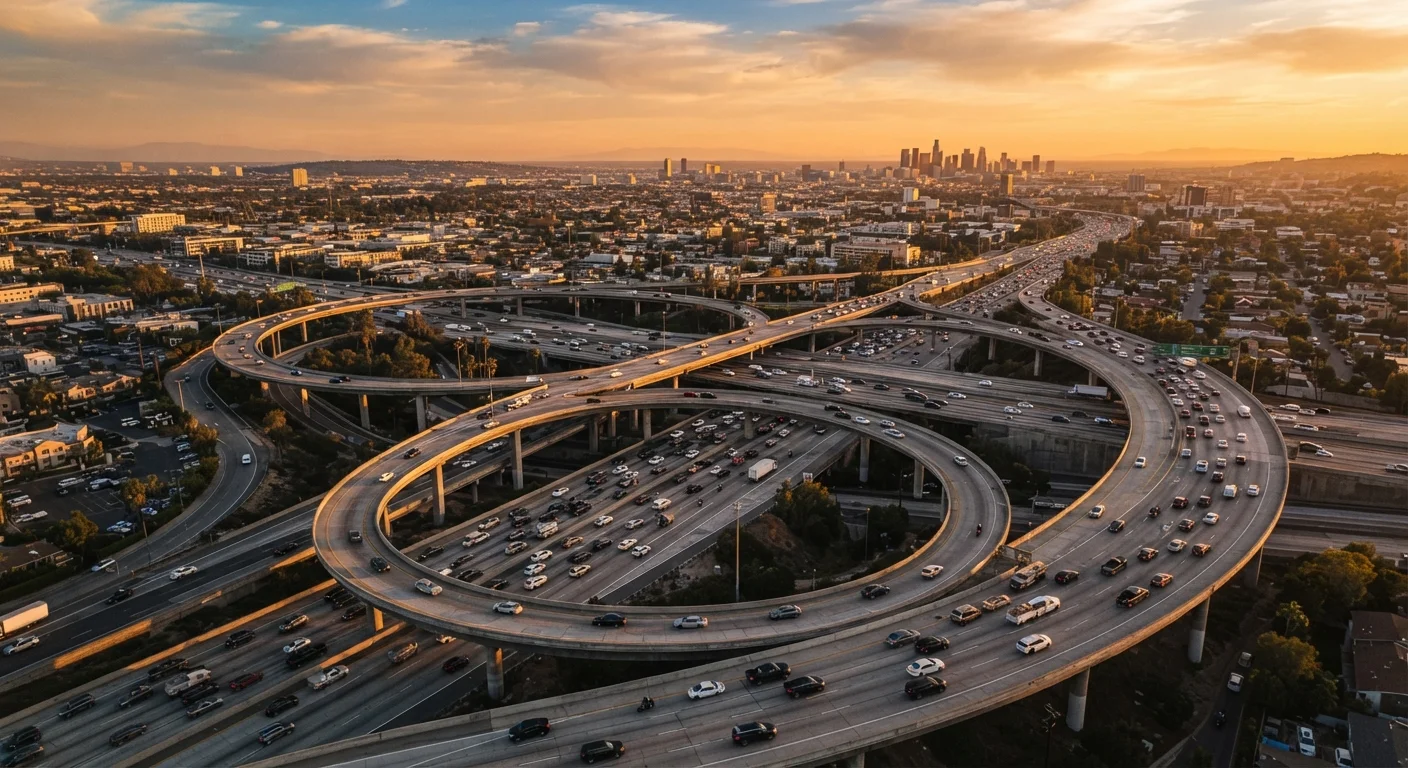
Freeways move fast and forgive little. Yet the moments of highest risk aren't in the middle of a cruise at highway speed - they're at the transitions: entering traffic, changing lanes, and navigating ramp areas where speed differentials collide. According to the Federal Highway Administration, lane-change and merge maneuvers account for a significant share of freeway crashes, many of which are preventable with clearer technique and a better understanding of what the rules actually require.
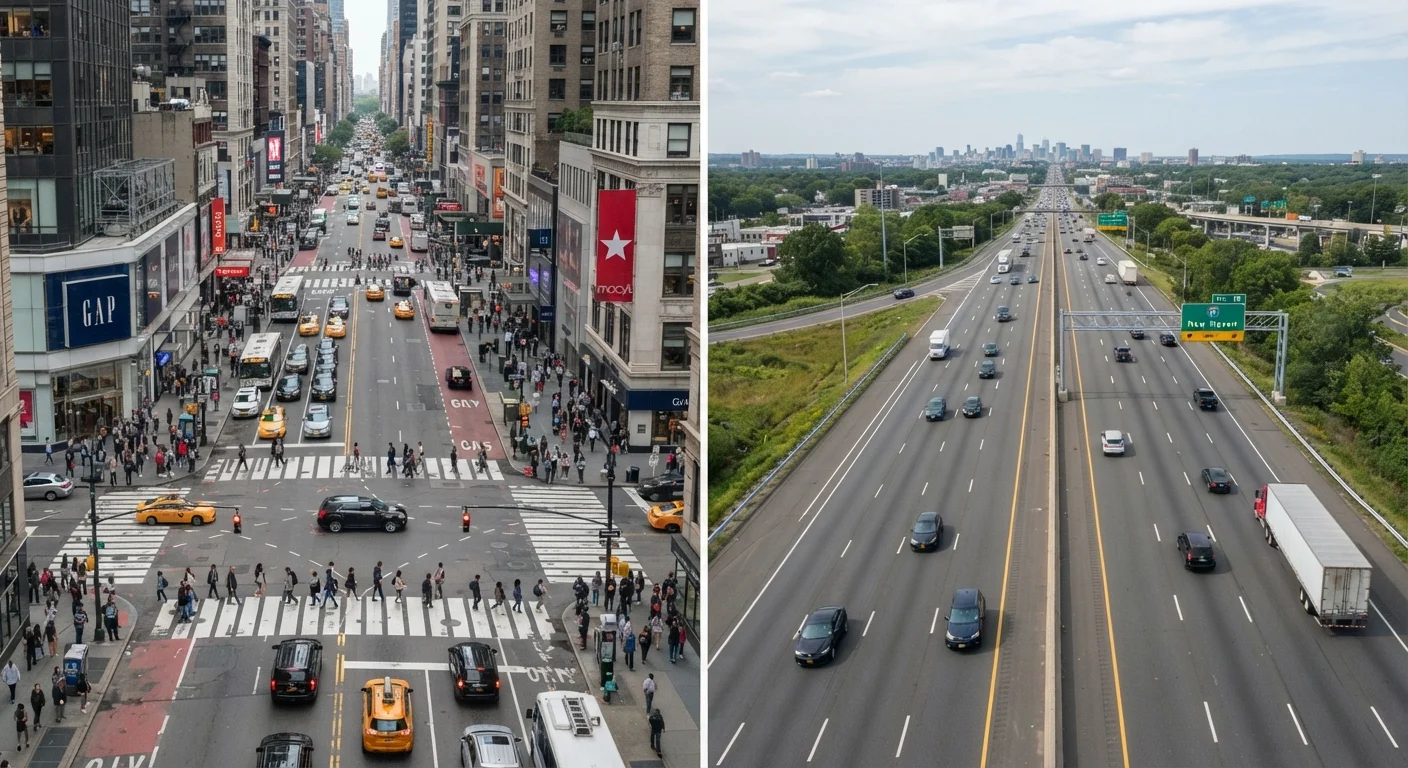
The confusion isn't surprising. Merging and lane-change skills are often undertaught in driver's education, and bad habits from urban driving - hesitation, abrupt moves, incomplete mirror use - become genuinely dangerous at highway speeds. For a broader look at how freeway driving differs in risk profile from city streets, see our comparison of highway and city driving.
Below are the most common mistakes drivers make at these critical points - and the correct approach for each.
Stopping at the end of an on-ramp instead of matching freeway speed.
Why it happens: Drivers who can't find an immediate gap panic and brake, treating the ramp like an intersection. This instinct comes from city driving habits where stopping to wait is normal.
Forcing a merge without matching the speed of traffic already in the lane.
Why it happens: Drivers underestimate how much speed differential matters at highway speeds, or they merge too early before reaching an adequate pace.
Relying solely on mirrors without checking blind spots before a lane change.
Why it happens: Mirrors feel sufficient, and turning your head requires a deliberate habit that doesn't always carry over from driver's ed to real-world driving.
Failing to signal before changing lanes or merging.
Why it happens: Many drivers view the turn signal as a notification after they've already committed to a move, rather than an advance communication to surrounding traffic.
Drifting across multiple lanes in a single move rather than changing one lane at a time.
Why it happens: Drivers rushing to reach an exit or feeling impatient sweep across two or three lanes without individual checks at each step.
Camping in another driver's blind spot while cruising at highway speed.
Why it happens: Drivers maintain a consistent speed without realizing they've settled alongside another vehicle rather than clearly ahead of or behind them.
The Rules That Govern Merging and Lane Changes
There's a persistent misconception that freeway traffic must yield to entering drivers. In every U.S. state, the legal reality is the opposite: the driver entering the highway bears the responsibility to yield to existing traffic. The on-ramp is designed to give you a window to build speed and find a gap - it is not a guaranteed right of entry.
Entering Drivers Must Yield - Not the Other Way Around
A widely held belief is that freeway drivers should make room for merging vehicles as a matter of law. This is incorrect. In all U.S. states, the driver on the on-ramp is legally required to yield to traffic already traveling in the right lane. While courteous drivers often adjust speed or move left to assist, they are not obligated to do so. Counting on that courtesy is not a safe merge strategy.
Lane changes carry their own set of requirements. Signaling is legally required before any lane change, not as a courtesy but as a legal obligation under traffic codes in all 50 states. Beyond signaling, drivers must check their mirrors and perform a physical over-the-shoulder glance into the blind spot - because mirrors, even when properly adjusted, leave a gap roughly equivalent to the width of a vehicle alongside you.
Understanding right-of-way in these situations is foundational. Our guide to right-of-way rules explains how these principles extend across merges, intersections, and crosswalks.
~33%
Freeway crashes linked to lane changes and merges
The Federal Highway Administration has identified lane-change and merge maneuvers as among the most frequent contributing factors in freeway crash reports.
3 sec
Minimum signal time before a lane change
Most state traffic codes require a turn signal to be activated at least 100 feet before a lane change; at highway speeds, that translates to roughly three seconds of advance warning.
One more rule drivers frequently misapply: the left lane on a multi-lane freeway is a passing lane, not a travel lane in most states. Occupying it at a slower speed than surrounding traffic is both a common source of road rage and, in many jurisdictions, a ticketable offense. Move right when you're not actively passing.