The Hidden Cost of Putting Maintenance Off
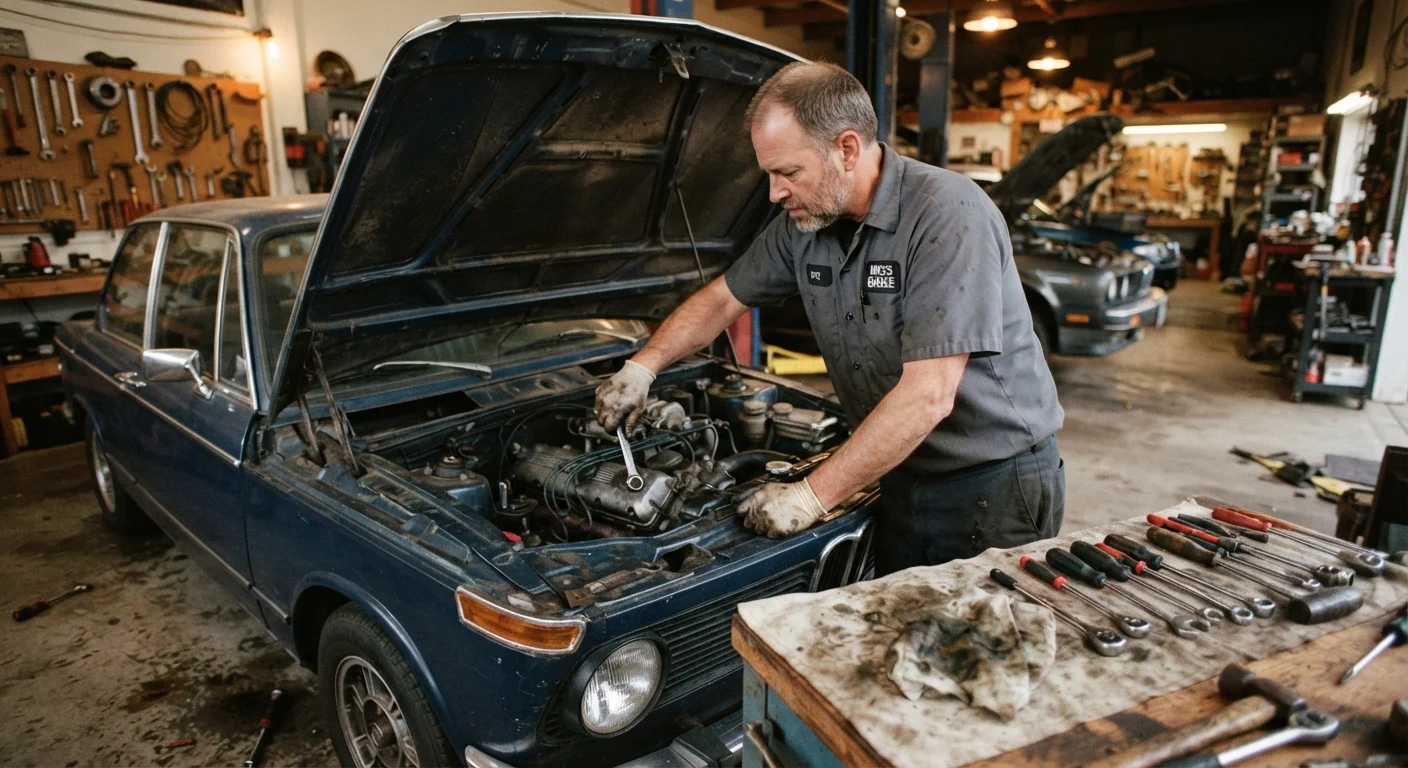
Skipping an oil change or ignoring a slow tire leak feels harmless in the moment - especially when money is tight and the car seems to be running fine. But deferred maintenance rarely stays cheap. Small problems that cost $30 to $100 to fix early can evolve into engine damage, blown tires, or failed brakes that run into the thousands. The financial math behind regular upkeep is straightforward: consistent, low-cost service prevents expensive, unpredictable repairs. The real financial math behind regular upkeep makes this case in detail.
What makes the pattern so persistent is that the consequences aren't immediate. A neglected cabin air filter doesn't cause a breakdown on the way home - it gradually strains your HVAC system over months. That slow feedback loop lets drivers rationalize delay after delay until the damage is done.
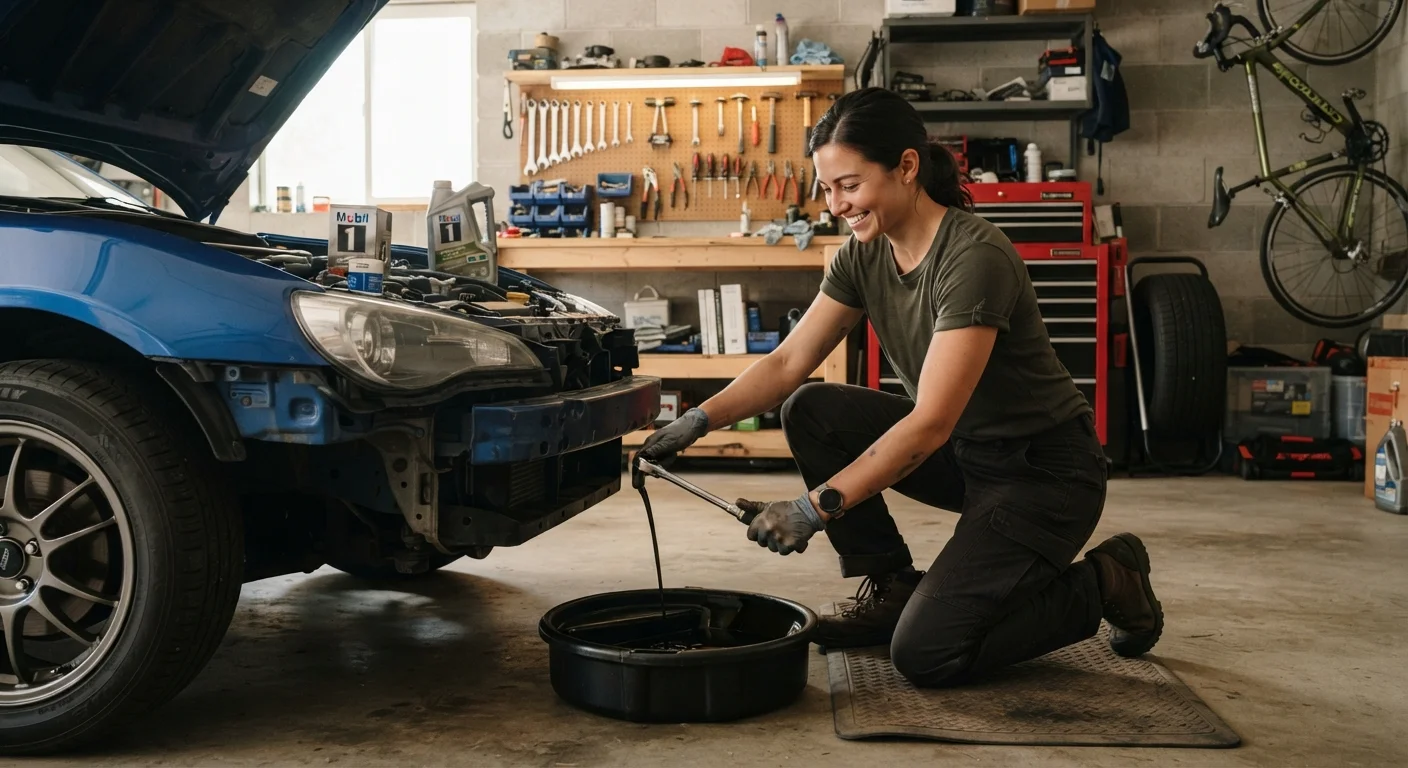
Skipping oil changes beyond the manufacturer's recommended interval.
Why it happens: Drivers often rely on outdated rules of thumb or assume synthetic oil extends intervals indefinitely without checking their specific vehicle's manual.
Ignoring low tire pressure until a flat or blowout occurs.
Why it happens: Modern cars with tire pressure monitoring systems only alert drivers when pressure drops significantly - minor under-inflation goes unnoticed and quietly accelerates tread wear.
Delaying brake pad replacement until grinding or vibration starts.
Why it happens: Brake wear is gradual and easy to dismiss, especially when the car still stops adequately. Many drivers wait for an obvious symptom rather than proactive inspection.
Neglecting coolant flushes and fluid top-offs over time.
Why it happens: Coolant and other fluids don't have obvious warning signs until a system fails, so they're easy to overlook compared to oil changes, which are more widely discussed.
Putting off replacing worn wiper blades until visibility becomes dangerous.
Why it happens: Wiper degradation is slow, so drivers adapt to increasingly streaky wipe patterns without recognizing how compromised their vision has become in rain.
How to Break the Cycle Before It Gets Expensive
The most effective habit is treating your vehicle's owner's manual as a maintenance calendar, not a reference document you consult only when something goes wrong. Manufacturer service intervals exist because engineers have tested exactly how long components last under normal driving conditions. Following those intervals is the lowest-risk strategy available to any driver.
Don't Rely Solely on Dashboard Warning Lights
Warning lights are a last resort, not an early warning system. Many components degrade well below failure thresholds before any light appears. By the time a check-engine or oil-pressure warning illuminates, some damage may already be underway. Scheduled inspections catch problems that sensors miss.
For tasks you're comfortable handling yourself - topping off fluids, checking tire pressure, replacing wiper blades - deciding which jobs belong in which category can save real money without cutting corners on safety. For anything involving brakes, suspension, or electrical systems, a qualified mechanic should be your first call, not a last resort.
It's also worth thinking about maintenance costs as a line item in your household budget rather than an unpredictable emergency. Drivers who set aside a consistent monthly amount for upkeep - even modestly - absorb routine service costs without financial shock. If surprise car expenses routinely derail your finances, the overlooked budget drains piece offers useful context on how small recurring costs add up across your whole household. Building a dedicated savings buffer, covered in more depth at Saving & Goals, makes it far easier to act on maintenance needs when they arise rather than postponing them.
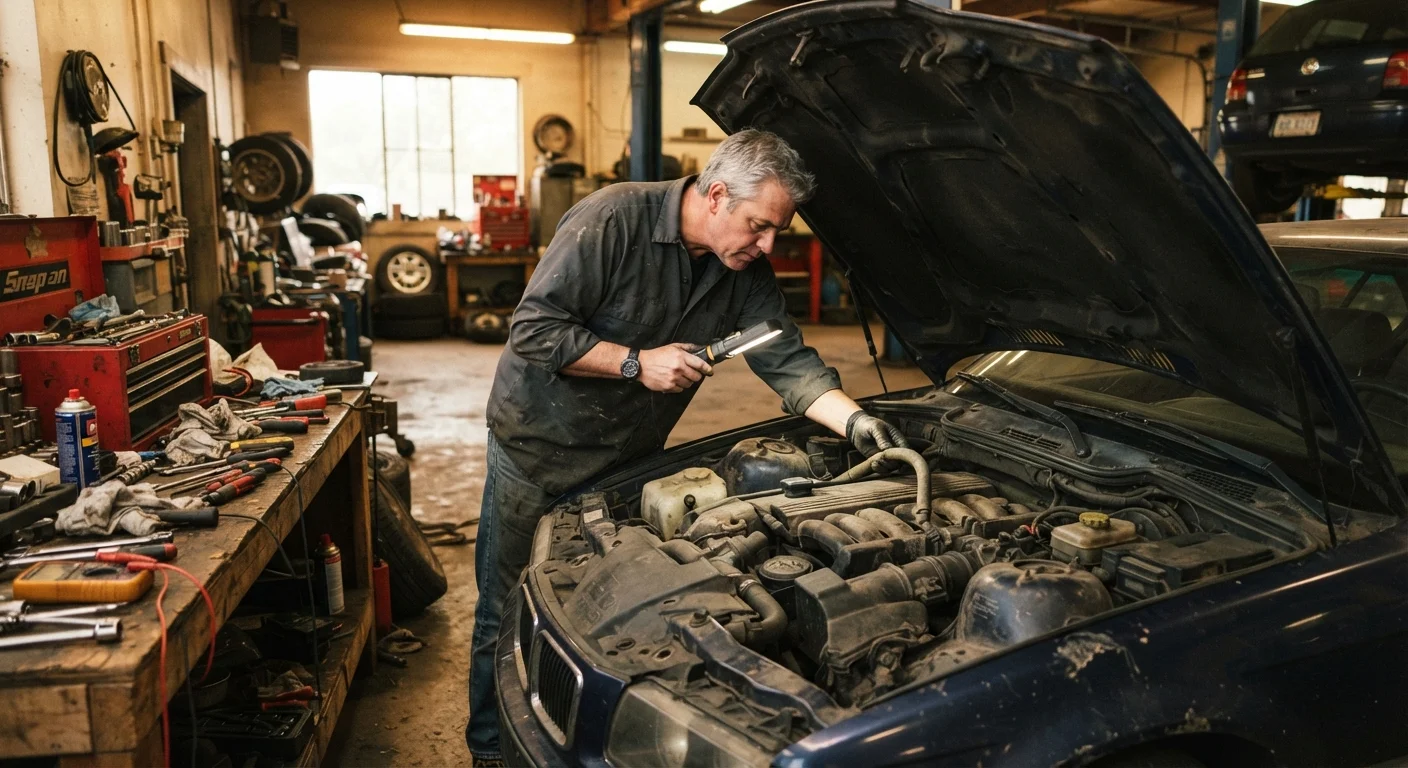
Catching problems early keeps your options open. A mechanic finding a worn serpentine belt during a routine inspection gives you time to schedule the repair. Ignoring a squealing noise until the belt snaps leaves you stranded and paying for a tow on top of the repair. The habits that keep long-term car costs under control are less about discipline and more about building systems that make doing the right thing easy.