Why Part Lifespans Matter
Every component in your car has a finite service life - and ignoring those limits doesn't just risk a breakdown. It can turn a $40 filter replacement into a $1,200 engine repair. Understanding what wears out when is one of the most practical things a driver can do.
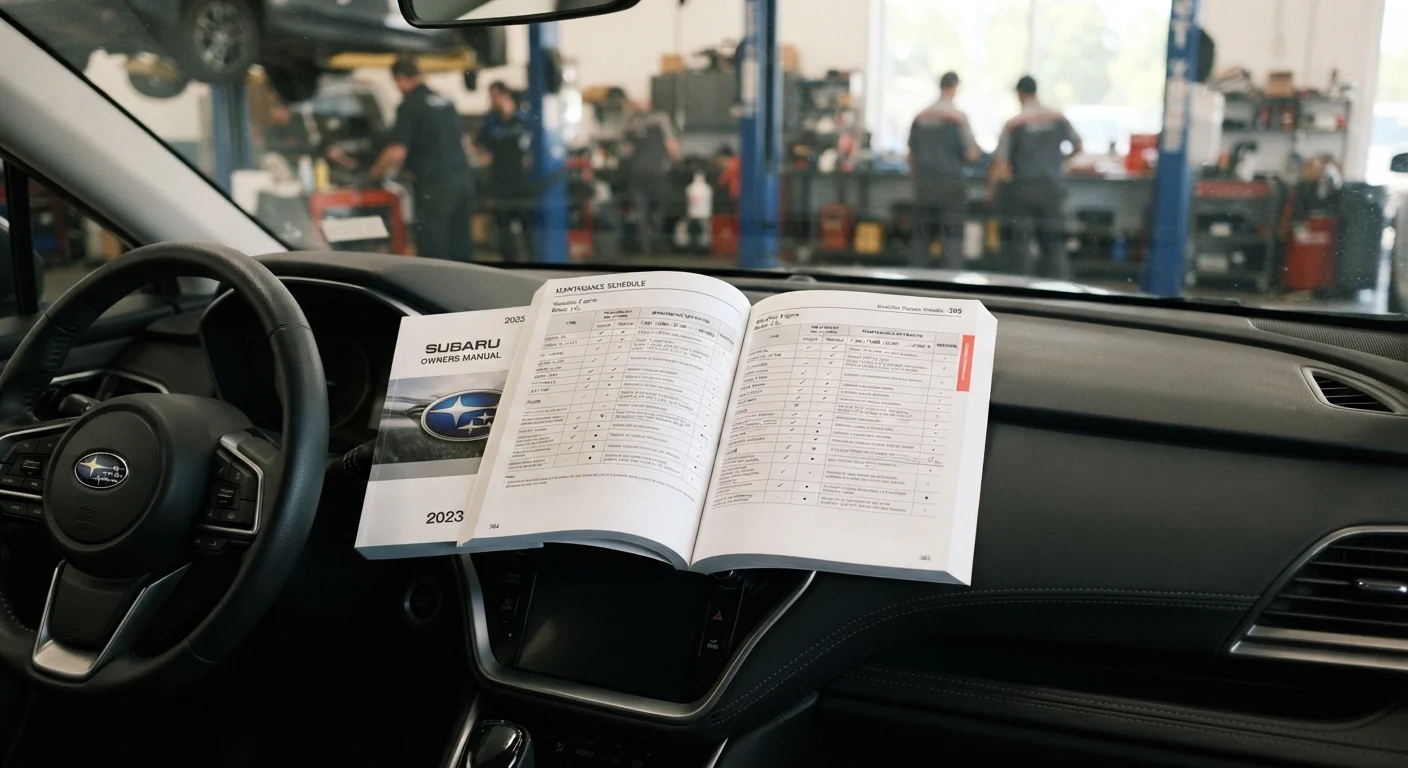
Most automakers publish detailed maintenance intervals in the owner's manual, but those numbers can feel abstract. This reference translates them into actionable expectations. Keep in mind that driving habits, climate, and vehicle make all affect real-world wear. For a deeper look at how your behavior at the wheel extends or shortens part life, see habits that add years to a car's life.
| Oil Change (Synthetic) | 7,500-10,000 miles (General industry guidance; verify with your owner's manual) |
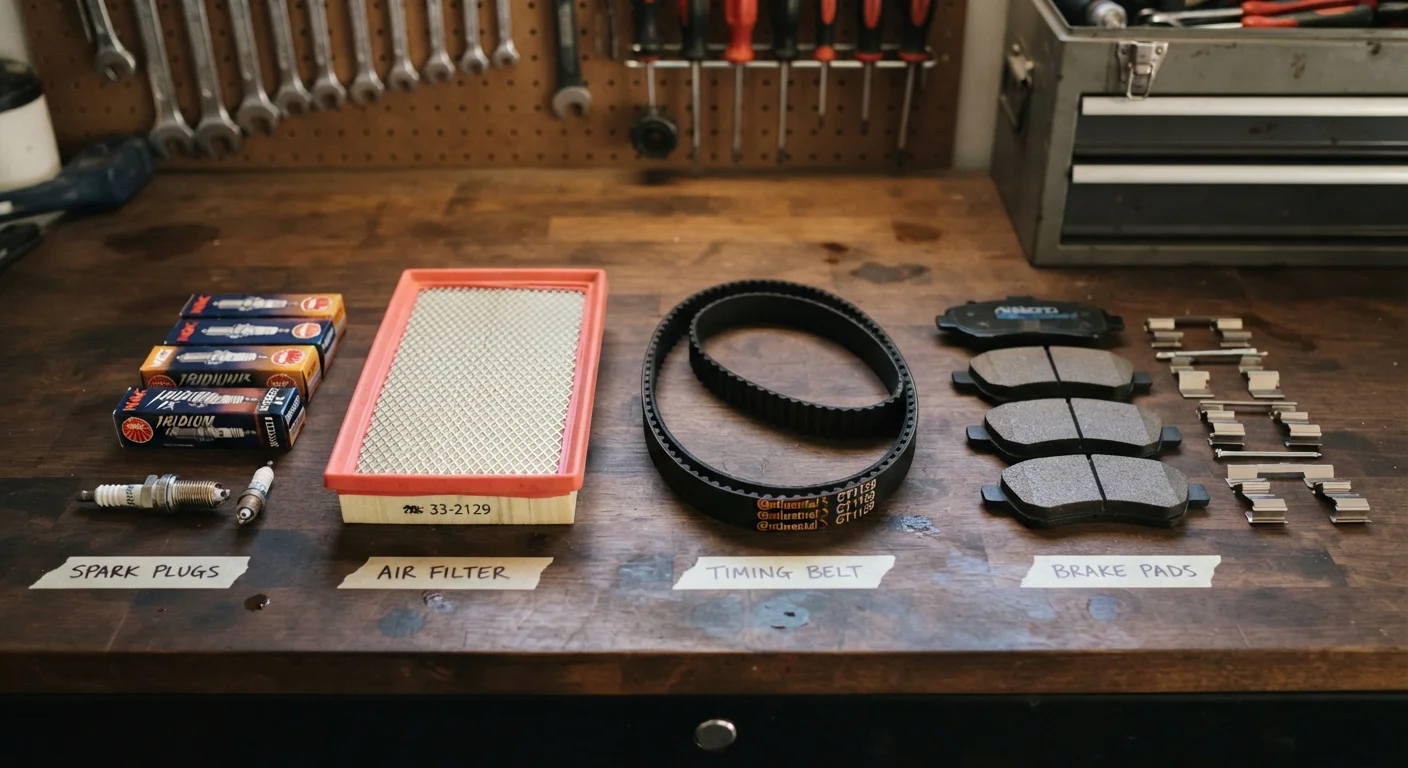
| Spark Plugs (Standard) | 30,000-40,000 miles (Manufacturer general range) |
| Timing Belt Replacement | 60,000-100,000 miles (Varies significantly by manufacturer) |
| Brake Pads | 30,000-70,000 miles (Depends on driving style and conditions) |
| Car Battery Lifespan | 3-5 years (Average; extreme climates shorten lifespan) |
| Tire Age Limit | 6-10 years (regardless of tread) (Common industry and manufacturer recommendation) |
Part-by-Part Lifespan Reference
Use the ranges below as planning benchmarks, not hard deadlines. Always cross-reference with your owner's manual and have a qualified mechanic inspect parts if you notice any performance change.
Engine Oil
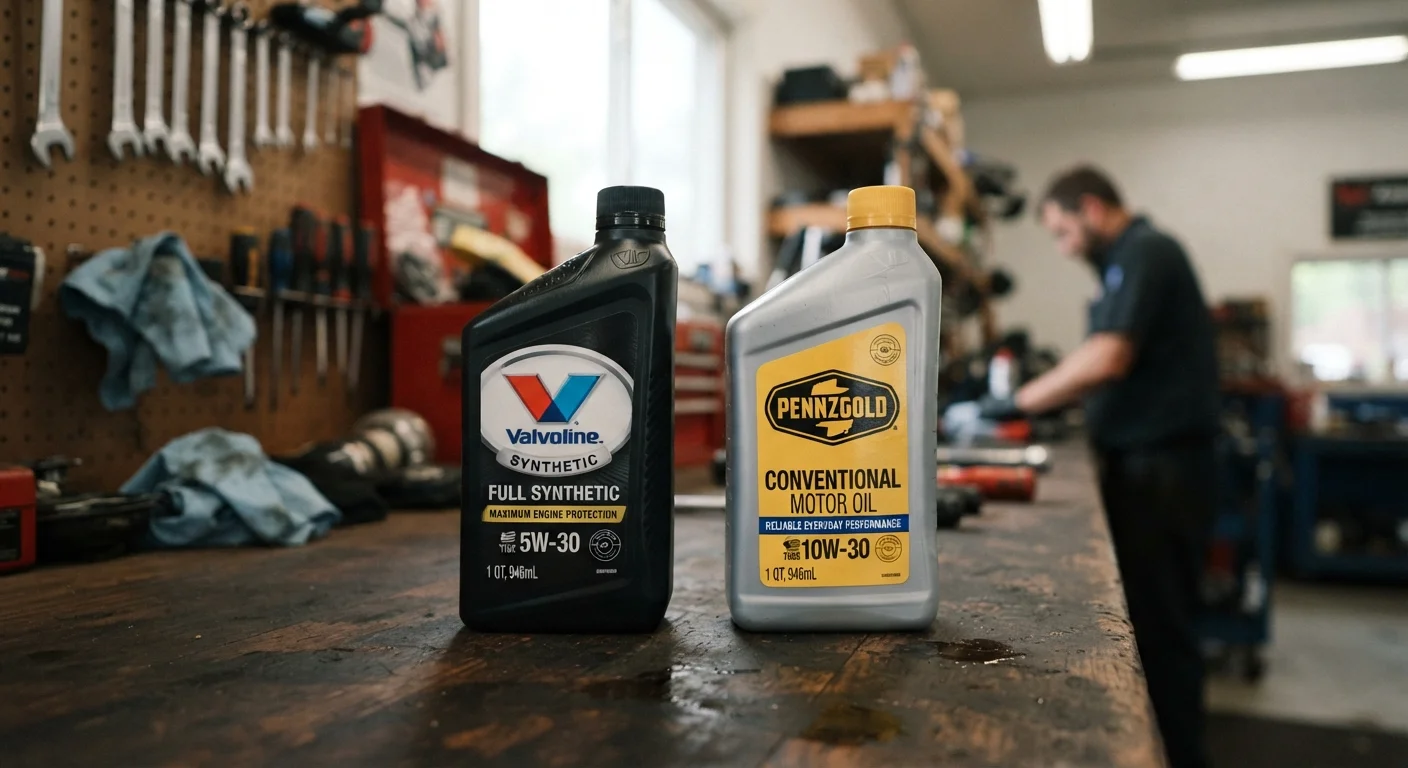
Conventional oil: typically every 3,000-5,000 miles. Full synthetic: generally 7,500-10,000 miles or more, depending on the vehicle. See how oil type affects your change interval for specifics on synthetic vs. conventional choices.
Air Filter (Engine)
Most manufacturers recommend replacement every 15,000-30,000 miles. Dusty or rural driving environments push that closer to 15,000. A clogged air filter reduces fuel efficiency and strains the engine.
Spark Plugs
Standard copper plugs: 30,000-40,000 miles. Iridium or platinum plugs: 60,000-100,000+ miles. Worn plugs cause misfires, rough idling, and reduced fuel economy.
Timing Belt
Typically 60,000-100,000 miles depending on the manufacturer. This is one of the most critical replacement intervals - a snapped timing belt can cause catastrophic engine damage. Some vehicles use a timing chain instead, which generally lasts the life of the engine with proper oil maintenance.
Serpentine Belt
Generally 60,000-100,000 miles. It drives multiple accessories including the alternator and power steering pump. Cracking or fraying is a visible warning sign.
Brake Pads
Typically 30,000-70,000 miles, with heavy city driving wearing pads faster. Rotors usually last 50,000-70,000 miles. Squealing or grinding sounds are signals to have brakes inspected promptly - do not delay this one.
Cabin Air Filter
Every 15,000-25,000 miles. It filters air into the passenger compartment. Easy to overlook, but a dirty one strains the HVAC blower motor.
Battery
Most batteries last 3-5 years. Extreme heat accelerates degradation. Cold weather reduces cranking power. If your battery is over three years old, having it tested annually is a reasonable habit.
Tires
Tread life varies widely - typically 40,000-80,000 miles depending on the tire type and driving style. Regardless of tread depth, most manufacturers recommend replacing tires at 6-10 years due to rubber degradation. The penny or quarter tread test is a quick field check.
Coolant (Antifreeze)
Usually flushed every 30,000-50,000 miles or every 2-5 years. Degraded coolant loses its ability to prevent corrosion inside the cooling system.
Timing Belt
A reinforced rubber belt that synchronizes the rotation of the crankshaft and camshaft, ensuring valves open and close at the correct time. Failure can cause severe engine damage.
Serpentine Belt
A single, continuous belt that drives multiple engine accessories - alternator, power steering pump, air conditioning compressor, and water pump. Also called a drive belt.
Coolant Flush
A service procedure that drains old antifreeze from the cooling system, cleans any buildup, and refills with fresh coolant to prevent corrosion and maintain proper engine temperature.
Cabin Air Filter
A filter that cleans the air entering the passenger compartment through the HVAC system. It traps dust, pollen, and debris, and is separate from the engine air filter.
Iridium/Platinum Spark Plugs
Premium spark plug types made from harder metals that resist wear longer than standard copper plugs, typically lasting two to three times as many miles.
Putting It All Together
No single part fails in isolation - your car is a system. Letting one item go past its service life often places additional stress on connected components. For example, a failing water pump frequently damages the timing belt, and a neglected serpentine belt can leave you stranded with a dead battery and no power steering simultaneously.
Understanding your maintenance schedule makes it much easier to track these intervals together rather than chasing individual parts reactively. And if you're ever tempted to push something off a little longer, skipping routine maintenance always costs more in the end - the math rarely works in your favor. Use this reference as a planning tool, pair it with your owner's manual, and consult a qualified mechanic whenever you're uncertain.