What Makes These Two Oils Different
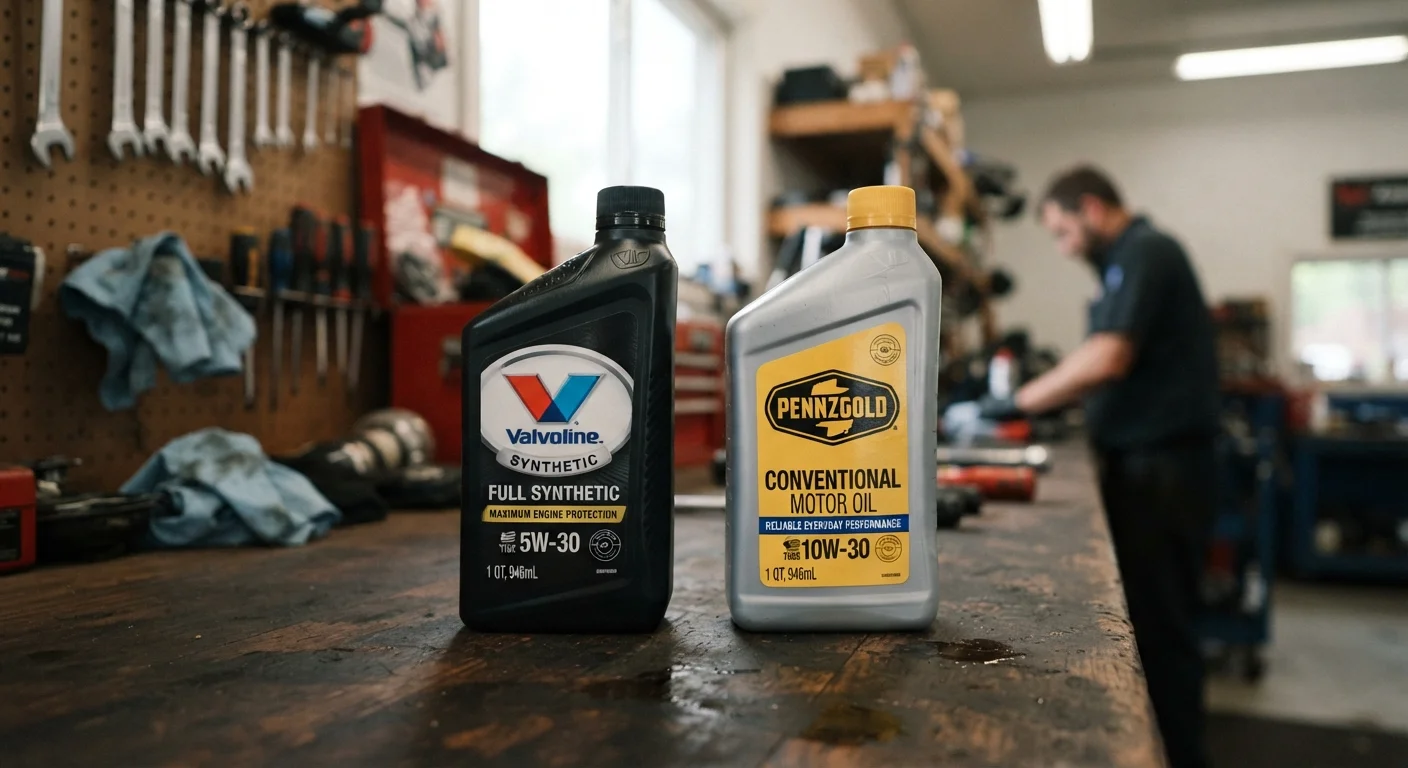
Motor oil does one essential job: it lubricates your engine's moving parts, reduces friction, and carries away heat and contaminants. Both synthetic and conventional oil accomplish this, but they start from fundamentally different places.
Conventional motor oil is refined directly from crude petroleum. Refining removes many impurities, but the base molecules remain irregular in size and shape, which limits how long the oil holds up under heat and mechanical stress.
Synthetic motor oil is either fully synthesized from chemical compounds or highly refined from a petroleum base (full synthetic vs. synthetic blend). Either way, the molecules are more uniform, which translates to greater thermal stability, better cold-weather flow, and slower breakdown over time.
That molecular difference is the root cause of the biggest practical gap between them: how far you can drive before the oil needs replacing. For a fuller picture of how oil changes fit into your overall vehicle care, see Your Car's Maintenance Schedule, Explained.
| Criterion | Synthetic Motor Oil | Conventional Motor Oil |
|---|---|---|
| Typical change interval | 7,500-15,000 miles | 3,000-5,000 miles |
| Base material | Engineered or highly refined compounds | Refined crude petroleum |
| Cold-weather performance | Flows better at low temps | Thickens more in cold |
| Heat stability | Resists breakdown at high temps | Degrades faster under heat |
| Per-quart cost (general) | Higher | Lower |
| Cost per mile (approximate) | Comparable or lower long-term | Lower upfront, more frequent |
| Compatibility with older engines | Verify with manufacturer first | Generally compatible |
| Oil life monitoring support | Works well with OLMS systems | Use fixed mileage intervals |
Oil Change Intervals: The Numbers That Actually Matter
The old "change your oil every 3,000 miles" rule was tailored to conventional oil in an era of older engine technology. Modern engines and modern lubricants have made that figure obsolete for many drivers.
- Conventional oil: Most manufacturers and oil engineers suggest 3,000-5,000 miles, or roughly every 3-6 months depending on use. Consult your owner's manual for your specific vehicle.
- Synthetic oil: Typical manufacturer recommendations range from 7,500 to 15,000 miles per interval. Some full-synthetic formulations carry even longer ratings - but only when the manufacturer explicitly approves that interval for your engine.
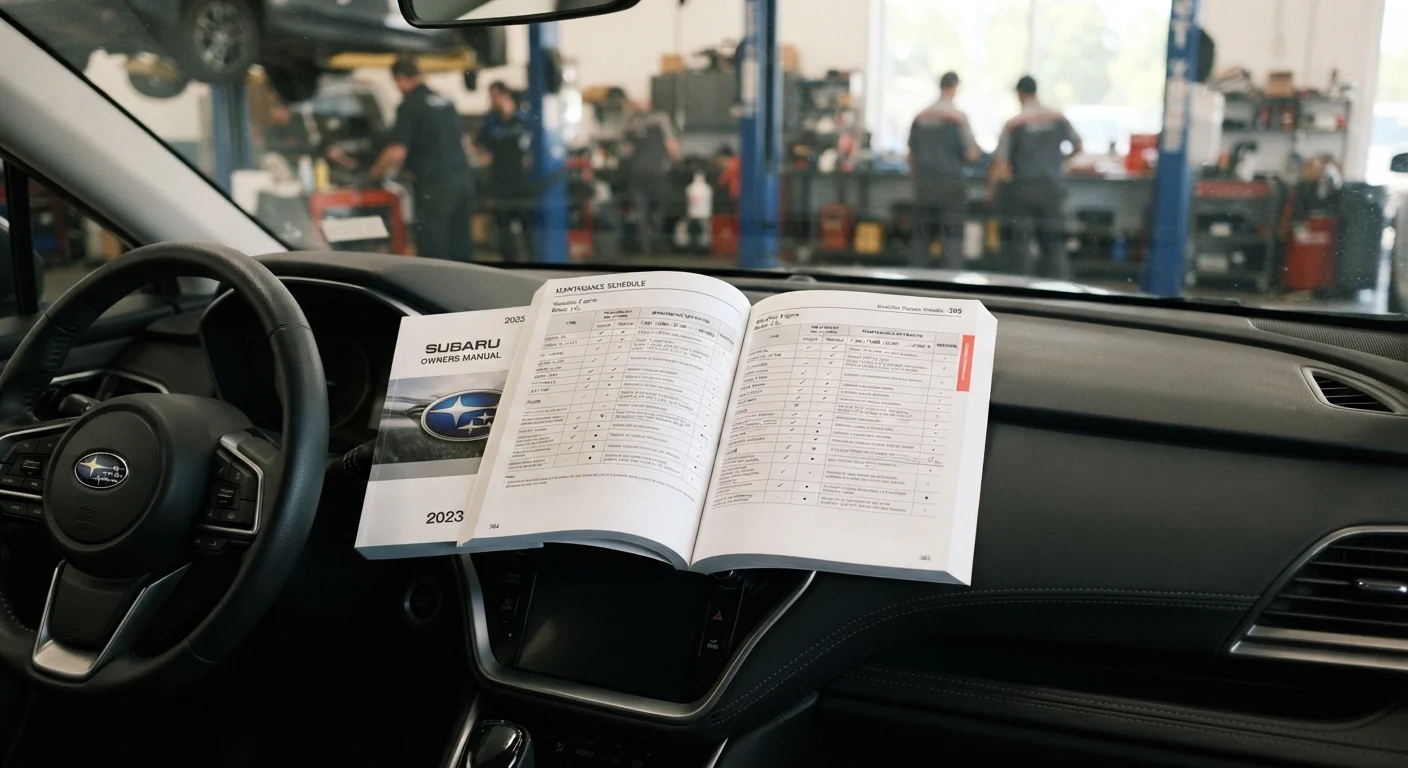
These are general ranges. Your owner's manual supersedes all of them. Manufacturers set intervals based on your specific engine's design, oil pump pressure, and heat tolerances - not on generalizations.
3,000
Miles - outdated conventional oil rule
The American Automobile Association (AAA) has noted the 3,000-mile interval is outdated for most modern vehicles using current oil formulations.
Up to 15,000
Miles - synthetic interval in ideal conditions
Some full-synthetic oils carry manufacturer-approved intervals reaching 15,000 miles, depending on engine design and driving conditions.
~47%
Of U.S. vehicles use synthetic or synthetic-blend oil
Industry data from NPRA and subsequent market research indicates synthetic and synthetic-blend oils now account for a significant share of U.S. motor oil sales.
One important caveat: many newer vehicles include an oil life monitoring system (OLMS) that calculates remaining oil life based on actual driving data - temperature, RPM, load - rather than a fixed mileage counter. If your car has one, use it. If it doesn't, mileage-based intervals from your manual are your guide.
Skipping or stretching intervals too far carries real consequences. As oil degrades, it loses viscosity and accumulates sludge, which can cause accelerated engine wear. Why Skipping Routine Maintenance Always Costs More in the End walks through the real financial math behind deferred upkeep.
Severe Driving Conditions Change the Equation
Even the best synthetic oil degrades faster under what engineers call "severe" driving conditions. If your driving profile includes any of the following, plan shorter intervals than the standard recommendation:
- Frequent short trips under 5 miles (the engine never fully warms up, leaving moisture and fuel dilution in the oil)
- Towing or hauling heavy loads regularly
- Sustained stop-and-go traffic
- Extreme heat or extreme cold climates
- Extended idling (rideshare or delivery driving)
Under severe conditions, a vehicle using synthetic oil might need a change at 5,000-7,500 miles rather than 10,000+. Conventional oil under those same conditions may need attention even sooner than its standard interval. Check the "severe service" schedule in your owner's manual - most manuals list both normal and severe intervals side by side.
Understanding what wears out and when is key to avoiding expensive surprises; The Real Lifespan of Common Car Parts is a useful reference for planning beyond just oil changes.
This article is for general informational purposes only. Always consult your vehicle's owner's manual and a qualified mechanic for maintenance decisions specific to your car.