What the Maintenance Schedule Is Actually Telling You
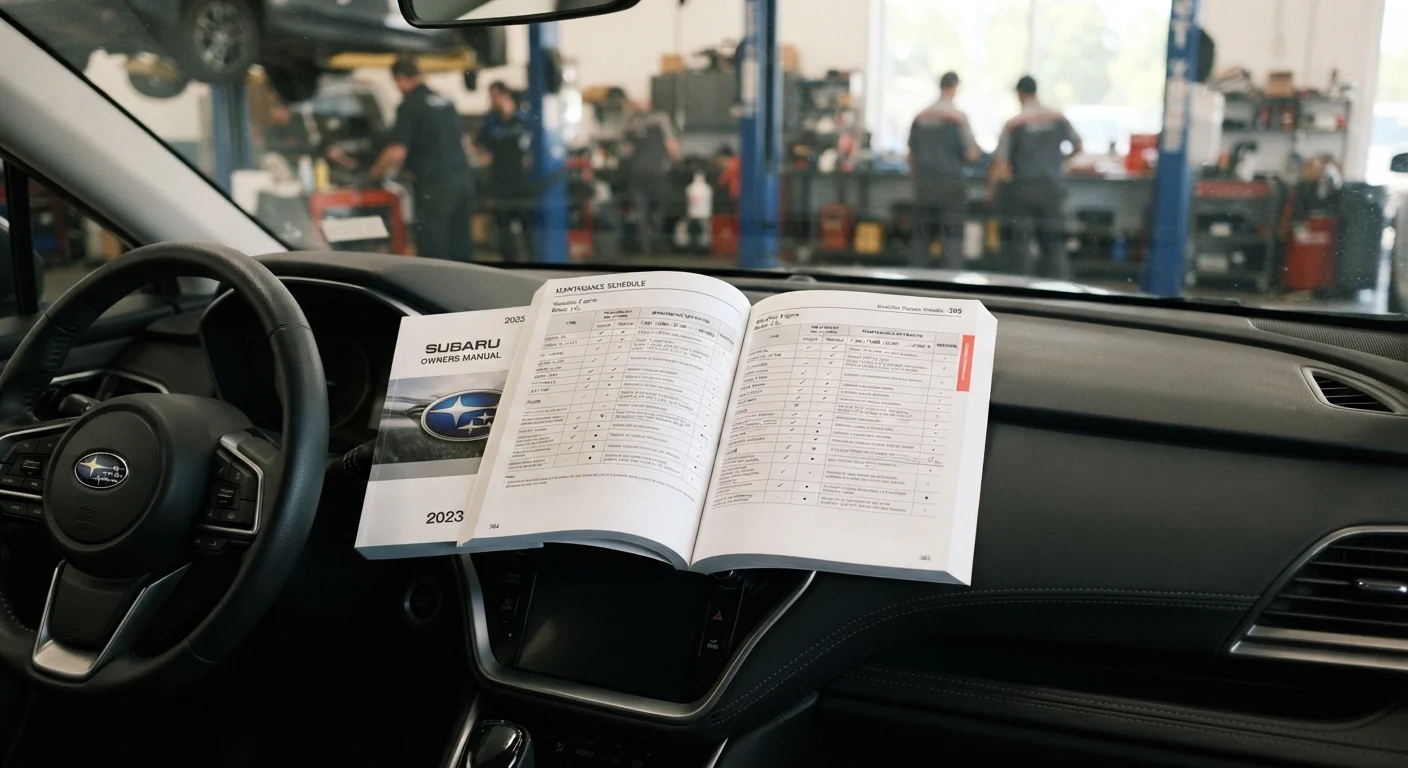
Most drivers treat the owner's manual like a warranty card - they keep it, but rarely open it. That's a costly habit. The maintenance schedule tucked inside that manual is the most specific, reliable guide to keeping your car running well. It was written by the engineers who designed your engine, transmission, and every system connected to them.
Maintenance intervals appear in two forms: mileage-based (e.g., every 7,500 miles) and time-based (e.g., every 12 months). The rule is simple - whichever threshold you hit first is when service is due. A car driven only 3,000 miles a year still needs its oil changed annually, because oil breaks down chemically even when the vehicle sits.
Manufacturers also distinguish between normal and severe driving conditions. Severe doesn't mean highway racing - it means repeated short trips, frequent idling, dusty roads, towing, or extreme temperatures. If your daily commute involves lots of stop-and-go traffic, you likely fall into the severe category and should follow the more frequent service intervals listed for it. Seasonal driving conditions can push a vehicle into severe status even if the rest of the year is routine.
The Core Services and Why They Matter
A maintenance schedule covers dozens of items, but a handful of services account for the bulk of preventive value:
- Engine oil and filter: The most frequent and most important service. Oil lubricates moving parts, absorbs heat, and carries away contaminants. Modern synthetic oils extend intervals significantly - check your manual for the exact recommendation.
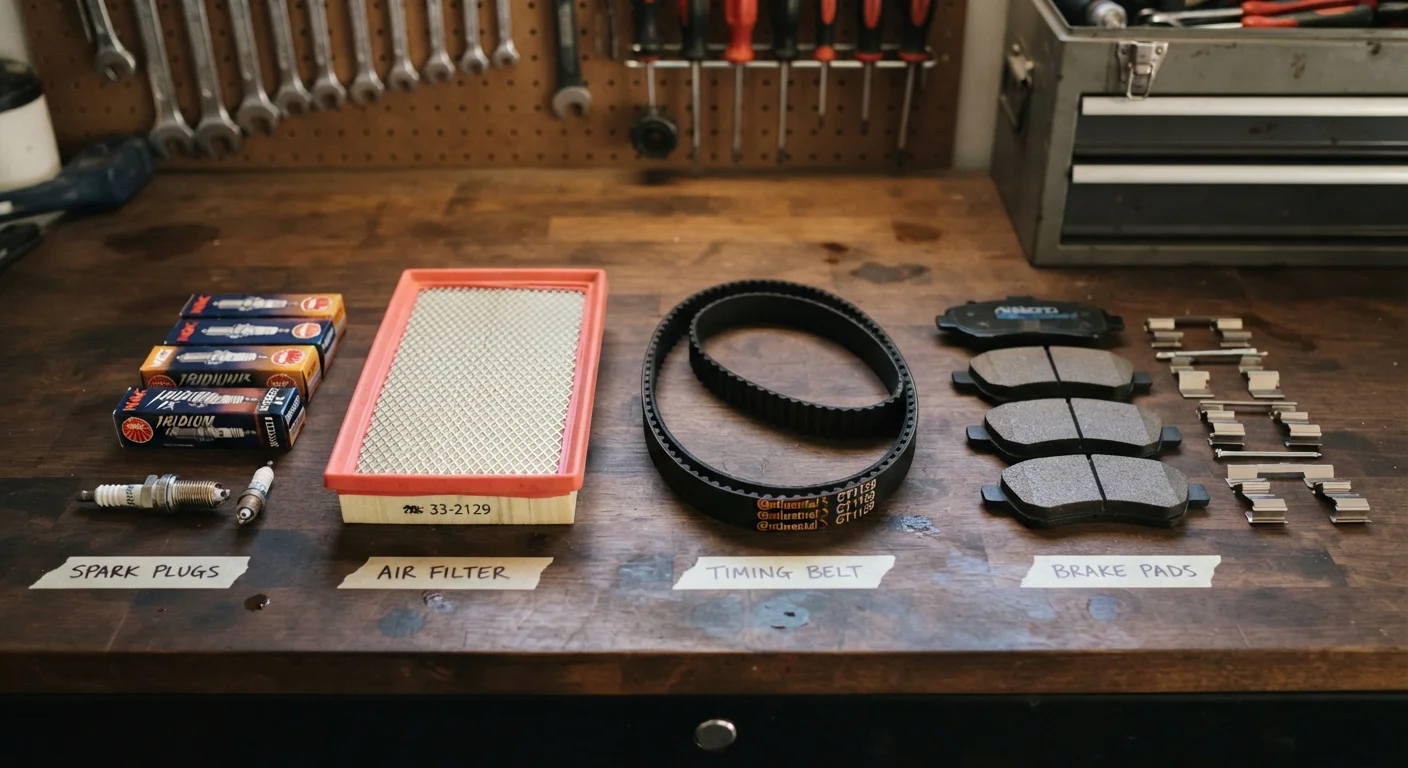
- Air filter: A clogged air filter restricts airflow to the engine, reducing fuel efficiency and power. Replacement is typically due every 15,000-30,000 miles, but dusty driving conditions accelerate this.
- Cabin air filter: Separate from the engine air filter, this keeps particulates out of the passenger compartment. Most manufacturers recommend replacing it every 15,000-25,000 miles.
- Tire rotation: Rotating tires every 5,000-7,500 miles evens out tread wear and extends tire life. Many shops bundle this with oil changes.
- Brake inspection: Brakes are inspected at regular intervals even if they feel fine. Worn pads or low fluid can be invisible to the driver until a problem becomes serious.
- Coolant, transmission fluid, and other fluids: These degrade over time and mileage. Neglecting them often leads to the most expensive repairs.
For a broader view of when individual components typically wear out, see the real lifespan of common car parts.
5,000-10,000 mi
Typical modern oil change interval
Most manufacturers of vehicles using full synthetic oil recommend intervals well beyond the outdated 3,000-mile guideline, according to industry service standards.
~$80-$150
Average cost of a neglected repair vs. prevention
Industry estimates suggest routine maintenance services cost a fraction of the repairs that result from skipping them - such as a coolant flush versus a blown head gasket.
15,000-30,000 mi
Engine air filter replacement interval
Manufacturer recommendations vary by vehicle and driving environment; dusty or rural driving typically shortens this interval.
Reading Your Dashboard's Maintenance Reminders
Many vehicles built in the last decade include an onboard maintenance monitoring system - often labeled Oil Life Monitor or a similar name. Rather than counting miles, these systems track actual engine stress: temperature cycles, cold starts, idling time, and load. When the system calculates that oil has degraded to a threshold level, it alerts you.
This is more accurate than a fixed mileage interval, but it only tracks what it's programmed to track - usually engine oil. It won't remind you about transmission fluid, spark plugs, or timing belts. The owner's manual remains essential for those items.
If a warning light appears on your dashboard, don't assume it's just a maintenance reminder. Some lights indicate immediate safety concerns. Dashboard warning lights communicate everything from low tire pressure to imminent system failures - knowing the difference matters.
Reset Your Maintenance Reminder Correctly
After an oil change, your vehicle's oil life monitor needs to be manually reset - otherwise it will display inaccurate information going forward. The reset procedure varies by make and model; your owner's manual includes step-by-step instructions. Many shops perform this reset as part of the service, but it's worth confirming before you leave.
Staying on Schedule Without the Stress
The single most effective habit for staying on top of maintenance is keeping a simple log. Recording service dates, mileage, and what was done gives you a clear picture of what's coming due - and provides documentation that protects your warranty and supports resale value. See how to build and maintain a vehicle maintenance log for a practical approach.
Maintenance costs should also be part of your annual vehicle budget. Unexpected service bills feel large partly because they're unplanned - building them into your budget in advance removes the sting. The annual car ownership budget checklist can help you account for both routine and one-off expenses before they catch you off guard.
Finally, if you're weighing which tasks to handle yourself versus which to hand off to a professional, that decision deserves its own consideration. Some jobs are straightforward; others carry real safety implications. Understanding which maintenance tasks belong in which category helps you make that call with confidence.