Why Seasonal Prep Is Worth Your Time
Temperature extremes don't just affect your comfort - they put measurable stress on specific vehicle systems. Cold contracts rubber, thickens fluids, and drains battery voltage. Heat expands tires, degrades coolant, and pushes air conditioning components to their limits. The good news: most of the damage is predictable, which means most of it is preventable.
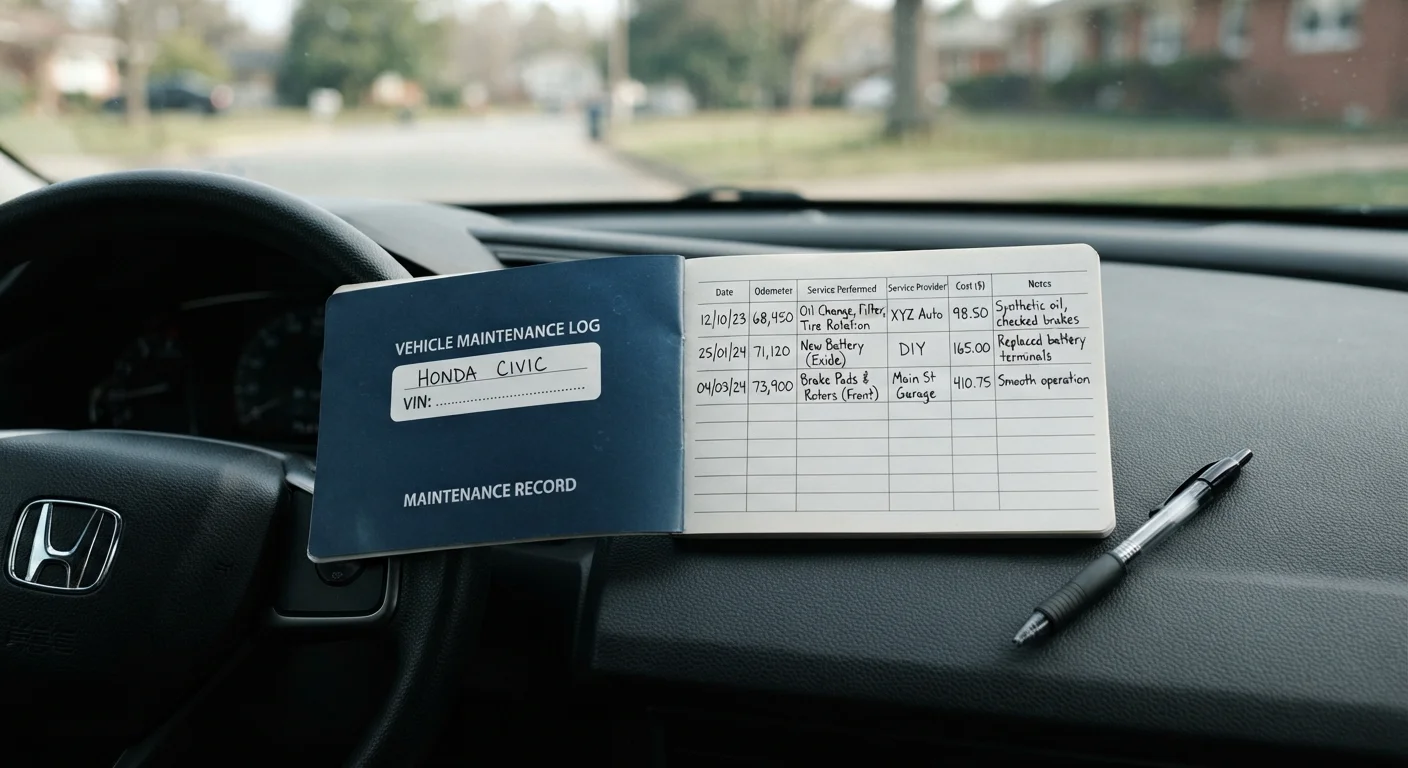
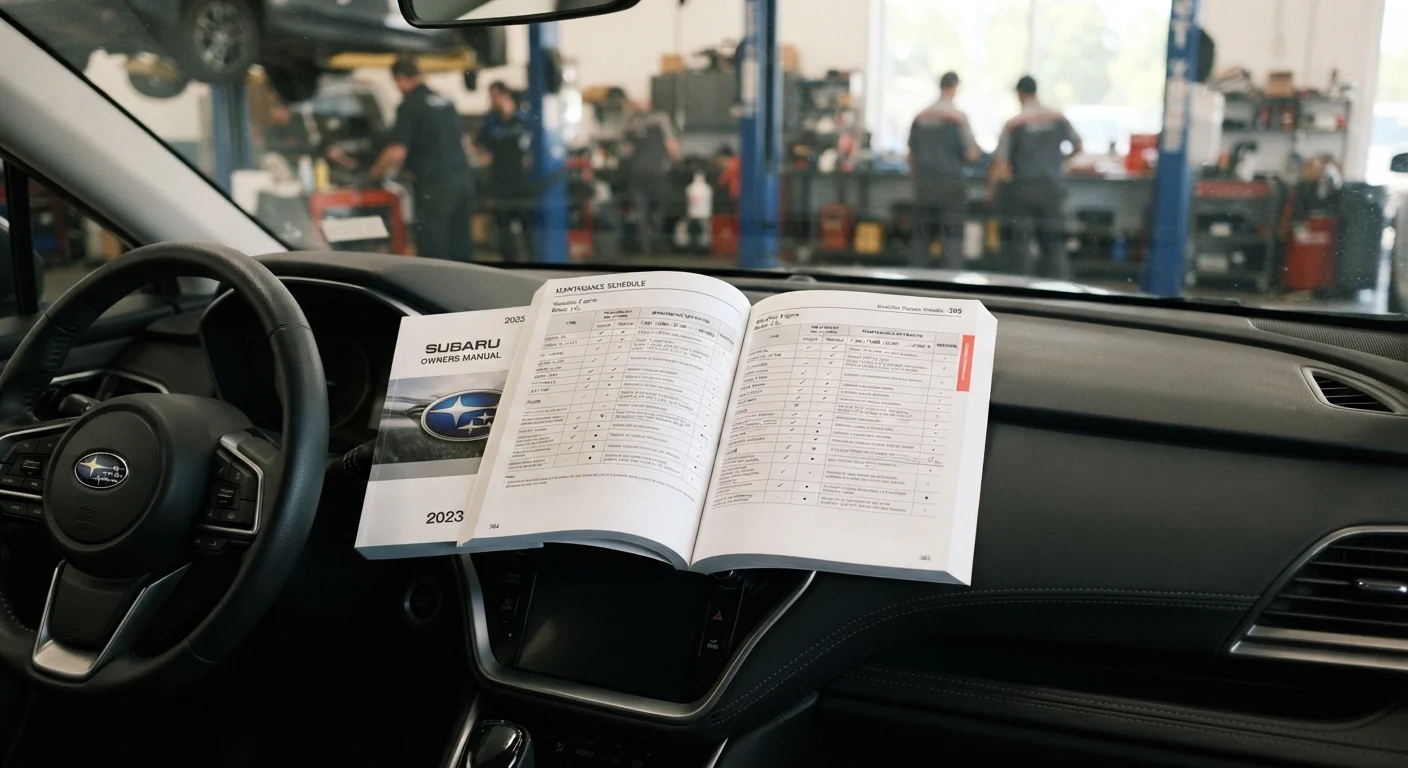
Running through a focused seasonal inspection before temperatures shift - not after your car starts misbehaving - is one of the highest-return habits a driver can build. If you're already tracking service intervals, your maintenance log will tell you exactly what's due. And if you want to understand why manufacturers set those intervals in the first place, your car's maintenance schedule explained is worth a read.
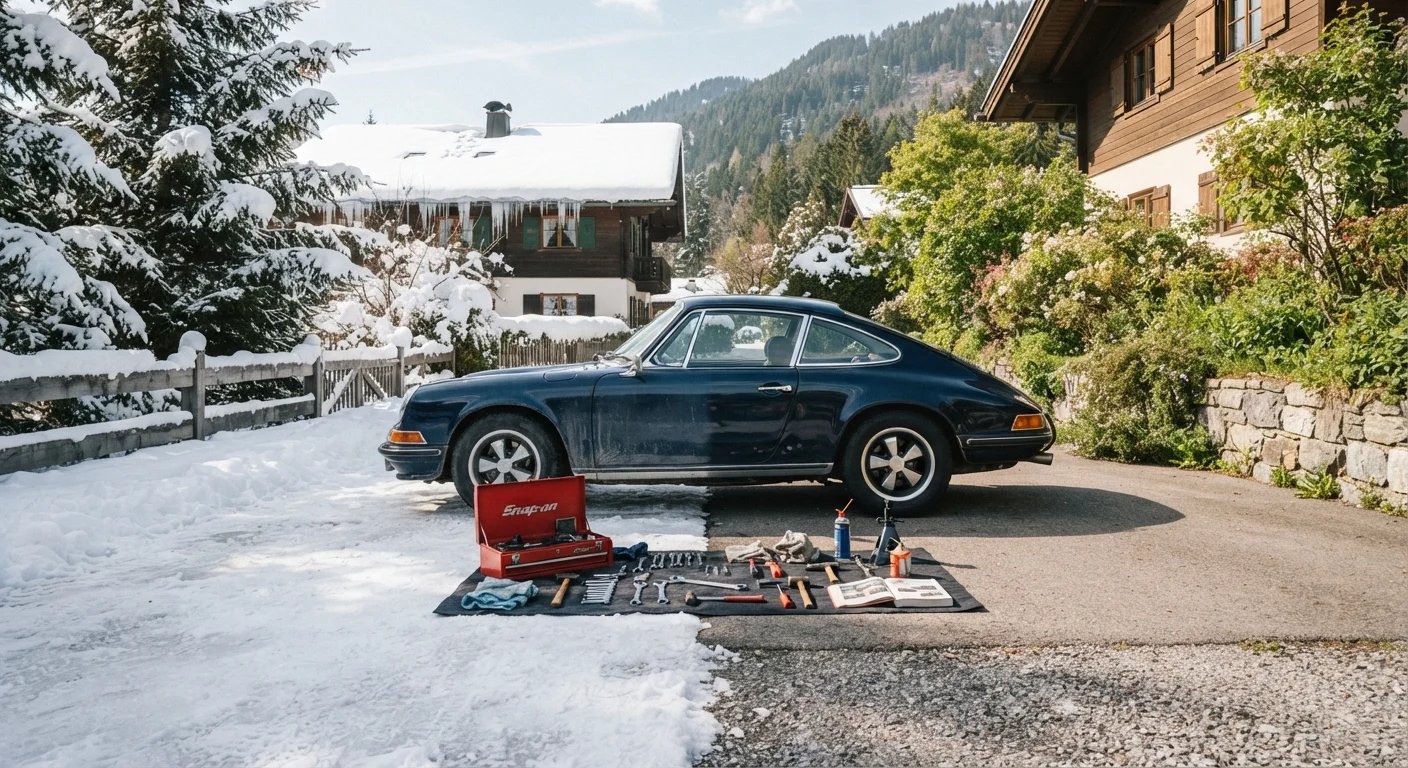
Use the checklist below as a working tool - print it, save it to your phone, or run through it in your driveway. Items are sorted by season and priority so you can focus on what matters most.
Tire pressure gauge
Accurately measure PSI before and after seasonal temperature changes.
Battery load tester or CCA tester
Test whether your battery can reliably start the engine in cold weather.
Coolant test strips or antifreeze tester
Verify your coolant mixture provides adequate freeze and boil-over protection.
Tread depth gauge
Give a precise reading of remaining tire tread beyond the rough penny test.
Flashlight or headlamp
Inspect undercarriage, hoses, and dark engine bay areas safely.
Winter Preparation Checklist
The window for winter prep is roughly four to six weeks before consistent freezing temperatures arrive in your area. That timing gives you room to order parts, schedule a shop appointment if needed, and avoid the first cold snap catching you flat-footed.
Winter - Battery & Electrical
Winter - Tires & Brakes
Winter - Fluids & Visibility
Summer - Cooling System
Summer - Tires & Brakes
Summer - AC & Cabin
Don't Mix Coolant Types Without Checking
Green, orange, pink, and blue coolants use different chemical formulations that are not universally compatible. Mixing incompatible types can cause gel-like deposits that clog your cooling system. Always check your owner's manual for the specified coolant type before topping off, and when in doubt, have a professional flush the system rather than adding to an unknown mix.
For a deeper look at how your car handles in hazardous conditions - which these checks help prevent - see driving through ice, fog, and rain.
Summer Preparation Checklist
Summer prep is most effective done in late spring, before sustained heat arrives. Heat-related failures - blowouts, coolant boilovers, AC compressor seizures - almost always trace back to a component that was already marginal going into the warm months.
Budgeting for seasonal maintenance is easier when it's planned. The annual car ownership budget checklist can help you fold these costs into a full-year view so nothing comes as a surprise. For reference on how long specific parts typically last before they need attention, see the real lifespan of common car parts.
AC Refrigerant: Leave It to a Professional
Recharging or recovering automotive AC refrigerant requires EPA Section 609 certification in the United States - handling refrigerants without proper equipment is illegal and potentially hazardous. If your AC is underperforming, have the system diagnosed by a licensed technician rather than attempting a DIY recharge with over-the-counter cans, which can mask leaks and damage components.
Finally, once your seasonal checks are done, build the habit of a quick daily scan before you drive. The pre-drive safety check takes under two minutes and catches issues your seasonal prep might have missed. If something does go wrong on the road, roadside emergency preparedness walks you through the right steps to stay safe.