Why a Breakdown Plan Matters Before You Need One
Most drivers assume a breakdown won't happen to them - until it does, often at the worst possible moment. A blown tire at highway speed, an overheated engine in summer traffic, or a dead battery in a parking lot at night all demand a calm, practiced response. Without a plan, panic sets in quickly, and that's when small situations become dangerous ones.
The good news is that breakdowns are survivable and manageable when you know the sequence of steps to follow. This guide walks you through exactly what to do - from the moment something goes wrong to the moment help arrives. For proactive protection, pairing this knowledge with seasonal vehicle maintenance reduces your odds of a breakdown in the first place.
What you will need
What You'll Need in Your Emergency Kit
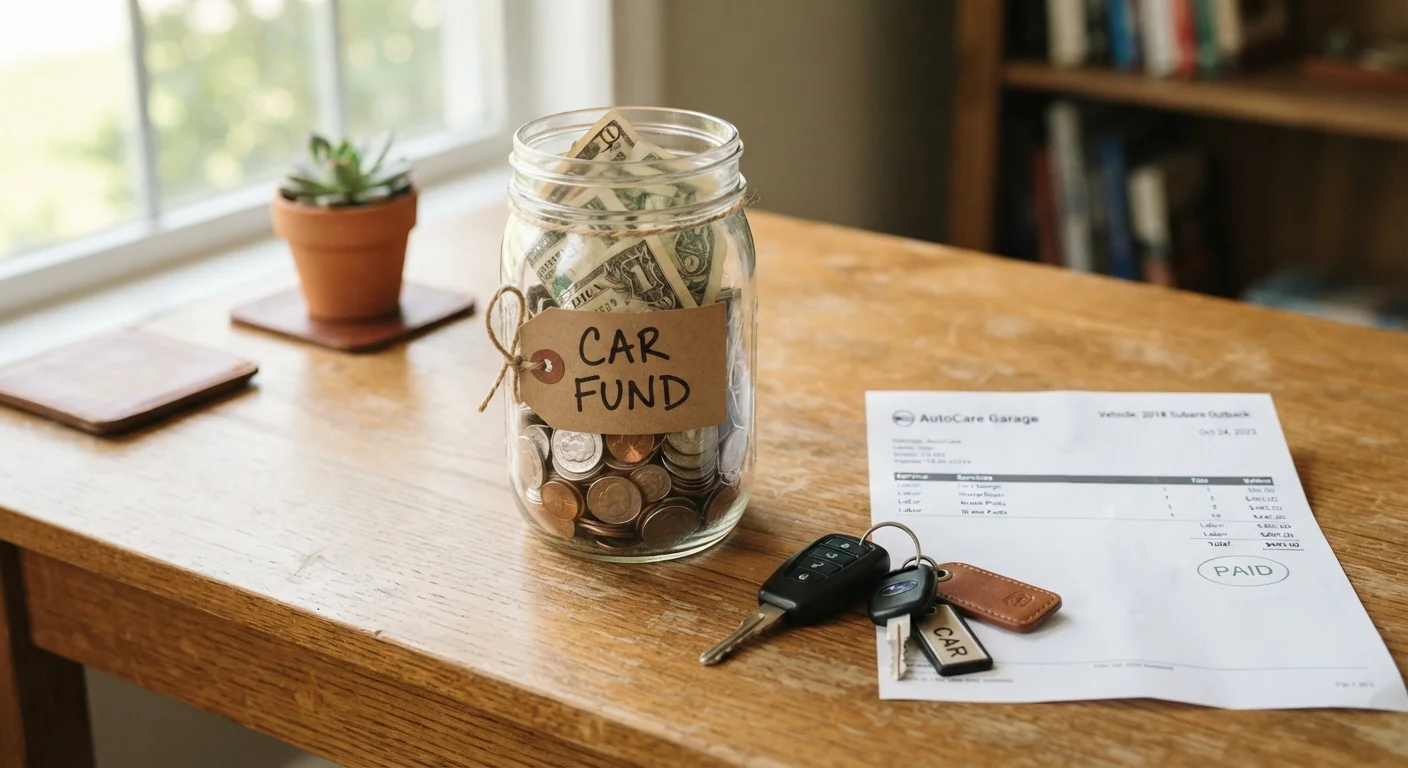
Before you ever need to use these steps, assemble a basic roadside kit and keep it in your trunk. Preparedness is the single biggest factor separating a manageable breakdown from a genuinely dangerous one. Think about sizing a car emergency fund alongside your kit - having cash set aside for towing or repair costs removes one more stressor in the moment.
Reflective warning triangles or road flares
Placed behind your vehicle to alert approaching drivers of the obstruction.
Jumper cables or a portable jump starter
Allows you to restart a vehicle with a dead battery without waiting for a second car.
Fully inflated spare tire, jack, and lug wrench
Enables a tire change on a safe, flat surface if you have a blowout or flat.
Flashlight with extra batteries
Provides visibility for nighttime breakdowns and signaling.
High-visibility safety vest
Makes you visible to passing drivers if you must exit the vehicle.
Basic first-aid kit
Allows you to address minor injuries while waiting for assistance.
Blanket and bottled water
Keeps you comfortable during extended waits, particularly in extreme temperatures.
Step-by-Step: What to Do When Your Car Breaks Down
Follow these steps in order. The first 60 seconds after a breakdown are the most critical for your safety and that of other road users.
Activate your hazard lights immediately
The moment you sense something wrong - a warning light, unusual noise, or loss of control - turn on your hazard lights. Do this before anything else, including steering. Hazard lights give other drivers critical advance warning and buy you time to respond safely.
Move the vehicle as far off the road as safely possible
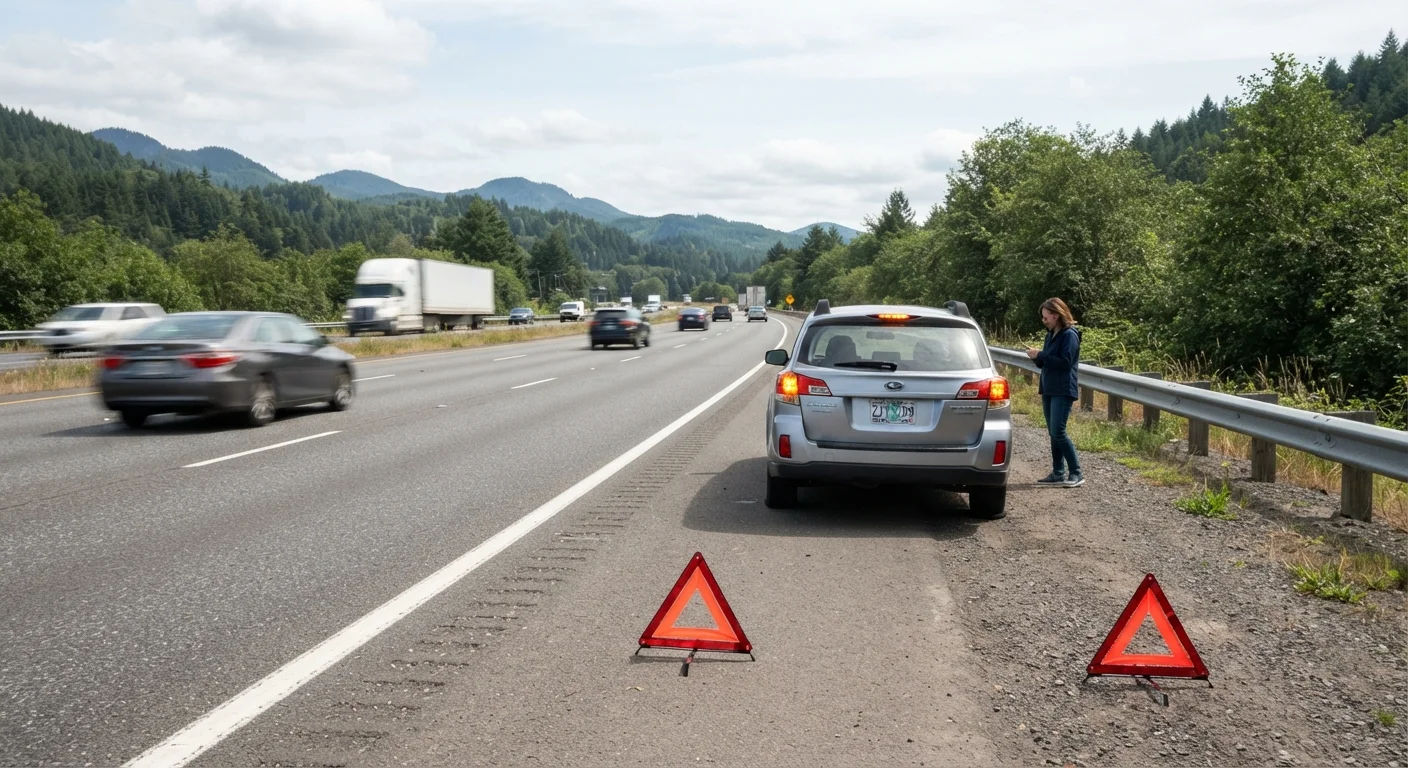
Steer gradually toward the right shoulder or the nearest exit. Avoid braking hard unless absolutely necessary. Aim for flat, stable ground - ideally well beyond the white fog line. If you can reach a parking lot or side street, do so rather than stopping on a highway shoulder.
Put the vehicle in park and set the parking brake
Once stopped, shift into Park (or first gear on a manual transmission) and engage the parking brake. This prevents the car from rolling, especially on uneven shoulders. Turn off the engine if it's overheating or smoking, but leave the hazards running.
Place warning triangles or flares behind the vehicle
Exit the vehicle on the passenger side away from traffic, put on your safety vest, and place reflective triangles roughly 10, 100, and 300 feet behind your car. On a highway, err toward more distance. This is especially important at night or in low-visibility conditions like rain or fog.
Stay inside the vehicle and call for help
On a busy road or highway, return to your car and stay inside with your seatbelt on. Call your roadside assistance provider, insurance company, or 911 if you're in danger. Give your exact location using mile markers, GPS coordinates, or nearby landmarks. Stay on the line until help is confirmed.
Wait safely and signal your situation
If you're in a location where staying inside feels unsafe (e.g., a blind curve with no guardrail), exit via the passenger side and stand well away from the vehicle behind a barrier if one exists. Tie a white cloth to your antenna or door handle as a universal distress signal. Do not attempt roadside repairs in or near a travel lane.
Never Attempt Repairs in a Travel Lane
Changing a tire or checking under the hood while your vehicle is partially blocking traffic puts you at serious risk of being struck. If you cannot get completely off the road, stay inside with your seatbelt fastened and wait for professional help. No repair is worth your life - even if it seems quick and simple.
After Help Arrives: Next Steps for Getting Back on the Road
Once a tow truck or roadside assistance provider reaches you, confirm the destination before they hook up your vehicle - ideally a shop you've researched rather than one suggested on the spot. Keep a record of what happened (warning lights, sounds, smells) so you can describe it accurately to a mechanic.
If you're unsure whether a repair is something you can handle yourself versus a job for a professional, our guide to DIY car maintenance vs. taking it to a mechanic can help you decide. Going forward, build the habit of a pre-drive safety check to catch developing problems before they leave you stranded again.