What 'High-Mileage' Actually Means Today
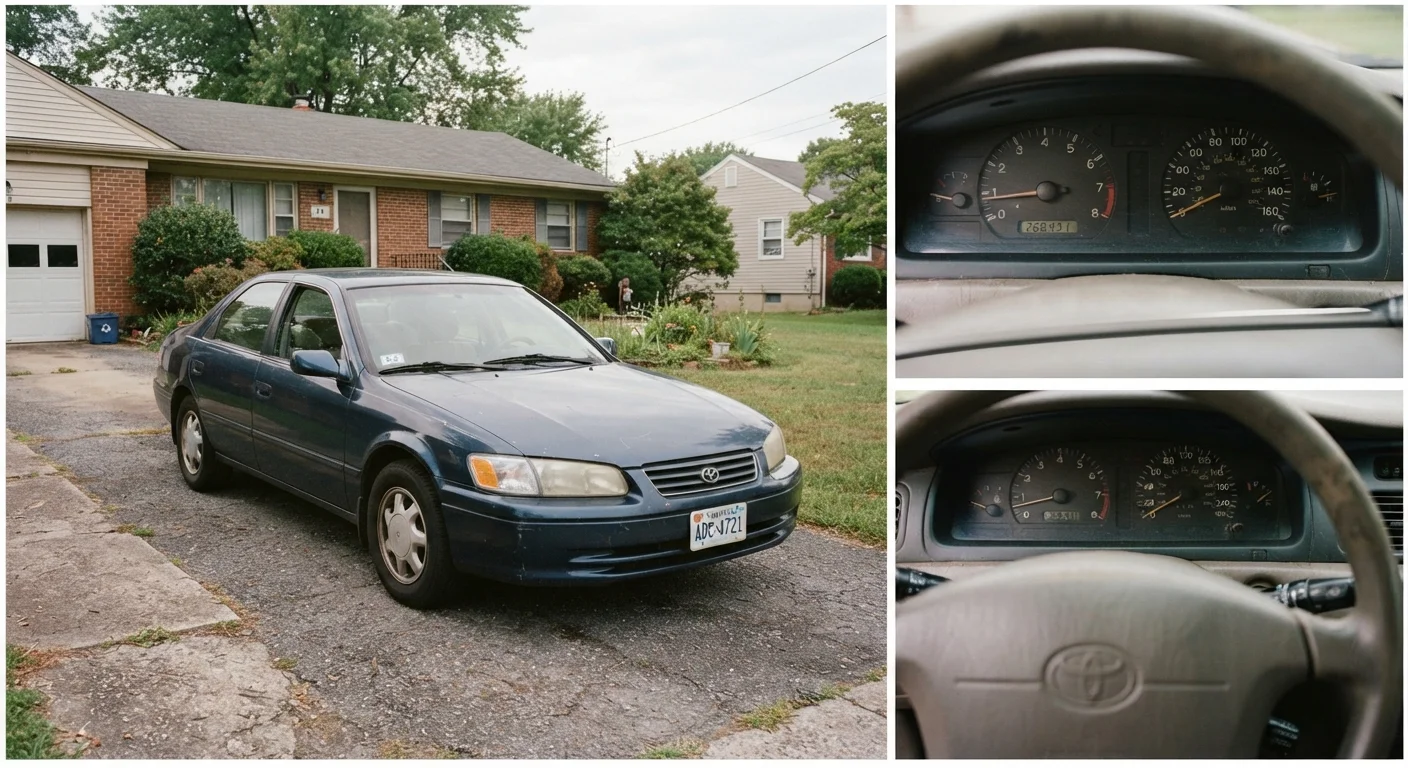
The threshold for what counts as high-mileage has shifted considerably. A decade ago, 100,000 miles was widely viewed as the beginning of a car's end. Today, thanks to advances in engine metallurgy, synthetic lubricants, and tighter manufacturing tolerances, many vehicles routinely reach 150,000 to 200,000 miles without major mechanical failure - provided they've been maintained properly.
That said, mileage alone is an incomplete picture. A 90,000-mile vehicle that skipped oil changes and ignored warning lights carries far more risk than a 130,000-mile car with full service records. When evaluating any older high-mileage vehicle, maintenance history matters as much as the odometer reading. See habits that genuinely extend a car's life for what consistent care actually looks like in practice.
The Real Advantages
No steep new-car depreciation to absorb
New vehicles can lose 20% of their value in the first year alone. A high-mileage car's steepest depreciation has already occurred, meaning your out-of-pocket loss when you eventually sell is typically far smaller.
Lower purchase price frees up cash
A significantly lower sticker price means smaller or no loan, reduced monthly payments, and more liquidity for other financial priorities - including a dedicated repair fund.
Insurance costs are often meaningfully lower
Older vehicles with lower market values typically qualify for lower comprehensive and collision premiums, and some owners drop those coverages entirely once the car's value no longer justifies the cost.
Modern engines are built to last longer
Tighter tolerances, synthetic oil compatibility, and better materials mean many contemporary engines are designed for 200,000-plus miles when maintained correctly - making high mileage less alarming than it once was.
Parts availability is often excellent
Popular older models benefit from a mature aftermarket parts ecosystem, which keeps repair costs competitive and reduces wait times compared to newer or rarer vehicles.
The financial case for keeping or buying a high-mileage car is often underappreciated. Depreciation - the single largest cost of new-car ownership - is largely already absorbed. A vehicle that loses 40-50% of its value in the first three years represents a significant sunk cost for the original buyer, not you. When you step into a high-mileage used car, that depreciation curve has flattened substantially.
Insurance premiums also tend to be lower on older vehicles, particularly if you drop comprehensive and collision coverage on a car whose market value no longer justifies the added premium cost. For a fuller comparison of where old versus new car costs actually diverge, see how older and newer car costs stack up.
12+ years
Average U.S. vehicle age on the road
According to S&P Global Mobility data, the average age of light vehicles in operation in the U.S. has reached record highs, reflecting that well-maintained older cars are staying in service longer than ever.
~40-50%
Value lost in first 3 years of new-car ownership
Industry data consistently shows new vehicles depreciate most steeply in early ownership, a cost that high-mileage used-car buyers largely avoid.
The Real Disadvantages
Repair frequency and cost tend to increase
Wear-prone components - timing belts, water pumps, suspension bushings, and seals - deteriorate with age and use. After 100,000 miles, the likelihood of needing multiple repairs within a short window rises.
Repair bills can exceed the car's market value
If a transmission or engine repair costs more than the vehicle is worth, you face a difficult financial decision with no clean answer. This scenario becomes more common as mileage climbs past 150,000.
No warranty coverage on most components
Unlike newer vehicles, older high-mileage cars typically have no remaining manufacturer warranty, meaning every unexpected repair comes entirely out of pocket unless you purchase a third-party service contract.
Fuel efficiency may lag newer vehicles
Older engines and drivetrains are generally less fuel-efficient than their modern counterparts. Depending on how much you drive, the gap in fuel costs can partially offset savings on the purchase price.
Safety technology is limited compared to newer models
High-mileage older vehicles typically lack modern active safety features such as automatic emergency braking, blind-spot monitoring, and lane-keeping assist - features that have demonstrably reduced crash rates.
The most important risk with high-mileage ownership is repair unpredictability. Wear-prone systems - cooling, transmission, suspension, and fuel delivery - become statistically more likely to need attention after 100,000 miles, and the repairs themselves tend to be more expensive than routine maintenance. A timing belt replacement or transmission service can run several hundred to over a thousand dollars depending on the vehicle.
There's also a compounding risk: when multiple systems age simultaneously, you may face overlapping repair bills. If those bills approach or exceed the car's current market value, you're in what mechanics call a "repair versus replace" inflection point. Deciding when you've crossed that line requires honest math. Smart long-term cost habits can help you track spending patterns before a single repair forces the decision.
How to Tip the Odds in Your Favor
The difference between a high-mileage car that serves you well and one that drains your finances usually comes down to three things: proactive maintenance, an emergency repair fund, and knowing your own limits.
Proactive maintenance means staying ahead of the service schedule rather than reacting to symptoms. Fluid changes, belt and hose inspections, and brake checks are far cheaper when done on schedule than when deferred until failure. Understanding which tasks you can handle safely at home - and which genuinely require a professional - is equally important. Our guide on DIY maintenance versus taking it to a mechanic walks through how to make that call without guessing.
A repair fund of roughly $1,000-$2,000 set aside specifically for the vehicle gives you options when something does go wrong, rather than forcing a rushed decision. It's also worth periodically re-evaluating whether your habits are working for or against you - common maintenance myths can quietly drain money over time.
When to Get a Pre-Purchase Inspection
If you're buying a high-mileage used car rather than keeping one you already own, a pre-purchase inspection by an independent mechanic is one of the most cost-effective steps you can take. A thorough inspection typically costs $100-$200 and can surface hidden issues - oil leaks, worn brake components, cooling system problems - before you commit. Always have the inspection done by a shop with no financial stake in the sale.