Why Deferred Maintenance Is Never Really Free
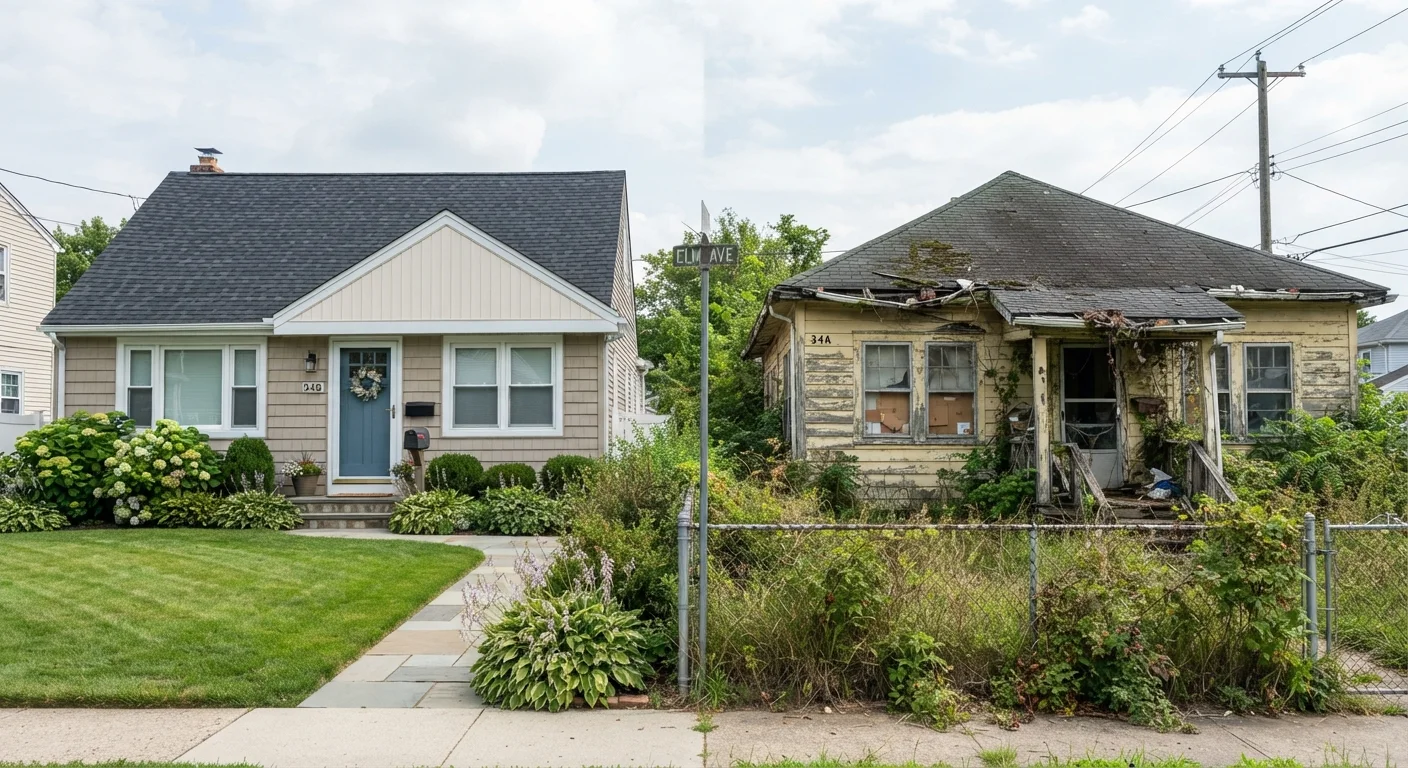
When money is tight or time is short, skipping a gutter cleaning or postponing a roof inspection can feel harmless. But homes are interconnected systems - a failure in one area reliably triggers damage in others. What costs $150 to fix in October can cost $4,000 to fix in March after a winter of unchecked water infiltration.
The core problem is that most home components degrade gradually and silently. Unlike a car that announces engine trouble with a warning light, a home allows moisture, pests, and structural stress to accumulate behind walls and under floors - invisible until the damage is extensive. Understanding this pattern is the first step toward treating maintenance as the investment it is, not the chore it feels like.
For a month-by-month framework on staying ahead of upkeep, see our First Year Homeowner Maintenance Roadmap.
The Real Consequences: What Gets Worse and How Fast
Neglected maintenance follows predictable failure sequences. Here's how common skipped tasks escalate:
- Gutters and downspouts: Clogged gutters overflow toward the foundation. Within one or two rainy seasons, water can saturate soil near the footings, leading to basement seepage, foundation cracks, or interior mold - repairs that routinely run into the tens of thousands of dollars.
- HVAC filters: A clogged filter strains the blower motor and reduces efficiency. Ignored for a full season, it can cause the evaporator coil to freeze or the heat exchanger to crack - turning a $15 filter into a $2,000-$8,000 system replacement.
- Roof flashing and sealants: Small gaps around chimneys, vents, and skylights allow water in. Sheathing rots, insulation becomes saturated, and ceiling damage follows. What a roofer might reseal for a few hundred dollars becomes a structural repair job.
- Caulking around tubs and windows: Failed caulk lets moisture wick into framing. Window rot and bathroom subfloor decay are direct and expensive results of this one overlooked task.
1-2%
Annual home value recommended for maintenance budgeting
A widely referenced rule of thumb among housing professionals suggests homeowners budget 1-2% of their home's purchase price each year for routine upkeep and repairs.
~40%
Of home insurance claims linked to water damage
Water-related damage consistently ranks among the most common and costly homeowners insurance claim categories, much of it attributable to maintenance failures like failed seals and clogged drainage.
The pattern across all these examples is the same: a small, inexpensive preventive action, skipped repeatedly, unlocks a cascade of damage that is far more expensive and disruptive to reverse.
Financial and Legal Ripple Effects
Beyond repair bills, deferred maintenance creates financial and legal complications that many homeowners don't anticipate.
Insurance claims: Most homeowners insurance policies exclude damage that results from owner negligence or gradual deterioration. If an adjuster determines that a roof leak developed over months and was never addressed, the claim may be denied - leaving the homeowner fully responsible for repairs.
Resale obligations: When selling, most states require disclosure of known material defects. Documented or visible deferred maintenance - rotting wood, failing systems, water stains - must be disclosed, and buyers will either negotiate the price down or walk away. A well-maintained home consistently commands stronger offers and faster sales.
For perspective on how the same compounding dynamic plays out with vehicles, see how skipping small maintenance tasks leads to big repair bills.
Building a Maintenance Habit That Sticks
The antidote to deferred maintenance isn't perfection - it's consistency. A few practical principles help:
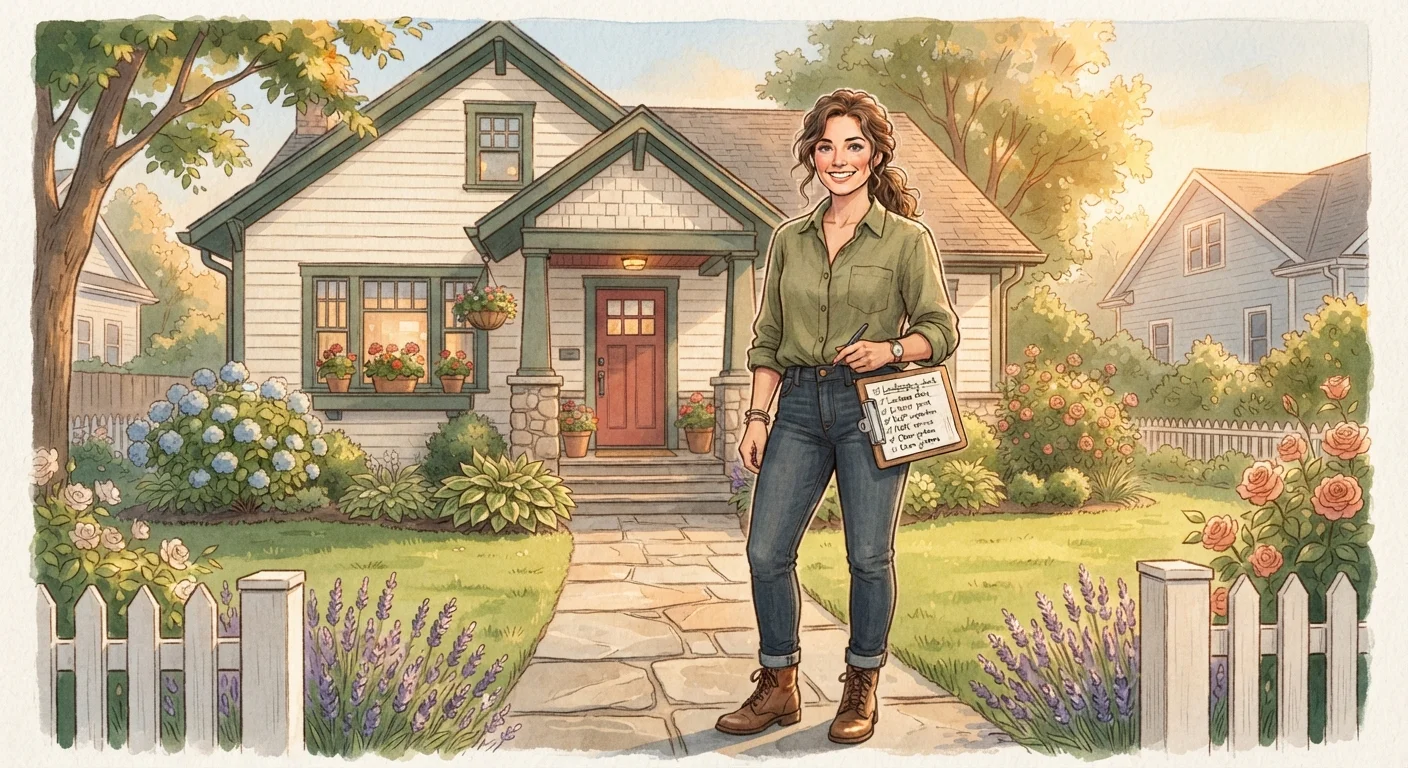
- Schedule, don't react. Seasonal inspections catch problems before they become emergencies. A quarterly walkthrough of your home's exterior, mechanical systems, and interior moisture-prone areas takes less than an hour and surfaces issues while they're still minor.
- Budget intentionally. A commonly cited guideline suggests setting aside roughly 1-2% of your home's value annually for maintenance. This isn't a guarantee of actual costs, but it creates a financial cushion so repairs don't become deferred by default when they arise.
- Prioritize by consequence. Not everything can be done at once. Prioritize tasks that prevent water intrusion and system failure - roof, gutters, HVAC, plumbing - over purely cosmetic work.
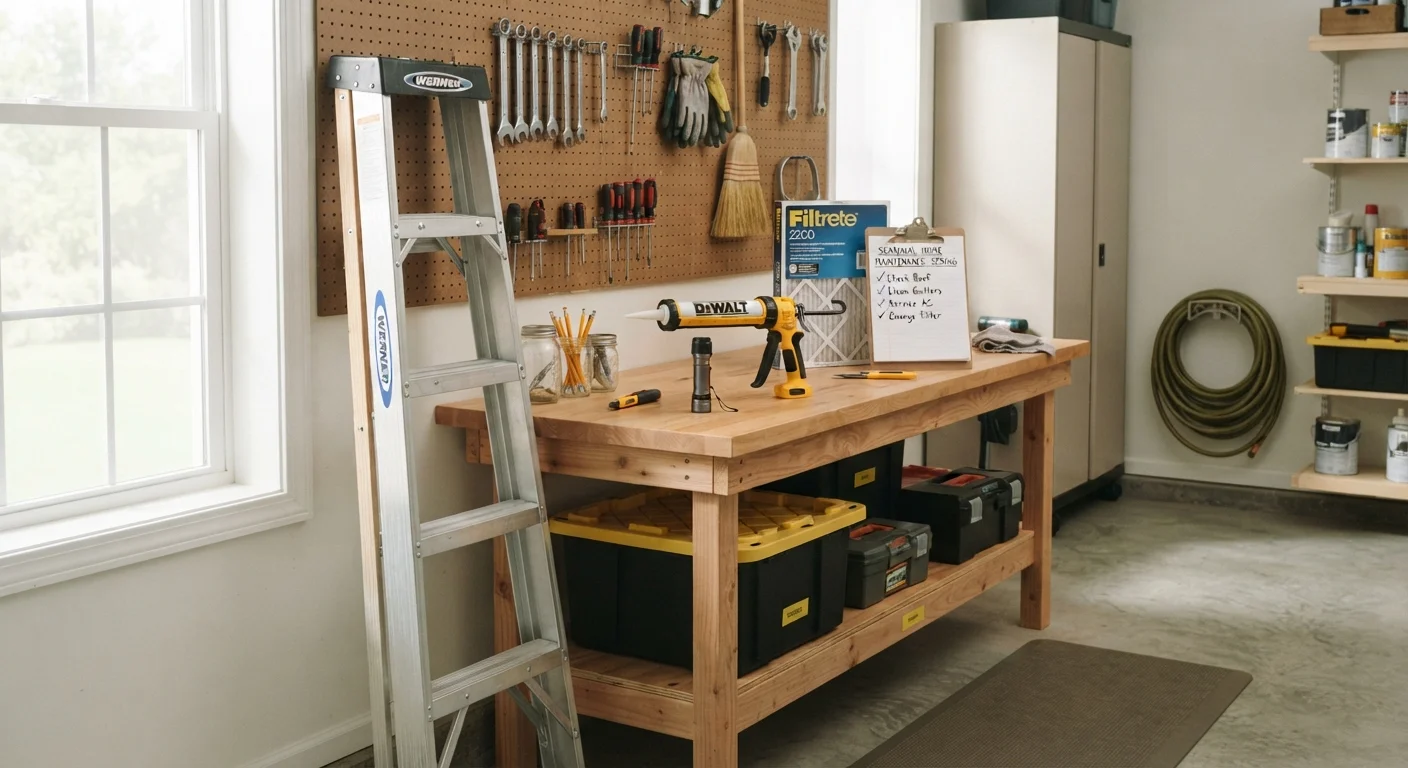
Our seasonal maintenance checklist breaks down exactly what to inspect and service each quarter so nothing critical gets missed.
This article provides general home maintenance information for educational purposes. Costs and timelines vary by region, home age, and condition. Always consult a licensed contractor for diagnosis and repair of structural, electrical, plumbing, or roofing concerns.